The Evolving Landscape of the Wagner Group: From Shadowy Mercenaries to State-Controlled Operations
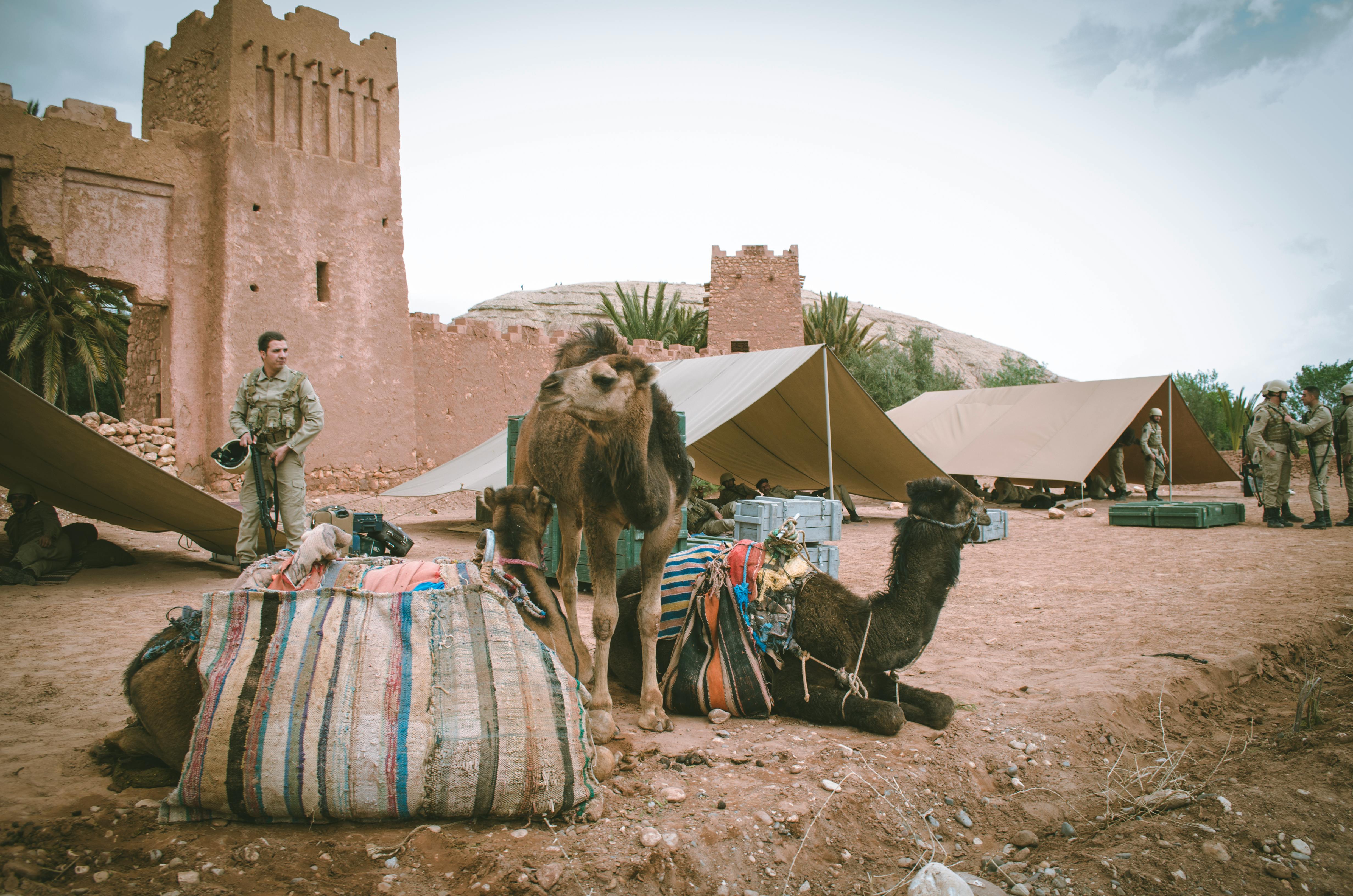
The Wagner Group, once a shadowy private military company (PMC) operating with a degree of autonomy, has undergone a significant transformation in recent years. Following the death of its founder, Yevgeny Prigozhin, in August 2023, and a failed mutiny in June 2023, the Kremlin has moved to exert greater control over its operations, particularly in Africa. This has led to a restructuring and rebranding of its activities, with many operations being absorbed into state-controlled entities like the “Africa Corps.” Despite these changes, Russian mercenary activities continue to advance Moscow’s interests globally, albeit with a more direct state involvement and a diminished capacity for independent action.
The Wagner Group’s Genesis and Global Reach
Founded around 2014, the Wagner Group emerged as a key instrument of Russian foreign policy, operating in a legal gray area that allowed for plausible deniability of state involvement in overseas military operations. Initially gaining prominence in Ukraine during the initial incursion in 2014, Wagner’s activities soon expanded to the Middle East and Africa. The group’s model often involved providing security services and military support to governments in exchange for access to natural resources, such as gold and diamond mines. This “regime security for resources” scheme allowed Russia to project power and influence without the direct accountability associated with state military deployments.
By the end of 2019, Wagner had established offices in at least 20 African countries. Its operations spanned across nations like Sudan, the Central African Republic (CAR), Libya, Mozambique, and Mali. In the CAR, Wagner’s influence became so deeply embedded that it was described as a form of “state capture,” with the group gaining control over valuable economic assets. In Ukraine, Wagner played a significant role in the full-scale invasion launched in February 2022, reportedly recruiting tens of thousands of convicts for frontline combat. By December 2022, it was estimated that Wagner had around 50,000 fighters in Ukraine.
The Turning Point: Mutiny and Prigozhin’s Death
Yevgeny Prigozhin’s public feud with the Russian Ministry of Defense leadership, particularly Sergei Shoigu and Valery Gerasimov, escalated throughout 2022 and 2023. This conflict culminated in an armed rebellion in June 2023, where Wagner forces seized the city of Rostov-on-Don and marched towards Moscow. The rebellion, termed the “march of justice,” lasted less than 24 hours before Prigozhin stood down following a deal brokered by Belarusian President Alexander Lukashenko.
Less than two months later, on August 23, 2023, Yevgeny Prigozhin and other key Wagner leaders were killed in a plane crash. While the Kremlin denied responsibility, his death was widely believed to be linked to the fallout from the mutiny. Prigozhin’s death left a leadership vacuum and raised significant questions about the future of the Wagner Group.
The Restructuring and Rise of the Africa Corps
Following Prigozhin’s death, the Kremlin initiated a significant restructuring of Wagner’s operations, aiming to consolidate control and mitigate the risks associated with its semi-autonomous nature. Much of Wagner’s operations and assets have been folded into new entities or brought under the direct control of Russia’s Ministry of Defense (MoD) and military intelligence agency (GRU). A key development in this transition is the creation of the “Africa Corps,” a new state-controlled unit that has absorbed many of Wagner’s activities on the continent.
The Africa Corps is designed to offer services similar to those previously provided by Wagner, including military support, domestic information campaigns, and political backing. This new structure allows Russia to maintain its influence in Africa while asserting greater state control and deniability. In June 2025, the Russian Ministry of Defense confirmed the full removal of the Wagner Group from Mali, with its operations being replaced by the Africa Corps. Similarly, Libya has transitioned from Wagner to the Africa Corps, and new contracts were signed with Niger and Burkina Faso in 2024 under this new framework.
While the Wagner Group’s brand remains, its operational autonomy has been significantly diminished. In some instances, such as in the Central African Republic, veteran Wagner personnel have been allowed to retain influence, particularly over lucrative resource trade operations, and Prigozhin’s son, Pavel, has reportedly retained ownership of some operations. However, for most of Wagner’s other African holdings, they have been integrated into the new network of PMCs under GRU control. The group’s Syrian and Libyan contingents were fully merged into the Russian military.
Current Activities and Future Outlook
Despite the restructuring, Russian mercenary forces, often operating under new banners or with reorganized leadership, remain active across Africa and in other global hotspots. The Africa Corps, along with other PMCs like Redut and Konvoy, continues to be deployed as part of the Kremlin’s strategy in the “gray-zone war against the West.” These forces are involved in providing security to unstable regimes, training local armed forces, and engaging in counterinsurgency operations, often with tactics that include targeting and torturing civilians.
In Mali, Russian mercenaries, now operating under the Africa Corps framework, have been implicated in deliberate killings of civilians and the burning of homes in late 2024 and early 2025. The group’s presence in countries like Niger and Burkina Faso has also been noted, with Russian mercenaries arriving to train militaries and enter into partnerships with ruling juntas. This has led to the appearance of Russian forces supplanting U.S. influence in some regions.
The future of Russian private military companies is described as potentially “more sustainable and less spectacular” than the Wagner Group’s previous operations. The Kremlin aims to achieve greater control and avoid the risks associated with independent mercenary groups. While the Wagner Group as a distinct, autonomous entity may be fading, the underlying strategy of using private military contractors to advance Russian foreign policy objectives persists, albeit under tighter state supervision.
Reports suggest that Wagner troops in Africa may be relocated to Belarus by mid-2025, echoing the post-mutiny deal that offered safe passage to Belarusian territory. Leadership within Wagner has also seen changes, with Dmitry Podolsky reportedly taking command. However, the overall trend indicates a shift towards more direct state control, with the Africa Corps representing the primary vehicle for Russia’s continued military and security engagements on the African continent.