Embarking on a Path of Service: Understanding Military Boot Camps in 2025
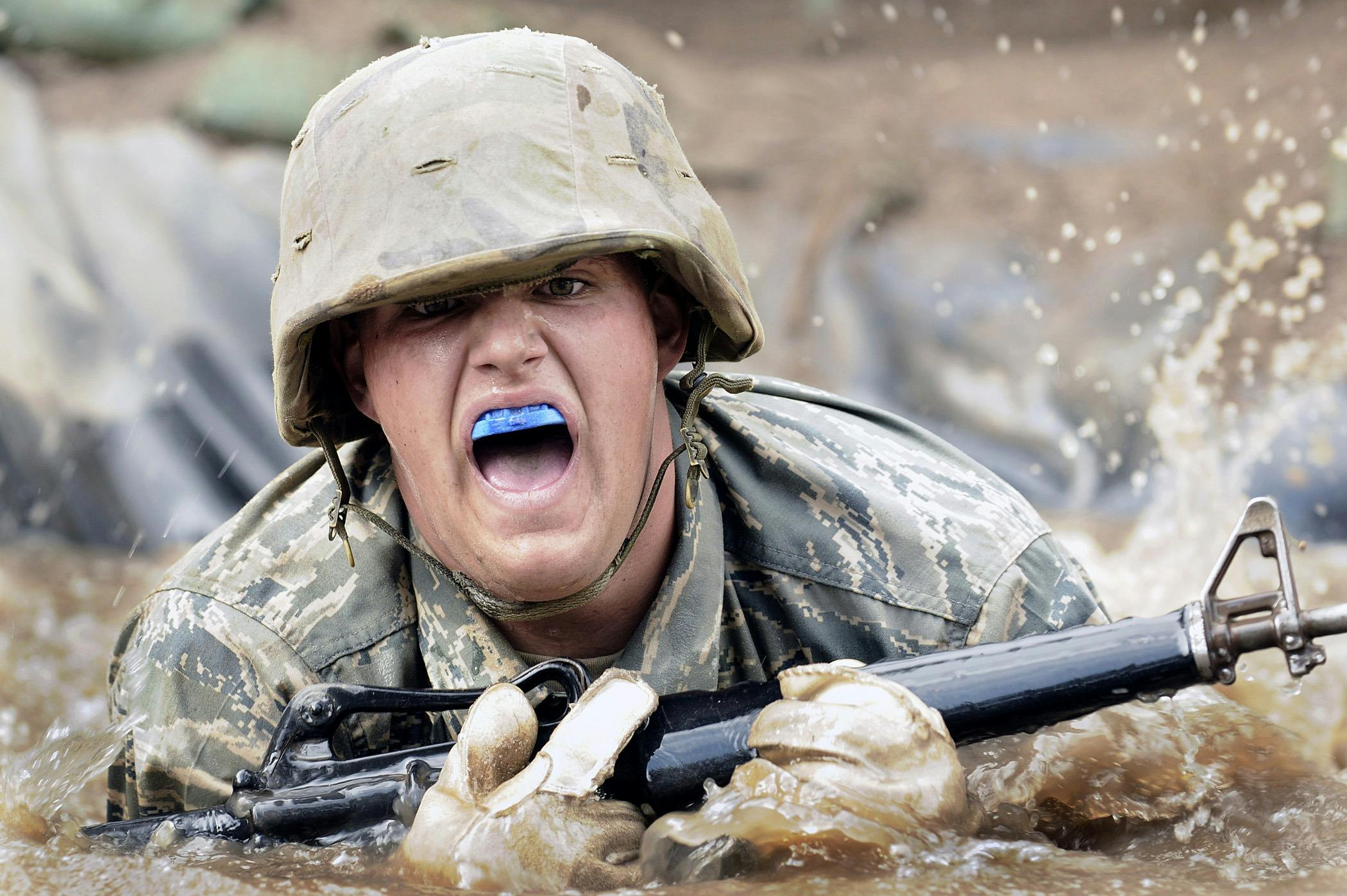
For many individuals in 2025, the decision to join the military represents a profound commitment to service, a quest for personal growth, and a desire for a structured and rewarding career. Central to this journey is the experience of military boot camp, a transformative period designed to forge civilians into disciplined service members. This comprehensive guide explores the landscape of military boot camps, focusing on their locations, the evolving recruitment environment, and the benefits that continue to draw recruits to the armed forces.
The Foundation of Military Service: Boot Camp Locations and Training
Each branch of the U.S. military has distinct boot camp facilities, each with its own history and training focus. These locations are the crucibles where recruits undergo rigorous physical and mental conditioning, learn essential military skills, and internalize the core values of their respective services.
Army Basic Combat Training (BCT)
The U.S. Army conducts its Basic Combat Training (BCT) at several key installations across the nation. These locations are strategically chosen for their comprehensive training facilities and resources.
- Fort Benning, Georgia (now Fort Moore): This historic installation is a primary location for Army BCT and is home to the U.S. Army Infantry School. It is known for its demanding training environment, preparing recruits for roles in infantry and armor specialties.
- Fort Jackson, South Carolina: As the largest initial entry training center in the Army, Fort Jackson processes a significant number of recruits annually. It offers a comprehensive basic training program and is noted for its focus on non-combat training, preparing soldiers for a broad range of roles.
- Fort Leonard Wood, Missouri: This installation specializes in training soldiers for engineering, chemical warfare, and military police roles. It is equipped with extensive training areas and specialized facilities.
- Fort Sill, Oklahoma: Fort Sill is the designated training center for recruits destined for field artillery roles, focusing on precision and tactical application.
In early 2025, the Army announced plans to establish ten additional training units, split between Fort Leonard Wood and Fort Sill, to increase training capacity and accommodate a growing number of recruits.
Marine Corps Recruit Depots (MCRD)
The Marine Corps maintains two Recruit Depots, each serving specific geographic regions:
- MCRD Parris Island, South Carolina: This historic depot, established in 1915, is the primary training site for all female recruits and male recruits from the eastern half of the United States. It is known for its intense 13-week boot camp, which includes rigorous physical training, combat instruction, and strict discipline.
- MCRD San Diego, California: MCRD San Diego serves as the training ground for male recruits from the western two-thirds of the United States. Its mission is to transform recruits through rigorous basic training, instilling the foundations of the Marine Corps’ legacy and core values.
Navy Recruit Training Command (RTC)
The U.S. Navy’s enlisted training is consolidated at one primary location:
- Naval Station Great Lakes, Illinois: Known as “The Quarterdeck of the Navy,” RTC Great Lakes is the sole enlisted basic training location for the U.S. Navy. Since 1994, all recruits have begun their naval careers here, undergoing an intensive program that transforms them into sailors.
While RTC Great Lakes is the main facility, RTC San Diego, California, previously served as a West Coast hub before its closure.
Air Force Basic Military Training (BMT)
The U.S. Air Force conducts its Basic Military Training at a single, dedicated facility:
- Lackland Air Force Base, San Antonio, Texas: This is the sole training ground for enlisted Airmen. The 7.5-week program focuses on military customs, physical conditioning, combat skills, and core values, transforming civilians into disciplined and mission-ready Airmen.
Coast Guard Training Center Cape May
The U.S. Coast Guard’s enlisted training is centralized at one location:
- Training Center Cape May, New Jersey: This facility is the birthplace of the enlisted Coast Guard corps and the nation’s only enlisted accession point. Over 4,000 recruits arrive annually for an eight-week boot camp that instills the Coast Guard’s core values of Honor, Respect, and Devotion to Duty.
The Evolving Landscape of Military Recruitment in 2025
The military recruitment environment in 2025 is dynamic, marked by a resurgence in enlistments after several challenging years. Several factors are contributing to this positive trend:
- Recruiting Momentum: As of December 2024, the Army, Navy, and Marine Corps were reportedly meeting or exceeding their recruiting missions for fiscal year 2025. This follows a period of significant shortfalls, with the Army, in particular, surpassing its fiscal year 2024 goal ahead of schedule.
- Increased Incentives: Congress has implemented pay raises, with junior enlisted members receiving an additional increase in April 2025. These compensation adjustments, along with enhanced marketing campaigns and programs like the Army’s Future Soldier Prep Courses, are designed to attract and retain qualified recruits.
- Focus on the “Warfighter”: A renewed emphasis on military readiness and the “warfighter” ethos is credited with boosting morale and attracting recruits.
- Technological Integration: The Army’s Recruit 360 platform and similar programs in the Navy and Air Force utilize artificial intelligence to optimize lead generation and recruitment processes, aiming to streamline the path to enlistment.
- Addressing Eligibility: Efforts are underway to review and potentially refine medical standards for enlistment, with a memorandum signed in April 2025 directing a comprehensive evaluation of disqualifying medical conditions.
Despite these positive trends, challenges remain. Pentagon officials estimate that only about 23% of Americans aged 17-24 qualify to serve, citing factors such as rising obesity rates and performance on aptitude tests. Furthermore, a Defense Department survey indicated that a significant portion of youth (87%) were not considering military service, often due to concerns about physical injury and the emotional toll of service.
Why Join the Military in 2025? The Enduring Benefits
The decision to join the military continues to offer a compelling array of benefits that extend far beyond basic compensation. These advantages provide a strong foundation for personal and professional development:
- Financial Stability and Benefits: The military provides steady pay, bonuses, 30 days of paid leave annually, free healthcare, housing allowances, and a robust retirement plan.
- Education Opportunities: Through programs like the GI Bill and Tuition Assistance, service members can pursue higher education or vocational training with little to no debt.
- Career Development and Skill Acquisition: The military offers extensive training in a wide range of fields, providing valuable skills and certifications that are transferable to civilian careers. Programs like Credentialing Opportunities On-Line (COOL) and vocational rehabilitation further enhance career pathways.
- VA Loan Access: Service members and veterans are eligible for VA loans, which offer favorable terms for homeownership, including zero down payment options.
- Adventure and Travel: Military service provides opportunities to travel the world, experience different cultures, and build lasting camaraderie with fellow service members.
- Personal Growth and Purpose: The structured environment, emphasis on teamwork, and the inherent sense of mission contribute to significant personal growth, discipline, and a strong sense of purpose.
In 2025, the military continues to represent a path for those seeking a challenging yet rewarding career, offering a unique blend of personal development, financial security, and the opportunity to serve their nation.