Finding the Closest Military School: A Comprehensive Guide for 2025
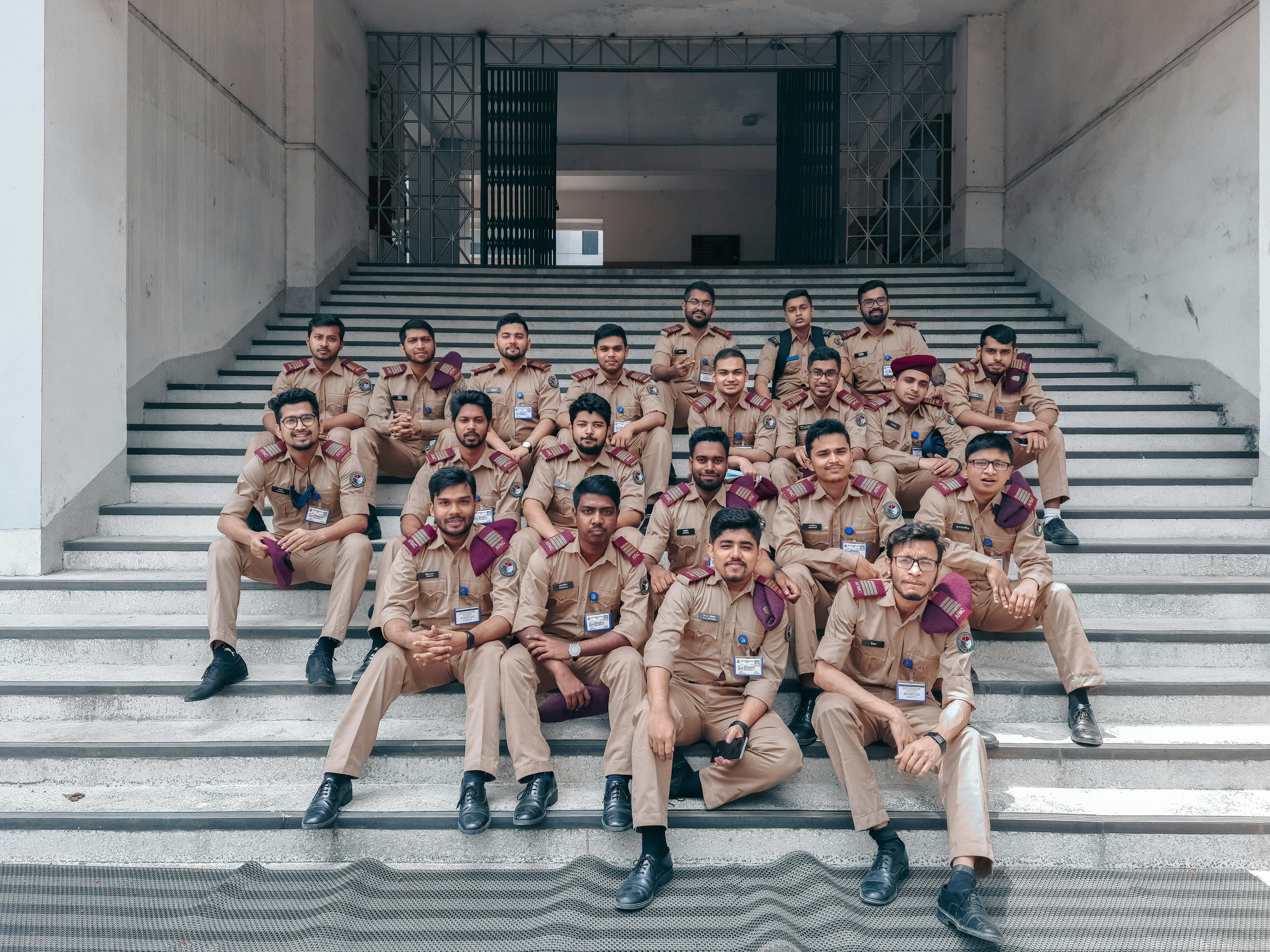
For students and families seeking a structured, disciplined, and leadership-focused educational environment, military schools offer a unique pathway. These institutions are designed to foster academic excellence, character development, and physical fitness, preparing students for success in both military and civilian life. This guide explores what military schools entail, the different types available, and how to find the closest one to you in 2025.
Understanding Military Schools
Military schools, at their core, are educational institutions that integrate military principles and practices into their curriculum and daily operations. This often includes:
- Rigorous Academics: A strong emphasis on academic achievement, often with advanced coursework and a focus on STEM fields.
- Discipline and Structure: A highly structured daily schedule, adherence to rules, and emphasis on personal responsibility and accountability.
- Leadership Development: Opportunities to cultivate leadership skills through various roles, training, and a hierarchical system.
- Character Building: Instilling values such as honor, integrity, respect, courage, and commitment.
- Physical Fitness: Regular physical training and emphasis on maintaining a healthy and active lifestyle.
- Uniforms and Regimental Life: Students typically wear uniforms and adhere to a disciplined lifestyle akin to military service.
These schools are not solely for students intending to pursue a military career; the skills and values learned are transferable and beneficial for any path in life. Many graduates go on to successful careers in diverse fields, equipped with strong leadership, time management, and problem-solving abilities.
Types of Military Educational Institutions
The term “military school” can encompass a range of institutions, each with distinct characteristics and purposes:
Service Academies
These are the most well-known military institutions, offering a fully funded, four-year college education in exchange for a commitment to serve in the military after graduation. The five U.S. Service Academies are:
- United States Military Academy (West Point), West Point, NY
- United States Naval Academy, Annapolis, MD
- United States Air Force Academy, Colorado Springs, CO
- United States Coast Guard Academy, New London, CT
- United States Merchant Marine Academy, Kings Point, NY
Admission to these academies is highly competitive, requiring strong academic records, leadership potential, physical fitness, and often a congressional nomination. For instance, West Point’s acceptance rate is around 12%, with a strong emphasis on academic performance, standardized test scores (SAT/ACT), extracurricular activities, and leadership experience.
Senior Military Colleges
These are four-year institutions that offer bachelor’s degrees and have a Reserve Officers’ Training Corps (ROTC) program. Students can choose to be civilians or cadets, with cadets participating in a Corps of Cadets that mirrors the rigorous training of service academies. Graduates can choose to enter the military or pursue civilian careers. Examples include Virginia Military Institute (VMI) and The Citadel.
Tuition at senior military colleges can range from $20,000 to $50,000 annually, though ROTC scholarships can significantly offset these costs.
Military Junior Colleges
These are two-year institutions that offer associate’s degrees and often participate in the Army’s Early Commissioning Program, allowing cadets to become commissioned officers in the Army Reserves after two years. They provide a structured environment for students transitioning from high school to college and military service.
Military High Schools and Preparatory Schools
These institutions cater to students in grades 7-12, providing a college-preparatory education within a military framework. They focus on developing discipline, leadership, and academic skills to prepare students for higher education, including service academies or ROTC programs.
Tuition for these college-preparatory military boarding schools typically ranges from $25,000 to over $60,000 per year, with a median cost of approximately $46,200 in 2025. However, financial aid and scholarships can significantly reduce the actual cost for many families.
Junior Reserve Officers’ Training Corps (JROTC)
JROTC programs are available in many high schools across the United States. These programs are federally funded and administered by the armed forces, aiming to instill values of citizenship, service, and personal responsibility.
JROTC offers a foundational understanding of military structure and values without requiring a commitment to military service. Students can often participate even if their own high school does not have a JROTC program by joining a unit at a nearby school.
As of FY2024, there were over 3,500 JROTC units nationwide, with significant enrollment in Army, Navy, Air Force, and Marine Corps programs.
Finding the Closest Military School
To find the closest military school, consider the following steps:
1. Define Your Educational Goals
Are you seeking a four-year degree with a military commission (Service Academy or Senior Military College), a preparatory high school experience, or a foundational understanding of military principles (JROTC)? Your goals will narrow down the types of institutions to consider.
2. Utilize Online Search Tools
Use search engines with specific keywords such as “military schools near me,” “military boarding schools [your state],” or “JROTC programs in [your city/county].” Websites like Military Schools USA and directories of ROTC programs can be invaluable resources.
3. Consider Geographic Proximity
Once you have identified potential institutions, check their locations. Many military boarding schools are located across the country, with a significant number in states like Virginia, New York, and California.
4. Explore ROTC Programs at Civilian Universities
If your interest lies in pursuing a college degree and a military commission without attending a service academy, explore ROTC programs at traditional universities. Over 1,700 colleges and universities in the U.S. offer ROTC programs.
5. Research Admissions Requirements and Costs
Each type of military institution has specific admissions criteria. Service academies require rigorous academic and physical qualifications, often including a congressional nomination. Military boarding schools have their own application processes, and tuition can vary significantly, though financial aid is often available.
Benefits of a Military Education
Attending a military school or participating in ROTC/JROTC offers numerous advantages:
- Enhanced Leadership Skills: Military environments are designed to cultivate leaders.
- Improved Discipline and Time Management: Structured schedules foster self-discipline and effective time management.
- Character Development: Emphasis on core values like integrity, respect, and responsibility.
- Academic Excellence: Many military schools offer challenging academic programs that prepare students for higher education.
- Physical Fitness: A focus on health and physical conditioning.
- Career and Educational Opportunities: Direct pathways to military service or a strong foundation for civilian careers.
Recent Trends in Military Education (2024-2025)
The landscape of military education continues to evolve. Key trends for 2024-2025 include:
- Technological Integration: Increased use of technology, simulation, and modern equipment in training and education.
- Focus on AI and Drones: Military institutions are adapting curricula to incorporate advancements in artificial intelligence and drone technology.
- JROTC Expansion: Efforts are underway to expand JROTC programs in high schools, potentially increasing access for more students.
- Emphasis on Holistic Development: A continued focus on developing the “whole person” – mind, body, and spirit – through a balance of academics, character, and physical training.
Whether you are considering a service academy, a senior military college, a preparatory high school, or a JROTC program, military education offers a distinctive path toward personal growth and future success. By understanding your options and researching thoroughly, you can find the military school that best aligns with your aspirations.