The Enduring Appeal of Military Haircuts: Style, Discipline, and Functionality
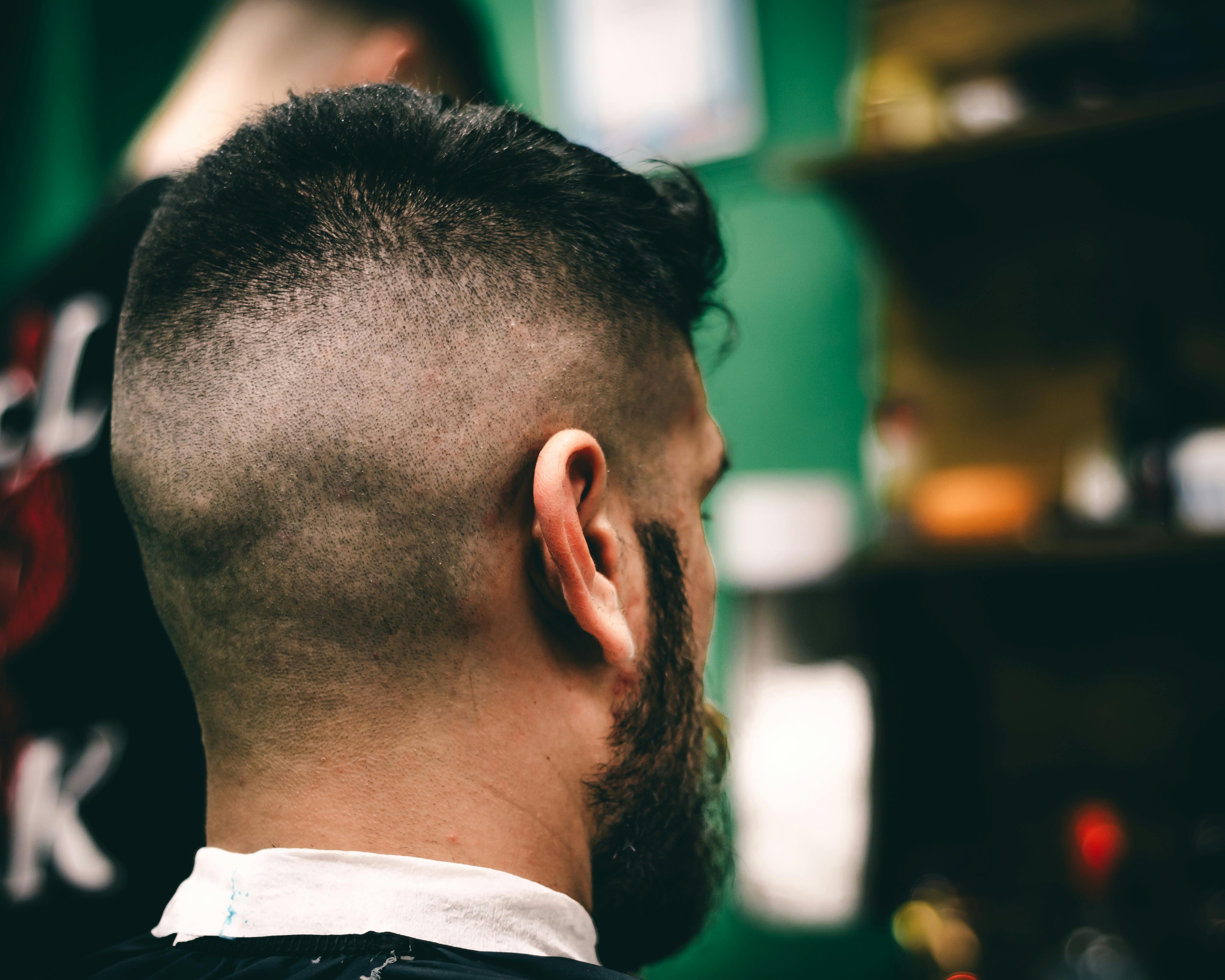
Military haircuts, characterized by their clean lines, practicality, and emphasis on uniformity, have transcended their origins to become a significant influence on contemporary men’s fashion. From the historical necessity of short hair for hygiene and combat readiness to the modern aesthetic appeal, these styles continue to resonate with individuals seeking a sharp, low-maintenance, and disciplined look. This article explores the rich history, diverse styles, evolving regulations, and lasting impact of military haircuts.
A Historical Perspective: From Wigs to Buzz Cuts
The evolution of military haircuts is deeply intertwined with the history of warfare and societal norms. In the 18th century, during the American Revolution, powdered wigs were common among European officials, and American army officers often followed suit. However, for infantry soldiers who couldn’t afford wigs, longer hair was the norm. By the Civil War, hairstyles became shorter, and facial hair, such as elaborate mustaches and sideburns, became more prominent.
World War I marked a pivotal shift with the mandatory requirement for clean-shaven faces and hair no longer than one inch. This was driven by the critical need for gas masks to seal properly against chemical warfare and to promote hygiene among troops in close quarters. The practicality of short hair also extended to preventing enemies from grabbing it during close-quarters combat. The buzz cut, in particular, gained prevalence during this era for its hygiene benefits and its ability to curb the spread of lice.
The mid-20th century saw further standardization, with styles like the “High and Tight” becoming synonymous with military service. This style, characterized by very short sides and back with a slightly longer top, offered a sharp, uniform appearance. Even during World War II, paratroopers famously sported mohawks as a psychological tactic to intimidate the enemy.
In recent decades, while grooming standards have seen some relaxation, particularly to accommodate diverse religious beliefs and cultural expressions, the core principles of neatness, uniformity, and practicality remain. For instance, as of 2021, the U.S. Army revised its regulations to allow for more flexibility in hairstyles for women, including braids, twists, and locks, while men’s styles continue to emphasize tapered appearances and conservative lengths.
Common Military Haircut Styles and Their Characteristics
Military haircuts are renowned for their clean, functional, and often minimalist aesthetic. Several iconic styles have become staples within armed forces worldwide:
- Buzz Cut: This is perhaps the most recognizable military haircut. It involves uniformly short hair all over the head, achieved with clippers. Variations include the induction buzz cut (extremely short, often the first cut for recruits), the burr cut (slightly longer than induction), and the butch cut. The buzz cut is celebrated for its extreme low maintenance and clean appearance.
- High and Tight: A classic military-inspired style, the high and tight features very short or shaved sides and back, with a slightly longer section of hair on top. This creates a distinct contrast and a sharp, defined look.
- Crew Cut: A timeless and versatile style, the crew cut features short sides and back that taper upwards, with slightly longer hair on top. This allows for some styling flexibility, such as a slight texture or a subtle comb-over. It’s considered athletic and patriotic, with roots in World War II.
- Flat Top: Characterized by a leveled, flat surface of hair on top, the flat top is a vintage military style that requires precision to maintain. The sides and back are typically cut short and tapered.
- Regulation Cut: This term often refers to a conservative, neat haircut that adheres strictly to military grooming standards, typically involving tapered sides and a neat top.
- Ivy League: Essentially a longer version of the crew cut, the Ivy League offers more length on top, allowing for styling options like a side part or a subtle pompadour. It gained popularity among students and maintains a neat, tidy appearance.
- Caesar Cut: A short, classic cut with a horizontal fringe across the forehead, the Caesar cut has historical military associations, with some accounts suggesting its use in ancient Rome for strategic advantages.
Military Haircut Regulations: Uniformity, Safety, and Branch Differences
Adherence to grooming standards is paramount in the military, serving to foster discipline, uniformity, and a professional image. While general principles apply across branches, specific regulations can vary:
- General Standards: Haircuts must generally be neat, clean, and conservative, avoiding extreme or faddish styles. Hair should not obstruct vision or interfere with the proper wear of headgear or protective equipment, such as gas masks.
- Branch-Specific Rules:
- Army: Regulations emphasize a tapered appearance, with hair conforming to the head’s shape. Hair should not fall over ears or eyebrows, nor touch the collar.
- Navy: Hair must be neat, well-groomed, and not touch the ears or collar. Bulk and length are restricted, and styles must allow for proper headgear fit.
- Air Force: Airmen have slightly more flexibility, but hair must still be tapered and not touch the ears or collar. Bulk is limited, and styles must not interfere with headgear.
- Marines: Known for having some of the strictest grooming standards, Marines typically sport very short, clean cuts like the high and tight, ensuring hair does not touch the ears or collars.
- Facial Hair: Generally, beards and mustaches are prohibited, with exceptions for medical reasons or religious accommodations. Clean-shaven faces are typically required to ensure the proper seal of protective gear.
- Recent Changes: In recent years, some branches have updated regulations to be more inclusive. For example, the U.S. Army’s 2021 updates allowed for more diverse hairstyles for women and addressed issues related to natural hair textures for Black service members.
The Impact of Military Haircuts on Mainstream Culture
The influence of military haircuts extends far beyond the barracks. Styles like the buzz cut and the high and tight have been adopted by civilians for their aesthetic appeal and ease of maintenance. Celebrities, athletes, and fashion-forward individuals frequently sport these cuts, demonstrating their enduring popularity and versatility.
The emphasis on precision, clean lines, and a disciplined appearance inherent in military grooming has translated into a broader appreciation for well-maintained hairstyles in professional and casual settings alike. Military-inspired cuts offer a sense of ruggedness, confidence, and timeless style that appeals to a wide audience.
Maintaining a Military Haircut
To keep a military haircut looking sharp and adhering to standards, regular maintenance is key. This typically involves visiting a barber every 2-4 weeks, depending on hair growth rate and the specific style. For styles like the buzz cut, at-home maintenance with clippers is also feasible. Using appropriate hair products, such as matte clay or pomade for texture and hold, can help maintain the desired look without appearing overly styled.
Conclusion
Military haircuts represent a unique blend of history, discipline, and style. From their practical origins in ensuring hygiene and combat readiness to their current status as fashion-forward statements, these cuts continue to evolve while retaining their core appeal. Whether chosen for their low-maintenance nature, their sharp aesthetic, or their connection to a tradition of service, military haircuts remain a powerful symbol of order, precision, and enduring masculine style.