The Military Draft: A Comprehensive Overview
The concept of a military draft, or conscription, has a long and complex history in the United States and around the world. It involves the mandatory enlistment of citizens into the armed forces, typically during times of war or national emergency. While the United States has operated under an all-volunteer military force since 1973, the Selective Service System (SSS) remains in place as a contingency measure, requiring male citizens and residents aged 18 to 25 to register. Recent legislative proposals and global geopolitical shifts have reignited discussions about the potential return of a draft.
Historical Context of the Military Draft in the U.S.
The United States has utilized conscription in several major conflicts throughout its history. The earliest forms of mandatory service were seen during the Revolutionary War and the Civil War, where both the Union and Confederacy resorted to drafts to bolster their ranks when voluntary enlistment proved insufficient.
Early Conscription Efforts
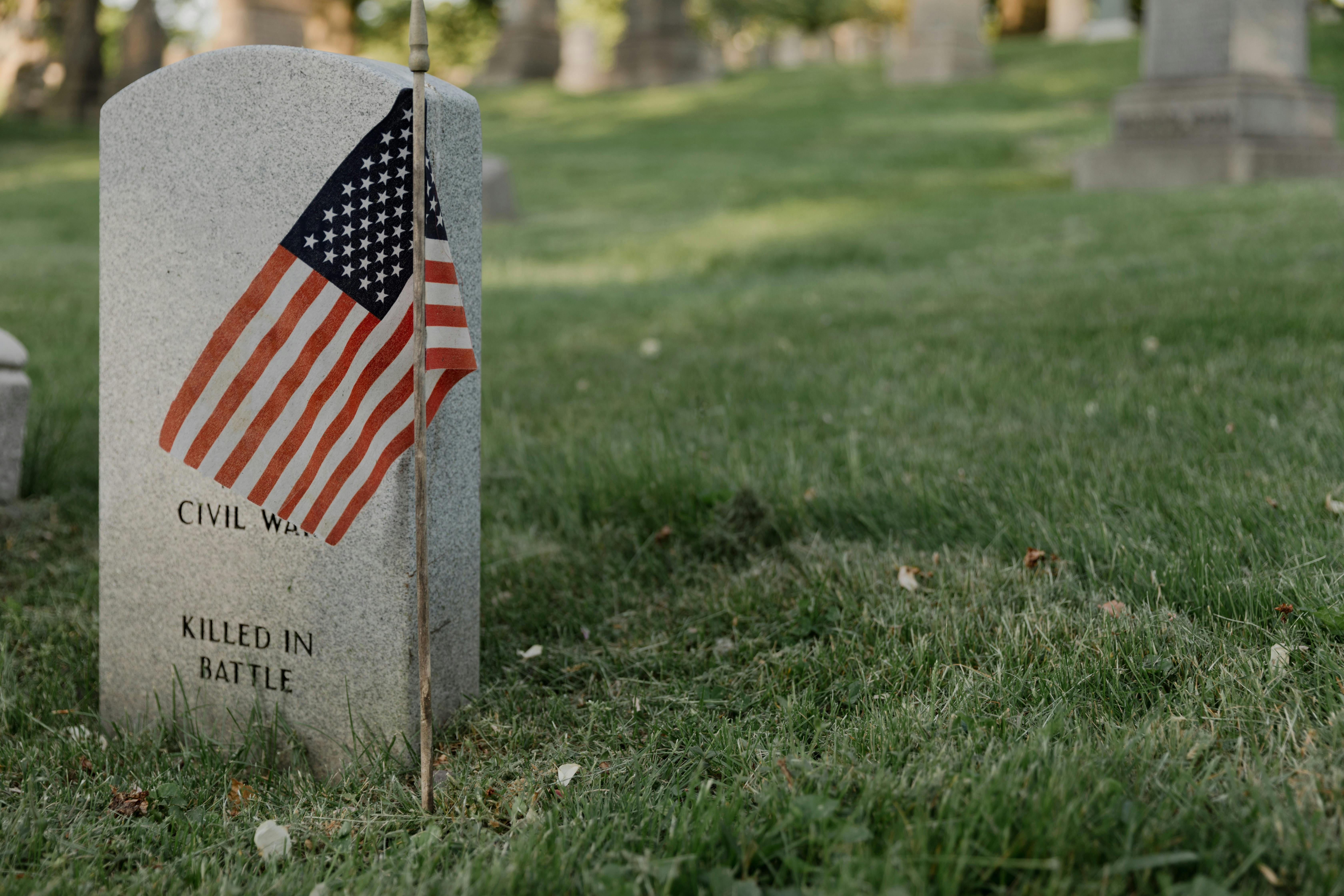
During the Civil War, conscription laws were enacted by both sides, though they were often unpopular and led to significant resistance, including draft riots in New York City in 1863.
World War I and the Establishment of the Selective Service System
The first national draft in the U.S. was implemented during World War I with the Selective Service Act of 1917. This legislation established the Selective Service System (SSS), an independent federal agency tasked with managing the draft. The system was designed to register men aged 21 to 30, and it played a crucial role in mobilizing troops for the war effort.
Peacetime Draft and World War II
The Selective Training and Service Act of 1940 marked the first peacetime draft in U.S. history, enacted in response to rising global tensions. This law required all men between the ages of 21 and 35 to register. As World War II progressed, the draft age was lowered, and the system became instrumental in filling the massive manpower needs of the conflict.
The Korean War and Vietnam War Eras
Conscription continued through the Korean War and the Vietnam War. During the Vietnam era, the draft became increasingly controversial, leading to widespread protests and a significant anti-war movement. The last draft call in the U.S. occurred in 1973, and the military transitioned to an all-volunteer force shortly thereafter.
The Selective Service System Today
Although the U.S. military is an all-volunteer force, the Selective Service System (SSS) remains operational. Its primary mission is to maintain a database of registered individuals who could be called for military service in the event of a national emergency or a congressionally authorized draft.
Registration Requirements
Currently, all male U.S. citizens and male immigrants residing in the United States between the ages of 18 and 25 are legally required to register with the SSS within 30 days of their 18th birthday. Failure to register can result in penalties, including fines, imprisonment, and ineligibility for certain federal benefits like student loans or federal employment.
Modernization Efforts and Legislative Proposals
In recent years, there have been efforts to modernize the SSS registration process. A proposal considered in the House Armed Services Committee for the Fiscal Year 2025 National Defense Authorization Act (NDAA) aimed to automate draft registration by integrating it with existing federal databases. This would ensure that all eligible men are automatically registered, aiming for higher compliance rates and reduced administrative costs.
While some legislative proposals have suggested expanding registration to women, these have not been enacted.
Arguments for and Against the Military Draft
The debate surrounding the military draft involves various arguments concerning fairness, effectiveness, economic impact, and individual liberty.
Arguments in Favor of a Draft
- Equity and Shared Sacrifice: Proponents argue that a draft ensures a more equitable distribution of military service, preventing a disproportionate burden on any single segment of society. It embodies the principle of shared sacrifice for national defense.
- Manpower Needs: In times of significant conflict or national emergency, a draft can provide the necessary manpower that an all-volunteer force might struggle to meet.
- Balanced Representation: A draft can lead to a military force that better reflects the demographic diversity of the nation in terms of skills, age, education, and race.
- National Unity and Civic Duty: Some believe that mandatory service fosters a stronger sense of national unity and reinforces the concept of civic duty among citizens.
Arguments Against a Draft
- Individual Liberty and Freedom of Choice: Critics argue that conscription infringes upon individual liberty by forcing citizens into military service against their will, limiting their freedom to choose their career paths.
- Economic Inefficiency: A draft can be economically inefficient, as it may pull individuals away from more productive civilian roles and may involve lower pay for conscripts compared to volunteers, potentially impacting the overall economy.
- Effectiveness of an All-Volunteer Force: Many argue that a professional, all-volunteer military force is more effective, motivated, and skilled than a conscripted force, especially in modern, technologically advanced warfare.
- Morale and Training Issues: A conscripted force may suffer from lower morale and require more extensive and costly training, as individuals may not be as committed or suited for military life as volunteers.
- Potential for Bias: Historically, draft systems have faced criticism for potential biases in deferments and exemptions, which could disproportionately affect individuals from lower socioeconomic backgrounds or minority groups.
International Perspectives on Conscription
Many countries around the world continue to maintain systems of conscription, while others have moved towards or maintained all-volunteer forces. The geopolitical climate in recent years has led some European nations to reconsider or reintroduce mandatory military service.
European Trends
Several European countries, including Austria, Denmark, Estonia, Finland, Greece, Latvia, Lithuania, Norway, and Sweden, currently have some form of conscription. Croatia is set to reintroduce compulsory military service in 2025.
The ongoing conflict in Ukraine and broader geopolitical instability have prompted discussions and policy shifts regarding military service in Europe. Some countries are even considering expanding conscription to include women.
Global Practices
Countries like South Korea, Israel, and Singapore also have mandatory military service, with varying lengths of service and conditions.
The Future of the Draft in the United States
As of August 2025, the United States maintains an all-volunteer military force, and there are no active plans to reinstate a general draft.
However, the Selective Service System’s continued existence and recent legislative proposals to automate registration indicate a preparedness for potential future needs. The debate over conscription remains a recurring topic, influenced by national security concerns, economic considerations, and the evolving nature of warfare. Any decision to reinstate a draft would require significant legislative action by Congress and the President.