Understanding Military Ranks: A Comprehensive Guide
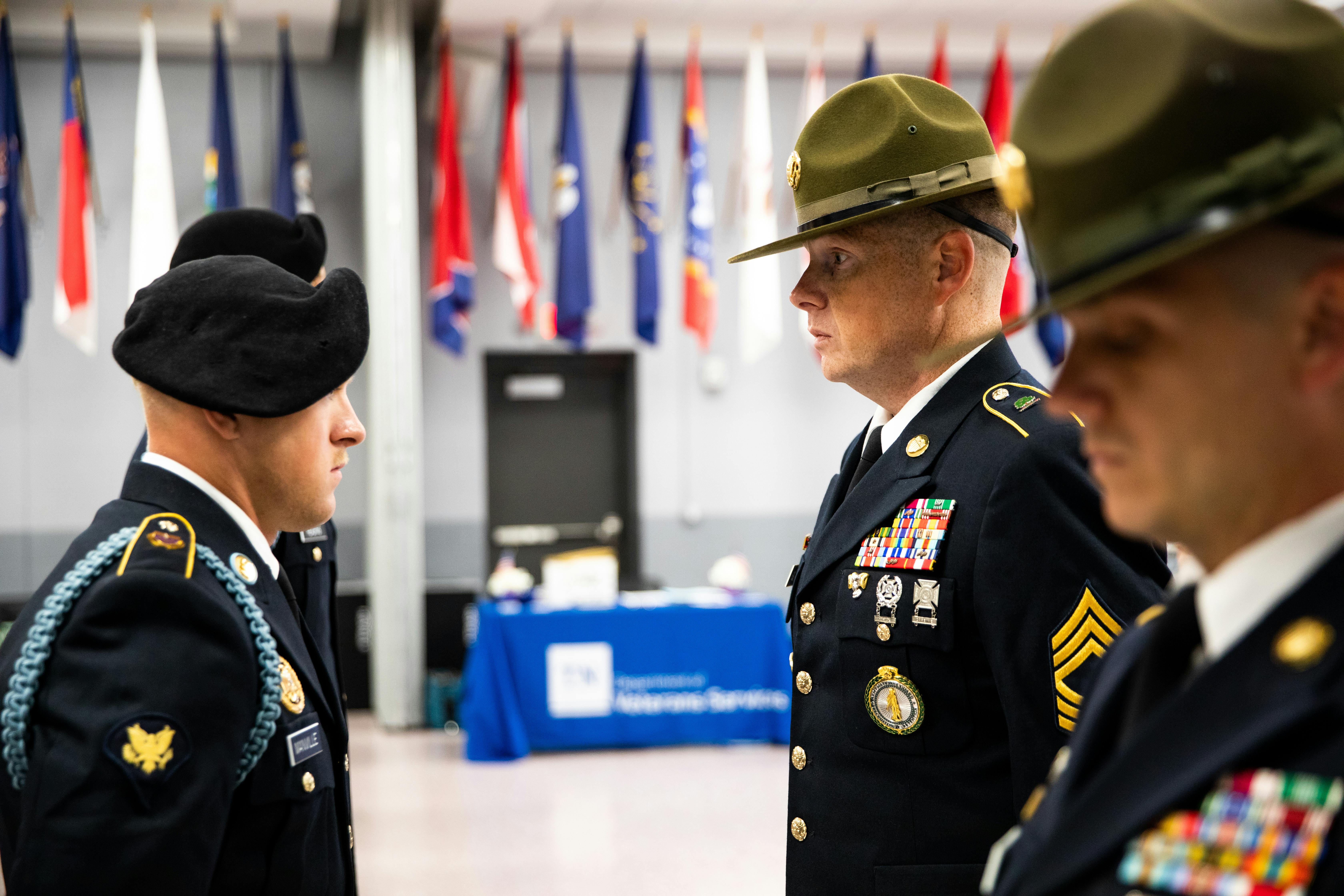
Military ranks form the backbone of any armed force, establishing a clear hierarchy of authority, responsibility, and expertise. This intricate system dictates who salutes whom, but more importantly, it signifies a service member’s level of leadership and the trust placed in them to manage personnel, equipment, and critical missions. While the specific titles and insignia may vary across nations and branches, the fundamental purpose of military ranks remains consistent: to ensure effective command, control, and operational efficiency.
The Structure of Military Ranks
Military rank structures are typically divided into three main categories: enlisted personnel, warrant officers, and commissioned officers. Each category represents a distinct career path and level of responsibility within the armed forces.
Enlisted Ranks
Enlisted personnel form the largest segment of any military. They are the backbone of operations, performing a wide array of technical, operational, and support roles. Advancement within the enlisted ranks is generally based on a combination of time in service, performance, specialized training, and demonstrated leadership potential. In the U.S. Army, for example, enlisted ranks range from Private (E-1) to Sergeant Major of the Army (E-9S).
- Junior Enlisted (E-1 to E-4): This category includes entry-level positions such as Private, Private First Class, Specialist, and Corporal. These service members are typically focused on acquiring foundational skills and gaining experience.
- Non-Commissioned Officers (NCOs) (E-4 to E-6): Ranks like Sergeant and Staff Sergeant signify the first levels of leadership within the enlisted force. NCOs are responsible for training, mentoring, and leading junior enlisted personnel.
- Senior Non-Commissioned Officers (SNCOs) (E-7 to E-9): This group includes ranks such as Sergeant First Class, Master Sergeant, First Sergeant, and Sergeant Major. SNCOs are highly experienced leaders who serve as advisors to commanders and mentors to junior ranks.
Warrant Officers
Warrant officers are a unique category of military personnel who serve as technical experts and specialized leaders. They often begin their careers as enlisted members and are selected for their advanced technical knowledge and leadership potential. Warrant officers typically bridge the gap between enlisted and commissioned officers, providing specialized expertise in areas such as aviation, intelligence, or logistics.
Commissioned Officers
Commissioned officers hold the highest ranks in the military, possessing presidential commissions and being confirmed by the Senate. They are responsible for overall command, strategic planning, and the leadership of large formations. Officer ranks are generally categorized into company grade, field grade, and general/flag officers.
- Company Grade Officers (O-1 to O-3): This group includes Second Lieutenant, First Lieutenant, and Captain. They typically serve as platoon leaders, executive officers, and company commanders, working closely with NCOs and enlisted personnel.
- Field Grade Officers (O-4 to O-6): These ranks, including Major, Lieutenant Colonel, and Colonel, hold mid- to senior-level command and staff positions. They manage broader responsibilities, oversee staff sections, and influence policy and operations.
- General Officers (O-7 and above): This highest tier includes ranks such as Brigadier General, Major General, Lieutenant General, and General. General officers lead large-scale operations and strategic planning at the corps level and above.
NATO Rank Codes and International Comparisons
The North Atlantic Treaty Organization (NATO) has established a standard rank scale to facilitate interoperability and understanding among member nations’ armed forces. These codes, outlined in STANAG 2116, use “OF” for officer ranks (OF-1 to OF-10) and “OR” for other ranks (OR-1 to OR-9).
While NATO codes provide a framework for comparison, significant variations exist in specific titles, insignia, and the exact responsibilities associated with each rank across different member countries. For instance, the U.S. system has a distinct warrant officer category, which is not uniformly present in all NATO nations. Challenges in standardizing rank structures arise from differing national traditions, legal frameworks, service cultures, and promotion systems.
Historical Evolution of Military Ranks
The concept of military ranks has evolved significantly over centuries. Early armies often had simpler hierarchies, with social status playing a more direct role in rank. The development of professional armies led to more formalized rank structures, allowing for advancement based on merit and experience.
The origins of modern officer ranks can be traced back to the practice of royal commissions, often granted to nobility. The sergeant major, initially a senior enlisted role, evolved into the commissioned rank of sergeant major general, with the “sergeant” eventually being dropped from the title.
Insignia have also played a crucial role in denoting rank throughout history, evolving from simple sashes and cockades to the complex shoulder boards, chevrons, and badges used today.
Recent Developments and Trends (2024-2025)
Discussions and proposals for modernizing military rank structures are ongoing. Some experts advocate for a more unified hierarchy that moves away from the traditional officer-enlisted divide, promoting continuous vertical mobility and a greater emphasis on merit and function over rigid adherence to traditional categories. The goal is to create a more agile and effective force that can better adapt to the complexities of modern warfare, particularly in joint operations with allied nations.
These modernization efforts aim to address challenges such as potential confusion in command relationships, career progression bottlenecks, and the need to attract and retain top talent from both within and outside the military.
Key Takeaways
- Military ranks establish a clear hierarchy of authority and responsibility.
- Ranks are generally categorized into enlisted, warrant officer, and commissioned officer tiers.
- NATO provides a standardized rank code system (OF and OR) for member nations, though specific titles and insignia vary.
- The historical evolution of ranks reflects changes in military organization, professionalism, and societal structures.
- Ongoing discussions focus on modernizing rank structures to improve agility, meritocracy, and interoperability in contemporary and future conflicts.