The Pillars of Order: A Comprehensive Look at Military Police
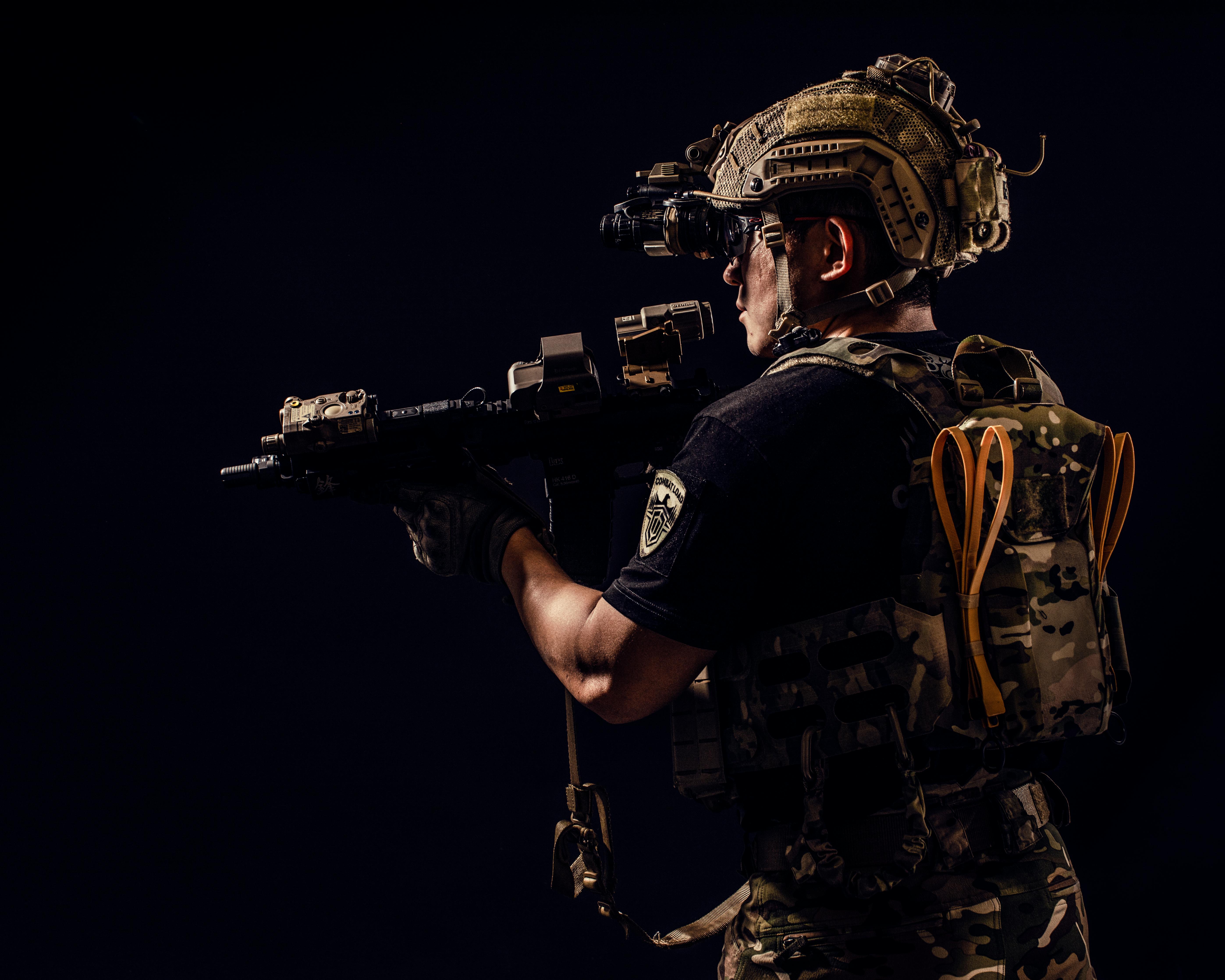
Military police (MPs) are the law enforcement arm of a nation’s armed forces, tasked with maintaining order, enforcing military law, and ensuring the security of personnel and installations. Their role is multifaceted, extending from routine policing duties on military bases to critical support functions during combat operations. With a history that parallels the development of organized military forces, military police have evolved into a vital component of national defense and security worldwide.
The Historical Evolution of Military Police
The concept of military policing can be traced back centuries, with early forms of provost marshals responsible for maintaining discipline and order within armies. In the United States, the need for such a force was recognized early in the nation’s history. George Washington requested a Provost Marshal to address discipline in the Continental Army, leading to the appointment of William Marony as the first Provost Marshal in January 1776. Congress established the Provost Corps on May 20, 1778, later known as the Marechaussee Corps, which served until its disbandment in November 1783.
In the United Kingdom, the Royal Military Police traces its traditions back to at least 1241. The modern history of the British military police began with a War Office circular in June 1855, which led to the formation of a Corps of Mounted Police. The term “police” was first used in a military context at this time. The Military Mounted Police became a distinct corps on August 1, 1877. In 1926, the Military Mounted Police and the Military Foot Police merged to form the Corps of Military Police.
Throughout history, military police have been instrumental in various conflicts, managing prisoners of war, controlling traffic, and maintaining discipline among troops. Their roles expanded significantly during major wars, such as World War I and World War II, where their numbers and responsibilities grew to meet the demands of large-scale military operations.
Core Roles and Responsibilities
The primary duty of military police is to maintain law and order within the armed forces. This encompasses a wide range of activities:
- Law Enforcement: Enforcing military laws and regulations, investigating crimes committed by military personnel, and operating confinement facilities.
- Force Protection: Safeguarding military personnel, equipment, and installations from threats, including terrorism, sabotage, and hostile attacks.
- Security Operations: Conducting area security, site security, and response operations to ensure the safety of bases and personnel.
- Mobility Support: Managing traffic control, route reconnaissance, and convoy security to facilitate the movement of military forces.
- Investigations: Conducting investigations into criminal activity, ranging from minor offenses to serious crimes, often working with specialized investigative units like the Criminal Investigation Command (CID).
- Corrections and Detention: Managing military prisoners and enemy combatants, operating detention facilities, and overseeing internment and resettlement operations.
- Intelligence Operations: Engaging in police intelligence operations to gather information and support security efforts.
- Combat Support: In wartime, military police often engage in combat as infantry, providing rear reconnaissance, screening, and supporting the main fighting force.
Military police are trained to uphold high legal and ethical standards, often navigating complex situations that require both law enforcement expertise and military discipline.
Training and Specializations
Becoming a military police officer requires rigorous training that combines military skills with specialized law enforcement instruction. Enlisted personnel typically undergo One Station Unit Training (OSUT), which integrates basic combat training with advanced individual training in police methods. This training can last around 20 weeks and covers essential skills such as law enforcement, intelligence collection, corrections, and detention operations.
Officer candidates undergo further training, including the Basic Officer Leader Course (BOLC), which focuses on leadership, tactics, and military police operations. The training equips them with the technical and tactical skills, physical fitness, and leadership qualities necessary to lead platoons and manage complex operations.
Within the Military Police Corps, there are various Military Occupational Specialties (MOS), each with distinct roles:
- Military Police (MOS 31B): The primary law enforcement and security role.
- Criminal Investigation Command (USACIDC) Special Agent (MOS 31D): Focuses on complex criminal investigations.
- Corrections and Detention Specialist (MOS 31E): Manages military prisoners and detention facilities.
- Military Working Dog Handler (MOS 31K): Utilizes canine units for various law enforcement and security tasks.
- Senior Military Police Sergeant (MOS 31Z): A leadership and supervisory role.
Specialized skills, such as investigative techniques, combat support operations, and specific areas like counterterrorism or cyber investigations, are acquired through on-the-job experience and advanced courses.
Military Police Across Different Branches and Nations
While the core mission of military police remains consistent, their specific designations and organizational structures can vary across different branches of the armed forces and among nations.
United States Military Branches
- U.S. Army: Known as the Military Police Corps, with roles ranging from installation policing to battlefield support.
- U.S. Marine Corps: Provost Marshal Offices and law enforcement battalions handle their policing duties.
- U.S. Navy: Masters-at-Arms (MAs) are responsible for law enforcement and force protection.
- U.S. Air Force: Security Forces (formerly Air Police and Security Police) handle law enforcement and security on Air Force installations.
- U.S. Coast Guard: Maritime Enforcement Specialists (MEs) focus on maritime law enforcement and security.
International Military Police
Many countries have their own military police forces, often modeled after British or American systems, or with unique historical traditions. Examples include:
- United Kingdom: The Corps of the Royal Military Police.
- Germany: Feldjäger (Field Jaegers) and Militärpolizei.
- France: The Gendarmerie Nationale, a paramilitary force with policing responsibilities.
- Italy: Carabinieri, a military police force with broad law enforcement duties.
- Canada: Canadian Forces Military Police.
- Australia: Australian Defence Force Investigative Service and Military Police.
- Japan: Japan Self-Defense Forces Military Police.
- South Korea: Military Police, often identified by specific insignia.
The specific responsibilities and jurisdictions of military police can differ significantly, with some forces focusing solely on internal military matters, while others, like many European gendarmeries, also have responsibilities for civilian policing.
Modern Challenges and Future Directions
Military police face a dynamic and evolving operational environment. Key challenges include:
- Jurisdictional Complexities: Coordinating responses with civilian law enforcement agencies can be complicated by differing jurisdictional laws and the high turnover rate of military personnel.
- Interoperability: Ensuring seamless communication and operational interoperability between military and civilian police forces remains an ongoing effort.
- Stress and Recognition: The demanding nature of the job, including exposure to violence, long hours, and a perceived lack of professional recognition, can contribute to high stress levels among military police officers.
- Adapting to New Threats: Military police must continuously adapt their training and tactics to address emerging threats, including cybercrime, asymmetric warfare, and evolving forms of terrorism.
- Force Structure Changes: In recent years, some military branches, like the U.S. Army, have undergone force structure changes that involve reductions in military police units and manpower, with a greater reliance on civilian police and a reallocation of critical capabilities to priority theaters.
Looking ahead, the Military Police Corps aims to enhance its professionalism and adapt to future challenges through strategic planning, focusing on core competencies such as soldiering, policing, investigations, and corrections. The emphasis is on developing versatile and skilled leaders who can operate effectively in complex environments, uphold the rule of law, and support the overall mission readiness of the armed forces.
In conclusion, military police are an indispensable element of any modern military force. Their dedication to duty, rigorous training, and adaptability ensure the security, discipline, and operational effectiveness of armed forces worldwide, both in times of peace and in the crucible of conflict.