Military Bases: The Pillars of National Defense
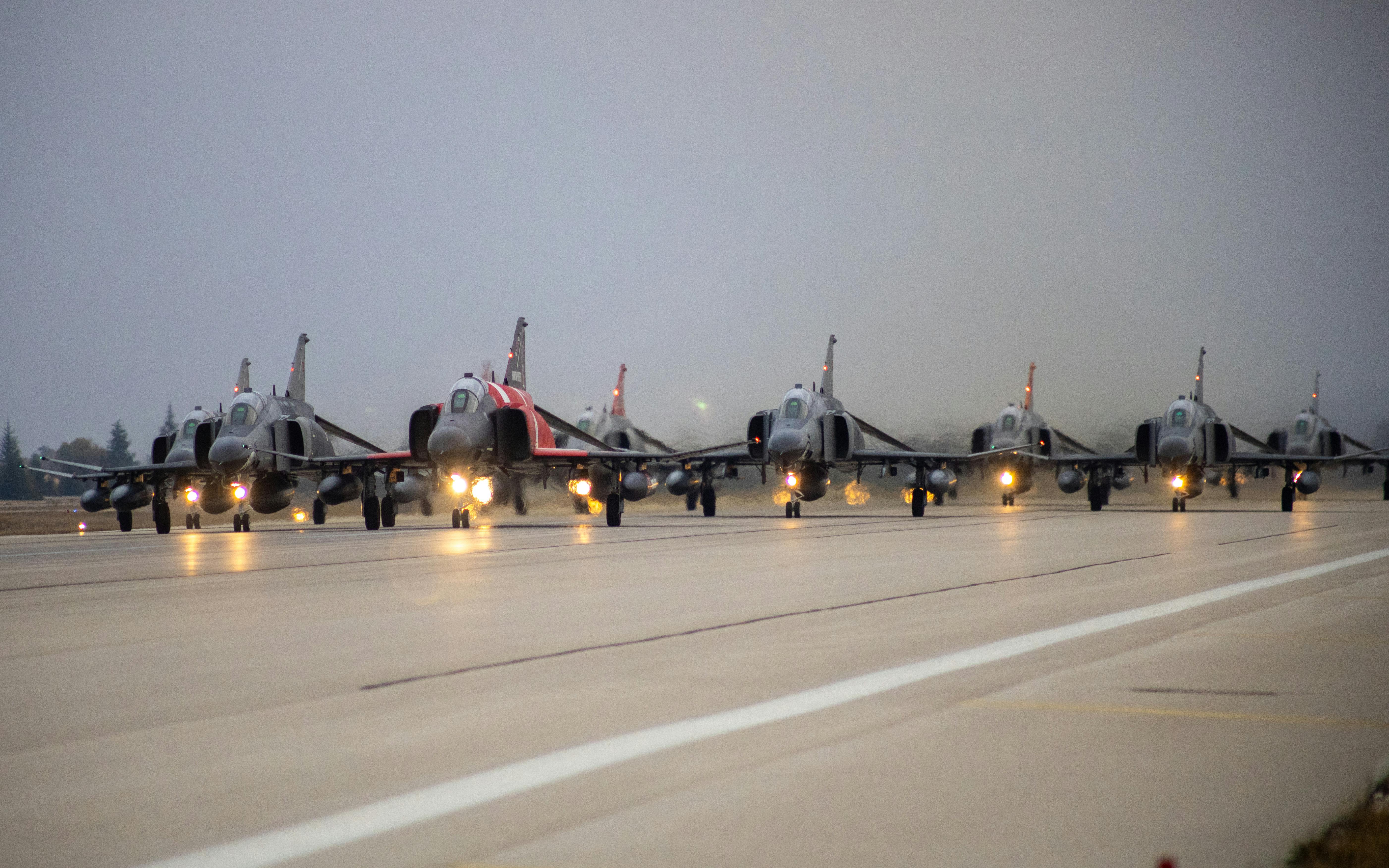
/search?p=purpose%20of%20military%20bases%20for%20national%20defense” target=”blank” rel=”nofollow noopener noreferrer”>purpose, their diverse military base functions explained.
The term “military base” is a broad umbrella that encompasses a remarkable variety of facilities, each tailored to specific military functions and geographical considerations. Understanding these different types provides a clearer picture of the military’s operational footprint:
Army Posts and Forts
Traditionally, Army bases are referred to as “posts” or “forts.” These are often large installations designed to house and train substantial ground forces. They typically include:
- Barracks: Housing facilities for soldiers.
- Training Ranges: Areas for live-fire exercises, tactical maneuvers, and field training.
- Vehicle Depots: Facilities for maintaining and storing tanks, armored vehicles, and other ground transportation.
- Command Centers: Headquarters for ground force commands.
- Logistical Support: Warehouses, repair shops, and supply depots.
Examples include Fort Bragg in North Carolina, known for its large airborne and special operations forces, and Fort Hood in Texas, a major armored cavalry and training center.
Naval Bases and Air Stations
Naval bases are designed to support naval operations, including the berthing, maintenance, and supply of warships and submarines. Air stations, on the other hand, are dedicated to aviation operations, supporting fighter jets, bombers, transport aircraft, and helicopters.
- Naval Bases: Feature piers, dry docks, repair facilities for ships, and housing for naval personnel. They are often located in coastal areas or along major waterways. Examples include Naval Station Norfolk in Virginia, the world’s largest naval station, and Naval Base San Diego.
- Air Stations: Include runways, hangars, aircraft maintenance facilities, air traffic control towers, and training simulators. Examples include Nellis Air Force Base in Nevada, a premier combat training range, and Naval Air Station Oceana in Virginia, a major hub for naval aviation.
Air Force Bases
Air Force bases are the backbone of air power, housing aircraft, support personnel, and the infrastructure necessary for air operations. These bases are critical for:
- Aircraft Operations: Featuring extensive runways, taxiways, and aprons for the operation of a wide range of aircraft.
- Maintenance and Repair: Sophisticated facilities for the upkeep and repair of aircraft, engines, and avionics.
- Training Facilities: Simulators, classrooms, and specialized training areas for pilots, aircrew, and ground support personnel.
- Command and Control: Headquarters for air combat commands and strategic air command.
Notable examples include Ramstein Air Base in Germany, a major hub for U.S. Air Forces in Europe, and Joint Base Andrews in Maryland, home to the Presidential aircraft.
Marine Corps Bases
Marine Corps bases are focused on training and deploying the expeditionary forces of the Marine Corps. These bases often emphasize amphibious assault training and the integration of air and ground operations.
- Amphibious Training: Facilities for practicing amphibious landings and operations from the sea.
- Combat Training: Rigorous training programs that prepare Marines for a wide range of combat scenarios.
- Logistical Support: Infrastructure to support the deployment and sustainment of Marine expeditionary units.. Find out more about purpose of military bases for national defense guide.
Key Marine Corps bases include Marine Corps Base Quantico in Virginia, home to the Marine Corps University, and Marine Corps Base Camp Lejeune in North Carolina, a major training and operational hub.
Specialized Facilities
Beyond these major branches, there are numerous specialized military installations:
- Intelligence and Communications Bases: Facilities focused on signals intelligence, electronic warfare, and secure communications.
- Research and Development Centers: Laboratories and testing grounds for advanced military technologies.
- Logistics and Supply Depots: Massive storage and distribution centers for military equipment and supplies.
- Training Ranges and Proving Grounds: Vast tracts of land used for testing new weapons systems and conducting large-scale military exercises.
- Forward Operating Bases (FOBs): Smaller, often temporary, bases established in or near combat zones to provide logistical support, command and control, and security for deployed forces.
- Naval Support Activity (NSA) Bases: Facilities that provide essential services to naval forces operating in a particular region, such as port services, housing, and recreational facilities.
The Multifaceted Functions of Military Bases
The operational capacity of a nation’s armed forces relies heavily on the diverse functions performed within its military bases. These functions extend far beyond simply housing troops and equipment; they are intricate systems designed to ensure readiness, efficiency, and effectiveness.
Personnel Management and Support
Military bases are microcosms of society, requiring comprehensive systems for managing and supporting the personnel who live and work there:
- Housing: Providing barracks, dormitories, and family housing to accommodate service members and their families.
- Medical Services: Operating hospitals, clinics, and specialized medical facilities to ensure the health and well-being of personnel.
- Education and Professional Development: Offering opportunities for continued education, specialized training, and career advancement.
- Morale, Welfare, and Recreation (MWR): Providing amenities such as commissaries, gyms, libraries, recreational facilities, and community support programs to enhance the quality of life for service members and their families.
- Childcare and Family Support: Offering essential services like childcare, counseling, and support networks for military families, recognizing their crucial role in service member retention and readiness.
Logistics and Supply Chain Management
The ability to sustain military operations, whether at home or abroad, hinges on robust logistics and supply chain management, with bases serving as critical nodes:
- Procurement and Distribution: Managing the acquisition, storage, and distribution of everything from food and fuel to ammunition and spare parts.
- Maintenance and Repair: Ensuring that all military equipment, from vehicles and aircraft to communication systems, is kept in optimal working order through regular maintenance and timely repairs.
- Transportation: Facilitating the movement of personnel and materiel through airfields, ports, railheads, and road networks.
- Inventory Management: Maintaining accurate records of all assets and ensuring that supplies are available when and where they are needed.
Command, Control, and Communications (C3). Find out more about types of military bases and their roles tips.
Effective military operations require seamless command, control, and communication, with bases serving as vital C3 centers:
- Headquarters: Housing the command structures that plan, direct, and coordinate military operations.
- Communication Networks: Operating secure and reliable communication systems, including satellite, radio, and fiber-optic networks, to ensure information flow.
- Intelligence Operations: Supporting intelligence gathering, analysis, and dissemination to inform decision-making.
- Cybersecurity: Protecting military networks and data from cyber threats.
Research, Development, and Testing
To maintain a technological edge, military bases are often home to facilities dedicated to research, development, and testing:
- Advanced Technology Development: Conducting research into new weapons systems, sensors, communication technologies, and other military innovations.
- Prototyping and Testing: Developing and rigorously testing new equipment and systems to ensure their effectiveness and reliability in operational environments.
- Simulation and Modeling: Utilizing advanced simulation tools to test strategies, tactics, and equipment performance in virtual environments.
Security and Force Protection
The security of personnel, equipment, and sensitive information is a paramount concern, with bases implementing stringent security measures:
- Physical Security: Employing perimeter defenses, access control points, surveillance systems, and armed guards to protect the base.
- Force Protection: Implementing measures to safeguard personnel from direct attack, terrorism, and other threats.
- Intelligence and Counterintelligence: Gathering intelligence on potential threats and implementing counterintelligence measures to protect against espionage and sabotage.
The Impact of Military Bases
The presence of a military base has a profound and multifaceted impact, extending beyond the immediate military community to influence the surrounding civilian population and the broader geopolitical landscape.
Economic Impact
Military bases are often significant economic engines for their surrounding communities:
- Job Creation: Directly employing a large number of military and civilian personnel, and indirectly supporting jobs in sectors such as construction, retail, and services.
- Local Spending: Military personnel and their families contribute to the local economy through their spending on goods and services.
- Infrastructure Development: The presence of a base can spur investment in local infrastructure, such as roads, utilities, and transportation networks.
- Government Contracts: Bases often award contracts to local businesses for a variety of goods and services, further boosting the local economy.
Social and Cultural Impact
Military bases can also have a significant social and cultural impact on their host communities:. Find out more about military training and readiness facilities strategies.
- Community Integration: Many bases actively engage with their surrounding communities through outreach programs, volunteer efforts, and shared events, fostering positive relationships.
- Demographic Shifts: The influx of military personnel and their families can alter the demographic makeup and cultural landscape of a region.
- Shared Values: The military’s emphasis on discipline, service, and patriotism can resonate with and influence local values.
- Challenges: Conversely, rapid growth associated with new bases or base expansions can sometimes strain local resources and infrastructure, leading to challenges in housing, schools, and traffic.
Environmental Considerations
The operations conducted on military bases can have environmental implications that require careful management:
- Land Use: The extensive land requirements for training ranges and operational facilities can impact natural habitats and land availability.
- Resource Consumption: Military operations often involve significant consumption of energy, water, and other natural resources.
- Pollution and Contamination: Activities such as live-fire exercises, vehicle emissions, and the storage of hazardous materials can lead to soil, water, and air contamination, necessitating rigorous environmental remediation efforts.
- Conservation Efforts: Many bases are actively involved in environmental conservation programs, managing vast tracts of land and protecting endangered species.
Geopolitical Significance
Military bases, particularly those located overseas, play a crucial role in a nation’s foreign policy and geopolitical standing:
- Alliance Building: Hosting bases for allied nations fosters strong diplomatic and military relationships.
- Regional Stability: The presence of bases can contribute to regional stability by deterring aggression and providing a platform for rapid response to crises.
- Power Projection: Overseas bases enable a nation to project its military power and influence into different regions of the world.
- Diplomatic Leverage: The ability to deploy forces from strategically located bases can provide significant diplomatic leverage in international negotiations.
The Future of Military Bases
The landscape of military operations is constantly evolving, driven by technological advancements, changing geopolitical threats, and evolving strategic doctrines. This evolution will undoubtedly shape the future of military bases:
- Technological Integration: Future bases will likely see increased integration of artificial intelligence, autonomous systems, advanced cybersecurity measures, and smart infrastructure.
- Resilience and Adaptability: Bases will need to be designed for greater resilience against cyberattacks, physical threats, and environmental challenges.
- Distributed Operations: A shift towards more distributed and networked operations may lead to a greater reliance on smaller, more agile, and potentially dispersed facilities.
- Sustainability: Growing emphasis on environmental sustainability will likely drive the adoption of renewable energy sources, water conservation measures, and more efficient resource management practices.
- Human-Machine Teaming: Bases will need to accommodate and support the integration of human personnel with advanced robotic and autonomous systems.
In conclusion, military bases are indispensable components of national defense, serving as the physical embodiment of a nation’s commitment to security, readiness, and global engagement. They are dynamic environments that adapt to the ever-changing demands of modern warfare, while also profoundly impacting the communities and economies that host them. Understanding the multifaceted nature of these vital installations provides crucial insight into the intricate machinery that underpins national security in the 21st century.