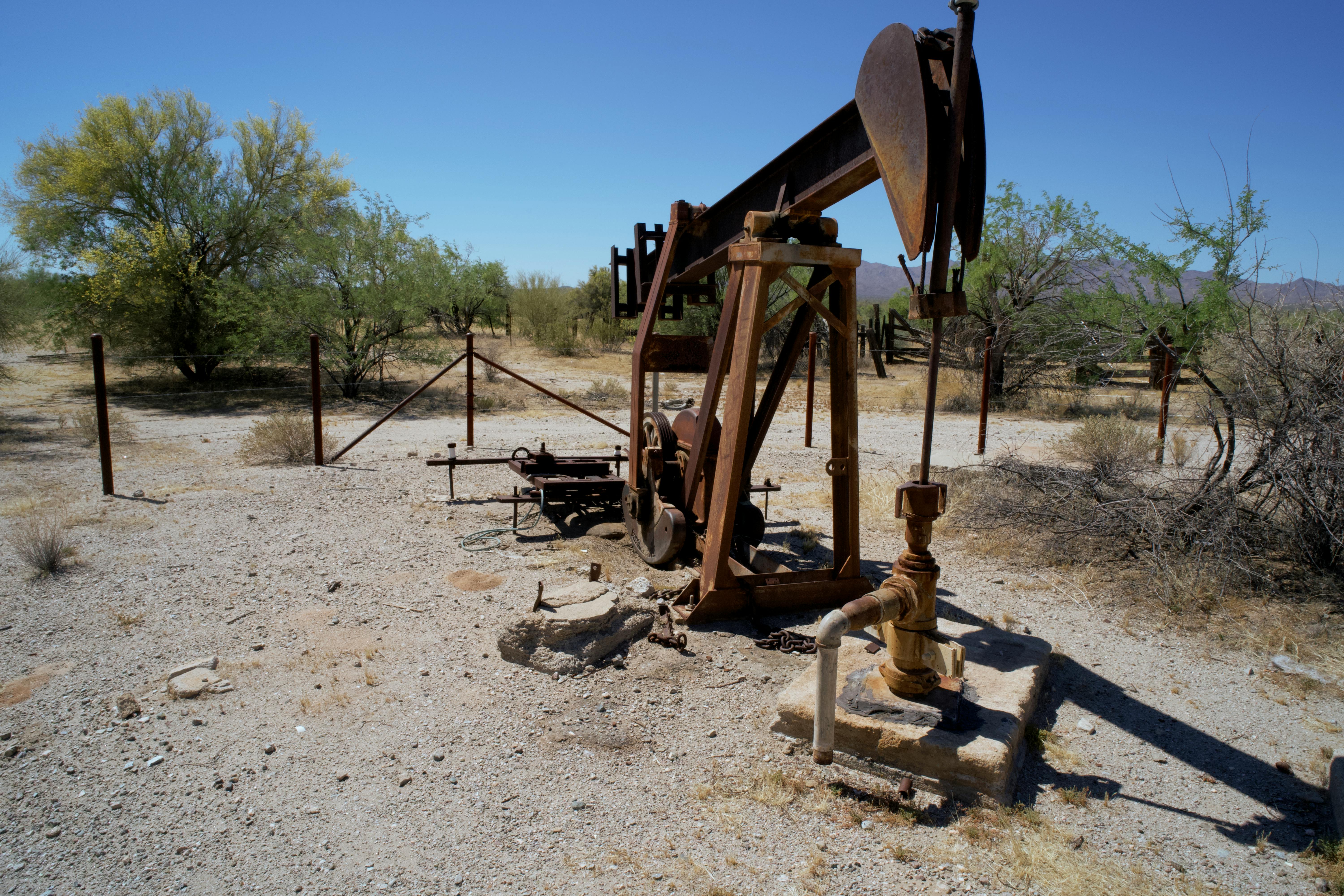
The Immediate Geopolitical Aftermath: A Transatlantic Front
The policy shift generated immediate and vigorous responses from all key stakeholders, confirming the gravity attached to targeting the energy sector as the fulcrum for resolving the conflict.
The White House Statement and the Call for Immediate Cessation of Hostilities
President Trump, while announcing the “tremendous sanctions” alongside NATO Secretary General Mark Rutte at the White House, expressed a hope that these severe measures would be short-lived, reiterating the administration’s ultimate desire for a peaceful conclusion. Secretary of the Treasury Scott Bessent continued this dual message, emphasizing that while the pressure was applied aggressively, the end goal remained a swift settlement to what he termed the “senseless war.” The administration sought to project an image of “maximum pressure for peace,” not merely protracted economic warfare. This action signaled a strategic exhaustion with diplomacy that had, up to that point, yielded no tangible reduction in conflict intensity.
Coordinated Action Across the Atlantic: The European Union Response
The American move was quickly complemented by a synchronized, albeit slightly different, escalation from the European Union. The twenty-seven-nation bloc moved forward with its nineteenth comprehensive package of measures specifically aimed at further crimping Moscow’s oil and gas revenues. This parallel action underscored a renewed transatlantic alignment on strategy. The EU package included a notable acceleration of a previously discussed ban on the import of Russian liquefied natural gas (LNG), advancing the cutoff date by a full year to the beginning of two-thousand twenty-seven (specifically, long-term contracts must cease by January 1, 2027). This demonstrates a shared recognition that denying war revenue requires hitting the entire energy complex—pipeline gas being largely curtailed already, the focus shifts to seaborne LNG.
The View from Kyiv: Endorsement of Pressure as Path to Peace. Find out more about Blocking sanctions on Rosneft and Lukoil Oil Company.
Official reaction from Kyiv was unequivocally positive. Ukraine’s leadership had long lobbied for such hard-hitting measures that struck at the heart of Russia’s primary revenue stream, viewing them as an indispensable element of their defense strategy. Ukraine’s ambassador to the United States formally welcomed the decision, stating it “fully aligns with Ukraine’s consistent position that peace can only be achieved through strength and by exerting maximum pressure on the aggressor using all available international instruments.” This sentiment reinforces the view that economic constriction is seen as the necessary prerequisite for meaningful political movement.
Moscow’s Calculated Response and Counter-Narrative
Unsurprisingly, the sanctions prompted immediate and forceful rebuttals from the Russian government, displaying elements of both defiance and strategic posturing aimed at domestic and international audiences.
Official Condemnation and Claims of Immunity
Russian Foreign Ministry spokeswoman Maria Zakharova swiftly denounced the new United States sanctions concerning Rosneft and Lukoil and their subsidiaries as “entirely counterproductive”. Simultaneously, the official line insisted that the measures would ultimately have minimal practical impact on Russia’s operations. This assertion was based on the claim that Moscow had successfully cultivated a “strong immunity” to the cumulative effect of Western sanctions imposed since the conflict began in two-thousand twenty-two. This narrative is a clear attempt to project resilience and downplay the severity of the action to internal audiences.
Warnings of Global Economic Instability. Find out more about Blocking sanctions on Rosneft and Lukoil Oil Company guide.
Beyond the direct defense of their own energy sector, Russian spokespersons broadened their critique, suggesting that the unilateral nature of the sweeping U.S. action posed a broader threat to the stability of the international financial architecture. Official commentary warned that such aggressive measures could ultimately “endanger global economic stability,” an attempt to sow doubt among non-aligned trading partners about the reliability of the U.S. as a steward of the global economy. Furthermore, some elements within the Russian political sphere sought to deflect blame by linking the current sanctions policy to the playbook of the preceding administration, an interesting piece of political deflection.
The Underlying Economic Calculus: Hitting the War Chest
The severity of the measures was directly proportional to the perceived economic leverage they held over the Russian state’s ability to sustain its war effort over the long term. To understand the *why*, we must look at the numbers.
Quantifying the Impact on Kremlin War Chest
Experts analyzing the Russian federal budget indicated that revenues derived from the energy sector—primarily oil and gas—account for a substantial portion of the nation’s total yearly income. While it was estimated to be around one quarter, recent analysis shows that as of mid-2025, oil and gas now make up **less than 25%** of federal income, a structural shift that makes the remaining revenue base more critical, but also more vulnerable to targeted hits like this. Constricting the operations and revenues of the two largest oil companies was calculated to place significant, sustained strain on the Kremlin’s ability to fund not just military expenditures, but also essential domestic services, thereby increasing internal pressure points. The move was viewed as designed to degrade the Kremlin’s capacity to replace materiel and support its operational tempo. If secondary sanctions are fully enforced, the loss of revenue could be equivalent to Russia’s annual military budget, highlighting why oil revenue is the key target.
The Significance of Rosneft and Lukoil in National Production
As mentioned, the selection of these two was predicated on their massive scale: together, they control a majority stake in all Russian oil production. Disrupting the flow of their exports—especially seaborne trade—is the critical leverage point. Analysts noted that if key importers like India and China scale back purchases, Rosneft and Lukoil will be forced to set steeper discounts to find other customers, meaning the *price* Russia realizes for its oil—not just the volume—will fall. This highlights a crucial takeaway for observers: the effectiveness hinges on enforcement against third parties.
Actionable Insight for Traders: If you are an international operator, immediate due diligence on your supply chains is non-negotiable. Reviewing compliance with US economic statecraft is now a core function, not an auxiliary one. Consider how to adjust your to account for the immediate USD transaction ban and the 50% ownership rule.. Find out more about Blocking sanctions on Rosneft and Lukoil Oil Company tips.
Analysis of Shifting Strategic Posture
These October sanctions represented a clear reorientation of the administration’s approach to the conflict, moving away from a policy that had, at times, been perceived as overly accommodating to Russian interests in the early months of the new term.
Departure from Earlier Conciliatory Overtures
The imposition of such strong measures stood in marked contrast to the administration’s initial framing, which often involved a visible attempt to woo President Putin toward a negotiated peace, sometimes at the perceived expense of Kyiv’s maximalist goals. Commentators noted that this decision marked the latest swing of the pendulum away from an approach focused on “coercing Kyiv to sue for peace” toward one of clear frustration with President Putin’s stated objectives and unwillingness to compromise on territory. The patience for a diplomatic handshake seems to have worn thin.
Historical Context of Sanctions as a Negotiating Lever. Find out more about Blocking sanctions on Rosneft and Lukoil Oil Company strategies.
This action aligned with recurring themes from the President’s prior foreign policy philosophy, where the threat or imposition of substantial tariffs and economic restrictions was often presented as the most direct path to securing a swift resolution. Prior to the sanctions, the administration had been observed publicly floating the idea of levying new tariffs until a ceasefire was achieved. This latest step confirmed a preference for leveraging economic leverage explicitly and aggressively to achieve immediate, specific diplomatic objectives, a stance Secretary Bessent had previously affirmed. For a deeper dive into how economic statecraft has historically been deployed in international disputes, you might find this analysis on insightful.
Anticipated Secondary and Tertiary Effects
Beyond the direct bilateral impact between the U.S. and Russia, analysts were closely monitoring how these severe restrictions would ripple through the complex global energy trade networks and affect Russia’s established evasion tactics.
Disruption to Global Energy Supply Chains and Buyer Behavior
One of the most immediate observable effects was the shifting behavior of major third-party purchasers. Reports surfaced quickly indicating that key importers, particularly large refining operations in nations like India, were likely to significantly curtail their purchases of Russian crude oil in the face of the new U.S. penalties, signaling a tangible reduction in available buyers for Moscow’s excess supply. This reduction in accessible markets directly translated into potential downward pressure on the realized price of Russian oil, further diminishing the revenue stream available to the Kremlin. The accompanying European Union measures targeting the “shadow fleet” of older vessels used to obscure oil shipments were intended to further complicate and increase the logistical cost of transporting Russian energy to willing buyers. Specifically, the EU added 117 vessels to its list, bringing the total number of designated ships to 558.
Practical Tip for Navigating Disruption: With key buyers pausing seaborne crude imports and logistical costs rising, the immediate fallout creates volatility. If your business relies on stable energy inputs, monitor crude price movements closely. The recent volatility in WTI crude suggests that while the market absorbed the initial shock with a rise, the long-term outlook depends on how effectively enforcement cuts off the remaining revenue streams, as noted by energy analysts.. Find out more about Blocking sanctions on Rosneft and Lukoil Oil Company overview.
Projections on Russia’s Sanctions Circumvention Capabilities
Despite the severity of the new designations, there remained a persistent analytical thread questioning the long-term effectiveness, based on historical precedent. Experts have repeatedly cautioned that the Kremlin has demonstrated significant organizational acumen in developing mechanisms to circumvent complex Western sanctions regimes over the years. The debate centers on whether the current, deeper restrictions on dollar transactions and asset ownership can overcome Russia’s established network of workarounds, or whether the country has truly built sufficient “strong immunity” to absorb the shock without fundamentally altering its military calculus. The flow of pipeline oil to China, which bypasses seaborne trade, remains a less vulnerable channel for now.
Future of Peace Efforts Amidst Heightened Pressure
The imposition of stringent sanctions creates a volatile new equilibrium in the diplomatic landscape, defining the parameters within which any future peace talks might commence, while the conflict itself continues unabated.
Lingering Interest in Bilateral Dialogue
Despite the heightened economic warfare, key officials signaled that the door to direct engagement had not been entirely sealed. Even as the sanctions were being announced, a senior official indicated that the United States remained perpetually interested in engaging with Russian counterparts should any genuine opportunity arise to broker a lasting peace. The objective remains the end of the war, and for some within the administration, the sanctions are the pressure necessary to force the dialogue back onto productive rails, rather than a permanent replacement for it.
The Role of Continued Military and Diplomatic Support for Ukraine. Find out more about Secondary sanctions enforcement against non-compliant foreign banks definition guide.
The increased pressure on Russia was intrinsically linked to continued, robust support for Ukraine. The administration’s stance suggested that the newly intensified economic strain would be maintained—and potentially deepened—unless and until Moscow demonstrated a verifiable commitment to meaningful political concessions. Furthermore, the continued flow of military aid, including advanced missile systems and other critical defensive weaponry, remained a non-negotiable element, ensuring that Ukraine could negotiate from a position of strength while Russia faced increased economic vulnerability. This comprehensive strategy—military support paired with severe financial constriction—is seen as the only viable framework for moving the conflict from a grinding military stalemate toward a negotiated political settlement in the uncertain years ahead. ***
Key Takeaways and Your Next Steps
The October 22, 2025, sanctions on Rosneft and Lukoil mark a clear turning point, moving beyond previous sectoral restrictions to directly target the dollar-denominated arteries of Russia’s primary revenue source.
- Immediate Compliance Shock: The 50% ownership rule and USD transaction ban mean that virtually any entity globally dealing with these giants or their subsidiaries must immediately re-evaluate counterparty risk.
- Enforcement is Key: The ultimate effectiveness of this pressure rests on the U.S. commitment to imposing secondary sanctions on third-party trading partners, particularly in Asia.
- Transatlantic Unity: The synchronized EU move, especially the accelerated LNG ban ending in 2027, shows a sustained, unified front aimed at choking off energy financing.
- The Goal Remains Peace: While the pressure is maximal, the stated diplomatic objective—forcing a ceasefire—remains the stated off-ramp for lifting the measures.
Call to Action: For business leaders and compliance officers operating in the commodities space, this is the time to test your contingency plans. Are you prepared for a scenario where a key trading partner faces secondary sanctions? Share your initial assessment in the comments below—what part of your current trading structure feels the most exposed to this new U.S. enforcement posture?