Ukraine’s Army Fights to Hold Pokrovsk in a Battle for Territory and Narratives
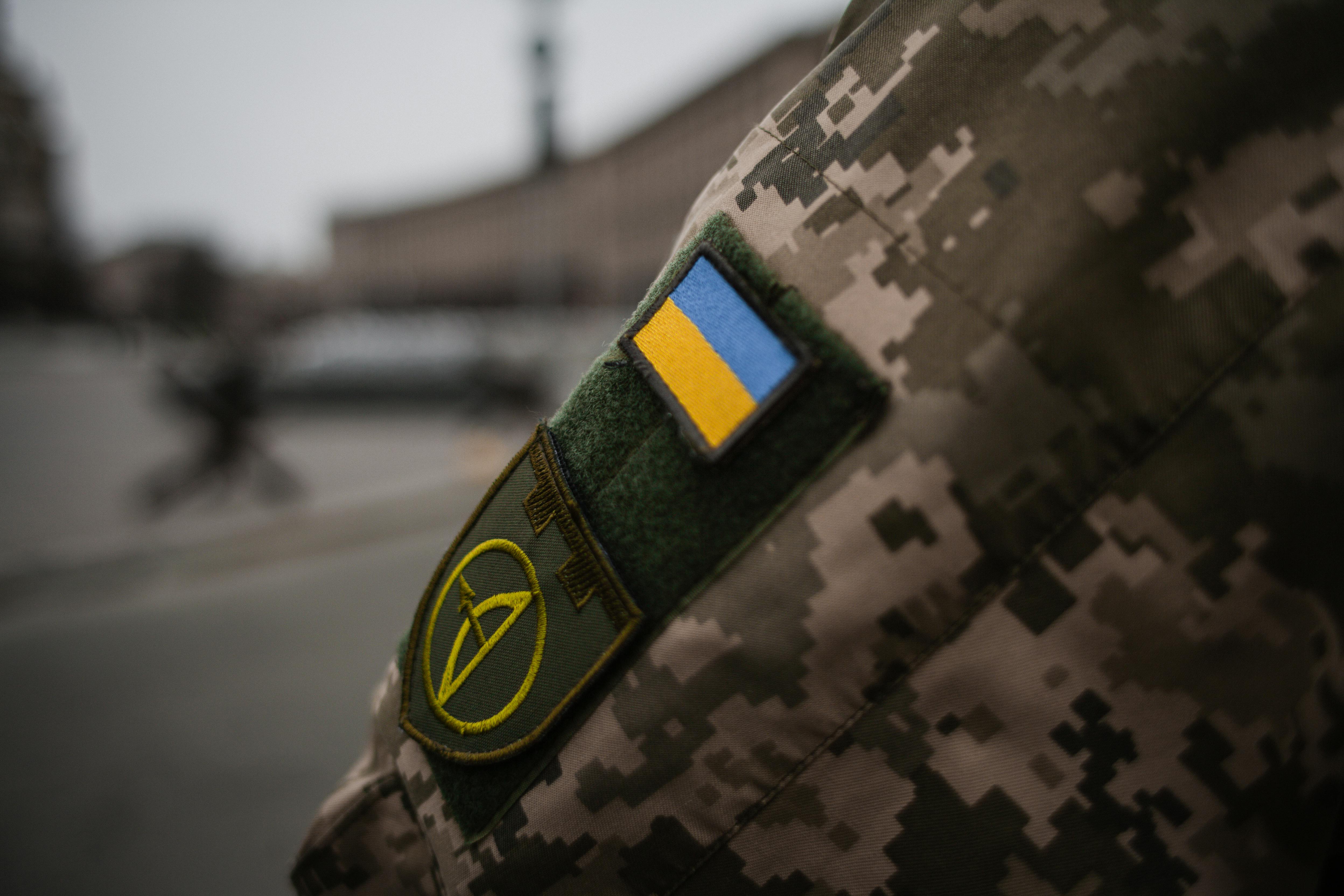
The commitment to defending Pokrovsk places the Ukrainian military leadership in an unenviable position, forcing a difficult calculus between symbolic, political necessity and the preservation of combat effectiveness. The commander-in-chief has publicly affirmed the intent to hold the city, yet the intensity of the fighting suggests that the defense is approaching a point of diminishing returns in terms of acceptable risk. This tension forms the core of the current high-level strategic debate as of November 8, 2025.
The Critical Dilemma Facing Kyiv’s Command
Weighing Tactical Retreat Against Symbolic Resistance
On one side of the equation is the significant symbolic value attached to Pokrovsk. Ceding the city to the aggressor would represent the most substantial territorial loss since the fall of the heavily contested city of Avdiivka earlier in the year, a clear propaganda victory for Moscow. For a nation whose international standing and ongoing support are predicated on demonstrating a robust, unyielding defense, giving up such a key city could be interpreted as a sign of weakness or an inability to sustain resistance against concentrated pressure. This interpretation is precisely what the aggressor seeks to broadcast to international partners, hoping to erode confidence in Ukraine’s long-term prospects. The political leadership is acutely aware that yielding ground can embolden external forces advocating for a negotiated settlement on unfavorable terms.
The Steep Human and Material Cost of Endurance
On the opposing side of the scale are the very real, immediate military costs of clinging to every street in a besieged urban zone. As the fighting becomes increasingly localized and close-quarters, the potential for catastrophic losses of experienced personnel and vital, often Western-supplied, equipment escalates dramatically. For a nation already facing significant manpower shortages and operating under duress from continued enemy offensives, the preservation of capable fighting formations is paramount for future defensive and offensive operations across the entire theater. Military experts outside the direct chain of command have argued that the strategic value of Pokrovsk, while high, does not outweigh the importance of preserving intact brigades and experienced soldiers for a larger strategic defense elsewhere, suggesting a tactical withdrawal might be the more prudent long-term military decision. The commander’s agonizing choice is whether to accept heavy, possibly irreversible, losses now to maintain a political line, or to withdraw to better prepared defensive positions, accepting a short-term propaganda setback for the sake of long-term force preservation. Reports indicate that Russian forces are already partially inside the city, with fighting occurring in contested “gray zones,” making a clean withdrawal increasingly difficult.
The Broader Geopolitical and Diplomatic Ramifications
The outcome of the struggle in the Donbas is intrinsically linked to the grand political chess game being played on the global stage, where Pokrovsk is merely one of the most visible pawns. The city’s fate is seen by both sides as tangible proof of momentum, which they seek to leverage in diplomatic settings where international support is negotiated.
Influencing Transatlantic Decision-Makers
The current military reality in Pokrovsk is being actively presented to key figures in the United States government, particularly in the context of the shifting political landscape following recent elections. The narrative being pushed by Kyiv is one of continued capability and strategic viability, necessary to maintain the flow of military and financial assistance from a potentially less predictable Washington. Conversely, the aggressor seeks to portray their advances as evidence of an inevitable victory, which they argue should compel Western powers to pressure Kyiv toward accepting disadvantageous terms for a cessation of hostilities. The intensity of the fighting is thus a deliberate demonstration of will, designed to sway international perceptions regarding the sustainability of Ukrainian resistance.
The Narrative War Tied to Peace Proposals
The political objectives of the aggressor are clear: President Putin has repeatedly demanded that any prerequisite for peace involves Ukraine formally relinquishing control over the entire Donbas region. The ability to physically hold and control terrain like Pokrovsk directly translates into enhanced credibility for these demands in any forum, whether formal negotiations or informal diplomatic backchannels. For Ukraine, holding the line, even at great cost, serves as a necessary counter-argument to any international pressure to simply accept Moscow’s framework for an end to the conflict. The battle is, therefore, a high-stakes diplomatic performance where every captured street and every repelled assault is used as evidence in the ongoing argument over the future sovereignty of the nation.
The Costly Nature of the Advance for the Attacking Force
While the narrative often focuses on the defender’s plight, the relentless push for Pokrovsk is exacting a significant, though perhaps acceptable to the aggressor, price in terms of personnel and materiel. The sheer duration of the campaign and the tactical evolution required suggest that the city has proven far more difficult to subdue than initially projected by the attacking command structure.
Quantifying the Attrition on Russian Manpower
The offensive has turned into what some press outlets describe as a scenario where the aggressor must “bleed for every inch” taken. Reports indicate that the sheer manpower being committed to the Pokrovsk axis is enormous, with Ukrainian commanders estimating around 110,000 Russian troops concentrated in the sector, while other reports cite a figure closer to 170,000 amassed by late October. This heavy investment suggests a political imperative overriding conventional military efficiency, yet it comes at the cost of staggering troop losses, with daily losses peaking at up to 700–800 personnel. The defender’s localized, brutal counterattacks are reportedly isolating and eliminating Russian subunits, demonstrating that the attacker is facing stiff, capable resistance that prevents a rapid, decisive breakthrough. The costliness of the operation is a crucial piece of the narrative being circulated by Kyiv: that the enemy’s objectives are attainable only through unsustainable sacrifice.
Sustaining Pressure Despite High Losses
Despite the reportedly heavy attrition—which has been ongoing for over a year in this sector—the commitment from the attacking side does not appear to wane, pointing to a deep-seated political directive to capture the city by a specified deadline, perhaps even mid-November. This relentless application of pressure, even at a high cost, ensures that Ukrainian forces remain fully engaged and depleted in this one sector, preventing the redeployment of reserves to other threatened areas of the long front line. The sheer volume of resources—manpower, artillery, and drone support—funneled into this specific localized offensive confirms that the military leadership is authorized, and perhaps ordered, to endure these losses in pursuit of the strategic milestone that Pokrovsk represents. The operation’s protracted nature, extending beyond the hoped-for completion date, itself signifies the tenacity of the Ukrainian defense, even as they face an enemy willing to pay an exorbitant price in human lives for incremental gains.
The Context of Wider National Hardship
The intense military focus on Pokrovsk does not occur in a vacuum; it is synchronized with a broader, national-level campaign of attrition being waged against Ukraine’s critical infrastructure. The defense of the eastern city is occurring concurrently with systematic attacks designed to degrade the nation’s ability to sustain itself through the coming colder months.
Coinciding Infrastructure Attacks Ahead of Winter
As the battle for Pokrovsk raged, Ukraine experienced a wave of devastating drone and missile barrages across numerous regions on the morning of November 8, 2025, a continuation of Moscow’s strategy to systematically degrade the power generation and distribution network ahead of the winter season. Ukrainian officials reported that Russia launched 458 drones and 45 missiles overnight, with Ukrainian forces downing 406 drones and nine missiles. These strikes have had an immediate and severe impact, causing widespread power outages across entire regions, leaving tens of thousands without electricity, and forcing energy providers to implement emergency power cuts to manage the load on the battered grid in cities like Kyiv and Kharkiv. Ukrainian Energy Minister Svitlana Grynchuk confirmed power was switched off in several regions due to the attacks. The Kremlin denies targeting non-military assets, but the timing and scale of these attacks strongly suggest a cynical strategy aimed at breaking the civilian population’s will to resist ahead of the fourth wartime winter.
Civilian Impact Amidst the Concentrated Fighting
The civilian toll of this relentless pressure is tragically evident. Reports from November 8 detail fatal missile and drone strikes in cities far removed from the immediate Pokrovsk front, with fatalities including three people in a drone strike on a nine-story residential building in Dnipro and another fatality in the Kharkiv area. The concurrent energy crisis exacerbates the vulnerability of the civilian population, as the disruption to heating and essential services compounds the psychological strain of the ongoing war. In places like Kremenchuk, there were reports of total power outages, necessitating the opening of public centers for heat and aid. While the battle for Pokrovsk concentrates the military narrative, the reality for the nation is a dual-front war: one of trenches and urban ruins in the east, and another of exploding infrastructure and life-threatening power loss across the entire country, all contributing to the overall narrative of attrition that the leadership is attempting to combat. The unwavering defense of the eastern fortress city must therefore be sustained while the nation simultaneously endeavors to repair, reinforce, and simply survive this coordinated assault on its foundational services.