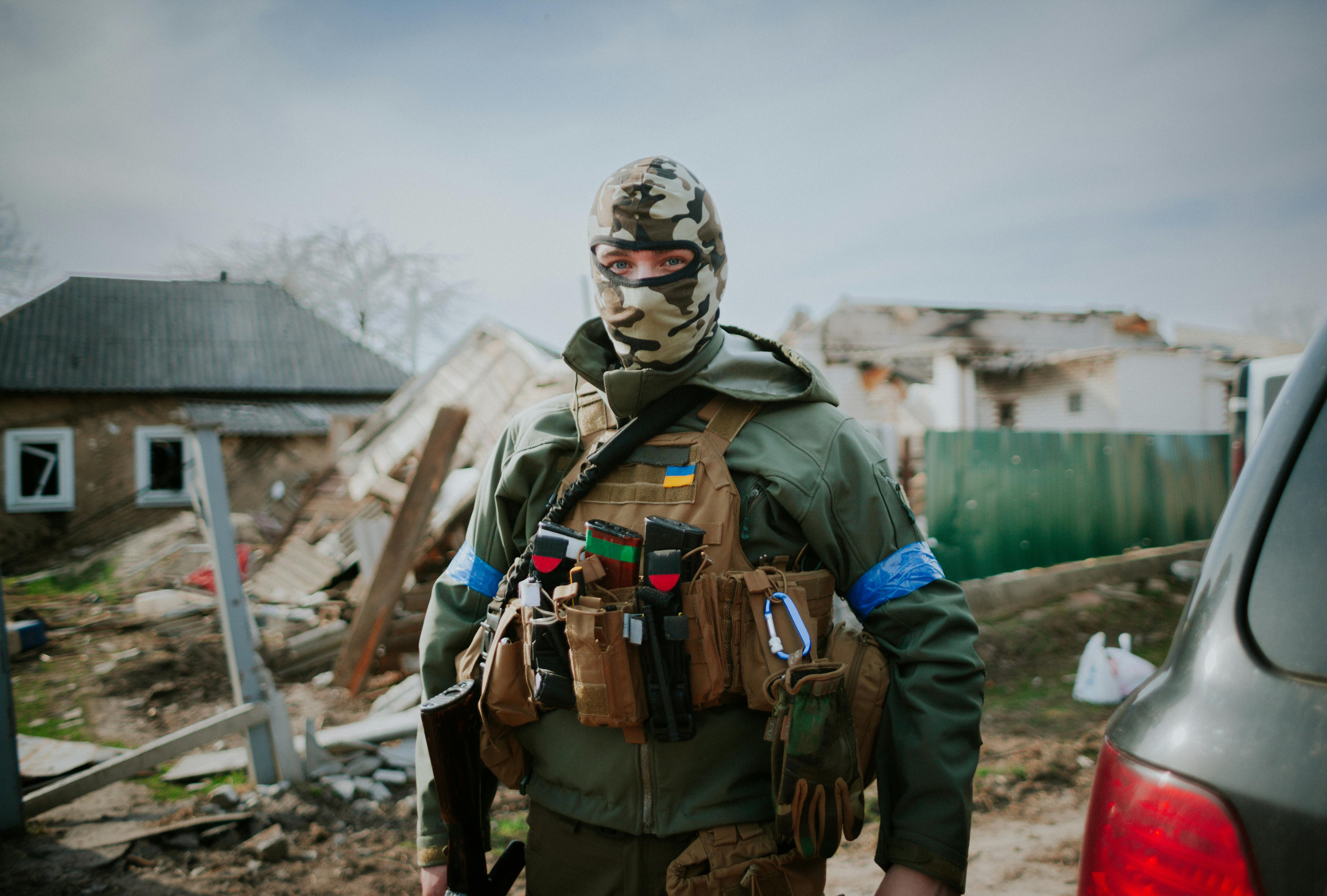
III. Humanitarian Crisis Deepens as Winter Approaches
With the generation capacity crippled, the immediate focus shifted from defense to sheer survival. Millions of Ukrainians faced the prospect of life without reliable power just as temperatures began their annual descent. The connection between intact energy infrastructure and basic civilian well-being—the ability to boil water, heat a home, or power a hospital monitor—became brutally, chillingly apparent.
Disruption of Essential Services: Water and Heating
The destruction of power stations inevitably led to a cascade failure in related utilities. Across the nation, cities reported immediate interruptions not only to electricity but also to their vital water supply and heating networks. In places like Kharkiv, the mayor noted a “noticeable shortage of electricity,” which directly translated into interrupted water services for residents. Prime Minister Yulia Svyrydenko articulated the immediate, existential goal: the “rapid restoration of heat, light and water,” underscoring the life-or-death stakes involved. When the pumps stop, the heat stops, and the winter chill rushes in.
The Looming Threat of a ‘Technological Disaster’ in Kyiv
The capital, Kyiv, faced a particularly dire prognosis, where experts had previously outlined a clear threshold for city-wide collapse. Leading energy expert Oleksandr Kharchenko had publicly warned that if Kyiv’s two primary power and heating plants were to go offline for a period exceeding three days while external temperatures dropped below minus ten degrees Celsius, the capital risked a full “technological disaster”—implying a total, unrecoverable collapse of the municipal heating system. This single, massive strike significantly shortened the window before that critical three-day mark, turning a theoretical risk into an immediate, ticking clock situation for millions of urban residents.. Find out more about Impact of ballistic missiles on Ukrainian energy defense.
Widespread Public Exposure to Extended Blackouts
For the general populace across numerous regions—including Kyiv, Dnipropetrovsk, Donetsk, Kharkiv, Poltava, Chernihiv, and Sumy—the promise of restored normal service (which previously meant planned outages of up to four hours a day) was suspended indefinitely. State transmission system operator Ukrenergo projected that power would be cut for between eight and sixteen hours across most regions on the following Sunday (November 9th) while emergency measures and repairs were implemented. This forces citizens to adapt to near-total darkness and cold for significant portions of each day. For those needing to plan for survival during these extended blackouts, understanding the basics of winter resilience strategies can be crucial.
IV. The Human Toll of Strategic Infrastructure Strikes
While the focus of official reports centers on hardware, megawatts, and grid stability, the attack carried a very real and tragic human cost. The targeting of civilian infrastructure was inextricably linked to inflicting direct casualties and terrorizing the non-combatant population.
Fatalities Confirmed in Eastern and Central Cities. Find out more about Impact of ballistic missiles on Ukrainian energy defense guide.
Ukrainian officials confirmed that the overnight barrage resulted in the deaths of at least seven individuals across the country. President Volodymyr Zelenskyy specifically reported fatalities in Dnipro, where a Russian drone struck a residential building directly, resulting in three known deaths in that city alone, with twelve wounded. An additional fatality was tragically confirmed in Kharkiv, with others reported in the Zaporizhzhia region. The confirmed death toll from the attack stands at a minimum of seven, with the situation still being assessed as recovery operations continued. The targeting of civilian housing alongside energy facilities confirms the strategic aim.
Targeting Civilian Life as a Deliberate Strategy
Foreign Minister Andriy Sybiga delivered a pointed condemnation of the attack’s nature, stating that “Russian strikes once again targeted people’s everyday life. They deprived communities of power, water, and heating, destroyed critical infrastructure, and damaged railway networks.” This characterization frames the attacks not merely as strikes on military objectives supporting the war effort, but as a direct and intentional assault on the comfort, safety, and basic functioning of the non-combatant population—a clear violation of established international norms of conflict. The intent is to break morale by breaking the means of living. For those seeking to understand the legal dimensions of such actions, research into international law on infrastructure attacks provides vital context.
V. Systemic Fallout Across Critical National Sectors
The ripples from the energy system’s collapse spread rapidly into other vital areas of national function, demonstrating the interconnected fragility of modern infrastructure when a central component like power is removed. The lights going out stops more than just the television.
Paralysis of Railway Networks and Logistics. Find out more about Impact of ballistic missiles on Ukrainian energy defense tips.
The disruption was not limited to homes and hospitals; the national transportation backbone suffered significant interruptions. Restoration Minister Oleksiy Kuleba reported substantial delays affecting train services across the country. This impact was directly attributed to damage inflicted upon locomotive depots. This secondary effect—the crippling of rail logistics—is profoundly significant. It disrupts the movement of essential goods, personnel, and critically, military supplies throughout the nation’s rail system, creating a logistical choke point that compounds the energy crisis.
Crippling Blow to Natural Gas Production Capabilities
Beyond the immediate impact on electricity generation, the strikes delivered a profound blow to the country’s foundational energy source for heating: natural gas. An analytical report compiled by the Kyiv School of Economics estimated that the coordinated attacks had succeeded in shutting down approximately half of Ukraine’s total natural gas production capacity. This staggering figure raises grave concerns, as natural gas is the primary fuel source for home heating. The destruction of production sites directly links this aerial assault to the potential for a widespread failure of the heating system as the severe winter cold deepens, a threat far exceeding the immediate power cuts.
VI. International Repercussions and the Long Road to Recovery
The sheer scale of the destruction immediately triggered high-level diplomatic engagement and renewed appeals for urgent international assistance and oversight, especially given the alarming proximity of some strikes to nuclear facilities.. Find out more about Impact of ballistic missiles on Ukrainian energy defense strategies.
Urgent Calls for Enhanced Air Defense Procurement
In the immediate aftermath, the focus of Ukraine’s international engagement centered on securing more robust defensive capabilities. President Zelenskyy confirmed that the nation was actively coordinating with the United States to procure additional Patriot air defense systems. This necessity underscores the reality that while existing systems performed admirably against the drone swarm, they were insufficient against the sheer volume and speed of the combined ballistic and drone missile barrage. The reality remains that acquiring these high-end systems is a multi-year endeavor, despite ongoing efforts that include discussions for up to 25 new systems and recent deliveries from Germany. Reinforcement must be immediate to protect critical infrastructure going forward. A nation’s layered air defense strategy is only as strong as its newest component.
Appeals to International Oversight on Nuclear Safety
Perhaps one of the most alarming revelations concerned the targeting of nuclear infrastructure substations. Foreign Minister Andrii Sybiha reported that Russian drones had specifically targeted two nuclear power substations located deep within the western part of the country—substations that supply power to the Khmelnytskyi and Rivne nuclear plants. Citing the deliberate endangerment of nuclear safety across Europe, Minister Sybiha called for an immediate and urgent meeting of the Board of Governors of the International Atomic Energy Agency (IAEA) to secure a response to these unacceptable risks. This act of nuclear brinkmanship demands global attention and a swift, unified response from the international community.
The Long Road to Recovery: Restoration Efforts Under Fire. Find out more about Impact of ballistic missiles on Ukrainian energy defense overview.
As the sun rose on Sunday, November the ninth, the nation was left grappling with the immediate wreckage, with restoration crews already mobilizing under extremely challenging conditions to begin the monumental task of repair. Prime Minister Svyrydenko confirmed resources were directed toward the most critical needs: the swift reversal of the immediate blackout conditions to get heat, light, and water flowing back to population centers first. By the evening of Saturday, Energy Minister Hrynchuk provided a measured, cautiously optimistic assessment, suggesting the situation had been “somewhat stabilized,” allowing consumers to begin planning around the new, harsh reality of extended outages. The return to the pre-attack, planned outage schedules will only occur once the wider energy system achieves a greater degree of stability.
This event serves as a stark reminder that the aggressor views the destruction of Ukraine’s civilian life-support systems as a core component of its military strategy, especially as the conflict stretches into its fourth year and winter looms. The resilience demonstrated by the energy workers, who immediately began working to repair facilities that had been deliberately destroyed multiple times, is contrasted sharply with the enemy’s persistent tactic. The long-term challenge for the nation is not just repairing the immediate damage, but developing an infrastructure that can withstand not just one, but a continuous series of these highly destructive, “one of the largest” attacks, ensuring that the fundamental needs of its citizens are not perpetually held hostage to geopolitical aggression. The repair work itself is undertaken while under the specter of future, similarly overwhelming barrages—a testament to the enduring struggle for national survival and normalcy. This continued effort requires massive logistical coordination, the mobilization of specialized engineering teams, and the sustained inflow of international material and technical support to replace heavily damaged, unique power generation components. The sheer scale of replacement parts needed—turbines, transformers, and control systems—will demand international coordination for procurement and delivery, further stressing already strained global supply chains. The operational tempo of these repair crews, often working with limited visibility and potentially hazardous conditions due to ongoing threat assessment, will define the nation’s immediate future through the coldest months. Every kilometer of restored transmission line, every megawatt brought back online, represents a small but vital victory against the intent of the latest massive strike, ensuring that the essential societal functions, from hospitals to communication networks, can continue to operate despite the adversary’s best efforts to enforce darkness and cold. The entire nation’s preparedness for winter hinges on the speed and success of these tireless crews in the face of such unprecedented, concentrated aerial violence. This renewed, intense focus on energy warfare has cemented the winter of two thousand twenty-five as a defining period in the conflict’s strategic landscape. For an examination of the broader economic impact, see our data on economic consequences of infrastructure warfare.
Key Takeaways and Actionable Insights for November 2025
This attack was a strategic escalation testing the limits of Ukraine’s resilience. Here are the critical takeaways and what they mean for the immediate future:
- Ballistics Over Saturation: The high number of ballistic missiles indicates a desire for irreversible, deep structural damage, not just an outage. Defense strategy must pivot to prioritize anti-ballistic coverage.
- Generation is the Target: With Centerenergo at “zero generation,” the focus is on destroying the *ability to produce* power, not just the wires. This is a long-term systemic attack.. Find out more about Centerenergo generating capacity reduced to zero definition guide.
- Winter is Weaponized: The timing, coinciding with the first real cold snaps, confirms the weaponization of winter. The half-loss of natural gas production is as critical as the electricity grid failure.
- Human Cost is Calculated: The concurrent strikes on civilian housing (e.g., the tragedy in Dnipro) confirm the dual aim of destroying infrastructure and terrorizing the population.
- The Blackout Reality: For most regions, the expectation for Sunday, November 9th, and likely beyond, is 8 to 16 hours without power daily. Normalcy is suspended.
Actionable Insight for Affected Citizens:
The nation’s resilience is being tested in the most fundamental way—the provision of heat and light. The speed of repair will dictate the human cost as winter deepens. This ongoing campaign against civilian life-support systems requires not just technical repair but sustained, rapid international political action to secure the necessary defensive and replacement capabilities.
For ongoing tracking of the international aid and air defense situation, we recommend monitoring official diplomatic channels and resources like the International Atomic Energy Agency for updates on nuclear safety calls.
What are you seeing in your region regarding the power cuts? Share your local experience in the comments below—on-the-ground information is crucial for coordinating national resilience efforts.