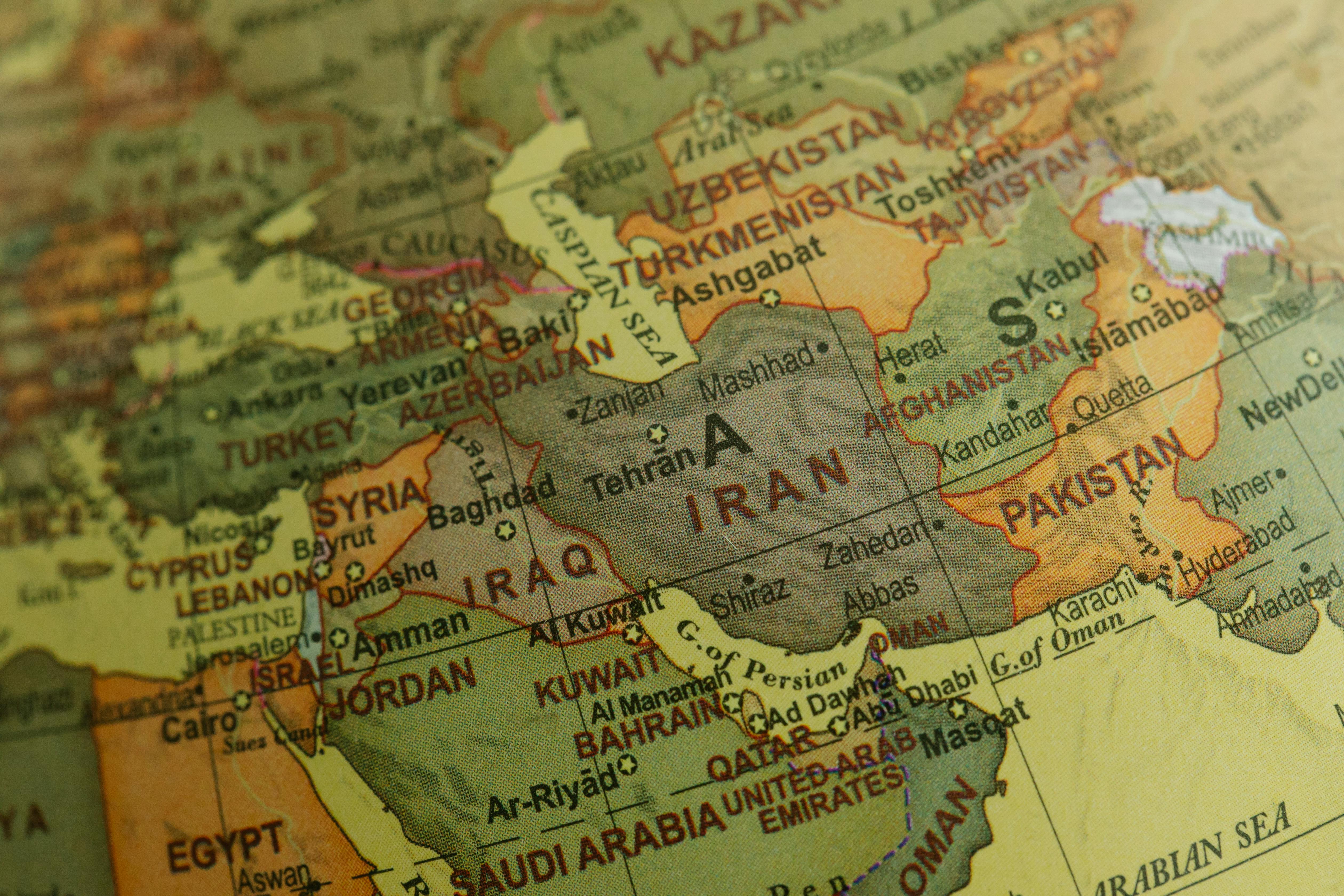
The Fragile Truce: Diplomacy Under Strain
Following a harrowing week of intense fighting that saw dozens killed and hundreds wounded, international pressure—primarily from Gulf states—succeeded in pausing the active hostilities. However, the resulting ceasefire remained perpetually fragile, a thin veneer over deep-seated mistrust.
Mediation by Regional Benefactors. Find out more about TTP sanctuaries in Afghanistan consequences.
The critical effort to halt the bloodshed was spearheaded by diplomatic initiatives from key regional benefactors with standing in both capitals, most notably Qatar and Türkiye. Their intensive shuttle diplomacy managed to negotiate a cessation of large-scale fighting by **October 19, 2025**. This successful intervention prevented a full-scale relapse into open war, underscoring the vital role of third-party mediation in managing the perennial volatility of this frontier. The very fact that such high-level intervention was required so quickly highlighted the inherent instability and the lack of direct, constructive communication channels between Islamabad and Kabul.
Shadow of Militancy Threatens the Calm
The truce’s longevity was immediately cast into doubt by the continuation of militant activity and the unresolved core dispute. Even as negotiations for the subsequent round of talks commenced in early November, localized clashes persisted. For instance, Pakistani military forces reported engaging with TTP infiltrators near the border as late as **October 25th**. Because the Afghan Taliban continued its refusal to formally acknowledge and act upon Pakistan’s security demands, the underlying structural cause of the October violence remained unaddressed. This setup ensures that any small incident—a commander’s defiant statement or an unconfirmed cross-border attack—could instantly shatter the imposed calm and reignite the broader conflict. For an overview of past attempts to secure mutual security agreements, look at our piece on historical counter-insurgency efforts.
Geopolitical Realignment: The India Factor and Strategic Anxiety. Find out more about TTP sanctuaries in Afghanistan consequences guide.
The bilateral conflict between Pakistan and Afghanistan quickly became entangled in the wider web of South Asian geopolitical competition, transforming the dispute into a potential theater for proxy conflict.
The Perception of an Emerging India-Afghanistan Strategic Nexus
A significant source of tension for Islamabad was the noticeable warming of relations between the Afghan Taliban and India. In **October 2025**, Kabul upgraded its diplomatic engagement with New Delhi, framing the interactions as a necessary “development dialogue”. Pakistan interpreted this burgeoning relationship—evidenced by ambassadorial exchanges and development aid, including India’s announced upgrade of its technical mission to a **full-fledged Embassy** in Kabul—as the formation of a hostile “India-Afghanistan nexus” designed explicitly to undermine Pakistani security interests. This anxiety was compounded by amplified anti-Pakistan rhetoric online, allegedly fueled by pro-Taliban and India-linked accounts. Pakistan views this shift with alarm, as a destabilized western front stretches its security apparatus thin, particularly following the earlier short-term clash between the two nuclear-armed rivals in 2025.
Pakistan’s Response to Perceived External Instigation. Find out more about TTP sanctuaries in Afghanistan consequences tips.
Pakistani officials have frequently accused their regional rival, India, of actively instigating the crisis by covertly supporting militant elements operating from Afghan soil. This accusation serves a dual purpose: it externalizes some of the blame for the TTP’s resurgence and underscores the gravity of the threat perceived by Islamabad. The dynamic creates a complex triangulation where the Afghan Taliban, in pursuit of legitimacy, is perceived as aligning with one of Pakistan’s oldest adversaries. This confirms the worst strategic fears of the Pakistani security establishment and places Afghanistan in the unenviable position of being a pawn in a much larger, deeply entrenched regional rivalry. The deepening defense ties between Islamabad and Riyadh, solidified by the September defense pact, also serve as a strategic counter-signal to this emerging alignment.
The Tangible Cost: Economic Wounds and Humanitarian Strain
Beyond the military and diplomatic exchanges, the immediate and tangible consequences of the October conflict manifested severely in the economic fabric and the lives of the ordinary populations residing along the contested frontier.
Disruption of Commerce and Soaring Prices. Find out more about TTP sanctuaries in Afghanistan consequences strategies.
The intensity of the fighting triggered swift, punitive economic measures, most notably the complete sealing of official and informal border crossings along the shared 2,600-kilometer frontier by Pakistani authorities. This immediate halt to cross-border trade—a vital artery connecting South Asia with Central Asia—inflicted substantial damage. Here are the immediate, quantifiable impacts, as of early November 2025: * Total Financial Loss: Total financial fallout from the blockade has exceeded **$200 million**. * Daily Losses: Traders reported daily losses reaching nearly **$1 million** due to stranded cargo. * Consumer Inflation: The price of essential commodities like tomatoes in Pakistani markets reportedly surged by as much as **400 percent**. * Livelihoods Affected: The disruption directly impacted the livelihoods of an estimated **20,000 to 25,000 individuals** whose daily economies depended on the free flow of goods and labor.
The Humanitarian Crisis Layered on Deportations
The conflict severely exacerbated an already dire humanitarian situation in Afghanistan. The border closures immediately halted the critical flow of humanitarian aid deliveries that transit through Pakistan. The situation was further complicated by Pakistan’s massive, ongoing repatriation drive of undocumented Afghan nationals, which the atmosphere of high military tension made all the more fraught. While the prompt referenced a figure of over 800,000 expulsions between 2023 and late 2025, the broader context is one of a massive population shift; by April 2025, over **2.43 million** undocumented migrants had returned from Pakistan and Iran combined since September 2023, straining a country with little to offer its returning population. The fighting itself generated substantial, though disputed, civilian casualties, trapping vulnerable populations in the crossfire.
Eroding Stability: Long-Term Implications for Engagement. Find out more about TTP sanctuaries in Afghanistan consequences overview.
The events of October and the subsequent failure of the Istanbul talks serve as a potent reminder that the foundational issues governing Pakistan-Afghanistan relations remain volatile, threatening long-term regional equilibrium.
Afghanistan as a Pawn in Great Power Contests
The crisis crystallized the danger of Afghanistan’s geopolitical status being used as a lever in the larger strategic games played by regional hegemons. If the Taliban’s obstinance stems from calculated manipulation by external patrons—specifically the perceived encouragement from New Delhi—then Afghanistan risks being irrevocably reduced to a forward operating base in a protracted **India-Pakistan rivalry**. A consolidated Taliban regime, if unchecked, possesses the potential not only to export its specific brand of militant ideology but also to act as a magnet or hub for various other extremist networks seeking regional destabilization. The evolving dynamic demonstrated that the Taliban’s pursuit of recognition was dangerously at odds with their practical governance, which seemed beholden to an insurgency mentality rather than the obligations of international diplomacy. To better understand the complexity of this alignment, review our piece on geopolitical maneuvering in South Asia.
Prerequisites for Sustainable De-escalation. Find out more about Reasons for failed Istanbul peace talks Taliban Pakistan definition guide.
For any lasting peace to take hold, the focus must shift from reactive crisis management to institutional reform in the relationship. Islamabad’s ability to accept the current Afghan government’s narrative is severely limited so long as the TTP remains a potent, armed force operating with sanctuary. Actionable Paths Forward:
- Decisive TTP Action: The future hinges critically on the political will demonstrated by the Afghan government to decisively address the TTP problem, proving that its sovereignty is not defined by the tolerance of rogue elements.
- Institutionalized Diplomacy: International actors, including major economic partners, should prioritize institutionalizing diplomatic involvement over reactive, ad hoc crisis diplomacy to build bridges of trust that can withstand future pressures.
- Mutual Security Foundation: Until Kabul demonstrates it can and will control militant groups targeting its neighbor, the frontier will inevitably remain a persistent fault line. This requires Kabul to accept that its yearning for legitimacy is inextricably linked to its willingness to be a responsible neighbor.
The choice facing the Afghan Taliban is not one of ideology versus pragmatism; it is a choice between being recognized as a responsible state or remaining an isolated spoiler. When measured against the economic devastation and the persistent threat of kinetic exchange, the cost of ideological defiance becomes unacceptably high for the entire region. For a deeper dive into the economic consequences, read our report on regional trade disruption analysis. — What do you think is the single most crucial step the Afghan Taliban must take right now to prove its commitment to statehood and satisfy Pakistan’s security demands? Share your thoughts in the comments below.