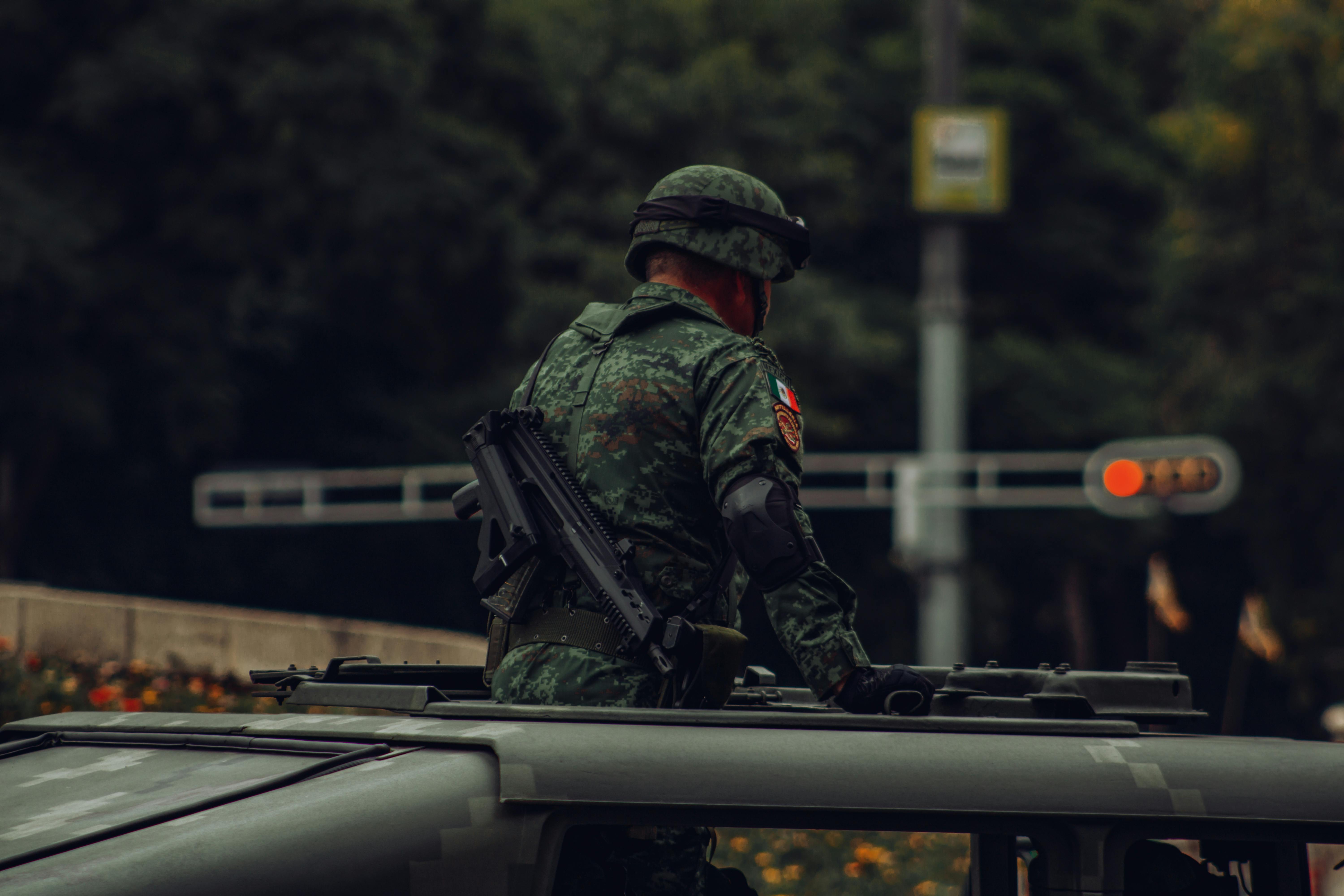
The Domestic and Political Underpinnings of Resistance
The effectiveness of any planned resistance, particularly the unconventional strategies, relies heavily on maintaining a high degree of internal cohesion, political loyalty, and the perception of unified national will. The ruling structure has invested considerable effort in cultivating an environment where the defense of the homeland is framed as a non-negotiable ideological imperative.
Reinforcing the Civil-Military Fusion Concept
The loyalty of the military leadership has historically been secured through a system where high-ranking officers are embedded in key governmental and state-owned enterprise roles, a strategy inherited from the predecessor of the current president. This institutional linkage has ensured military backing for the current administration, including support for the results of the last election despite external skepticism .
This strong military allegiance is publicly presented alongside the concept of civil-military integration as a core element of the national defense identity. Government messaging consistently portrays the armed forces as the direct inheritors of the nation’s founding heroes, reinforcing their role as the sacred protectors of national sovereignty against foreign imposition.
The Role of Civilian Mobilization in National Defense Narratives. Find out more about Venezuela full operational military alert status.
In parallel with preparing the standing armed forces, the government has vigorously promoted the concept of a mass, popular defense network spearheaded by the various militia groups. The current administration publicly maintains that approximately eight million citizens have undergone training within these militia structures, presenting them as a vast, willing populace prepared to engage in the defense of their territory .
While some individuals within these civilian groups have expressed a determined readiness to make the ultimate sacrifice against a foreign presence, assessments from sources familiar with the internal dynamics suggest that the actual number of active participants in a scenario of widespread disruption might be far smaller, perhaps in the range of a few thousand intelligence personnel, loyalists, and active militia members. Nevertheless, the narrative of an entire nation rising up serves a vital dual purpose: reinforcing domestic commitment and acting as a powerful psychological deterrent aimed at discouraging external military adventurism .
The Geopolitical Framework and International Context
The current crisis is not occurring in a vacuum; it is situated within a deep historical context of interventions in the region and is concurrently playing out against a backdrop of shifting international alliances and political friction with neighboring states. The perception of this event, both domestically and internationally, is heavily influenced by these broader geopolitical currents.
Historical Echoes of Gunboat Diplomacy in the Hemisphere. Find out more about Venezuela full operational military alert status guide.
For many observers across the continent, the current large-scale naval deployment immediately evokes the historical pattern of “gunboat diplomacy”—the practice where foreign powers unilaterally dispatch naval or military forces to coerce or intimidate sovereign governments. A historical tally reveals numerous instances of such unilateral force projection into Latin America since the late nineteenth century, many of which involved direct aggression or the active support of authoritarian regimes.
The current American strategy of targeted maritime strikes under the guise of counternarcotics operations, coupled with the massive military presence, is seen by scholars as echoing these past interventions, albeit with a contemporary justification. This invocation of historical precedent colors the interpretation of current U.S. actions, leading many governments in the hemisphere to view the military buildup through a lens of established patterns of external interference .
Diplomatic Maneuvering and Counter-Accusations
The diplomatic climate is further exacerbated by rhetorical conflict extending beyond the immediate bilateral tension with the United States. Reports indicate that tensions have recently spiked sharply between Venezuela and its neighbor, Colombia, with the Colombian president engaging in public exchanges with the American administration .
The leadership in Caracas vehemently refutes the official American narrative, consistently alleging that the entire military buildup is a meticulously constructed pretext, designed with the express intent of engineering regime change and forcibly removing the incumbent president from power. While the U.S. leadership has offered public statements that seem to walk back explicit intentions for strikes inside Venezuelan territory, simultaneously denying they are seeking to topple the government, these reassurances often exist alongside the increased military pressure and the significant financial reward offered for information leading to the president’s apprehension—a bounty of up to $50 million, according to some reports .
Legislative Actions and Forward-Looking Security Frameworks. Find out more about Venezuela full operational military alert status tips.
The governmental response to the perceived threat is not solely focused on immediate, reactive mobilization; it also encompasses the establishment of a revised legal and structural foundation intended to formalize and sustain the defensive posture into the future, regardless of the immediate outcome of the current naval standoff.
Formalizing Defense Posture Through New Statutes
To grant statutory authority and streamline the rapid execution of the defense plan, the Venezuelan National Assembly has undertaken the process of ratifying new legislation specifically aimed at fortifying the country’s overall security stance against persistent external pressures. The president of the Assembly has publicly articulated that this newly enacted legislation is designed to create efficiencies by simplifying and enhancing the coordination mechanisms between the standing military, the various security forces, and the mobilized civilian populace .
This legislative scaffolding is crucial for weaving the various threads of the national response—the standing army, the militia, and the civilian security apparatus—into a single, legally supported mechanism prepared for sustained periods of high alert or conflict. This move follows previous legislative efforts to solidify a comprehensive defense concept, marking an institutional commitment to resistance .
Future Implications for Hemispheric Relations. Find out more about Venezuela full operational military alert status strategies.
The entire unfolding situation—the massive deployment, the preparation for non-conventional warfare, and the diplomatic fallout—carries significant, long-term consequences for the relationships between Washington and the collective nations of Latin America. Many observers believe that any direct military confrontation or a U.S.-provoked change of government in the current environment would likely trigger widespread resistance within Venezuela itself and could potentially damage the broader network of inter-American relations for many years, perhaps even a generation.
The deployment of the world’s largest aircraft carrier to this tense locale serves as a stark, contemporary example of unilateral military action that forces a re-evaluation of the historical context of hemispheric engagement, overshadowing the traditional reliance on diplomatic and strictly law enforcement tools for regional security management. The intensity of the current preparations by Caracas, whether ultimately necessary or not, underscores a profound national commitment to resist any perceived unilateral imposition of will from outside the region, establishing a tense and uncertain outlook for future diplomatic engagement.
Conclusion: Key Takeaways and Looking Ahead
As of today, November 12, 2025, Caracas has implemented its highest state of alert—the “superior phase” of the Independence Plan Two Hundred—mobilizing nearly 200,000 personnel in a highly visible demonstration of resolve against the imposing US naval presence . The strategy is clear: acknowledge conventional inferiority but leverage unconventional warfare, deception, and national unity to drive up the cost of aggression.
Actionable Insights for Observers:. Find out more about Venezuela full operational military alert status overview.
The crisis is a complex weave of military posturing, political narrative control, and deep historical precedent. For now, the shield is raised, and the world watches to see if deterrence by ambiguity, asymmetric planning, and a display of national will can hold the line against a superior conventional force.
What aspect of this massive defensive posture do you believe will be the most critical in determining the short-term outcome of this standoff? Let us know your analysis in the comments below.
Footnotes & References (Current as of November 12, 2025):. Find out more about Venezuelan asymmetric confrontation defense doctrine planning definition guide.
USS Gerald R. Ford Carrier Group Deployment
Allegations of US Regime Change Intent
Plan Independencia 200 Activation
Venezuela’s Asymmetric Warfare Strategy
Russian Military-Technical Support to Venezuela
US F-35 Deployments in the Region
Igla-S Missile System Deployment