Russia-Ukraine War: Day 1,358 Analysis – Internal Crises and Shifting Geopolitical Tides
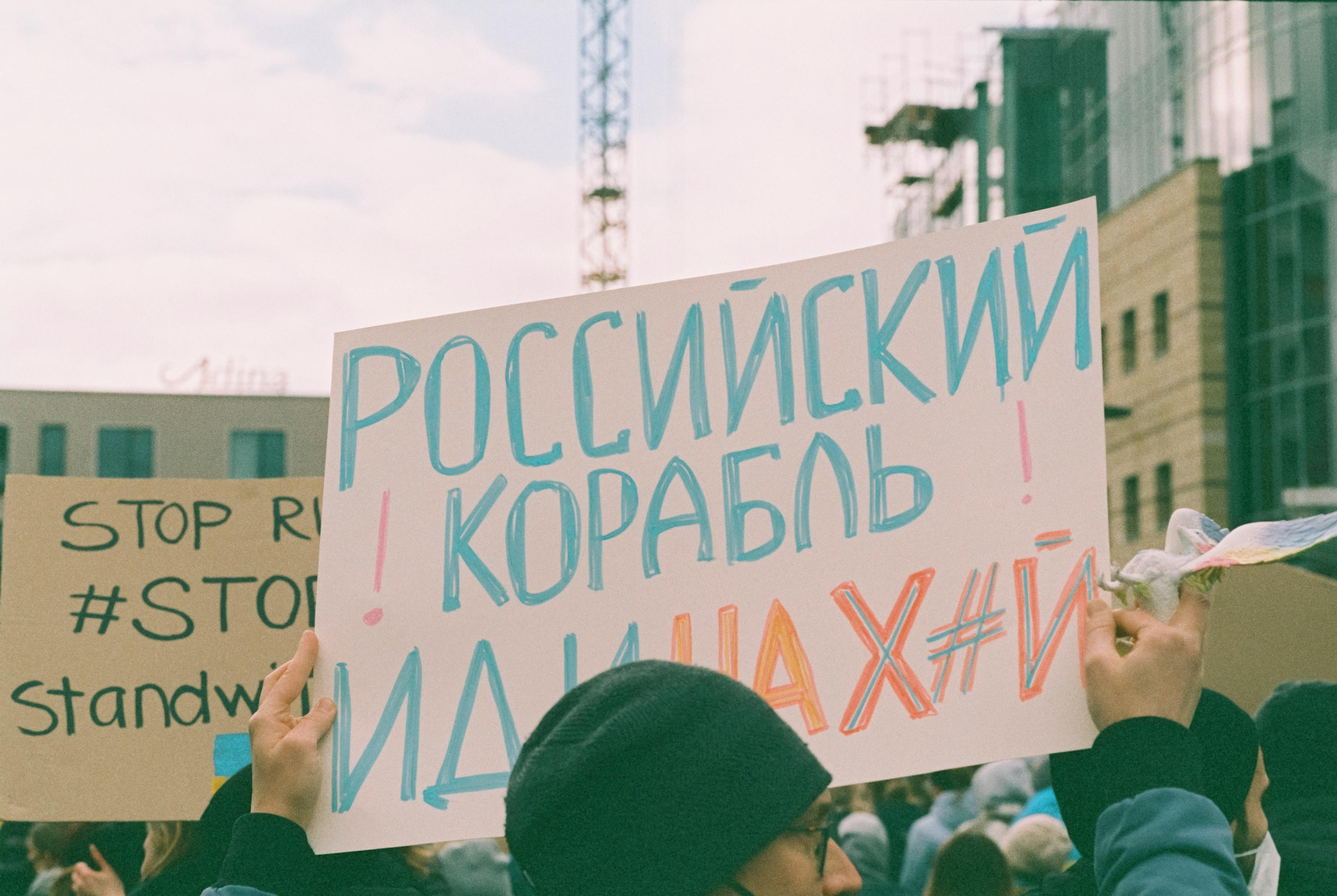
As the Russia-Ukraine war entered its one thousand three hundred fifty-eighth day on Thursday, November 13, 2025, the conflict continued to rage across the front lines, marked by intense fighting, particularly in the Zaporizhia region, with documented casualties from sustained Russian attacks. However, the gravity of the external aggression was acutely mirrored by significant internal upheaval within the Ukrainian executive branch, creating a complex narrative that intertwined national security with governance integrity. This day provided a critical juncture, testing Kyiv’s political resilience, straining international trust, and demonstrating the enduring, multi-domain nature of the confrontation with Moscow.
Internal Governance and Accountability: Challenges to National Unity
The immense strain of a full-scale war places an even greater premium on governmental integrity, yet it also creates environments where illicit activities can flourish, making anti-corruption efforts a matter of national security. In the context of day one thousand three hundred fifty-eight, the gravity of this issue was underscored by the highest levels of the Ukrainian executive branch, suggesting that the battle against graft is as vital to the nation’s survival as its defense against external military forces.
The Imperative of Anti-Corruption Measures During Wartime
President Volodymyr Zelenskyy publicly called for the immediate dismissal of two cabinet ministers in response to an unfolding investigation into a substantial alleged financial scheme involving the state-owned nuclear energy enterprise, Energoatom, and associated state companies. This decisive action, though constitutionally required to maintain public confidence, carries significant political risk, as it occurs while the nation’s energy infrastructure is already under direct assault from external forces.
The corruption probe, dubbed “Midas” by the National Anti-Corruption Bureau (NABU), centered on an alleged kickback scheme that reportedly netted its perpetrators about $100 million from contracts signed by Energoatom. The timeline of events leading to this crucial juncture was rapid: Ukraine’s independent anti-corruption bodies announced the findings of their 15-month investigation, which included over 1,000 hours of wiretaps, on the preceding Monday, leading to five detentions and implicating seven others.
The gravity of the allegations directly implicated figures at the apex of government. The investigation implicated Timur Mindich, identified as a co-owner of President Zelenskyy’s former Kvartal 95 media production company, as the suspected mastermind, whose whereabouts were unknown as of November 13. In response to the escalating scandal, President Zelenskyy demanded the resignations of Justice Minister German Galushchenko and Energy Minister Svitlana Hrynchuk on Wednesday, November 12, stating their continued tenure was a crucial “matter of trust”. Galushchenko, who had previously served as Energy Minister, was initially suspended before the presidential call for his full removal. The ministers subsequently submitted their resignation requests, which Prime Minister Yulia Svyrydenko forwarded to parliament for approval.
The administration’s response extended deep into the energy sector itself. Late on Wednesday, Prime Minister Svyrydenko announced further personnel changes, stating that the government had suspended Jacob Hartmut, the Vice President and Management Board member of Energoatom, based on NABU’s materials. Additionally, the heads of Energoatom’s finance, legal, and procurement departments, along with a consultant to the company’s president, were also dismissed. The supervisory board of the nuclear energy company was also dismissed as part of broader reform efforts. This swift, high-level action, while potentially damaging politically, served to demonstrate to domestic and international partners—particularly given the concurrent need for European financial support—that Ukraine’s commitment to accountability remained paramount.
Navigating Political Turmoil and Regional Power Dynamics
Beyond the high-level corruption probe, internal political structures are also being tested by the dynamics of martial law and regional governance, suggesting underlying tensions between centralized authority in Kyiv and entrenched regional political structures. The context of the war, which has concentrated significant power in the executive office, appears to exacerbate existing jurisdictional struggles.
Incidents reported around this time highlight this friction. For instance, while not explicitly detailing a citizenship stripping on November 13, related reporting from November 12 pointed toward an investigation into a prominent city mayor in a front-line region, described by observers as potentially falling victim to a brewing “turf war” regarding wartime jurisdiction. Such internal struggles for control, however necessary they may be perceived by the central administration to enforce ideological alignment in key administrative areas, consume political energy that would otherwise be wholly dedicated to defense against external aggression. The focus required to manage these internal purges and assert control detracts from the unified national focus demanded by the continuing military confrontation.
Geopolitical Ripples: International Perceptions and Propaganda Narratives
The information domain remains a key battleground, with each side utilizing intelligence operations to shape both domestic and international perceptions of the conflict. The events of Day 1,358 provided fertile ground for both sides to advance their respective narratives regarding escalation, justification, and partner reliability.
The Role of Intelligence Operations and Counter-Narratives
Moscow continued its information operations by relaying specific claims through state-controlled channels. Reports emerged alleging that Russian forces had foiled a purported Ukrainian-British plot to hijack a sophisticated hypersonic missile. These narratives, which Moscow asserted involved tempting Russian pilots with money and Western citizenship to participate in a false flag operation, are strategically designed to sow distrust among Kyiv’s partners, justify internal security crackdowns within Russia, and portray the defending nation as engaging in reckless escalation.
Countering these persistent, targeted information operations requires a unified and transparent communication strategy from Kyiv and its allies, especially as the war extends into subsequent years. The allegations serve as a clear indicator that the war is being fought not just with artillery and drones—which continued to strike infrastructure, with Russian forces launching 645 attacks on the Zaporizhia region in the past day alone—but also in the contested space of international and domestic opinion.
The Broader Implications for Global Alliances and Future Security
The continued engagement in the conflict has profound implications that extend far beyond the immediate borders of the two nations involved. It functions as a live test of the credibility of post-Second World War international norms regarding sovereignty and territorial integrity.
For the states providing extensive aid, the sustained commitment tests domestic political will and economic endurance, particularly as the conflict stretches deeper into the mid-2020s. The fallout from the massive internal corruption scandal placed immediate pressure on these relationships. Despite the serious graft allegations, the European Commission President, Ursula von der Leyen, affirmed the EU’s commitment, stating that the bloc would disburse a $7 billion US loan to Ukraine on Thursday and promising further financial support. This continued financial lifeline underscores the strategic imperative for the West to see the conflict through.
Conversely, internal Ukrainian political instability can be interpreted by Moscow as a sign of weakness or distraction. Any perceived wavering in Western support, or significant shifts in policy from key players, sends powerful signals to the Kremlin regarding the potential ceiling for Ukrainian resistance. Reports indicated ongoing diplomatic maneuvering involving the United States administration, suggesting it had pressured Ukraine to make concessions, with earlier reports from August 2025 mentioning recognition of Crimea as Russian territory as a potential point of contention. Furthermore, the difficulty in achieving a ceasefire in negotiations sponsored by US President Donald Trump indicated that the strategic calculus for resolution remained highly volatile. Russia has previously indicated that the lifting of sanctions and recognition of its territorial claims remain key demands for any negotiation.
The eventual resolution of this military confrontation, regardless of its form—be it a negotiated settlement that recognizes new realities or a continuation of attrition—will undeniably set precedents for how international disputes are managed throughout the remainder of the Two Thousand Twenties and beyond. The developments in the Ukraine war sector, encompassing military fronts, anti-corruption drives, and diplomatic fault lines, continue to serve as a principal indicator of the future global order and the durability of international law in the face of interstate aggression.