The Critical Juncture: Ukraine’s Stance on Land Cession Amidst Trump’s Evolving Peace Framework
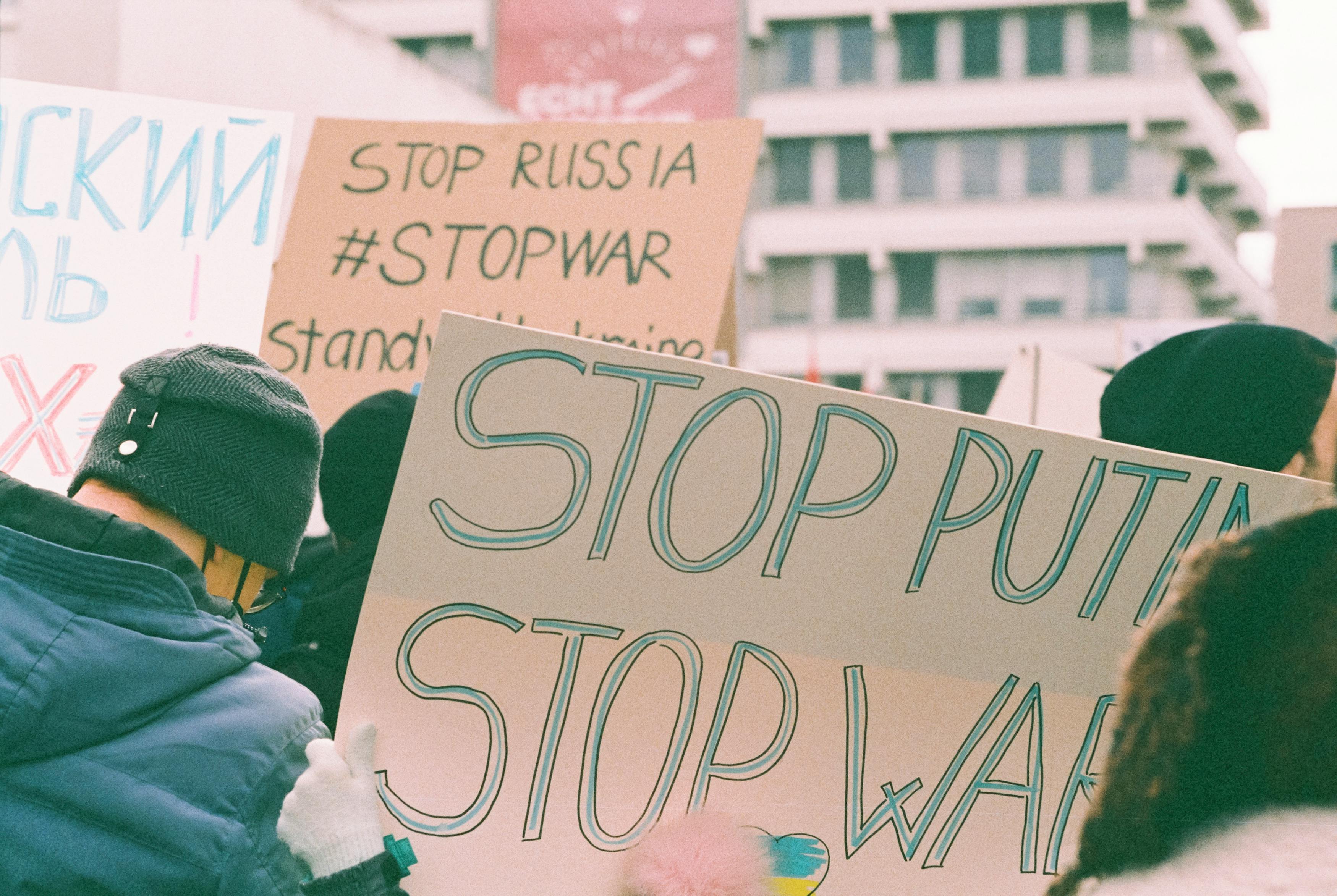
As the calendar turned toward the close of 2025, the diplomatic efforts spearheaded by the United States to broker an end to the nearly four-year-long conflict in Ukraine reached a critical, seemingly intractable juncture. At the heart of the escalating international pressure and intricate negotiations lay a fundamental, non-negotiable contradiction: Russia’s demand for territorial annexation versus Ukraine’s constitutional and moral commitment to its internationally recognized borders. President Volodymyr Zelenskyy’s response to the evolving peace proposal, attributed to the administration of U.S. President Donald Trump, has been marked by an unyielding defense of national sovereignty, even as this stance risked friction with a vital strategic partner.
The Critical Juncture: Zelenskyy’s Unequivocal Rejection of Land Transfers
In the final quarter of 2025, as the framework for a potential ceasefire agreement was vigorously debated in Western capitals, President Zelenskyy delivered some of his clearest public rebukes against the core premise of the U.S.-backed initiative. This clear drawing of a line in the sand centered entirely on the issue of surrendering sovereign territory to the Russian Federation, signaling that this concession was viewed by Kyiv not as a bargaining chip, but as an existential threat to the state itself.
The Moral and Constitutional Imperative Against Cession
President Zelenskyy consistently asserted that Ukraine possessed neither the legal authority under its own domestic laws, nor the moral right under international norms, to surrender any portion of its land to Russia. “Under our laws, under international law — and under moral law — we have no right to give anything away,” the President stated following high-level consultations with European leaders in London in early December 2025. This firm position elevated the debate from one of mere negotiation strategy to a fundamental clash between the rule of law and the acceptance of military coercion. For Kyiv, the conflict was intrinsically about preserving independence; any yielding of land, particularly the significant swaths demanded by Moscow, would constitute a forfeiture of the very cause for which the Ukrainian population had endured years of intense warfare and suffering. This principle was strongly reinforced by the European leaders with whom President Zelenskyy consulted following the initial unveiling of the proposal, maintaining that allowing Russia to redraw international boundaries by force was unacceptable.
The Dichotomy of Dignity Versus Partnership Preservation
The Ukrainian government found itself navigating a profoundly difficult reality, facing a stark choice: risk the erosion of critical political and military support from the United States by refusing the core territorial demands, or accept the concessions, thereby sacrificing national dignity and the constitutional foundation of the state. Following intense consultations, the President acknowledged that the nation was facing “one of the most difficult moments” in its history due to this imposed dilemma. While some internal U.S. proponents of the deal suggested that a refusal would lead to Ukraine losing more territory in subsequent fighting, the leadership in Kyiv maintained that abandoning foundational principles to hasten peace talks would be an unforgivable betrayal of their mandate. The plan, in several iterations, reportedly required Ukraine to cede control over the entirety of Crimea and the Donbas region—areas Moscow claimed but did not fully control—which was viewed by Kyiv as rewarding the initial act of aggression.
Proposed Economic Incentives and the Question of Frozen Assets
A significant, though secondary in Ukraine’s view, component of the overall peace architecture involved the establishment of a substantial economic reconstruction package designed to stabilize and revitalize the nation post-conflict. This financial element was intended to offset strategic losses by proposing a massive injection of capital, securing Ukraine’s future integration with Western economic structures. The mechanism for this reconstruction was inextricably tied to the fate of Russia’s massive trove of frozen state assets.
Reconstruction Funds and Sanctions Relief Pathways
The cornerstone of the proposed economic recovery, according to details of the U.S.-backed framework, involved the dedication of a considerable portion of these seized Russian state assets. Initial reports detailed a commitment of one hundred billion U.S. dollars from these frozen funds, with the United States intended to lead the effort to invest this capital into Ukraine’s rebuilding, including modernization in technology and infrastructure development. European partners were simultaneously expected to contribute an additional one hundred billion dollars toward this proposed Ukraine Development Fund. Simultaneously, the plan outlined a systematic process for the gradual lifting of the extensive international sanctions imposed on Russia since the invasion began, directly tying the relaxation of economic pressure to the implementation of the peace agreement’s terms.
A key point of contention, however, was the *control* of these funds. The U.S.-backed version suggested that Washington would retain 50 percent of the profits from its $100 billion investment vehicle, with the remainder of the frozen Russian funds earmarked for a separate U.S.-Russian investment vehicle intended to foster common interests and provide an incentive against future conflict. Conversely, the European counterproposal, coordinated by the UK, France, and Germany, appeared to reject this direct U.S. control, insisting instead that Russian sovereign assets remain frozen until Moscow compensates Ukraine for the damage caused by the war. In a move signaling strategic autonomy, the European Union also unveiled its own plan for continued support: a 90-billion-euro “reparations loan” backed by frozen Russian assets, designed to cover Ukraine’s civilian and defense needs for 2026 and 2027, regardless of the U.S. framework’s outcome.
The Enduring Impossibility of the Original Terms
By mid-December 2025, despite the progress in drafting documents and the inclusion of Ukrainian amendments, the core contradictions within the U.S.-proposed framework remained fundamentally unresolved, leading many analysts to conclude that the structure, as originally conceived, was unworkable for Kyiv. The plan represented an attempt to halt the war by freezing the military situation along current lines of contact in some areas (like Kherson and Zaporizhzhia), effectively rewarding the initial territorial aggressions, a dynamic that Ukraine and its core allies could not accept. The battlefield reality continued to shift, with Russian forces making incremental but steady advances in areas such as the Donbas, exemplified by the recent intense fighting for strategic strongholds like Pokrovsk, which only increased the external pressure on Kyiv to consider compromises under the threat of further military loss.
The Role of the Proposed Peace Council in Future Governance
The mechanism proposed for overseeing and enforcing the truce—the aptly named “Peace Council”—drew considerable scrutiny from Ukrainian security planners. This council, proposed to be chaired by the former American President, aimed to establish an enforcement body capable of imposing sanctions should either side violate the ceasefire terms. While the concept sought to create an external arbiter, the inherent power structure, placing a single, politically vested leader at the apex of the enforcement mechanism, raised significant questions about long-term impartiality and sustainability for Kyiv. The reliance on this council, coupled with the deliberately vague nature of the U.S. security response mechanisms outlined in the framework, suggested a brittle agreement built more on personal assurances and future political will than on concrete, ironclad treaty obligations. The entire diplomatic push, for many in Kyiv and allied capitals, represented a profound test of whether the post-1945 international order could withstand the pressure of territorial conquest when endorsed, even implicitly, by a major power broker’s peace initiative.