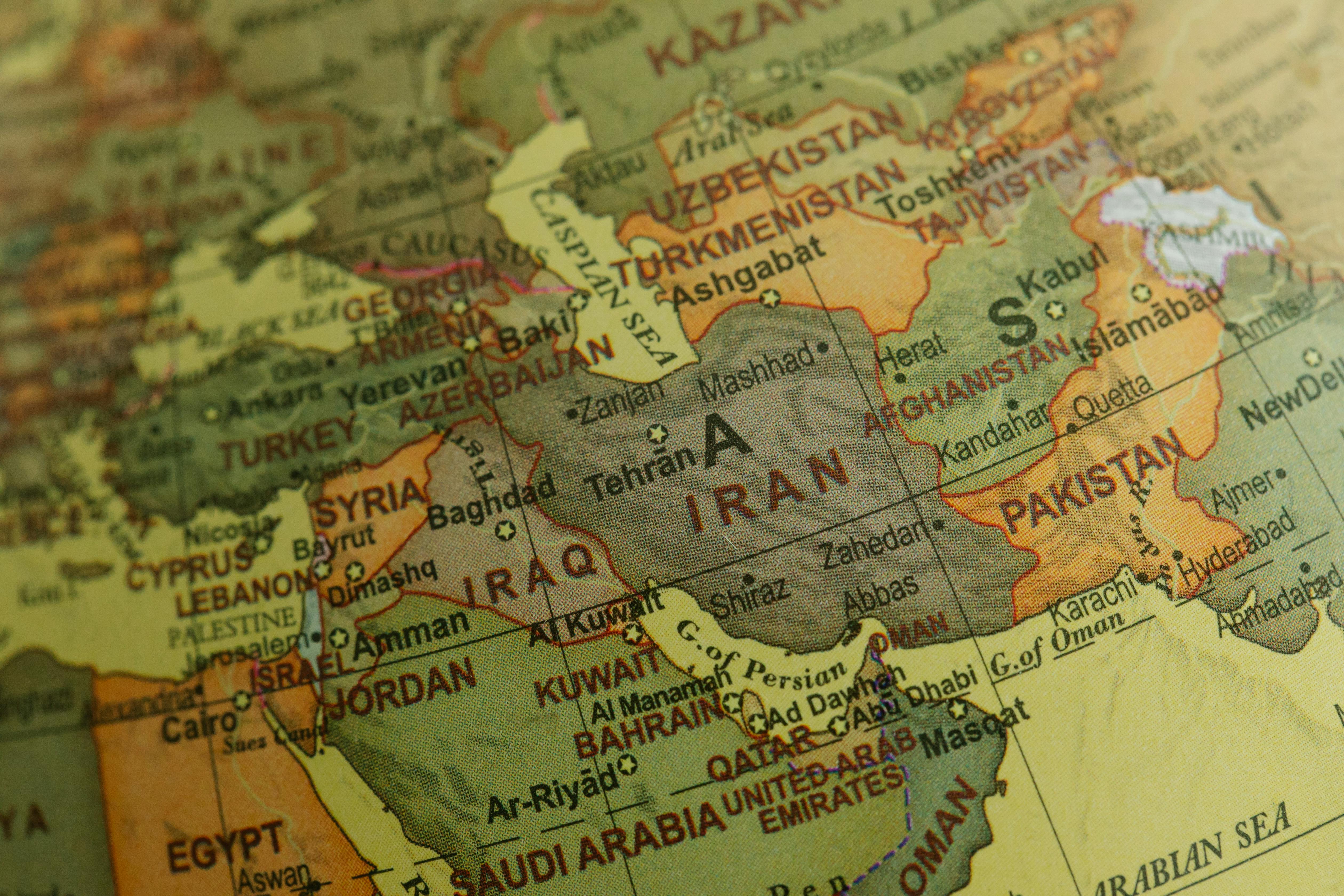
VI. The Economic Fallout of Border Standoffs: The Cost of Impasse
When diplomacy fails and military action dictates the terms of engagement, the economy is often the first, most visible casualty. For Pakistan and Afghanistan, the closure of key border crossings is not a warning shot—it is a full-blown economic blockade.
A. Border Closure and Commercial Paralysis
The escalating security tensions have had an immediate and severe detrimental effect on the critical trade and transit routes that connect the two nations. Following the hardening of stances, Pakistan made the decisive move to indefinitely close key border crossings with Afghanistan, signaling that normal commercial activity would remain suspended until tangible, verifiable action was taken against anti-Pakistan elements. This is a classic security-over-economy move, prioritizing immediate threat mitigation over trade stability.
B. Crippling Bilateral Trade and Regional Logistics. Find out more about Pakistan strikes Khost province child casualties.
This closure resulted in the stranding of thousands of commercial trucks and shipping containers on both sides of the frontier. The economic disruption is immense. Reports from December 2025 indicate that the ongoing blockade at Torkham and Chaman is crippling pharmaceutical supplies, spoiling temperature-sensitive drugs, and exposing Pakistan to massive commercial losses. Afghanistan, already reeling from a humanitarian catastrophe, is bleeding an estimated hundreds of millions of dollars per month due to the suspension of trade with Pakistan, its largest overland trading partner. Thousands of laborers and transport workers are jobless, showing how deeply the conflict penetrates everyday livelihoods.
C. Humanitarian Concessions in a Hardened Stance
Despite the general shutdown, the border situation revealed a stark humanitarian reality. The crossings were maintained in a restricted capacity, allowing only for one-way movement, primarily dedicated to facilitating the necessary return of stranded Afghan nationals and managing the flow of essential humanitarian aid. This limited functionality highlighted the difficult balance between national security demands—Islamabad’s insistence on TTP action—and the imperative to prevent a full-scale humanitarian crisis at the border points. It’s a painful illustration of how national policy decisions directly impact the most vulnerable populations.
VII. The October Clashes and Precedent for Violence: Why December Was Inevitable
To understand the severity of the current December 2025 tension, we must look back at the intensity of the last major confrontation in October. That event set the stage for the current crisis atmosphere.. Find out more about Pakistan strikes Khost province child casualties guide.
A. The Trigger of Earlier Confrontations
The November events and the subsequent December fighting were inextricably linked to the dramatic escalation that occurred in early October of the same year. The conflict ignited when Afghan forces allegedly initiated unprovoked firing across multiple locations in Pakistan’s Khyber-Pakhtunkhwa and Balochistan provinces. This action prompted a rapid and robust military response from the Pakistan Army, which successfully targeted and destroyed several Afghan border fortifications, resulting in confirmed casualties among both Afghan soldiers and militants.
B. Claims of Success and Counter-Claims of Propaganda
Following the October fighting, both sides issued starkly different casualty figures. Pakistani officials claimed significant successes, reporting the killing of between one hundred fifty and two hundred Taliban fighters and militants, alongside damage to armored vehicles. Conversely, the Afghan authorities claimed to have inflicted substantial losses upon Pakistani security personnel and claimed the capture of border posts, which Islamabad subsequently dismissed as mere propaganda efforts designed to mask their own losses and failures.. Find out more about Pakistan strikes Khost province child casualties tips.
C. The Human Cost of the October Fighting
The intensity of the October fighting resulted in a heavy toll on human life across the spectrum. Independent figures compiled from various sources suggested a total of over forty combatant fatalities on the Afghan side, with hundreds more wounded, alongside the displacement of thousands of Afghan civilians. For Pakistan, the official tally included dozens of their security personnel killed and wounded, alongside a small number of civilian injuries, creating a volatile atmosphere primed for further violence.
D. The International Warning on Militant Threat Levels
The volatility of the situation was recognized at the highest levels of international security discussion even before the latest cycle of violence. Earlier in the month, Denmark, addressing the United Nations Security Council, issued a pointed warning regarding the “serious threat” posed by proscribed militant groups like the TTP across South and Central Asia, explicitly noting that these groups were receiving “logistical and substantial support from the de facto authorities” in Afghanistan. This international validation of Pakistan’s core security concern placed further pressure on the Afghan governing structure. Understanding the details of TTP threat levels is key to grasping Pakistan’s hardline stance.
VIII. A Detailed Examination of the Khost Incident’s Particulars: The Bloodiest Signpost. Find out more about Pakistan strikes Khost province child casualties strategies.
While the December 5th clashes are the most *recent* flashpoint, the entire dynamic is haunted by a specific, catastrophic event that occurred prior—a strike in Khost province that Kabul claims was indiscriminate and deadly. This incident serves as the ultimate justification for their refusal to cooperate fully on security guarantees.
A. The Hour and Location of the Primary Strike
The specific air strike that resulted in the mass casualty event in Khost Province was reported to have occurred shortly after midnight. The location was pinpointed to the Mughalai area, situated within the Gurboz district of Khost province, a region known for its proximity to the border frontier. This timing, in the deep hours of the night, often suggests an attempt to maximize surprise and minimize the possibility of the target being forewarned or moved.
B. Identifying the Alleged Civilian Homeowner
In an effort to substantiate the claim of targeting a civilian structure, the spokesperson for the Afghan administration provided the name of the local resident whose home was reportedly the focal point of the deadliest bombardment: Waliat Khan, son of Qazi Mir. The public identification of the property owner served to personalize the tragedy and add a layer of verifiable, albeit unconfirmed by outside observers, detail to the accusation against the Pakistani military.. Find out more about Pakistan strikes Khost province child casualties overview.
C. The Specific Breakdown of Child Casualties
The heartbreaking specificity regarding the nine deceased children was further enumerated to include the exact gender distribution: five boys and four girls. This granular detail, reported by the Afghan government, was intended to elicit a strong emotional and political response, highlighting the indiscriminate nature of the alleged aggression against a non-belligerent community.
D. The Official Condemnation and Call for Accountability
The official statement from Kabul concluded with a firm demand for international recognition of the attack as a serious breach and a call for accountability. By documenting the loss of life, particularly the children, the Taliban administration sought to shift the narrative of cross-border conflict away from their alleged facilitation of the TTP and towards portraying themselves as victims of external military aggression, a tactic aimed at garnering sympathy and diplomatic leverage in the ongoing geopolitical maneuvering. This event underscores the deep, unhealed wounds that complicate any path forward, especially when discussing future security arrangements.
Conclusion: Navigating the December 2025 Crossroads
As of December 15, 2025, the relationship between Pakistan and the Afghan Taliban is defined by a toxic feedback loop: border attacks trigger military retaliation, which kills civilians, which hardens Kabul’s stance on providing security assurances, which in turn emboldens the TTP, leading to more attacks on Pakistan. The entire system is constrained by economic reality, as the border closures inflict billions in losses and threaten humanitarian stability.
Key Takeaways and Actionable Insights for Observers:
The path forward requires more than just another ceasefire brokered by Qatar or Turkey; it demands a fundamental shift in the Taliban’s calculus regarding the TTP. For analysts, traders, and regional diplomats, the key question remains: Will the economic pain and diplomatic isolation force the Islamic Emirate to choose a single, consistent policy, or will they continue to play the long game of balancing ideological ties against state survival?
What are your thoughts on the effectiveness of economic sanctions versus targeted military action in this dynamic? Share your analysis below.