Pakistan Declares ‘Open War’ Against Afghanistan After Cross-Border Attack – As It Happened
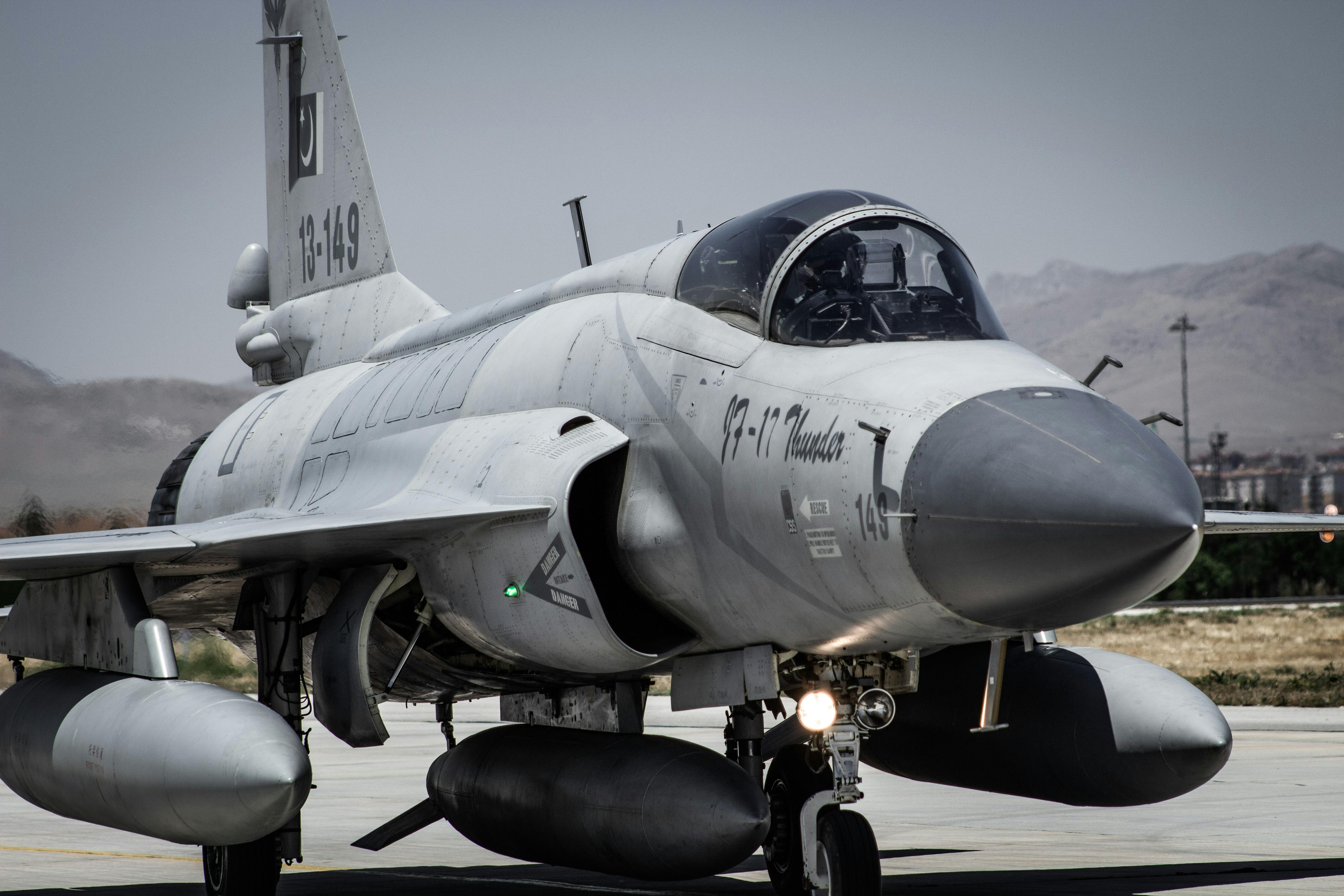
The security landscape along the 2,600-kilometer Durand Line fractured catastrophically in the final days of February 2026. Following a series of escalating border skirmishes and retaliatory strikes that tested a fragile, Qatar-mediated ceasefire from late 2025, the situation dramatically crossed a critical threshold. On Friday, February 27, 2026, following an Afghan ground offensive on Pakistani military posts the preceding Thursday, Islamabad’s highest defense official delivered a declaration that signaled a definitive and perilous shift in bilateral relations, moving the conflict from localized clashes to a state of what was unambiguously termed ‘open war’.
This kinetic exchange, launched under the banner of Operation Ghazab lil-Haq (“Righteous Fury”), saw both nations engage in strikes against major population and military centers, plunging the region into its most severe confrontation in years.
The Unambiguous Declaration: The Dawn of ‘Open War’
The most significant rhetorical shift came from the highest levels of the Pakistani defense apparatus, changing the diplomatic calculus entirely. The escalation was not merely a product of field commanders; it was ratified at the ministerial level, signifying a policy consensus for a direct confrontation with the ruling authority in Kabul.
The Defense Minister’s Categorical Statement
Following the Afghan ground offensive on Pakistani military posts, Pakistan’s Defense Minister, Khawaja Mohammad Asif, issued a public declaration that left no room for ambiguity regarding the severity of the situation. In a forceful statement delivered via social media on Friday, the Minister articulated that the nation’s reserves of patience had been entirely depleted, culminating in the stark announcement: “Our patience has now run out. Now it is open war between us.” This phrasing signaled a definitive break from previous policies of limited engagement, targeted strikes against militants, or localized border standoffs that characterized the post-2021 environment. It implied a shift to a posture where full-scale military engagement with the Afghan state apparatus itself was deemed legitimate and necessary, a strategic departure from earlier operations that claimed to solely target militant sanctuaries.
Minister Asif’s declaration was framed within a broader narrative of betrayal. He asserted that Pakistan had initially hoped for peace and regional stability following the NATO withdrawal in 2021. Instead, he alleged, the Taliban regime had actively turned Afghanistan “into a colony of India,” transforming the nation into a platform for ‘exporting terrorism’ against Pakistan. This accusation served as a key justification for moving beyond counter-terrorism operations to a direct state-to-state confrontation.
Kabul’s Firm Rejection and Pledge of Vengeance
The Afghan side immediately and categorically rejected the premise of the Pakistani declaration, while simultaneously validating the severity of the exchange. Afghan government spokespersons, including Deputy Spokesperson Hamdullah Fitrat, robustly defended their own retaliatory operations as necessary responses to violations of their sovereignty. While their spokespersons downplayed the damage from any prior Pakistani strikes, key figures within the Afghan government vowed that such aggression would be met with firm and courageous resistance. Afghan officials and spokesmen promised that Afghanistan would defend its homeland in all circumstances and ensure that every aggressive action from Pakistan would be met with an equally forceful counter-response, demonstrating that Kabul was equally committed to escalating, not de-escalating. The Afghan defense ministry went further, claiming it carried out drone strikes on Pakistani territory over the preceding two days, an assertion Pakistan denied.
The Scope and Intensity of Reciprocal Military Operations
The declaration of “open war” was swiftly followed by a dramatic intensification of military action from both sides, moving beyond mere border clashes into strikes against major population and military centers, marking the most widespread bombardment of the Afghan capital since the Taliban returned to power in August 2021.
Pakistan’s Comprehensive Air and Ground Offensive
In the hours immediately following the Minister’s declaration on Friday, February 27, Pakistan initiated extensive military action across multiple domains under its operation named “Gazab lil-Haq” (Righteous Fury). The Pakistani military leveraged its superior air power, launching what were described as coordinated air and ground strikes deep inside Afghan territory overnight from Thursday into Friday morning. The strikes targeted key military installations, command-and-control centers, and ammunition depots belonging to the Afghan forces across various sectors along the border region. The Pakistani military spokesman, Lt. Gen. Ahmed Sharif Chaudhry, later indicated that Pakistani officials claimed to have hit 22 Afghan military sites.
Furthermore, the operations notably extended to Afghanistan’s largest cities, including Kabul and Kandahar, a significant departure from previous strikes which were often confined to remote tribal areas, signaling a willingness to challenge the Afghan regime’s perceived safety zones. Witnesses in both Kabul and the southern power base of Kandahar reported explosions and jets overhead until dawn on Friday. On March 1, 2026, Pakistan’s Information Minister, Attaullah Tarar, confirmed that 46 locations across Afghanistan had been hit by air strikes since the operation began.
Afghanistan’s Asymmetrical Response and Message Delivery
The Afghan military apparatus, recognizing a stark mismatch in conventional capabilities, particularly in air power, opted for a mix of ground action and message-sending strikes utilizing emerging capabilities. While continuing ground assaults on Pakistani border posts—which they claimed resulted in capturing several Pakistani outposts—Afghan government spokesmen emphasized that their actions were designed to deliver a clear, visceral message: that their reach extended far beyond the immediate border. Afghan officials stated this assertiveness, including the alleged use of drone strikes deep inside Pakistan near Faisalabad and Nowshera, was meant to demonstrate that “our hands can reach their throats.”
This strategic messaging underscored the psychological dimension of the conflict, aiming to demonstrate that even without a modern air force, the Afghan forces could inflict costly damage on Pakistani positions and infrastructure, thereby challenging Islamabad’s sense of operational superiority. The use of drones by Afghan forces in strikes against military camps in locations like Swabi and Abbottabad represented a significant technical capability demonstration, further complicating the kinetic exchange.
Contested Realities: The War of Casualty Counts and Civilian Harm
In any high-intensity conflict between two states with deeply entrenched mutual mistrust, the immediate reporting on the human cost becomes as much a weapon as the munitions themselves, with official figures diverging wildly and accusations of indiscriminate violence dominating the discourse. By March 1, 2026, the battlefield accounting remained chaotic and unverified by independent bodies like UNAMA.
Divergent Claims Regarding Military Losses
The competing narratives surrounding military casualties became a central feature of the conflict’s reporting in the days following the declaration of war. Pakistan released highly inflated figures, claiming the elimination of hundreds of Afghan forces and affiliated militants, along with the destruction of significant military hardware. Specifically, on March 1, 2026, Information Minister Attaullah Tarar claimed the elimination of 415 Afghan soldiers since the operation began. Earlier, military spokesman Lt. Gen. Ahmed Sharif Chaudhry had cited figures of 274 Taliban fighters killed and over 400 wounded.
Conversely, the Afghan authorities vigorously rejected these tallies as entirely false fabrications. They countered with their own figures, claiming to have killed a substantial number of Pakistani soldiers and inflicted heavy losses on Pakistani military units during their retaliatory ground assaults. Deputy Spokesperson Fitrat, reporting on March 1, 2026, claimed over 80 Pakistani soldiers were killed, and 27 military posts captured, for the loss of only 13 Afghan troops. The Taliban’s initial claim for Pakistani losses stood at 55 soldiers killed in their initial assault.
For its part, Islamabad acknowledged a loss of 12 Pakistani soldiers killed, with 27 wounded and one missing, in the preceding border clashes leading up to the declaration of war.
The Devastating Impact on Civilian Populations and Refugee Camps
Beyond the military claims, the most tragic element involved the impact on non-combatants, a recurring theme from the earlier October clashes that repeated with devastating effect in late February 2026. Afghan officials repeatedly accused Pakistani air and artillery forces of deliberately targeting civilian areas, including residential homes, marketplaces, and even refugee camps situated near border crossings like Torkham.
Reports indicated that these strikes resulted in significant civilian deaths and injuries, forcing the displacement of thousands of Afghan residents from the border provinces. Deputy Spokesman Hamdullah Fitrat, as of March 1, claimed Pakistani fire had killed 36 civilians across eastern Khost, Kunar, and Paktika provinces since the escalation began on Thursday. Furthermore, Afghan officials cited 18 civilian fatalities, including 11 children, in a strike in Nangarhar province. Pakistan, however, maintained that its operations were strictly limited to legitimate military and militant installations, vehemently denying any intent to harm the Afghan civilian population or disrupt refugee settlements.
The Diplomatic Void and the Impending Need for External Intervention
The declaration of “open war” effectively rendered existing bilateral diplomatic frameworks obsolete, pushing the two nations into a perilous situation where only significant external pressure could potentially halt the kinetic exchange. The prior cycle of conflict had shown that diplomacy could only be imposed, not generated organically between the belligerents.
The Failure of Bilateral Dialogue Mechanisms
The numerous rounds of peace talks held in locations such as Istanbul and Doha during the preceding year, including negotiations mediated by Turkey and Qatar in October 2025, had already proven incapable of establishing a durable framework for security cooperation. These negotiations consistently stalled over the intractable TTP issue and mutual accusations of harboring adversaries. The transition to open hostilities on February 27, 2026, demonstrated that the mechanism for high-level, direct engagement had failed to prevent the military from taking the initiative based on perceived security exigencies and the perceived erosion of deterrence.
The Renewed Role of Gulf Mediators in Conflict De-escalation
As the fighting intensified and major cities like Kabul and Kandahar came under direct fire, the diplomatic efforts visibly shifted back toward the Gulf states, with Qatar, in particular, taking up the mantle of urgent mediation once more. Reports indicated that the Qatari Minister of State was actively engaging in high-level discussions with the foreign ministers of both Pakistan and Afghanistan almost simultaneously on the Friday of the declaration, February 27.
This immediate engagement suggested that the international community recognized that the situation had spiraled beyond the control of the belligerents themselves, requiring the swift imposition of an external will to force another, more binding, cessation of fire and prevent a protracted, resource-draining war along the frontier. The involvement of other regional actors, including Iran and Turkey, who had previously tried to broker ceasefires, was also anticipated as the international community scrambled to prevent further regional contagion.
Geopolitical Undercurrents and Looming Economic Consequences
The direct military confrontation is inextricably linked to the broader strategic maneuvering in South and Central Asia, with significant implications for regional trade, investment, and the balance of power. The conflict immediately threatened to unravel economic progress and redraw geopolitical alliances in the region.
The India Factor and the Narrative of Strategic Encirclement
As noted earlier, the narrative of Afghanistan being turned into a “proxy for India” by the Taliban regime served as a powerful justification for Pakistan’s aggressive stance. This perception of a deepening strategic axis between Kabul and New Delhi—Pakistan’s primary adversary—fueled a sense of acute national security threat in Islamabad. India’s posture, which included restoring its embassy in Kabul and stepping up humanitarian and capacity-building initiatives, contrasted sharply with Pakistan’s actions.
The Taliban’s appreciation for India’s approach, including endorsing New Delhi’s position on Jammu and Kashmir during a foreign minister’s visit in October 2025, further irritated Islamabad. The escalating conflict can be viewed, in part, as a forceful attempt by Pakistan to deter Kabul’s burgeoning engagement with New Delhi and to disrupt any connectivity projects that might bypass Pakistani infrastructure, thereby reinforcing Islamabad’s traditional regional dominance.
Threats to Critical Connectivity and Economic Lifelines
The immediate and tangible fallout of the fighting extended deeply into the fragile economies of both nations. Afghanistan, heavily reliant on Pakistani ports for its essential transit trade, faced the immediate threat of border closures paralyzing its ability to import and export goods, severely impacting its already struggling economy.
Simultaneously, Pakistan faced the jeopardy of its own ambitious infrastructure plans, including vital cross-border energy pipelines and transport corridors aiming toward Central Asia, which were suddenly exposed to heightened security risks from instability spilling over. The disruption to the western corridor not only hampered trade revenues but also raised serious concerns regarding the security of large-scale foreign investments, such as those under the China-Pakistan Economic Corridor (CPEC). The insecurity of the vital Kabul-to-Peshawar route, in particular, jeopardized the viability of CPEC 2.0 extension projects, including mineral extraction initiatives, despite China formally including Afghanistan in the Belt and Road Initiative in August 2025.
The military escalation compounded other regional economic stressors, as widespread Middle East conflict in late February/early March 2026 had already halted flights and shipping, threatening Pakistan’s vital exports and remittances.
The Humanitarian Crisis and Potential for Extremist Spillover
Finally, the conflict carried a severe humanitarian dimension that threatened to reverse any gains in regional stability. The renewed fighting directly endangered border populations and exacerbated the plight of refugees, recalling the devastating impact seen in October 2025.
Furthermore, sustained instability in Afghanistan carries the inherent risk of encouraging the mobilization of various extremist factions beyond the Tehreek-e-Taliban Pakistan (TTP), potentially creating fertile ground for groups like ISIS–Khorasan Province (ISIS-K) to gain further traction. Pakistani strikes leading up to the declaration of war specifically targeted TTP and ISIS-K camps, indicating these groups are deeply entangled in the immediate security calculus.
ISIS-K has demonstrated a capacity for coordinated, high-impact violence, and the current interstate conflict provides a potential vacuum for them to exploit. Moreover, prolonged instability could embolden Baloch separatists (BLA) operating in Pakistan’s southwest, who have previously targeted CPEC infrastructure. This potential for wider extremist spillover poses a long-term security hazard that transcends the immediate bilateral dispute between the two neighbors, making an urgent diplomatic resolution a necessity for regional security as of March 1, 2026.