Trump Administration in Venezuela: Weeks of Conflict and Contradictory Visions for a New Regime
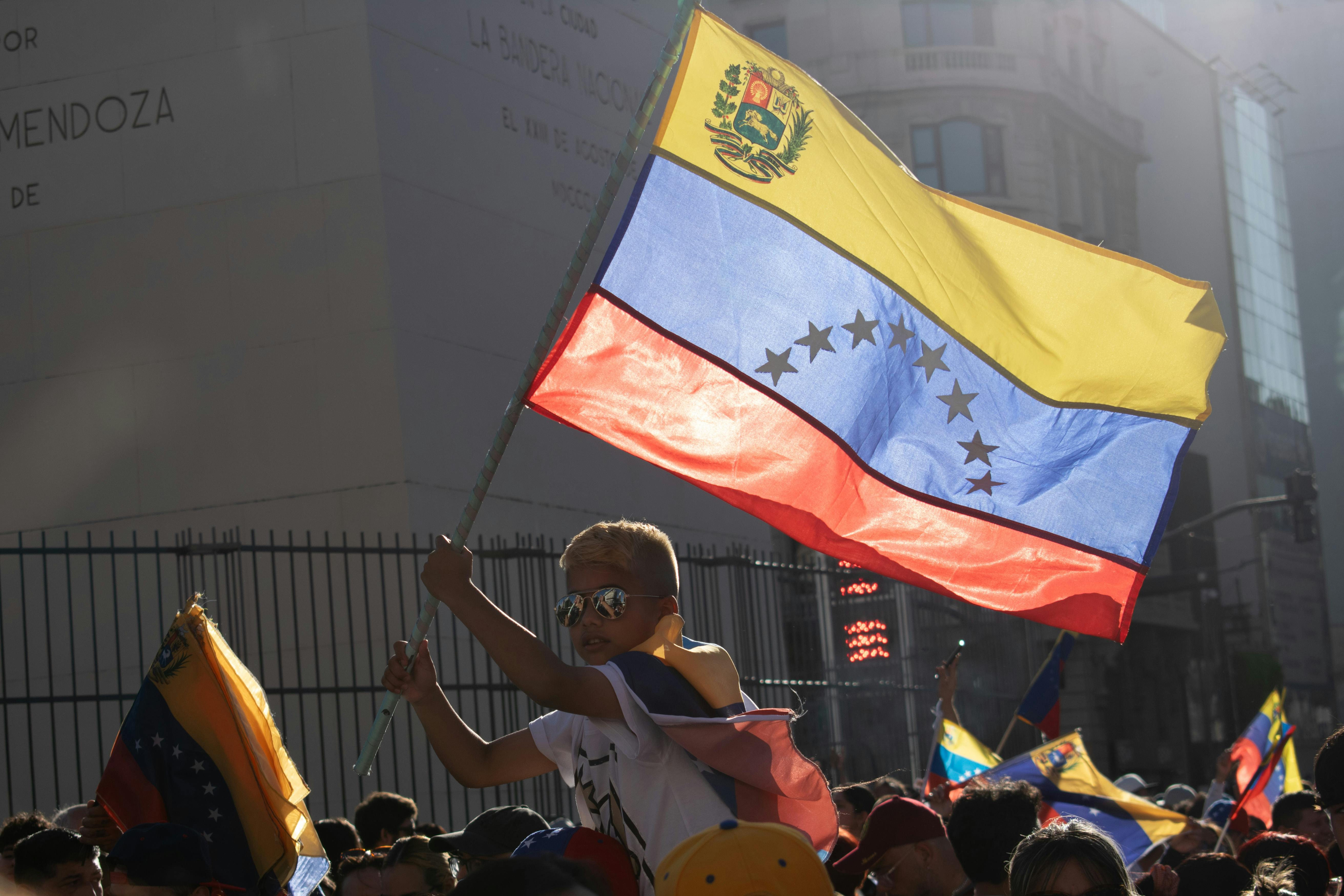
The situation in Venezuela, post-January 3, 2026, military action, remains a volatile matrix of security enforcement, economic restructuring, and profound humanitarian strain. As the United States asserts control over key facets of the nation’s governance and resource extraction, the administration of President Donald Trump has articulated a series of public positions that, according to observers, present a confusing landscape regarding the duration of the operational phase and the ultimate contours of the successor regime. While the initial military thrust—Operation Absolute Resolve—was swift in decapitating the previous leadership, the ongoing political management reveals diverging ideological currents within Washington’s decision-making apparatus, juxtaposed against the immediate, urgent needs of a populace already ravaged by years of economic collapse.
VII. The Humanitarian Crisis Under New Administrative Management
The intervention, launched against a nation already deep in a humanitarian catastrophe, carried the inherent responsibility of addressing the immense suffering it inherited. Critics point to years of intensifying sanctions and systemic mismanagement as the root causes of the existing crisis. The new administrative phase, under US-aligned directives, was immediately confronted with the challenge of mitigating this inherited suffering while simultaneously establishing a new security and economic architecture.
A. The Legacy of Sanctions and the Immediate Needs of the Populace
Even prior to the military operation in early January 2026, the humanitarian toll on the Venezuelan populace was dire, a condition long attributed by critics to the maximum pressure sanctions regime of the preceding years. While the intervention successfully removed the targeted leadership, it did not instantaneously reverse the underlying economic collapse that had left millions in dire need of basic sustenance. As of early 2026, the reality on the ground was a population of over twenty-eight million facing widespread poverty, with United Nations figures indicating millions requiring immediate humanitarian aid.
The data underscores the scale of the inherited challenge. According to assessments published in late 2025 and early 2026, there are 7.9 million people within the country in need of urgent humanitarian assistance, representing more than a quarter of the total population. Critical needs are concentrated across multiple sectors, including health, food security, education, water and sanitation systems, nutrition, and protection services. Furthermore, approximately 56% of the population lives in extreme poverty, a condition exacerbated by projected triple-digit annual inflation eroding livelihoods and pushing the cost of a basic food basket well beyond the reach of most households on fixed local currency incomes.
This environment has also fueled one of the largest displacement crises globally, with nearly 8 million Venezuelans displaced worldwide since 2015, although an increasing number began returning in 2025. The organizational framework left in place to address this massive need was already severely strained; for context, the 2025 Humanitarian Response Plan for Venezuela was globally one of the least-funded, receiving only 17 percent of the required over $600 million. Observers in early 2026 were keenly focused on whether the new security and economic architecture would prioritize alleviating this widespread suffering or merely redirect the mechanisms of control over resource allocation.
B. The Inflow of International Assistance Under New Washington Directives
A central element of the administration’s stabilization plan has been the explicit integration of humanitarian aid, a strategy that marks a significant departure from the previous administration’s “maximum pressure” sanctions, which were heavily criticized for disproportionately harming ordinary citizens. The new directives signaled a pivot toward economic revitalization as a means of humanitarian relief.
Central to this pivot is the management of the nation’s primary asset. The announced plan for revenue generated from seized oil holdings includes an explicit component intended to deliver necessary funds back into the country for reconstruction and aid efforts. This directly ties into President Trump’s Executive Order of January 9, 2026, which safeguarded Venezuelan oil revenue held in U.S. Treasury accounts from judicial attachment, preserving these funds specifically to “advance U.S. foreign policy objectives”. Furthermore, the administration has moved to control the refining and global distribution of oil and has begun lifting broad sanctions to allow foreign companies access, with reports indicating that the new government under Rodríguez has already transferred at least 50 million barrels of oil to the Trump administration for sale.
The overall success of this approach hinges on the capacity of the US-aligned interim structure to execute the efficient and equitable distribution of these resources. This presents an immense challenge, given the state of governance and the necessity of avoiding the corruption that plagued previous aid attempts. The administration’s claim that the conflict was directed only against cartels and the previous regime is continuously tested by the reality of this ongoing security enforcement against entrenched political structures.
VIII. The Internal Power Struggle and the Status of Remaining Officials
With the supreme leader removed and transported to the United States for trial, the immediate successor and the remaining layers of the previous political system entered an intense period of forced realignment. This alignment required balancing the immediate, decisive directives emanating from Washington with the critical need to maintain internal order among deeply rooted loyalist factions.
A. The Delicate Balancing Act of Interim President Rodríguez
Vice President Delcy Rodríguez, elevated to the role of interim president following the January 3 capture of Nicolás Maduro, has found herself in an extraordinarily precarious, yet highly transactional, position. Her immediate survival in the new power structure is directly contingent upon demonstrating absolute cooperation and compliance with the directives emanating from the US government. Evidence of this close relationship is clear in recent high-level interactions; as of March 5, 2026, Rodríguez met with US Interior Secretary Doug Burgum in Caracas, culminating in the announcement that she would submit a proposal to reform Venezuela’s mining laws in the coming days—a clear nod to US economic interests. President Trump publicly affirmed his satisfaction with her performance in social media posts, noting that the relationship between the countries was “very nice to see”.
However, this external validation places Rodríguez in a constant state of political jeopardy internally. She must manage the deep-seated loyalties of remaining Chavista officials, military commanders, and entrenched party apparatus members. For many within the former regime’s structure, Washington’s imposition represents an act of national humiliation that could easily foment internal resistance aimed at reversing the current administrative state. This dynamic forces Rodríguez into a tightrope walk: satisfying the decisive, external power while simultaneously attempting to maintain a fragile semblance of internal political legitimacy among a populace and cadre conditioned by years of anti-American rhetoric. Her initial post-capture statements offered a conciliatory message, contrasting sharply with the usual belligerent tone, indicating an immediate strategic pivot to manage the post-intervention transition.
B. Pressure Points: Targeting Remaining Loyalist Elements and Financial Networks
The continuation of the pressure campaign moved decisively beyond the initial military strike to focus on isolating and neutralizing the remaining structural support for the old regime. This transition to enforcement and compliance involves targeted, non-military measures aimed at severing the financial and organizational sinews of loyalist groups.
This isolation strategy includes the rapid imposition of targeted sanctions against the extended family members and key associates of the former president. The goal is explicitly to sever the financial lifelines that could be used to fund counter-insurgency operations or broader destabilization efforts against the US-aligned interim government. The legal framework established by President Trump on January 9, 2026, to safeguard oil revenues, while intended to protect national assets from private creditors, simultaneously ensures that the US government retains control over the principal flows of national wealth, dictating where capital can be directed for reconstruction versus being diverted to opposition elements.
Furthermore, the intelligence and law enforcement apparatus that executed the initial capture remains actively engaged in monitoring and suppressing organized resistance. The administration’s repeated insistence that the conflict was *only* against cartels and not the Venezuelan people is constantly tested by the ongoing security enforcement actions against entrenched political loyalists seeking to reverse the administrative state. The operational outcome of January 3, where Maduro and his wife were captured and transported to the US for trial, sets a powerful precedent that the “everybody’s kept their job” model does not extend to those actively plotting to undermine the new transitional authority.
This entire transitional moment is framed by contradictory visions from Washington. While Secretary of State Marco Rubio emphasized a “three-step plan” of stabilization, recovery, and then a “transition to democracy”, influential advisors, like Stephen Miller, doubled down on raw power politics, declaring, “We’re a superpower, and under President Trump, we are going to conduct ourselves as a superpower”. President Trump himself stated unequivocally, when asked about who was in charge, “It means we’re in charge,” a stark contradiction to his prior campaign promises to abandon nation-building and regime change policies. This dynamic—an interim leader balancing external demands while internal forces resist, all under the shadow of an American assertion of decisive control—defines the complex and precarious reality of Venezuela in early 2026.