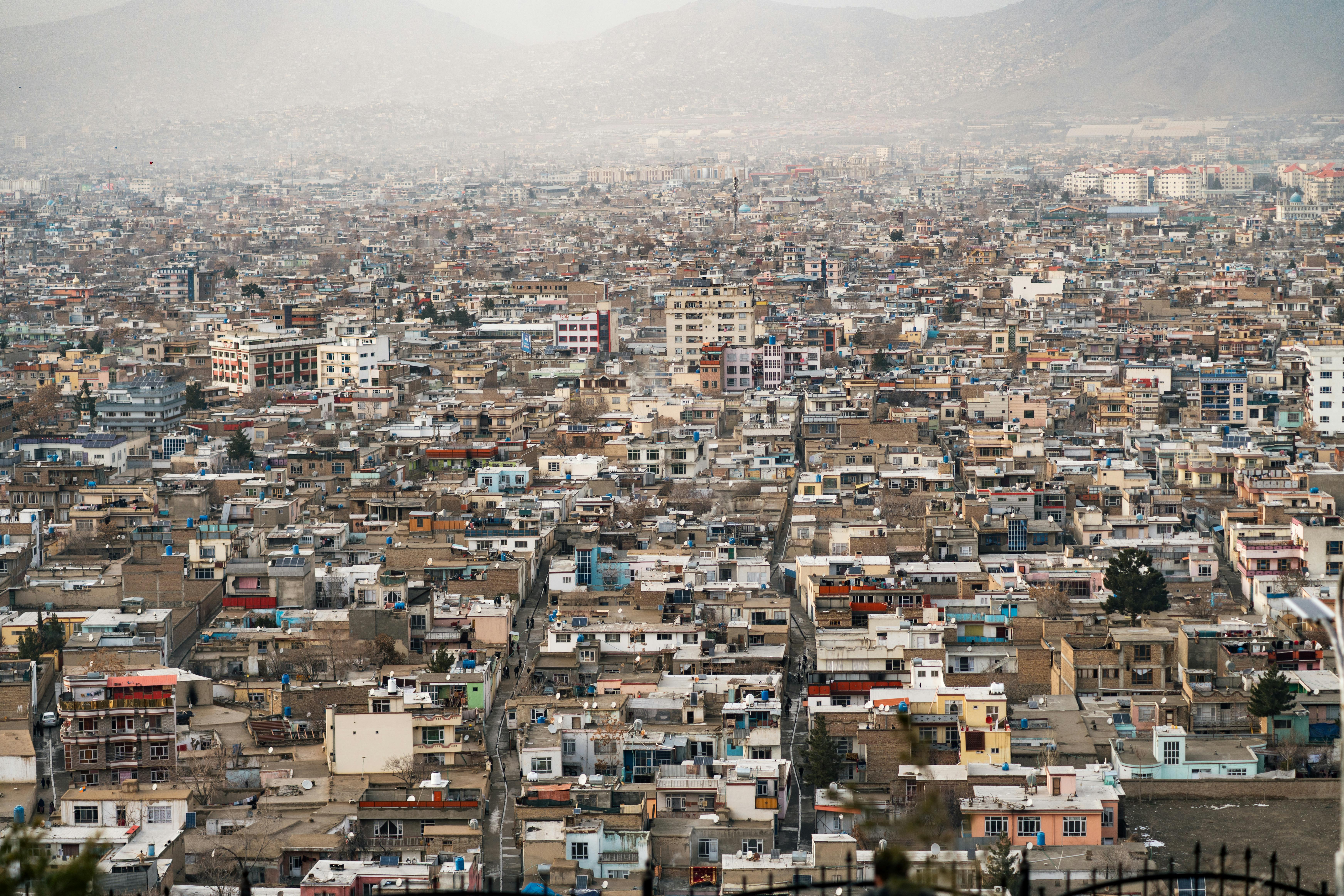
Chronology of Crisis: Key Flashpoints of Late 2025 Escalation
The timeline from late 2025 to the “open war” declaration in February 2026 reads like a case study in failed de-escalation, with each action hardening the resolve on both sides.
The October 2025 Confrontation: A Precursor to Full-Scale Hostilities
The late calendar year of 2025 featured a highly significant and violent precursor to the later “open war” declaration, crystallizing the emerging military dynamic between the two states. This critical period was initiated following a deadly attack by the TTP on Pakistani soldiers in the Khyber Pakhtunkhwa province. In immediate retaliation, Pakistan launched a high-profile air strike, specifically targeting the leadership of the TTP, including the group’s chief, Noor Wali Mehsud, in Kabul. Although the TTP leader was reported to have survived the initial bombardment—and later appeared in video to confirm he was alive—the act of striking the Afghan capital itself crossed a significant threshold. This provoked a direct military response from Afghan forces, who carried out retaliatory operations against Pakistani military posts along the shared border within days, resulting in confirmed casualties on the Pakistani side. This brief but intense October conflict resulted in significant losses on both sides and necessitated international mediation to secure a temporary, tenuous ceasefire, yet it established the pattern of aggressive military signaling that would define the relationship moving forward.
The February 2026 Clashes Leading to the “Open War” Rhetoric
The period immediately preceding the declaration of “open war” in late February 2026 involved a rapid succession of deadly engagements that demonstrated an irreversible breakdown in the previously established, albeit fragile, truce mechanisms. Following a series of low-level confrontations and a high-profile attack on a Shia mosque in Islamabad in early February, Pakistan escalated its actions with targeted air strikes across eastern and southeastern Afghanistan on February 21, which the Taliban claimed hit civilian areas, including a religious school. The defining moments came on February 26, when the Afghan Taliban launched a cross-border offensive against Pakistani military installations. The subsequent Pakistani response was swift and severe: coordinated air and ground strikes targeted military facilities not just near the border but also within the major Afghan urban centers of Kabul and Kandahār. This direct targeting of political centers, following an Afghan offensive, prompted the Pakistani defense minister to publicly characterize the state of the relationship as an “open war” on February 27.
Sporadic Border Incidents and Cross-Border Infiltration Claims. Find out more about Afghan Taliban Pakistan open war reasons.
Even outside the major escalations, the border region experienced persistent, low-level violence throughout 2025, characterized by infiltration attempts and localized firefights. For example, early January 2025 saw incidents where mortar shells launched from Afghan territory struck Pakistani districts, while Pakistani forces conducted targeted raids and helicopter strikes in border areas following TTP activities [cite: provided text]. Furthermore, Pakistan reported thwarting infiltration attempts by forces it identified as Afghan Taliban attacking border outposts, leading to exchanges of fire and mortar attacks between the two forces [cite: provided text]. These repeated, smaller-scale engagements served as the background noise of hostility, demonstrating that the security situation along the 1,622-mile frontier remained volatile and prone to sudden, fatal flare-ups, even when the major powers were observing a temporary de-escalation.
The Strategic Significance of the Durand Line Dispute
Beneath the immediate political and military friction lies a historical, geographical, and ethnic dispute that makes any sustainable solution incredibly difficult to secure.
The Contested Nature of the International Boundary
The physical line of demarcation between the two nations, known as the Durand Line, remains a deeply embedded, historical point of contention that contributes significantly to the security dynamic. This border, drawn during the colonial era, is viewed by Afghanistan’s political structures, including the current Taliban regime, as an illegitimate imposition that slices through the historical and cultural heartland of the Pashtun people [cite: provided text]. This ethno-geopolitical claim provides a powerful nationalist justification for the Afghan Taliban to resist Pakistan’s demands for absolute border control and recognition of its security architecture on that frontier. The rejection of the line’s legitimacy inherently complicates any bilateral security agreement, as any Pakistani military action on the Afghan side is framed by Kabul as an intrusion into sovereign territory, regardless of the presence of militants. To see how this historical line affects current trade, look at the impact on Durand Line and trade routes.
Militant Movement Across Unsecured Border Zones. Find out more about Afghan Taliban Pakistan open war reasons guide.
The difficulty in enforcing control over the nearly sixteen hundred miles of rugged, mountainous terrain that constitutes the Durand Line directly facilitates the TTP’s operational strategy. The inability of the Afghan Taliban to effectively police the vast border regions allows TTP fighters to traverse freely, using Afghan territory as a secure rear base for launching attacks into Pakistan, and then retreating rapidly before Pakistani forces can mount effective counter-strikes. This porous nature renders Pakistan’s internal security operations perpetually reactive and defensively stretched. The very act of securing the border, which Pakistan demands the Taliban undertake, is a monumental task even for a state with established governance, let alone one struggling with international recognition and internal reconstruction.
The Tactical Advantage of Using Leftover Military Materiel
A contributing factor to the potency of the cross-border threat noted in 2025 was the availability of advanced weaponry to militant groups operating from Afghanistan. Specifically, reports indicated that the TTP has been utilizing NATO-standard military equipment that was left behind following the withdrawal of United States and allied forces in 2021 [cite: provided text]. The presence of sophisticated arms in the hands of insurgents operating across an unsecure border dramatically raises the lethality of their engagements against Pakistani security forces, contributing to the steep rise in casualties recorded in 2025 and intensifying Pakistan’s perception of the threat emanating from Afghanistan. This access to superior weaponry only reinforces the Taliban’s ability to sustain pressure, even against a well-equipped conventional army.
The International Dimension: External Actors and Shifting Alliances
The breakdown in bilateral ties has not occurred in a vacuum; it is occurring against a backdrop of shifting regional power dynamics, most notably involving India.
Pakistan’s Accusation of Indian Proxies and Regional Rivalry. Find out more about Afghan Taliban Pakistan open war reasons tips.
In an effort to frame the situation beyond a mere bilateral security failure, Pakistani officials have frequently leveled serious accusations against India, alleging that Islamabad operates as a strategic “proxy” for New Delhi within Afghanistan. This accusation taps into the long-standing, deep-seated geopolitical rivalry between India and Pakistan, suggesting that any support or engagement shown to the Afghan Taliban by India is fundamentally aimed at undermining Pakistani security interests. While this narrative serves to rally domestic support and deflect criticism regarding the initial engagement with the Taliban, most independent analyses suggest that India’s engagement, while increasing, remains primarily diplomatic and humanitarian in nature [cite: provided text]. This claim, however, highlights the heightened state of paranoia and strategic distrust permeating the environment, where bilateral issues are immediately viewed through the prism of regional geopolitics of South Asia.
India’s Cautious Diplomatic Rapprochement with the De Facto Afghan Government
A significant, and destabilizing from Pakistan’s perspective, development in 2025 was India’s visible, albeit slow, process of resetting diplomatic relations with the Afghan Taliban administration. This diplomatic thaw, which experts view as coinciding with the deterioration of Afghanistan-Pakistan relations, included India reopening its embassy in Kabul in 2022 and, more pointedly, hosting an official Afghan Taliban diplomatic delegation in New Delhi in October 2025. Such high-level engagement grants a measure of diplomatic validation to the Taliban regime that Pakistan vehemently opposes on security grounds. For Islamabad, these moves by New Delhi are perceived as leveraging Pakistan’s current instability for strategic gain, thereby confirming its suspicions about the broader regional chessboard dynamics and complicating any unified international approach to the Taliban.
The Role of Transnational Non-State Actors in Regional Destabilization
Beyond the state-on-state tensions, the rise of transnational terrorist organizations, most notably Al Qaeda and the Islamic State Khorasan Province (ISKP), further exacerbates the instability. The original justification for the U.S. invasion in 2001 centered on the Taliban harboring Al Qaeda, and concerns persist that international terrorist groups are once again gaining operational strength within Afghanistan [cite: provided text]. The Afghan Taliban claims to be actively fighting ISKP, having even eliminated a senior ISKP leader responsible for the 2021 Kabul Airport bombing. However, the continued presence and activity of these groups, coupled with the Afghan Taliban’s alleged protection of the TTP, create an environment where the conflict is no longer solely bilateral but one that engages with global terrorism networks, increasing international scrutiny and potentially inviting external intervention or pressure on the fragile Afghan government.
Socio-Economic Undercurrents Driving Regional Instability. Find out more about Afghan Taliban Pakistan open war reasons strategies.
The military and diplomatic crisis is magnified by catastrophic internal conditions in Afghanistan and ideological currents that refuse to be contained by borders.
The Humanitarian Catastrophe and its Impact on Governance
The internal situation within Afghanistan continues to be defined by one of the world’s most severe humanitarian crises, a reality severely exacerbated by the return of the Taliban and the subsequent halting of international development aid and financial flows [cite: provided text]. As of the 2026 Humanitarian Needs and Response Plan, an estimated 21.9 million people—nearly 45 per cent of the population—require humanitarian assistance this year. This widespread displacement, poverty, and food insecurity create a vast pool of desperation and potential instability. Specifically, 17.4 million people are projected to face acute food insecurity in 2026, a deterioration from the previous year. For the ruling structure in Kabul, managing this domestic crisis drains resources and attention, potentially making it less capable or less inclined to dedicate significant resources to aggressively policing the border against the TTP as demanded by Pakistan. It must balance nationalistic pride against existential economic collapse.
The Resurgence of Radical Ideology and its Domestic Spillover
The return of the Taliban regime, welcomed by some internal factions as a liberation from foreign influence—with former Prime Minister Imran Khan comparing it to Afghans breaking “the shackles of slavery”—has simultaneously emboldened radical Islamist ideology across the wider region [cite: 19, provided text]. This ideological resurgence is not confined to the Afghan side of the border; it has directly fueled the surge in violence across Pakistan. The successful overthrow of a long-standing government by a religious movement has provided potent propaganda for militant groups like the TTP, which has since stepped up its campaign against the Pakistani state. This ideological contagion links the two countries’ security problems intrinsically, suggesting that a military solution to the border conflict alone will be insufficient without addressing the shared ideological underpinnings that inspire continued militancy. One must consider the flow of inspiration across the frontier when analyzing the ideological impact of Taliban takeover.
Future Trajectories: Scenarios for De-escalation and Prolonged Conflict. Find out more about Afghan Taliban Pakistan open war reasons overview.
As of March 2026, the declaration of “open war” hangs heavy, but outright total war is not the only immediate outcome. The path forward is a dangerous calculus for both capitals.
The Spectrum of Potential Pakistani Military Escalation
While the defense minister’s declaration suggests a state of “open war,” the actual path forward for Pakistan remains a strategic calculus balancing retribution against the risk of full-scale conflict. One potential trajectory involves a continuation and intensification of stand-off strikes, expanding the scale and frequency of bombing campaigns against alleged militant infrastructure deep inside Afghanistan, aiming to coerce the Taliban into action or degrade TTP capabilities without committing ground troops. A more extreme, though less likely given the regional volatility, path involves a sustained, large-scale bombing campaign that goes beyond punitive strikes to attempt the degradation of the Taliban’s military capacity itself—a move that could provoke a direct, conventional response from Kabul and risk wider regional entanglement. For now, Pakistan has affirmed that operations will continue until verifiable steps are taken against the TTP.
The Enduring Role of Pashtun Nationalism in Sustaining Tensions
Beyond the immediate security grievances related to the TTP, a deeper, more enduring source of friction lies in the inherent nationalist tendencies of the Afghan Taliban, which is largely a Pashtun-dominated movement [cite: provided text]. These nationalist sentiments naturally incline the movement toward conflict with Pakistan, particularly over issues like the Durand Line, even in the hypothetical absence of the TTP threat. This ethno-political dimension suggests that even if the TTP issue were somehow resolved, structural tensions related to sovereignty, ethnic solidarity, and border control would likely persist, positioning the two nations for future friction points independent of current militant activity.
The Constraints on the Afghan Taliban’s Response Capacity. Find out more about Durand Line dispute Afghan Taliban Pakistan friction definition guide.
The actions the Afghan Taliban can take to appease Pakistan are constrained by its own foundational legitimacy and internal governance realities. Its primary domestic mandate, as perceived by its core constituency, is the defense of Afghan soil and the establishment of an Islamic system, not subservience to Pakistani security demands [cite: provided text]. Furthermore, the massive internal humanitarian and economic challenges facing the country mean that the administration is already stretched thin managing internal order and state collapse. Any move to aggressively turn against its ideological allies, the TTP, risks fracturing its own internal unity and undermining the very narrative of strength and independence it uses to justify its rule on the global stage, providing a powerful disincentive against full compliance with Islamabad’s security demands.
Prospects for Renewed International Engagement and Conditionality
The escalation to an “open war” footing will inevitably draw renewed attention from major global and regional powers who view instability on this frontier as a direct threat to broader counterterrorism efforts and regional stability. While the failure of mediation efforts in late 2025 suggests that short-term resolutions are difficult to broker, the potential for a long, draining conflict between two hostile neighbors may spur new rounds of international engagement. Indeed, as of early March 2026, Turkey’s President Erdogan has offered to mediate a new ceasefire. Future international efforts might focus less on recognition and more on tying any future diplomatic normalization or economic engagement to verifiable, sustained de-escalation metrics concerning the TTP and border security, thereby placing external conditionality on the Taliban’s ability to reconstruct its standing in the world. The key will be *enforceable* terms this time, not just promises.
Key Takeaways and Actionable Insights for Understanding This Crisis
The diplomatic landscape has fundamentally broken. The old reliance on strategic partnerships has given way to outright conflict driven by security failures and ideological divergence. To process this current reality, keep these points in mind:
- The Stalemate is Structural: The conflict is not just about the TTP; it is about sovereignty and the Durand Line geopolitical impact. Neither side can easily back down without sacrificing a core tenet of its national narrative.
- Humanitarian Costs are Soaring: As conflict escalates, the humanitarian situation worsens. Nearly 22 million Afghans need aid in 2026, a reality that demands international attention beyond the military exchanges.
- Mediation is Exhausted but Necessary: Past efforts by Qatar, Turkey, and Saudi Arabia have failed to secure a lasting deal, but the March 2026 offer of renewed Turkish mediation shows external actors cannot afford to walk away.
- The Proxy Narrative is an Explanatory Tool: Pakistan’s framing of India’s growing diplomatic ties with the Taliban is as much about domestic political messaging as it is about genuine strategic threat perception, highlighting the deep regional distrust.
What happens next? For regional stability, the focus must shift from punitive strikes to verifiable mechanisms for TTP dismantlement. For Pakistan, the immediate challenge is to avoid a protracted, resource-draining border war while managing internal militant blowback. For the Afghan Taliban, the challenge is managing a perceived powerful neighbor while simultaneously attempting to attract the foreign investment needed to avert total economic collapse. We are witnessing the messy, dangerous reality when decades of proxy politics come home to roost. What aspect of this crisis do you believe presents the greatest long-term risk to regional order? Share your analysis in the comments below.