Intensified Cross-Border Tensions and the Security Squeeze
The border regions, particularly with Pakistan, have become one of the most volatile fault lines in the world. The situation has deteriorated from strained diplomacy to what some are calling an “open war.” The very economic desperation inside Afghanistan, compounded by external shock, is driving people across the porous Durand Line, straining local resources and leading to sharp friction between state actors.
What’s critical to understand is that this friction is not static. Since late February 2026, intense border clashes, including airstrikes and drone activity, have affected nearly ten provinces. This fighting has had a direct, immediate humanitarian cost. As of early March 2026, an estimated **115,000 people** are internally displaced across the affected provinces, with **66,000 newly uprooted** by the recent escalation alone. When state authority is preoccupied with external shock, the vacuum is readily filled by non-state actors, further complicating the security calculations for every power with a stake in the region.
The Closure of Transit Routes and Its Economic Blow
The main artery of trade and movement with Pakistan—the Torkham crossing—remains largely shuttered following fighting in late 2025. This closure chokes legitimate trade and forces survival trade into riskier, less regulated channels. Simultaneously, the already unstable trade route through Iran has become “increasingly uncertain” due to the ongoing Middle East conflict. Imagine an entire nation’s economic lifeline being squeezed from both sides by active conflict and geopolitical uncertainty. That is the reality right now. This breakdown in trade, combined with the security disruptions, is a death knell for local markets and further fuels the desperation pushing people to move.
The Specter of Mass Outward Migration and Compounding Displacements. Find out more about Afghanistan humanitarian crisis linked to Middle East war.
While the internal displacement figures are harrowing, the potential for a massive refugee exodus looms larger, threatening to destabilize the entire sub-region. Neighboring nations, already under severe economic duress from global conflicts, are simply not equipped to absorb millions more displaced persons. This isn’t just about people fleeing hardship; it’s about people fleeing *intensifying* hardship.
The numbers already confirm a terrifying trend. Since the start of 2026, the UN reports that **270,000 Afghans** have already returned from Pakistan and Iran—**160,000 from Pakistan and 110,000 from Iran**. What makes this cycle so tragic is the “triple displacement.” People fled Afghanistan, sought refuge in Iran or Pakistan, and are now returning under duress from the regional instability, only to enter a spiral of precarity within their own country. At Islam Qala, the daily return rate from Iran has reportedly hovered around **1,700 per day** since the Middle East escalation began.
Actionable Takeaway: Preventative Staging
The Collapse of Medical Capacity: From Chronic Care to Acute Emergency
Afghanistan’s health system was already clinging to life, sustained by foreign funding and external expertise. Now, the withdrawal of resources combined with global supply chain paralysis has triggered a shift: it’s no longer about managing chronic conditions; it’s about confronting widespread, acute public health emergencies. The fragility is now a catastrophic failure point.
The Scarcity of Life-Saving Essentials
The most immediate danger lies in the empty shelves of pharmacies and supply depots. Life-saving generics—the antibiotics that stop simple infections from becoming fatal, the insulin for diabetics, the basic vaccines—are vanishing. Local production cannot bridge this gap, especially with global chemical component costs spiking. Even when a hospital has a functioning X-ray machine, it often sits idle because the specialized film or the technician trained to fix it cannot be sourced internationally. This is a silent killer, turning treatable conditions into fatalities daily.
The Return of Controllable Killers. Find out more about Afghanistan humanitarian crisis linked to Middle East war tips.
When sanitation falters—a direct result of resource collapse—and vaccination drives are interrupted by funding shortfalls or fighting, the ghosts of past public health victories return. Reports point to dangerous upticks in measles and, critically, a **resurgence of polio**. Malnutrition acts as a multiplier here. A simple case of diarrhea becomes a death sentence when a child’s body is already starved of the building blocks for survival. This lethal synergy between food insecurity and compromised public health infrastructure is where the real death toll will be counted in the coming months.
For deep insights into the structural causes of this health decline, review the findings on systemic barriers to healthcare access.
Internal Displacement: The Chaos of Unplanned Urbanization
As rural viability evaporates due to failed harvests and non-existent local markets, the inevitable consequence is a desperate, chaotic migration toward urban peripheries. This isn’t strategic resettlement; it is mass flight, and the shelter situation in provincial capitals is now dire.
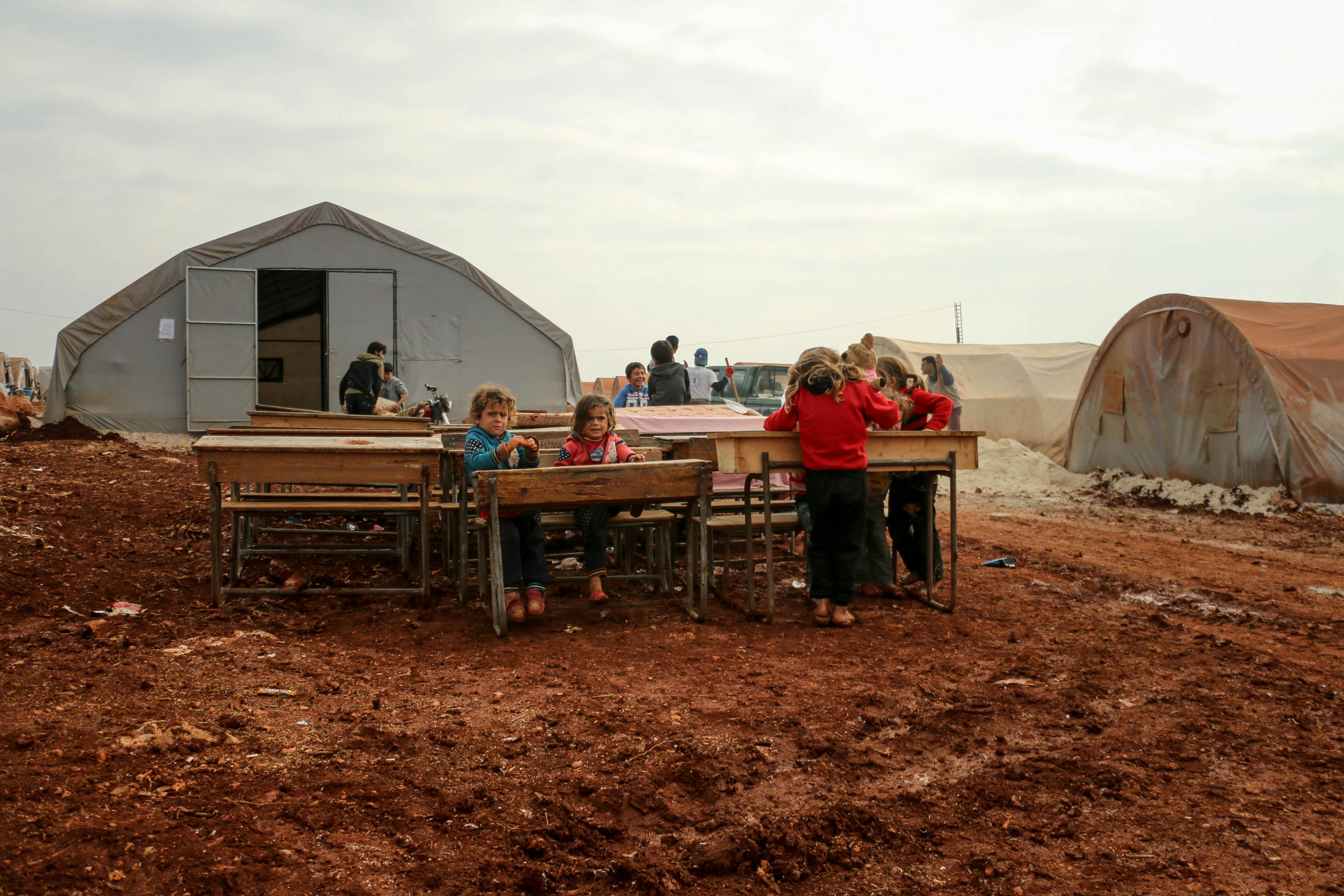
Provincial centers are being overwhelmed by an influx of people seeking perceived aid hubs, but the municipal services—waste management, water, and existing, inadequate housing—cannot cope with the speed of this unplanned urbanization. The result? Sprawling, informal settlements that are highly concentrated zones of vulnerability, often situated in dangerous locations like flood plains. Aid access in these dense, often lawless peripheries is incredibly difficult for large international convoys to navigate, creating aid deserts right outside major cities.. Find out more about Afghanistan humanitarian crisis linked to Middle East war strategies.
Tragic Conditions in Makeshift Settlements
The structures erected in these new camps are constructed from scavenged materials—scraps of plastic, mud, and whatever else can be found. They offer virtually no buffer against the harsh seasonal shifts, whether extreme heat or the coming cold. Overcrowding is rampant, which, as noted in the health section, is the perfect incubator for person-to-person disease transmission. More insidiously, these transient, insecure environments expose the most vulnerable—especially women and children—to significantly heightened risks of exploitation and gender-based violence, adding a layer of acute protection risk to the shelter crisis. Understanding the patterns of this migration is key to effective humanitarian response; see our related analysis on returnee and IDP migration patterns.
The Paralysis of the Aid Architecture: Donor Fatigue and Political Labyrinths
The operational capacity of humanitarian actors to confront this dual crisis—internal collapse exacerbated by external war—is being strangled by two primary forces: a labyrinthine political environment and the predictable, yet devastating, onset of donor fatigue.
Navigating the Political Minefield for Access. Find out more about Afghanistan humanitarian crisis linked to Middle East war overview.
Gaining secure, unimpeded access to *all* populations in need is a constant, high-stakes negotiation. Aid organizations are forced to spend critical resources, time, and funding managing political risk: negotiating mandates, security guarantees, and logistical clearances with various administrative bodies. As international attention wanes due to the Middle East focus, regional power balances subtly shift, making every single permit approval more delicate. A single perceived misstep can lead to an immediate suspension of operations, cutting off vital aid to thousands instantly.
The Starvation of the Humanitarian Appeal
This is the structural failure: **donor fatigue syndrome is setting in hard and fast.** The $1.71 billion needed for the 2026 Humanitarian Needs and Response Plan (HNRP), intended to reach 17.5 million prioritized Afghans, is currently hovering at a mere **10 percent funded**. This is happening while needs are *rising* due to border clashes and returnee surges. Commitments made in times of relative stability are being aggressively reassessed against the backdrop of the new war and strained global budgets. This financial starvation of the pipeline guarantees that every negative indicator—malnutrition rates, disease incidence, mortality—will trend downward, trapped in a spiral fueled only by the lack of external capital to meet internal need. We recommend reviewing the global humanitarian funding trends to grasp the scope of this deficit. Furthermore, the persistent six-month ban on UN female national staff severely impedes the ability to reach and assess the needs of half the population.
To grasp the broader international context influencing these decisions, read this analysis on Global Humanitarian Overview 2026.
Pathways to Survival: Localized Resilience Over Centralized Response
Given the crippling financial and logistical constraints on large-scale, centralized intervention, the only viable path forward is a radical pivot toward adaptive, resilient strategies that empower the local level to absorb the immediate shock while preventing total systemic collapse.. Find out more about Shortages of essential medicines in Afghan health system definition guide.
Radical Decentralization of Aid Delivery
The future of effective aid delivery hinges on minimizing logistical vulnerability. Instead of pouring resources into massive, centralized supply chains that are easily disrupted by border closures or insecurity, funding must be aggressively channeled downward. This means empowering trusted local community committees, established religious leaders, and small, trusted local NGOs to manage distribution.
Practical Steps for Localized Support:
The Diplomatic Imperative: De-escalation as Humanitarian Aid
Ultimately, the fate of millions of Afghans is tethered to geopolitical events far beyond their borders. The most crucial, yet most difficult, intervention is diplomatic: an aggressive, unified front must advocate for de-escalation in the Middle East, as that conflict directly impacts trade routes and donor focus.
Simultaneously, sustained, high-level engagement with all relevant administrative bodies *within* Afghanistan is necessary to carve out and prioritize humanitarian access above all other political considerations. Aid workers need iron-clad assurances to operate without interference, particularly concerning the ability of female staff to work. The foundational assessment rings clear: the window for effective, preventative action to stop total societal breakdown is closing rapidly on March 11, 2026. Ignoring this interconnected crisis today will only guarantee a far costlier, more chaotic intervention tomorrow. For more on the diplomatic landscape, see the latest analysis on regional stability reports.
What are the immediate, non-financial steps your community or network can take to support localized resilience efforts in the face of this funding gap? Share your thoughts below—we need every viable idea.**