The Geopolitical Echoes: Regional Stability and the Iran Connection Following the 2025 Pakistan-Afghanistan Flare-Up
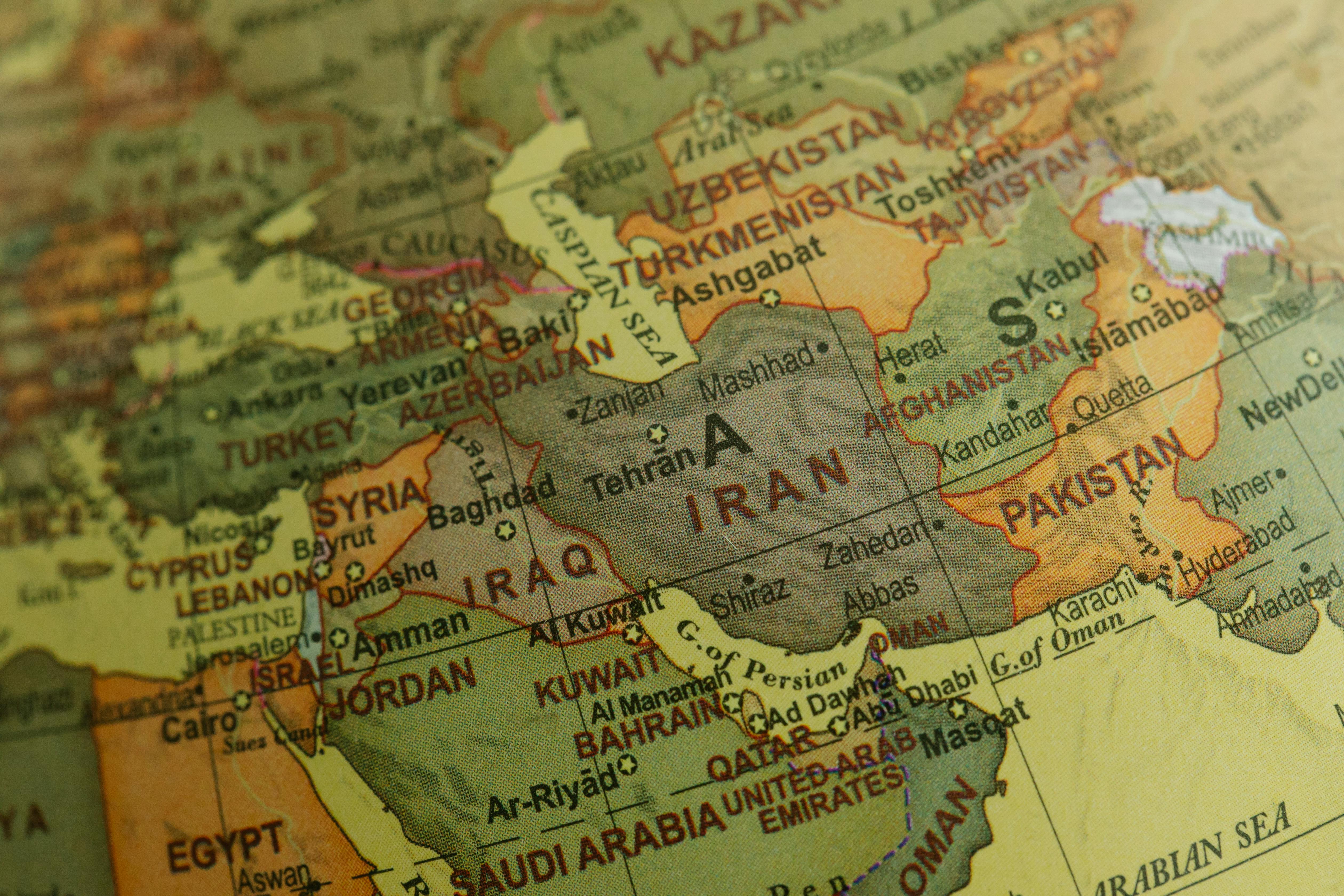
The year 2025 witnessed a dangerous recalibration of security dynamics along the Durand Line, culminating in military exchanges between Pakistan and the Afghan Taliban that sent tremors across the entire region. This kinetic confrontation, unfolding in the shadow of rising global instability, brought the threat of a large-scale interstate war perilously close, earning the grim moniker of a potential “war next to Iran.” The geopolitical fault lines—drawn by issues of terrorism, sovereignty, and strategic depth—were starkly illuminated. As of March 2026, the situation remains a precarious balance between intermittent conflict and fragile diplomacy, demanding continuous reassessment from regional capitals, including Tehran.
Regional Neighbors Observing with Alarm
The intensity of the fighting that erupted in mid-October 2025 naturally drew immediate and intense scrutiny from all regional and global actors. The geographical sensitivity of the area—sandwiched between the volatility of the Middle East, the strategic interests of Central Asia, and the vastness of South Asia—meant that any significant destabilization along the Pakistani-Afghan corridor carried immediate, cascading security and political ramifications for neighbors like Iran, whose own security posture was already being tested by external pressures in early 2026.
The initial conflagration was triggered when, in the early hours of October 9, 2025, Pakistan launched a series of targeted airstrikes across Afghanistan, code-named “Operation Khyber Storm”. These strikes hit urban centers including Kabul, Khost, Jalalabad, and Paktika province, with the stated aim of eliminating senior leadership of the Tehreek-e-Taliban Pakistan (TTP), including its leader Noor Wali Mehsud.
The immediate, forceful, and non-cooperative response from the Afghan Taliban demonstrated a qualitative shift in the cross-border relationship. On the night of October 11 to 12, the Afghan Taliban, acting through the Islamic National Army led by Qari Fasihuddin, launched retaliatory attacks against multiple Pakistani military posts along the border. This action signaled an enhanced offensive posture and a clear willingness to project force beyond mere border defense. Though the Taliban’s Ministry of Defense announced the conclusion of their operation following these attacks, Pakistani officials rejected the unilateral ceasefire declaration, confirming that clashes persisted into the morning of October 12. The intensity of this initial phase threatened to redraw regional alliances, forcing states to rapidly reassess their strategic postures in a rapidly evolving security landscape.
The Iran Crisis as a Compounding Shock
Crucially, the October 2025 crisis occurred while the region was already on edge. Subsequent analysis has confirmed that the conflict and the associated border closures became inextricably linked with the escalating crisis involving Iran. The war in the Middle East, which escalated sharply following US and Israeli strikes on Iran in late February 2026, added a compounding shock to the fragile stability east of the Iranian border.
The primary linkage materialized through trade and supply corridors. In mid-October 2025, in response to the heavy clashes, Pakistan closed all eight major official border crossings, including the vital Torkham and SpinBoldak-Chaman corridors. This closure immediately halted commercial trade and cross-border movement, stranding thousands of people and trucks. For landlocked Afghanistan, this represented a major shock to food security, as key imports like cooking oil, rice, and fuel rely heavily on these Pakistani arteries. The subsequent Iran crisis amplified these economic pressures through a general increase in energy prices, freight and insurance costs, and overall market uncertainty, effectively worsening the systemic economic impact of the Pakistan-Afghanistan standoff on Kabul.
The Proxy Accusation and India’s Role
A particularly charged element introduced into the discourse surrounding the conflict was the accusation by Pakistani officials that the Afghan Taliban was not acting alone. While Kabul consistently denied any such external linkage, Pakistani narratives framed the conflict within the broader, long-standing geopolitical rivalry with India [cite: The prompt suggests this was part of the initial discourse]. Later reports, specifically following the subsequent escalation in March 2026, confirm this narrative thread, with Pakistani sources claiming the October 2025 unprovoked attack was launched by the Afghan Taliban and “India-sponsored Fitna-al-Khawarij”.
Such allegations served to immediately frame the military actions not merely as a counter-terrorism imperative against the TTP, but as an extension of the subcontinent’s larger strategic competition. This tactic sought to complicate the narrative for international mediators and place the dispute on a different political footing, even as Pakistan’s core grievance remained the alleged TTP sanctuary in Afghanistan.
International Mediation Efforts and Diplomatic Thrusts
The rapid deterioration of the situation in October 2025 necessitated swift, external diplomatic mobilization to halt the kinetic exchanges before they could metastasize into an unconstrained, full-scale interstate war. The fear that the conflict could become another significant vector of instability in an already volatile South and Central Asian landscape drove immediate international engagement [cite: The prompt’s context implies this].
The Framework for a Halt in Fighting in October 2025
Following the initial, intense period of exchanges through mid-October, diplomatic intervention managed to secure a temporary arrangement to stop the immediate fighting. Reports later confirmed that mediators, including Qatar and Turkey, were actively engaged in brokering a cessation of hostilities, which led to a tenuous ceasefire later that month. This agreement, though fragile, provided a necessary, albeit brief, window to step back from the brink [cite: The prompt’s context].
This initial truce was predicated on securing concrete commitments from the Taliban government to dismantle TTP sanctuaries—the very catalyst for the crisis. However, reports indicated that these attempts to secure substantive political resolution were unsuccessful [cite: The prompt’s context]. The underlying issues remained entirely unresolved, meaning the cessation of large-scale violence was perceived more as a temporary abatement of symptoms rather than a cure for the systemic disease plaguing the relationship [cite: The prompt’s context].
China’s Crucial Role in Early 2026 De-escalation
As the immediate intensity of the October flare-up subsided, the underlying tensions were reignited by a significant escalation in late February 2026. This new round of severe fighting, involving Pakistani strikes on major Afghan cities including Kabul, prompted a renewed and more concentrated diplomatic thrust. By March 2026, reports confirmed that China’s mediation efforts had become pivotal in easing the worst of the cross-border clashes since 2021.
Beijing’s efforts were multifaceted and included high-level intervention. These efforts reportedly included a meeting between the Chinese Ambassador to Pakistan, Jiang Zaidong, and Pakistani Prime Minister Shehbaz Sharif late in February 2026, which carried a direct message from President Xi Jinping calling for a cessation of hostilities. Furthermore, China’s Special Envoy for Afghanistan Affairs was reported to be actively shuttling between the two countries. The Chinese Foreign Ministry stated its aim was to “prevent the fighting from expanding and for the two countries to return to the negotiating table as soon as possible”. This diplomatic push, contrasted with the Middle Eastern focus of other regional powers like Qatar and Saudi Arabia, positioned Beijing as a critical stabilizing force on Pakistan’s western flank as of early 2026.
Analyzing the Military Capabilities Demonstrated in Two Thousand Twenty-Five and Beyond
The military exchanges of late 2025 and the subsequent confrontations in early 2026 served as a brutal demonstration of the operational readiness and strategic intent of both the Afghan Taliban and the Pakistan Armed Forces, revealing evolving threat vectors.
The Afghan Taliban’s Enhanced Offensive Posture
The retaliatory actions taken by the Afghan Taliban in October 2025 demonstrated a marked improvement in operational coordination and a willingness to project force offensively. The launch of attacks against multiple Pakistani military posts in the retaliation phase signaled a clear shift from purely defensive posturing to active, though primarily frontier-based, retaliation. The speed with which the Islamic National Army mobilized to respond to the initial Pakistani provocation indicated a capacity to organize and execute significant operations within a compressed timeframe.
This capability was dramatically underscored in the escalation of early 2026. Reporting from March 2026 detailed that Taliban forces had launched armed drone strikes on key military installations deep inside Pakistan, including the Nur Khan Air Base in Rawalpindi, the 12th Division Headquarters in Quetta, and sites in Khyber Pakhtunkhwa. The targeting of Nur Khan Air Base, which houses critical command and control infrastructure, exposed significant vulnerabilities in Pakistan’s internal security grid and its aerial defense posture against threats originating from Afghanistan.
Pakistan’s Strategic Air Power Projection
Conversely, Pakistan showcased a clear and potent ability, and crucially, the political will, to employ significant air power in a direct manner against the Afghan establishment. Operation Khyber Storm in early October 2025 involved strikes against major urban centers such as the capital, Kabul, and provincial capitals like Jalalabad and Paktika.
This demonstrated a clear operational advantage in aerial capabilities and a readiness to deploy them directly against targets associated with the ruling Afghan establishment, marking a significant escalation from prior security engagements that had often been confined to border areas. Furthermore, Pakistan continued its aggressive stance into 2026 with “Operation Ghazab lil-Haq,” which security sources claimed targeted key Taliban infrastructure, including the 313 Corps headquarters in Kabul and training camps in Kandahar and Paktia in March 2026.
Vulnerability of Critical Military Assets: A Persistent Threat Landscape
The evolving threat landscape revealed that Pakistan’s security apparatus faced persistent sensitivities even in its most guarded zones. The context of the cross-border confrontations, including the later escalation in 2026, shed light on the perceived vulnerability of its critical assets. Specifically, the Nur Khan Air Base in Rawalpindi became a focal point, as it was noted that this facility, storing critical command and control infrastructure, had been previously struck in May 2025 by India (during their “Operation Sindoor”) and was again targeted in the Taliban drone strikes of early 2026. This pattern illustrates that the threat landscape Pakistan faced was multi-faceted, evolving from conventional border skirmishes to sophisticated aerial challenges, exposing sensitive command nodes to attack from both western and eastern directions over the course of 2025 and into 2026.
The Tenuous De-escalation and Initial Ceasefire
The pattern emerging from the 2025 confrontation was one of intense kinetic exchange followed by fragile diplomatic pauses, only to revert to sporadic violence. The period following the mid-October fighting was characterized by a lack of substantive political resolution, leaving any achieved calm precarious.
The Limitations of the Truce
Despite the successful negotiation of a pause in major operations secured by international mediators, the underlying structural issues that fueled the crisis remained entirely unaddressed [cite: The prompt’s context]. The TTP sanctuaries, the central grievance of Pakistan, were not dismantled to Islamabad’s satisfaction [cite: The prompt’s context]. This failure to secure concrete commitments from the Taliban government meant that the cessation of large-scale violence was always temporary, a brief lull rather than a systemic solution [cite: The prompt’s context].
The Return to Low-Level Confrontations
As the immediate intensity subsided from the October crisis, the situation did not vanish; instead, it reverted to a pattern of sporadic, low-level confrontations along the 2,600-kilometer border. These intermittent clashes served as a constant, low-burning reminder that the truce was provisional. The risk of another major flare-up remained acutely present as long as the core security grievances persisted unresolved, a risk that materialized again in late February 2026. Even during a brief pause instituted on a Thursday in March 2026 at Torkham to retrieve a body, procedural delays between the Afghan authorities caused the pause to lapse before the retrieval could be completed, highlighting the deep mistrust and operational fragility at the border points.
Future Trajectories: Implications for Regional Security Posture
The events of October 2025, and the subsequent escalations of February/March 2026, have set deeply worrying precedents for the security architecture of South and Central Asia. The conflict has implications that stretch far beyond immediate border management, impacting economic integration and the perceived legitimacy of diplomatic engagement.
The Erosion of Bilateral Economic Ties
The escalating security tensions following the October 2025 clashes had a profound, deleterious effect on the economic relationship between the two nations. The closures of the border crossings immediately halted trade, which previously amounted to substantial annual figures. As of the early months of 2026, trade has experienced repeated and severe disruptions, moving towards a near-total cessation of formal Pakistani exports to Afghanistan [cite: The prompt’s context, 12].
For the landlocked Afghan economy, the consequences have been severe, translating directly into market pressures. Prices for key imported staples, such as cooking oil and rice, rose sharply on the Afghan side of the border in the immediate aftermath of the closures. Furthermore, Kabul found itself increasingly hampered in its ability to utilize Pakistani ports for international trade, a critical lifeline that has only been exacerbated by the ongoing conflict in the Middle East which impacts global freight costs. This economic isolation only deepens the challenges for the ruling regime in Kabul.
The Precedent Set for Future Disputes
The events of October 2025—and the subsequent major escalation in February 2026—established a dangerous new precedent. By engaging in direct, high-profile military exchanges, including targeted air strikes on a capital city like Kabul, both sides significantly lowered the threshold for future conflicts.
This new reality implies that future disagreements are now more likely to be settled through kinetic means rather than purely diplomatic avenues. The progression from covert support to proxy engagement, and finally to overt, large-scale military confrontation, signals a profound shift in Pakistan-Afghanistan relations [cite: The prompt’s context]. The fact that even intense diplomatic mediation by major powers like China in early 2026 only managed to taper the fighting, not resolve the deep-seated issues, suggests this pattern of crisis and temporary lull is likely to define their future interactions.
The Enduring Question of the Afghan Taliban’s Alignment
The enduring crisis forces a global reassessment of the Afghan Taliban’s true strategic alignment. The persistence of the TTP threat, the Taliban’s continued willingness to engage in direct conflict with Pakistan over that issue, and the persistent accusations of external linkages (such as the ‘India-sponsored’ claims) mean that the political calculus for engagement with the Kabul regime must be continuously revised by every regional capital.
Historically, Pakistan enjoyed a degree of leverage over the Taliban stemming from their wartime alliance and sponsorship. However, with the conflict ending in Afghanistan and the Taliban no longer requiring Pakistani sponsorship, that leverage has diminished considerably, making them less inclined to accede to Islamabad’s core security demands. The year 2025 concluded with this fundamental geopolitical question—whether the Taliban prioritize their ties with Pakistan or their ideological alignment with groups like the TTP—remaining dangerously unanswered, a question that the continued low-level confrontations of early 2026 have done little to resolve. For neighbors like Iran, this uncertainty signals continued regional instability on their eastern flank, linking the security outlook of three major regional powers.