The Geopolitical Strain: How Global Conflicts Complicate Ukraine’s Defense
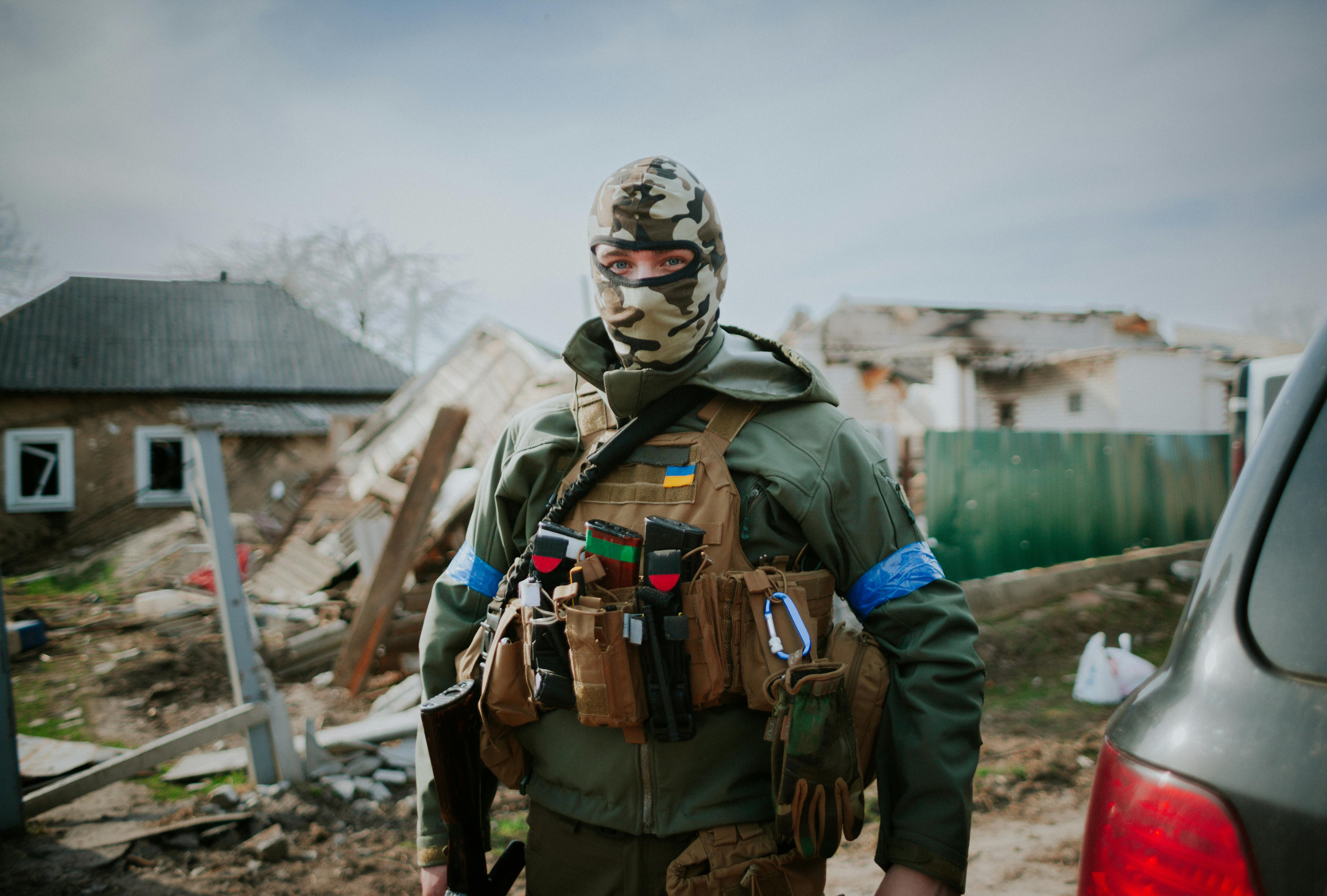
As of March 15, 2026, the conflict between Ukraine and Russia has entered a critical phase defined by the intersection of regional attrition and global instability. President Volodymyr Zelensky has recently issued a stark warning regarding the diversion of international focus and resources, specifically highlighting how the escalation of conflicts involving Iran and its proxies threatens to undermine Kyiv’s ability to sustain its defense against Russian aggression. This development underscores a growing reality: the war in Ukraine is no longer an isolated struggle but a central node in a complex, interconnected web of global security challenges.
The Iran-Russia Axis and the Resource Squeeze
The deepening military cooperation between Moscow and Tehran has moved beyond the initial supply of Shahed-series loitering munitions. By early 2026, intelligence reports indicate a more integrated industrial partnership, with Russia providing advanced aerospace technology in exchange for ballistic missiles and manufacturing expertise. This partnership has forced Ukraine to stretch its air defense assets thinner than ever before.
President Zelensky’s recent warnings emphasize that as the international community—and specifically the United States and its European allies—grapples with the volatility in the Middle East, the supply of critical interceptor missiles for systems like the Patriot and NASAMS is being redirected or delayed. This creates a dangerous vacuum in Ukrainian airspace, allowing Russian forces to conduct more frequent and devastating strikes on energy infrastructure and logistics hubs. The strategic challenge is clear: if the global focus shifts decisively toward other theaters, the industrial output of the West may not be sufficient to sustain two high-intensity conflicts simultaneously.
Societal Resilience and Domestic Stability
Stability Concerns Within the Ukrainian State
The sustained attacks on civilian infrastructure create a profound challenge for domestic governance. The Ukrainian state must function under the constant threat of power outages, internet disruptions, and the fear that permeates daily life. Despite these immense challenges, the resilience of the local population remains a pivotal factor in the continuation of the war. The government in Kyiv is tasked with maintaining social cohesion and preventing the erosion of public support for the war effort, which is being targeted by the enemy through calculated efforts to spread fear and uncertainty.
The administration’s focus on maintaining essential services and demonstrating transparency in its dealings with international allies is vital for keeping the public engaged and hopeful. If the citizenry were to lose faith in the ability of their government to ensure their basic safety, the domestic front could crumble, which would be a catastrophic outcome for the nation’s survival. As of Q1 2026, the government has implemented decentralized energy grids to mitigate the impact of targeted strikes, a move that has significantly improved the reliability of heating and electricity in major urban centers compared to the winter of 2024-2025.
Global Diplomatic Tensions and Sanction Efficacy
The international response to the conflict is defined by an intricate web of diplomatic pressures and economic sanctions. As news of deeper cooperation between Moscow and Tehran circulates, it places immense pressure on global diplomatic forums to address these violations of norms. The efficacy of sanctions, however, remains a point of contention among international observers.
While financial restrictions have certainly hampered the Russian economy, the existence of alternative trade routes and black-market channels continues to facilitate the movement of essential military components. The challenge for the global community is to create a more robust system for tracking and interdicting the flow of these critical dual-use technologies. This requires a level of international cooperation that is often difficult to sustain, as different countries hold varying priorities regarding their own national interests and energy security. The warning from the Ukrainian government is, in essence, a challenge to the international community to move beyond rhetoric and adopt a more aggressive posture against those who enable the aggressor.
The Logistical Struggle for Wartime Production
Industrial Capacity and Wartime Production
The transition of the Ukrainian economy to a wartime footing has been a monumental task. The focus has shifted from standard commerce to the maintenance and refurbishment of critical defense assets. In this area, the collaboration with Western defense contractors is essential. Yet, the sheer scale of the conflict means that current production levels of artillery shells and interceptor missiles often fall short of the operational requirements.
The lesson learned by military planners in this war is that modern conflict requires an industrial base that is capable of rapid expansion and modification. This is a difficult transition for many developed nations that have long relied on just-in-time logistics and lean manufacturing. The conflict has acted as a catalyst for rethinking how defense industrial bases are structured, emphasizing the need for decentralized production and redundant supply chains that can withstand the shocks of a prolonged war. As of March 2026, several European nations have successfully scaled up production of 155mm artillery shells, but the gap between demand and supply remains a primary bottleneck for frontline operations.
Managing the Strain on Limited Resources
The management of limited resources remains a primary concern for the administration in Kyiv. Every piece of equipment, from the smallest drone component to the largest main battle tank, is subject to intense scrutiny regarding its deployment. The strategy has been to prioritize the protection of key industrial and military assets while ensuring that the front line remains as fortified as possible.
This necessitates a high degree of centralization in decision-making, which in turn can lead to frustration among regional commanders who feel the lack of resources on the ground. The balance between local tactical needs and national strategic objectives is a constant source of friction. To navigate this, the government has been working to decentralize certain aspects of procurement and maintenance, empowering local initiatives and smaller private enterprises to contribute to the war effort. This approach not only alleviates the burden on the central government but also encourages innovation at the local level, particularly in the development of low-cost, high-impact drone technology.
Operational Adaptations and Tactical Shifts
Countering Advanced Aerial Threats
The battlefield of the twenty-first century is defined by the ubiquity of aerial surveillance and strike capabilities. The Ukrainian military has been forced to adapt by embracing highly mobile, decentralized units that can avoid detection and minimize the impact of precision strikes. This shift in tactics has been particularly successful in preventing the Russian military from achieving total air superiority.
Instead, the conflict has settled into a contested environment where both sides must constantly evolve their defensive and offensive strategies. The use of electronic warfare, in particular, has become a vital component of this adaptation. By disrupting the signals that guide incoming munitions, units on the ground are able to create zones of relative safety. This technological arms race is ongoing, with each new advancement on one side immediately met by a countermeasure from the other. As of early 2026, the integration of AI-driven target acquisition has further accelerated the pace of tactical decision-making, forcing commanders to rely on rapid, automated responses to incoming threats.
Personnel Fatigue and Operational Endurance
Beyond the hardware and the logistics, there is the human element of the war, which is perhaps the most significant constraint of all. The soldiers on the front lines have been engaged in a brutal, high-intensity conflict for an extended period, and the toll this takes on both their physical health and psychological well-being is immense. Maintaining operational endurance in such an environment requires a robust system of troop rotation, medical support, and psychological counseling.
However, the scarcity of personnel makes this a difficult task to execute effectively. The leadership in Kyiv has been forced to grapple with the tension between the need for experienced soldiers at the front and the exhaustion that these individuals face. This creates a difficult cycle where the military must balance the necessity of sustained engagement with the long-term need for a rested and prepared force. It is a problem that no amount of advanced technology can fully solve, highlighting the limits of what a nation can demand from its people in times of survival.
Prognosis for Future Hostilities
Potential Scenarios for Prolonged Hostilities
As we look toward the future, the prospect of a prolonged war remains a distinct possibility. The current stalemate, characterized by incremental gains and high casualties, suggests that neither side is close to a definitive military victory. In this context, the role of international support becomes even more critical. If the current level of aid is maintained or increased, it is likely that the conflict will continue to be a war of attrition where the side with better logistics and stronger political resolve emerges as the eventual winner.
If, however, support were to wane, the strategic balance could shift significantly in favor of the invader. The future of this war is thus bound to the decisions made in capitals across the globe. It is a sobering reality that the fate of a sovereign nation, and indeed the broader stability of the European continent, is currently caught in the crossfire of geopolitical maneuvering and the slow churn of industrial output.
The Requirement for Integrated Security Pacts
In the long term, the security of the region will depend on the creation of new and more integrated security arrangements. The existing frameworks have proven insufficient to prevent the current conflict, and there is a clear consensus that a new approach is necessary. This could involve the formalization of long-term security guarantees, deeper military integration between Ukraine and its Western partners, and the development of a more robust regional alliance structure.
The goal would be to provide a credible deterrent that prevents future aggression while providing the necessary support to ensure that the current conflict can be brought to a conclusion that respects the sovereignty and territorial integrity of the nation under attack. These security pacts would need to be backed by concrete commitments to long-term defense cooperation, ensuring that the support provided to Kyiv today is not just a temporary measure but a foundation for a more secure and stable future.
Reflections on an Uncertain Strategic Horizon
Synthesis of Current Geopolitical Pressures
The war in Ukraine has become a prism through which the broader challenges of the current era are viewed. From the rise of new, tech-enabled threats to the fragility of global supply chains and the limits of international diplomatic institutions, this conflict encapsulates the complexities of the twenty-first century. The cooperation between states like Iran and Russia acts as a forcing function, compelling the global community to reassess its commitments and its strategies for maintaining peace.
It is no longer possible to view conflicts as isolated incidents; they are, instead, ripples in a global system of interconnected power dynamics. As we synthesize these pressures, it becomes clear that a new, more proactive approach to international security is required, one that recognizes the speed and scale of modern warfare and the necessity of rapid, coordinated responses.
Long Term Outlook for European Security
The outcome of this conflict will set the tone for European security for decades to come. A successful defense of sovereignty and the establishment of a lasting peace will provide a blueprint for how democratic nations can stand together against external aggression. Conversely, a failure to support these efforts would embolden those who seek to rewrite international borders through force.
The path forward is difficult and fraught with uncertainty, but it is clear that the resolve of the Ukrainian leadership and the continued support of the international community are the primary variables in this equation. As the conflict continues to evolve, the focus must remain on the core principle that sovereignty and international law are the bedrock of global stability. Ensuring that these principles hold, despite the immense challenges and the changing nature of modern warfare, is the fundamental task for all nations that value the future of a secure and stable world order.