The Escalation Point: Afghanistan Thwarts Pakistan Airstrikes on Bagram as “Open War” Strains Region
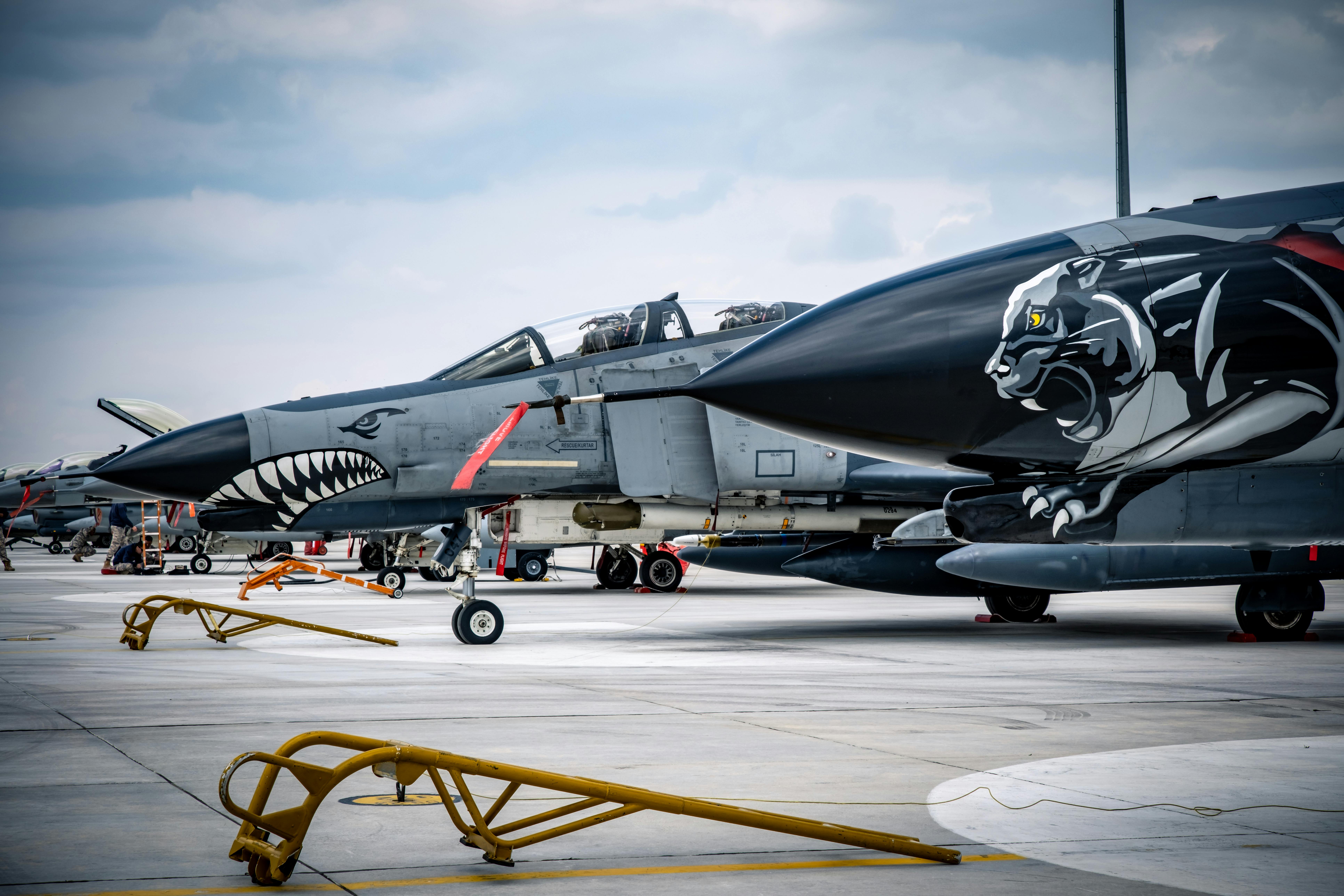
The tense, months-long friction between Afghanistan and Pakistan has dramatically escalated into what Pakistan’s Defence Minister Khawaja Mohammad Asif has declared an state of “open war”, following a recent spike in cross-border hostilities culminating in Afghanistan claiming to have successfully defended its strategic Bagram Airbase from Pakistani airstrikes on Sunday, March 1, 2026. This incident, which marks the fourth day of intense, state-on-state confrontation, has alarmed the international community, especially given the continued presence of transnational militant groups like al-Qaida and the Islamic State in the region. The trajectory of this conflict is deeply rooted in post-2021 geopolitical shifts and a failure of recent diplomatic interventions, forcing a serious contemplation of long-term security realignments across South Asia and the Middle East.
Security and Logistical Implications within Afghan Cities
Heightened Security Presence and Increased Checkpoints in the Capital City
The escalating violence did not remain confined to the remote border regions; rather, it generated visible security changes within the nation’s primary urban center, Kabul. Following the intensity of the cross-border exchange, local reports noted a marked increase in the deployment of security personnel and the establishment of additional checkpoints throughout the central areas of the capital on Sunday, March 1, 2026. This physical manifestation of heightened alert reflects the government’s apprehension regarding potential reprisal attacks or internal destabilization stemming from the border conflict, even though some reports noted quiet streets during earlier Pakistani strikes on Friday, February 27, 2026. The movement of armed Taliban security personnel and the noted increase in security measures underscore the immediate threat perception within the core of the country, far from the Durand Line itself.
The Role of Specific Military Units and Personnel in Provincial Defense
The defense of key locations like Bagram relied heavily on the immediate response of provincial security structures. Statements confirming the defense of the airfield were issued by the police headquarters of Parwan province, where Bagram is located, demonstrating that local and regional command structures were directly involved in executing the air defense strategy on Sunday, March 1, 2026. The police statement detailed that Pakistani military jets entered Afghan airspace and attempted to bomb the airbase at approximately 5 a.m., prompting a direct response from Afghan forces utilizing “anti-aircraft and missile defence systems” to successfully thwart the attack. This underscores a decentralized but coordinated response where provincial security elements played a crucial, front-line role in safeguarding national assets against high-altitude threats.
The Current State of Military Mobilization and Deterrence
Reports of Downed Aircraft and Captured Posts as Indicators of Success
Within the ongoing conflict, both sides sought to bolster their narrative of success by claiming material gains against the adversary. Afghan officials specifically cited the successful downing of two Pakistani drones and the capture or destruction of numerous Pakistani forward military positions—with claims reaching 27 posts captured and others destroyed—as evidence of their operational superiority in ground exchanges. These specific claims serve as crucial, albeit disputed, metrics used to gauge the effectiveness of their military actions and deter further incursions. Conversely, Pakistan’s Information Minister, Attaullah Tarar, claimed that 46 locations across Afghanistan had been hit by airstrikes since its operation began, asserting that Pakistan had killed 415 Afghan soldiers. Casualty claims from both sides remain difficult to verify independently.
The Impact of the Conflict on Civilian Life and Daily Security Narratives
While the conflict is primarily framed in military terms, its immediate and devastating effects ripple outward to the civilian populace, a point frequently highlighted in Afghan official statements. The reports of mortar fire impacting civilian residences in Paktia province, causing at least one civilian death, and drone strikes causing casualties, including a woman and a child, in Nangarhar province, served to humanize the cost of the conflict for the Afghan side. The Deputy Spokesperson for the Taliban government, Hamdullah Fitrat, alleged that Pakistani fire had resulted in 36 civilian deaths across multiple provinces since the fighting reignited on Thursday, February 26, 2026. These reports emphasize the danger inherent in the cross-border fighting extending beyond purely military objectives, affecting communities near key border crossings like Torkham.
Future Trajectories and Diplomatic Exhaustion
The Exhaustion of Diplomatic Avenues in the Face of Escalation
The current environment is characterized by a profound sense of diplomatic fatigue or outright failure, given that the intensity of the fighting suggests existing diplomatic channels have proven inadequate to enforce a sustained peace. With mediation efforts from prominent regional powers, specifically Saudi Arabia and Qatar, having failed to secure a truce in the immediate aftermath of this intense exchange, the pathway back to de-escalation appears narrow and dependent on a fundamental shift in military calculus or political will from one or both capitals. This diplomatic impasse follows the failure of peace talks held in Turkey in November 2025, which were intended to cement a ceasefire agreed upon after the deadly October 2025 border clashes. The continuation of hostilities despite these efforts signals a deep entrenchment of mutual distrust.
Contemplation of Long-Term Security Pacts and Alliances
The strain of the conflict may force both nations to seek new security arrangements, potentially altering the regional balance of power. A significant development preceding this latest flare-up is the formalization of a new alliance structure in the region. Specifically, Pakistan entered into a Strategic Mutual Defence Agreement (SMDA) with Saudi Arabia on September 17, 2025. This pact, which stipulates that “any aggression against either country shall be considered an aggression against both,” echoing NATO’s Article 5, signals Pakistan’s attempt to shore up its security posture by linking itself to the Middle East’s financial power. Such moves suggest a long-term strategic recalibration is underway in response to the perceived threat environment, extending beyond the immediate hostilities and potentially placing Riyadh under the protective shadow of Pakistan’s nuclear deterrent.
Analysis of Prior Conflict Triggers and Precursors
The October Incursion Targeting TTP Leadership
Tracing the immediate genesis of this most recent severe conflict requires looking back to the events of the previous October. That period saw a significant air strike conducted by Pakistan inside Afghanistan’s capital, a strike allegedly aimed at eliminating a specific high-value target within the TTP leadership structure, namely Noor Wali Mehsud. The October 9, 2025, strike targeted a vehicle believed to be carrying the TTP emir, making it the first reported Pakistani operation inside Kabul since the 2022 U.S. drone killing of Ayman al-Zawahiri. While Mehsud is believed to have subsequently resurfaced alive, the strike was a stark demonstration of Pakistan’s reach and served as the immediate catalyst that provoked retaliatory counter-operations from Afghan forces, setting the trajectory toward the current state of confrontation, which officially reignited on February 26, 2026.
The Taliban’s Ascent to Power in Two Thousand and Twenty-One as a Foundational Shift
Underpinning the entire current dynamic is the fundamental political transformation that occurred when the ruling authorities returned to power in the nation following the withdrawal of foreign forces in the year two thousand and twenty-one. This event drastically altered the security calculus for Pakistan, as the Tehreek-e-Taliban Pakistan (TTP) subsequently experienced a significant resurgence in its operational tempo and capability inside Pakistan, leveraging the shifting political landscape and access to mobility and weapons provided by the new administration. Pakistan accuses the Afghan Taliban government of providing a safe haven to the TTP, an accusation Kabul consistently denies, instead framing the TTP insurgency as a homegrown problem. This foundational shift remains the long-term strategic context against which all subsequent border incidents are measured, as the TTP has been blamed for hundreds of deaths in bombings and other attacks in Pakistan over the years since 2021.
The comprehensive re-evaluation of this critical, ongoing security crisis demonstrates an unfortunate escalation in the Afghanistan-Pakistan relationship, moving from border friction to a state of what one party has termed open war, with the defense of symbolic and strategic sites like the Bagram Airbase becoming central to the narrative of sovereignty and deterrence in this volatile geopolitical region. The failure of repeated diplomatic interventions, coupled with deeply entrenched historical disputes surrounding the Durand Line and the complicating factor of transnational militant groups, ensures this developing story will continue to command significant international media attention throughout the remainder of the current period.