The €90 Billion Buffer: EU Commits to Ukraine’s 2026-2027 Survival as Putin Cries ‘Robbery’
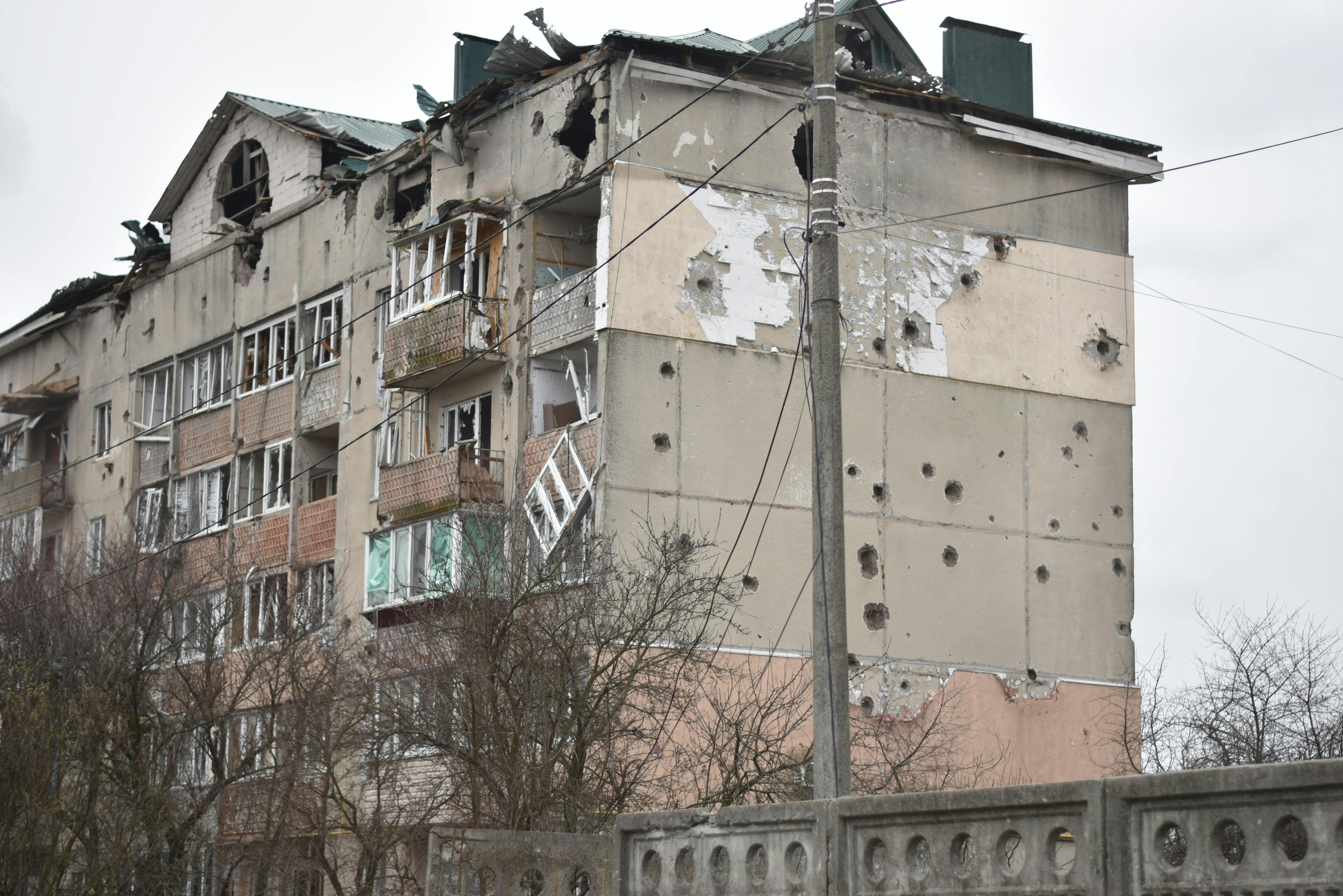
On the nineteenth of December, 2025, after days of intense and reportedly fraught negotiation, leaders of the European Union reached a pivotal financial agreement, delivering a substantial lifeline to Kyiv for the coming two years of conflict. The consensus forged in Brussels secures an interest-free loan package of €90 billion to support Ukraine’s critical military and budgetary requirements through 2026 and 2027. This monumental commitment, announced by European Council President António Costa, was deemed essential to bolster Ukrainian resilience as the conflict grinds on, nearly four years after Russia’s full-scale invasion began.
However, the final mechanism for the funding reveals a deep, unresolved fault line within the bloc: the package is being raised through EU borrowing on capital markets, backed by the Union’s budget headroom, effectively sidestepping the more ideologically potent, yet politically complicated, path of seizing and utilizing frozen Russian sovereign assets. The decision to pivot away from immediate asset deployment drew a sharp and predictable condemnation from the Kremlin. Russian President Vladimir Putin, speaking on the same day, dismissed the move to use the immobilized funds as “robbery”, warning that such an action would not only damage Russia’s image but fundamentally “undermining confidence in the eurozone”.
This dual development—a massive financial guarantee juxtaposed with the deferral of the most punitive financial measure against Moscow—sets the stage for the next phase of the long war. The €90 billion provides a crucial temporal advantage, yet it simultaneously imposes a hard deadline for achieving a decisive strategic shift. The subsequent analysis must now pivot from immediate relief to long-term sustainability, exploring how this funding horizon will shape battlefield realities, diplomatic postures, and the inevitable calculus of future Western support.
The €90 Billion Lifeline: A Two-Year Commitment Backed by EU Debt
The core of the December 2025 agreement is the provision of €90 billion, earmarked to cover essential state functions and defense procurement for Ukraine over the calendar years 2026 and 2027. This figure represents approximately two-thirds of the total external financing estimated by the International Monetary Fund (IMF) to keep Ukraine financially viable over the same period. The IMF had previously projected Ukraine’s need to be closer to €137 billion for 2026 and 2027, signaling that while the EU’s contribution is substantial, a gap remains, likely requiring continued efforts from other international partners, including the United States and the G7 nations.
The structural innovation of this package is its financing method. By opting for debt instruments issued by the EU on the open market, guaranteed by the Union’s budget, leaders sought a path that avoided the legal pitfalls and potential retaliation feared by some member states associated with directly confiscating Russian sovereign assets. This mechanism is designed to be repaid by Ukraine only once Russia compensates for the war damages—a massive, likely distant prospect. As German Chancellor Friedrich Merz noted in hailing the deal, the zero-interest loan sends a definitive political signal that “Europe stands behind Ukraine”.
The timeline is explicitly finite. The funds are designated for the next two years, placing intense focus on the efficacy of their deployment. The success of this financial architecture will not solely be measured by the funds’ absorption, but by whether they translate into the necessary military parity or diplomatic leverage required to alter the fundamental strategic equation with the Russian Federation before the 2027 fiscal year concludes and the need for a subsequent, even larger, financial framework becomes paramount.
The Frozen Assets Conundrum: A Political Stalemate Deferring Ultimate Leverage
Crucially underpinning the entire debate was the fate of the estimated €210 billion in Russian central bank assets immobilized across the EU, the vast majority of which are held by Euroclear in Belgium. Ukrainian leadership, including President Zelenskyy, had actively pushed for these funds to be utilized, viewing them as the most just and potent source of war financing.
The initial proposal favored by some, including Germany, involved structuring the new support as a “reparations loan” collateralized by the future use of these frozen assets. However, this approach hit a significant roadblock rooted in Belgian concerns over legal precedent and potential Russian reprisal against its own holdings and financial stability. Belgian Prime Minister Bart De Wever articulated this resistance, stating there were “a lot of loose ends” in the asset-use plan, which risked collapsing the broader consensus.
The compromise reached on December 19th preserves the legal status quo regarding the assets while securing immediate funding. The EU leaders explicitly stated that the assets remain blocked until Moscow pays reparations, and the Union expressly reserves its right to use the immobilized funds to repay the newly issued €90 billion loan should Ukraine be unable to do so. This constitutes a vital, if indirect, legal tether to Russia’s immobilized wealth. For Kyiv, the fact that the assets “remain immobilized” is a political victory in itself, even as the direct cash flow was sourced elsewhere. For the EU, it was an act of self-preservation, safeguarding the principle of legal certainty over aggressive financial maneuvering in the short term.
Moscow’s Response and the Geopolitical Signaling
Vladimir Putin’s reaction was swift and accusatory, framing the EU’s decision through the lens of Western hostility towards Russia. His characterization of the intended use of frozen assets as “robbery” reinforces the Kremlin’s long-standing narrative that the conflict is a proxy war initiated by a hostile collective West. His accompanying threat regarding investor confidence underscores the perceived financial and legal risk the West took by even debating the seizure of sovereign assets.
Conversely, the agreement itself serves as a powerful act of signaling to Moscow. By structuring a massive, multi-year financial commitment, the EU has conveyed an unwillingness to allow Ukraine to collapse financially, regardless of the immediate political cost within the Union. This resolve appears to be a direct response to the evolving geopolitical calculus of late 2024 and 2025, where some allies, notably the United States, scaled back their direct support mechanisms, leaving Europe as the primary guarantor of Kyiv’s continued defense. The cohesion displayed by the 27 member states—despite the difficult nature of the borrowing agreement and the internal opt-outs secured by Hungary, Czechia, and Slovakia from the guarantee pool—is a strategic message of sustained deterrence.
Forward Looking Scenarios for Conflict Duration and Resolution
The €90 billion injection fundamentally re-calibrates expectations for the conflict’s trajectory over the next 24 to 36 months. It shifts the focus from immediate collapse to protracted attrition, underwritten by European solvency. The forward-looking analysis is therefore concentrated on two primary vectors: the exhaustion of this financial runway and the resulting effect on diplomatic engagement.
The Two-Year Financial Horizon and Subsequent Funding Needs
While the ninety billion euro loan provides a critical two-year buffer, it simultaneously imposes a two-year deadline for achieving a significant shift in the conflict’s trajectory or securing the next phase of funding. The initial estimates suggested a need closer to one hundred thirty-five billion euros over that span, meaning this package, while immense, does not cover the entire projected gap. Therefore, the focus will inevitably shift toward contingency planning: what happens in two years when this financial runway begins to empty? Success in the coming months will be judged not only on battlefield gains but also on the political success of securing an extension or a new financing mechanism, potentially one that does involve the frozen assets if the legal arguments can be settled. The resolution of the asset debate remains the ultimate, high-stakes prize that determines the true sustainability of the current support level.
Projections on the Evolution of the Diplomatic Standoff
This financial commitment solidifies the current state of protracted, high-intensity conflict, making an immediate diplomatic breakthrough significantly less likely. With Kyiv assured of vital material support for the near term, the incentive for making difficult concessions at the negotiating table diminishes, while the Kremlin, having seen the West commit substantial long-term resources, is incentivized to continue its military pressure in the hope of achieving a more favorable position before the next round of major financing negotiations begins. The dynamic suggests an intensification of the current stalemate—a period defined by economic warfare on one flank and kinetic warfare on the other. The true measure of success for the EU loan may ultimately be whether it buys enough time for a favorable geopolitical shift to occur, either on the battlefield or within the internal politics of the aggressor state, thereby altering the fundamental calculus that currently sustains the conflict’s continuation. The immediate future appears locked into a period of grinding confrontation, underwritten by this monumental, if fractious, European financial guarantee.
The Evolving Political Architecture: Debt, Guarantees, and the Next MFF
The nature of the borrowing agreement itself introduces new complexities into the Union’s internal fiscal structure. The necessity of using EU-backed debt means that, ultimately, the Union’s credit rating and budgetary headroom are partially leveraged for this purpose. The agreement included specific safeguards for certain member states—namely Czechia, Hungary, and Slovakia—who were granted exceptions ensuring that their specific financial obligations to the EU budget would not be impacted by guaranteeing this loan. This demonstrates the continued difficulty in achieving true unanimity on shared financial risk, even in the face of an existential external threat.
Furthermore, this two-year package explicitly sets the stage for the next major EU financial negotiation cycle. European Commission President Ursula von der Leyen confirmed that financing Ukraine beyond 2027 will necessarily become a central component of the forthcoming Multiannual Financial Framework (MFF) discussions. This means that the political battles over burden-sharing, the utilization of the Russian assets, and the overall strategic commitment to Ukraine are merely being pushed from late 2025 to the negotiation of the next multi-year EU budget plan.
The security aspect of the arrangement is also noteworthy. Alongside the financial aid, European leaders have also reaffirmed their commitment to providing robust security guarantees, a parallel track of support discussed in the preceding weeks. This holistic approach—financial backing coupled with explicit security assurances—is intended to provide Kyiv with the necessary stability to plan for a prolonged defense, irrespective of the short-term domestic political volatility in donor nations.
Conclusion: A Strategy of Underwritten Attrition
The EU’s agreement on the €90 billion loan in December 2025 is less a final solution and more a sophisticated political maneuver designed to bridge an immediate crisis. It successfully insulated Ukraine’s war effort from imminent bankruptcy, directly countering any potential Kremlin hopes that Western resolve would fracture over winter financing. President Zelenskyy’s gratitude underscores the immediate practical necessity of the funds.
However, the reliance on market borrowing, born from the political impasse over the €210 billion in immobilized Russian assets, ensures that the central strategic question of long-term leverage remains unresolved. The conflict has been financially underwritten for two more years, institutionalizing a strategy of underwritten attrition. As the calendar flips toward 2028, the ultimate resolution will hinge upon whether the intervening period allows for a decisive military advantage to be seized, or if the EU will finally overcome the legal and political hurdles to tap the frozen sovereign funds—the only mechanism capable of guaranteeing support at the scale Ukraine’s projected needs demand beyond the current fiscal window.