The Evolving Effectiveness of HIMARS: A Comprehensive Analysis (2024-2025)
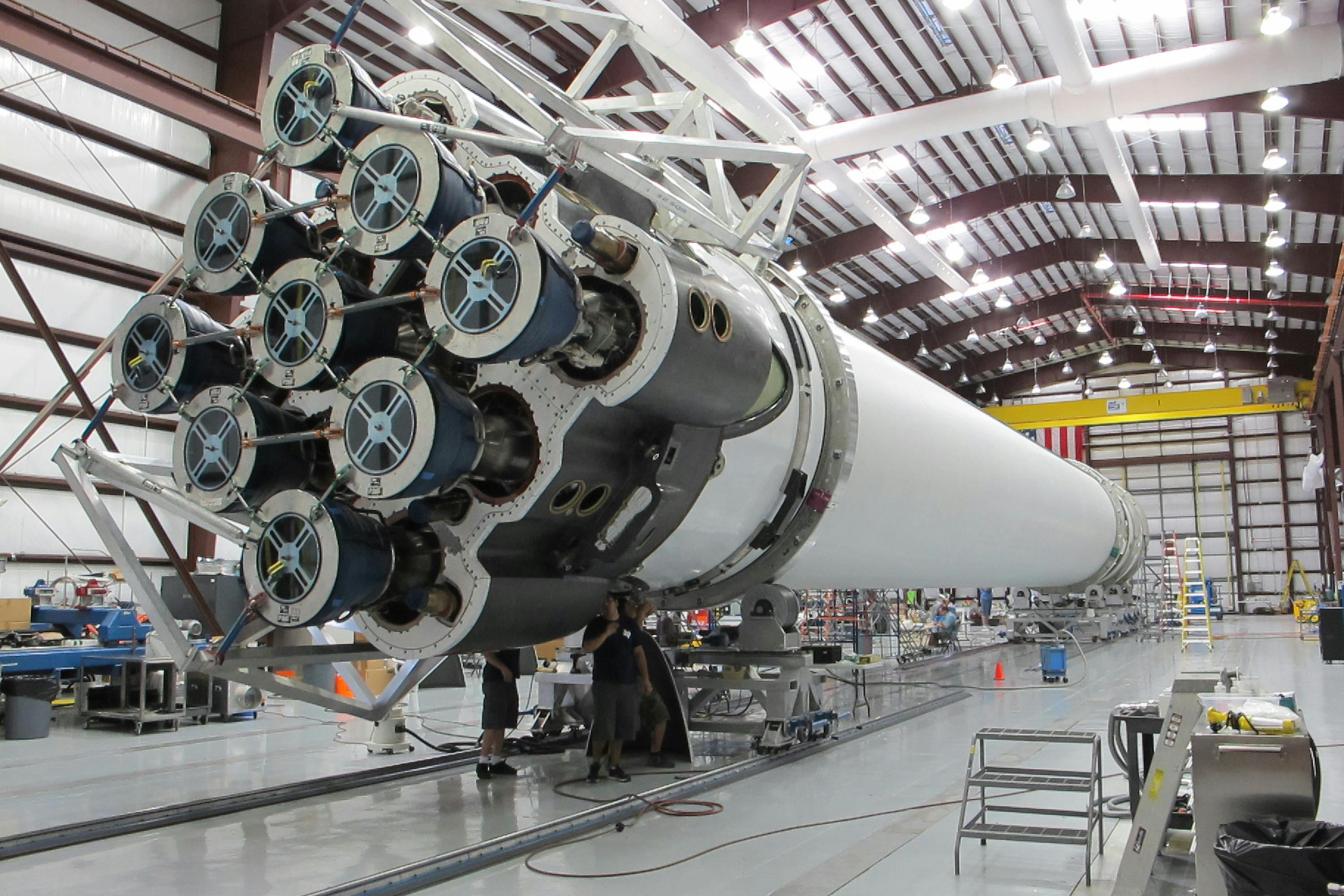
The M142 High Mobility Artillery Rocket System (HIMARS) has cemented its reputation as a pivotal weapon system in modern warfare, largely due to its impactful deployment in the Ukraine conflict. Its ability to deliver precision strikes at extended ranges, coupled with its high mobility, has made it a sought-after asset for militaries worldwide. This article delves into the multifaceted effectiveness of HIMARS, examining its performance, ongoing developments, and the challenges it faces in the contemporary battlefield, drawing on information from 2024 and 2025.
HIMARS in the Ukraine Conflict: A Game-Changer
Since its introduction to the Ukrainian battlefield in the summer of 2022, HIMARS has been instrumental in Ukraine’s defensive and counter-offensive operations. Its primary impact has been its capability to strike critical Russian targets deep behind enemy lines, including ammunition depots, command and control centers, logistics hubs, and troop concentrations. These precision strikes have significantly degraded Russia’s ability to sustain its operations on the front lines.
Key Contributions to Ukrainian Operations:
- Disruption of Logistics: HIMARS has been highly effective in targeting Russian ammunition and fuel depots, which were previously relatively safe from Ukrainian artillery due to their distance from the front lines. This forced Russia to adapt its supply strategies.
- Degradation of Command and Control: The system’s ability to strike command posts and headquarters has disrupted Russian military coordination and decision-making processes.
- Precision Strikes: With Guided Multiple Launch Rocket System (GMLRS) rockets, HIMARS can achieve precision strikes with a circular error probable of less than 10 meters. The Army Tactical Missile System (ATACMS) further extends its reach, allowing for strikes on strategic targets deep within enemy territory.
- High-Value Target Elimination: HIMARS has been credited with destroying numerous high-value Russian targets, including air defense systems.
- Morale and Strategic Impact: The system’s successes, such as the strike on a Russian barracks in Makiivka on New Year’s Eve 2022 that reportedly killed over 700 troops, have had a significant impact on morale and strategic calculations.
Technological Advancements and Future Capabilities
The effectiveness of HIMARS is continuously being enhanced through technological advancements and strategic upgrades. These developments aim to increase its range, precision, and versatility, ensuring its relevance in future conflicts.
Hypersonic Integration and Enhanced Munitions:
- Hypersonic Capabilities: The U.S. Army is working to integrate hypersonic capabilities into HIMARS through the Blackbeard Ground Launch (GL) weapon system. This integration aims to allow HIMARS to engage targets at Mach 5, significantly reducing response times and increasing mission effectiveness. The program is slated for potential battlefield deployment by 2028.
- Extended-Range GMLRS (ER GMLRS): The development of ER GMLRS significantly increases the engagement range of HIMARS, potentially doubling it to 150 kilometers, thereby expanding its battlespace coverage.
- Precision Strike Missile (PrSM): The PrSM is designed to engage targets at ranges exceeding 499 kilometers and is compatible with HIMARS and the M270 MLRS. Lockheed Martin has secured significant contracts for PrSM production, indicating its strategic importance.
Upgraded Platforms and Double Load-Out Capabilities:
- GMARS (Global Mobile Artillery Rocket System): Developed by Lockheed Martin and Rheinmetall, GMARS is a European-built wheeled artillery system based on HIMARS. It can carry twice the munitions of HIMARS, including two ATACMS or 12 GMLRS rockets, and has undergone successful live-fire testing.
- “Double Load-Out” Capability: Lockheed Martin is developing enhancements for HIMARS, referred to as GMARS for Germany, which will allow the system to carry two ATACMS missiles or 12 GMLRS rockets, effectively doubling its firepower.
- M270A2 Upgrades: The M270 Multiple Launch Rocket System (MLRS) is also undergoing upgrades, including new engines, improved armored cabs, and the Common Fire Control System (CFCS), making it compatible with next-generation munitions.
Global Demand and Production Expansion
The proven effectiveness of HIMARS in Ukraine has led to a surge in global demand. Lockheed Martin has responded by significantly increasing its production capacity to meet these needs.
Production Increases and International Orders:
- Doubled Production: Lockheed Martin has doubled its annual production of HIMARS launchers to 96 vehicles per year, a target achieved ahead of schedule.
- Increased GMLRS Production: Production of GMLRS munitions has also been ramped up, reaching approximately 1,166 rockets per month, or 14,000 annually, a 40% increase over 2022 rates.
- International Procurement: NATO nations bordering Russia, such as Estonia, Latvia, and Lithuania, are leading a procurement rush for HIMARS batteries to bolster their defenses. Other countries like Australia, Poland, and Romania have also expressed significant interest.
- Contract Awards: The U.S. Army has awarded substantial contracts to Lockheed Martin for HIMARS production and upgrades, reflecting continued investment and demand. Contracts worth up to $1 billion were awarded in May 2025 for FY2025, following $2.8 billion in contracts awarded in 2024. A $742 million contract was awarded in May 2025 for the production of additional HIMARS units.
Challenges and Countermeasures
Despite its successes, HIMARS faces challenges, primarily related to Russian electronic warfare (EW) capabilities and air defense systems.
Russian Countermeasures:
- Electronic Warfare and Jamming: Reports indicate that Russian jamming and electronic warfare capabilities have impacted the effectiveness and accuracy of HIMARS, with some assessments suggesting a significant reduction in hit rates. Some Ukrainian assessments noted that HIMARS sometimes missed targets by over 50 feet due to jamming.
- Air Defense Interceptions: Russian air defense systems, such as the Buk-M1, have claimed the ability to intercept HIMARS rockets. Russian defense reports periodically claim the downing of HIMARS missiles.
- Targeting of HIMARS: HIMARS platforms themselves have become targets for Russian forces. While Russia has claimed multiple HIMARS destructions, video evidence of the first confirmed destruction emerged in March 2024. Germany has purchased three HIMARS from U.S. stockpiles to replace those lost by Ukraine.
Adaptation and Mitigation:
In response to these challenges, continuous efforts are being made to adapt and mitigate the impact of Russian countermeasures.
- System Updates: Lockheed Martin and the U.S. military are working on improved systems with enhanced guidance systems more resistant to jamming.
- Munition Diversification: Ukraine has sought alternative munitions, such as unguided M26 cluster munitions, which are resistant to jamming.
- Electronic Warfare Integration: The U.S. Army’s 25th Infantry Division is transforming its intelligence, information, and electronic warfare battalion to boost its capability to “see and sense farther,” which could indirectly support HIMARS operations.
- “Shoot and Scoot” Tactics: The inherent mobility of HIMARS, allowing it to rapidly relocate after firing, remains a crucial survivability advantage against counter-battery fire.
Strategic Deployment and Future Outlook
HIMARS is increasingly being integrated into broader military strategies, emphasizing its role in multi-domain operations and deterrence.
Pacific Deployment and NATO Exercises:
- Pacific Operations: The U.S. Army’s 25th Infantry Division in Hawaii is transitioning to HIMARS units to bolster its lethality and operational reach in the Indo-Pacific region, addressing strategic competition with China.
- NATO Exercises: Exercises like Thunderbolt Convergence (March 2025) demonstrate NATO allies’ ability to coordinate precision fires using HIMARS across countries and distances in real-time, involving assets like F-35 fighter jets and special forces.
- Global Reach: HIMARS is being deployed and exercised in various regions, including Japan, highlighting its importance in rapid force projection and deterrence strategies.
The Evolving Battlefield:
The ongoing evolution of warfare, characterized by sophisticated electronic warfare and advanced air defense systems, presents a dynamic environment for systems like HIMARS. While challenges exist, the continuous development of new munitions, platform upgrades, and adaptive tactics ensures that HIMARS will likely remain a critical component of modern military arsenals. The system’s proven effectiveness, combined with ongoing innovation, positions it as a key enabler of long-range precision strike capabilities for the foreseeable future.