The Evolving Landscape of Modern Military Operations: Trends and Technologies in 2025
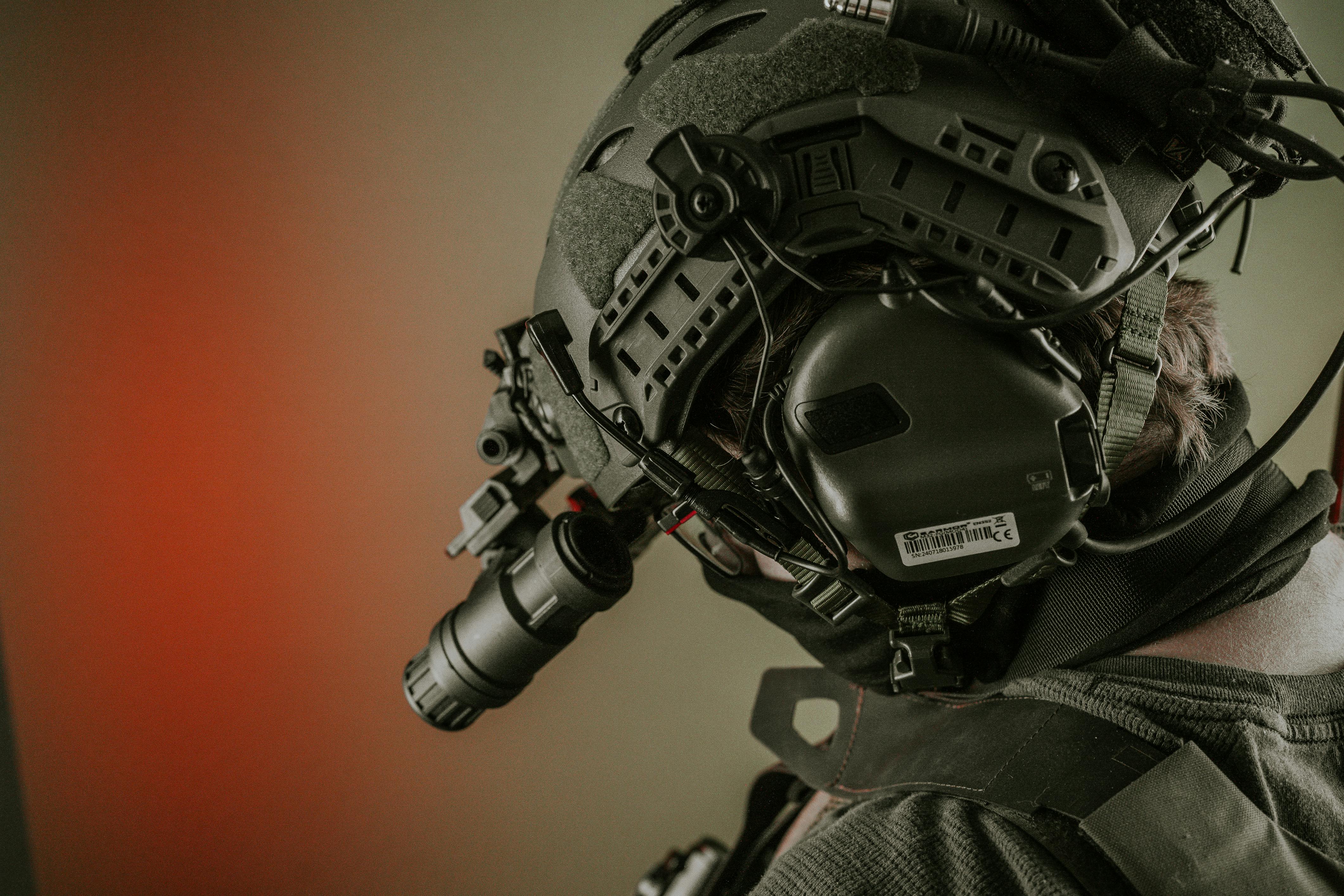
The global security environment is in constant flux, driven by geopolitical shifts, technological advancements, and evolving threats. As of August 2025, the world’s militaries are undergoing a significant transformation, embracing new technologies and strategies to maintain a strategic edge and ensure national security. This article explores the key trends and developments shaping the military landscape in 2025, from the pervasive influence of artificial intelligence to the escalating importance of cyber warfare and the modernization of defense capabilities.
The Ascendancy of Artificial Intelligence and Autonomy
Artificial Intelligence (AI) is no longer a futuristic concept but a foundational element of modern military operations. Its integration spans across various domains, revolutionizing decision-making, logistics, intelligence, surveillance, and reconnaissance (ISR), and autonomous systems. The global AI in the military market was valued at USD 9.31 billion in 2024 and is projected to grow at a Compound Annual Growth Rate (CAGR) of 13.0% from 2025 to 2030.
AI in ISR and Decision Support
AI algorithms are enhancing ISR capabilities by analyzing vast amounts of data in real-time, providing improved situational awareness and enabling faster, more informed decision-making. AI-enabled ISTAR (Intelligence, Surveillance, Target Acquisition, and Reconnaissance) systems are integrating advanced sensors and analytics to improve target acquisition. The U.S. Army’s Project Convergence is a prime example of AI’s role in accelerating tactical decision-making.
Autonomous Systems and Robotics
The deployment of autonomous systems, including Unmanned Aerial Systems (UAS), autonomous ground vehicles (AGVs), and lethal autonomous weapons systems (LAWS), is transforming modern warfare. These systems are increasingly performing high-risk tasks, such as surveillance and combat operations, without direct human intervention, thereby reducing risks to soldiers. The U.S. Army is actively expanding its use of UAS, with a focus on rapid fielding and integration across all echelons. The Army’s eighth unmanned aerial systems summit, held in August 2025, highlighted efforts to equip units with drones more quickly, including live-fire demonstrations and direct soldier feedback. The service is also developing an online marketplace for purchasing approved UAS systems, aiming to streamline acquisition processes.
AI in Logistics and Predictive Maintenance
AI is also optimizing logistics and supply chain management by enabling more accurate prediction of soldiers’ needs and facilitating efficient supply delivery. Furthermore, AI-driven predictive maintenance can alert personnel to impending equipment failures, reducing downtime and enhancing operational readiness.
The Escalating Role of Cyber Warfare
Cyber warfare has emerged as a primary weapon for nations seeking to assert dominance or inflict damage without physical conflict. As we approach 2025, the notion of warfare is increasingly shifting to the digital domain, with cyber operations becoming a first-strike option in geopolitical conflicts. The sophistication of cyberattacks is escalating, with governments leveraging advanced technologies, including AI-driven malware, to outmaneuver targets.
AI-Driven Cyber Weapons and Zero-Day Exploits
AI-driven cyber weapons are capable of dynamically changing their code to evade detection and can automate tasks previously performed by human operators, making them harder to defend against. The proliferation of AI-enhanced cyber tools is transforming both offensive and defensive operations, with advanced persistent threats exploiting AI for reconnaissance, penetration, and malware deployment. The rise of zero-day vulnerabilities and state-sponsored cyberattacks is creating an unprecedented era of digital warfare.
Securing Critical Infrastructure
By targeting critical infrastructure such as energy grids, communication networks, and transportation systems, cyberattacks can cripple national infrastructure and create widespread disruption. Nations are accelerating initiatives to secure AI-enabled command and control (C2) systems against volatile cyber threats, emphasizing resilient and interoperable communications frameworks. This includes implementing robust cybersecurity frameworks, integrating quantum encryption, and enhancing cyber resilience initiatives to protect critical infrastructure.
Advancements in Defense Technologies
Beyond AI and cyber capabilities, significant advancements are being made across a range of defense technologies, reshaping military strategies and operational effectiveness.
Hypersonic Systems and Directed Energy Weapons
Hypersonic systems and directed energy weapons (DEWs) are receiving prioritized development due to their speed and precision. Projects like MACH-TB 2.0 aim to bridge ground and flight testing gaps for hypersonics. High-energy lasers are being deployed to counter drones and missiles with minimal collateral damage.
Counter-Drone Technology and Electronic Warfare
The prolonged conflict in Ukraine has underscored the critical role of drones on the battlefield, leading to increased spending on counter-drone technology. Drones offer real-time logistics, precise targeting, and suppression capabilities, often at a lower cost compared to traditional weaponry. There is a renewed focus on electronic warfare and communication jammers to counter adversarial threats.
Advanced Defense Equipment and Materials
Innovations in materials science and engineering are leading to the development of more resilient, lightweight, and versatile defense equipment. Next-generation body armor utilizes advanced composites and nanomaterials, while exoskeletons offer soldiers increased strength and endurance. The enhancement of precision-guided munitions with advanced sensors and targeting systems is also improving accuracy and reducing collateral damage.
Space Domain and Naval Warfare
The space domain is gaining prominence as a critical area of strategic competition, with advancements in satellite-based ISR and early warning systems. Counter-space capabilities, including electronic warfare to degrade hostile satellites, are also being developed. In naval warfare, autonomous systems like Unmanned Surface Vessels (USVs) and Autonomous Underwater Vehicles (AUVs) are enhancing ISR capabilities and improving mine countermeasures. The Royal Navy, for instance, is fielding a technologically advanced force centered around Type 26-class frigates, complemented by uncrewed vehicles and AI-enabled acoustic detection systems.
Global Military Spending and Geopolitical Trends
Global military expenditure has seen a significant surge, reflecting intensifying security challenges and sharpened threat perceptions. World military expenditure reached USD 2.718 trillion in 2024, an increase of 9.4% in real terms from 2023, marking the steepest year-on-year rise since at least the end of the Cold War. This increase was driven by deteriorating security environments, particularly in Europe and the Middle East.
European and Middle Eastern Spending Surges
Military spending in Europe, including Russia, rose by 17% to USD 693 billion in 2024, making it the main contributor to the global increase. Russia significantly increased its military spending by 38% to an estimated USD 149 billion in 2024. In the Middle East, Israel boosted its defense investment by 65% to USD 46.5 billion, while Lebanon increased its own by 58%.
NATO and Asia-Pacific Investments
All NATO member nations increased their military expenditure in 2024, with 18 countries spending at least 2.0% of GDP, the highest number since NATO adopted the guideline in 2014. The United States’ military spending rose by 5.7% to USD 997 billion in 2024. In the Asia-Pacific region, China accounted for 50% of all military spending, increasing its expenditure by 7% to USD 314 billion. Japan’s military spending rose by 21% to USD 55.3 billion in 2024, the largest annual increase since 1952.
Geopolitical Realignment and Alliances
Geopolitical volatility is the new baseline, with wars in Ukraine and the Middle East, and escalating tensions in Asia, fracturing global security markets. This has led to a recalibration of priorities, with countries strengthening military partnerships and enhancing cooperation in response to assertive actions by major powers. The U.S. military is shifting its focus from “winning the nation’s wars” to “outcompeting China,” with a strong emphasis on upgrading alliances and partnerships.
Transforming Personnel and Training
The military is also investing in advanced training methods to prepare personnel for the complexities of modern warfare.
Immersive Technologies for Training
The adoption of virtual reality (VR), augmented reality (AR), and simulation-based training is transforming military operations. These technologies enhance situational awareness, mission planning, and training efficiency. The military simulation and virtual training market was valued at USD 12.18 billion in 2024 and is expected to grow to USD 13.07 billion in 2025.
AI in Training and Skill Development
AI-powered technologies allow warfighters to practice missions in safe environments, sharpening their skills through realistic combat scenarios. AI can also identify knowledge gaps and track individual progress, personalizing the training experience.
Conclusion
The military landscape in 2025 is characterized by rapid technological advancement, a heightened focus on cyber capabilities, and significant shifts in global defense spending and alliances. The pervasive integration of AI and autonomous systems is revolutionizing operational effectiveness, while cyber warfare presents an evolving and increasingly critical domain of conflict. As nations continue to adapt to a complex geopolitical environment, investment in cutting-edge technologies, robust training, and strong international partnerships will be paramount to ensuring national security and maintaining a strategic advantage in the future of warfare.