Pakistan Strikes Afghan Base After President Warns ‘Red Line’ Crossed
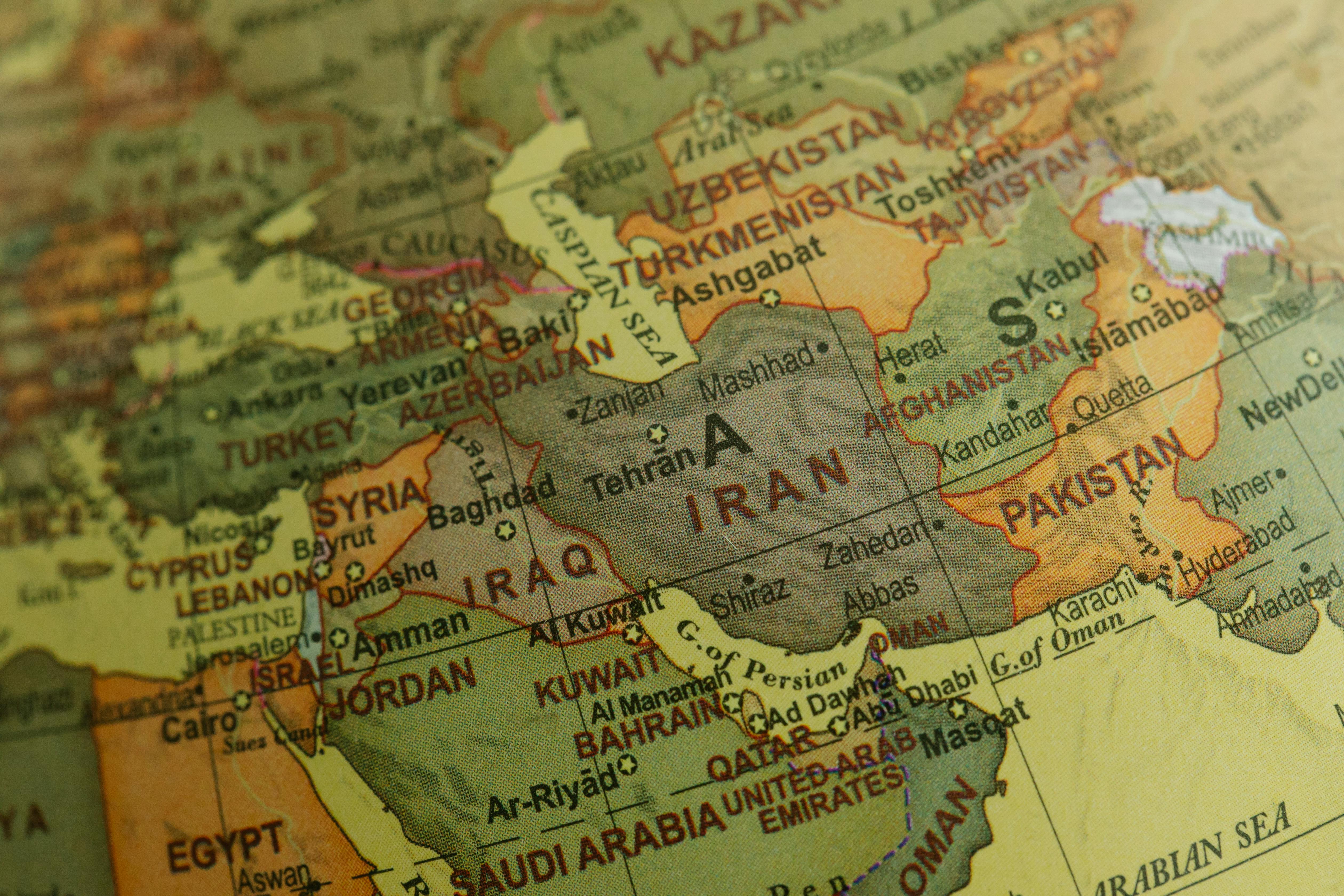
The security landscape along the Pakistan-Afghanistan border has reached a critical inflection point as of mid-March 2026. Following a series of escalating cross-border hostilities, Pakistan has conducted targeted airstrikes against an Afghan military facility in Kandahar Province. This military action followed a stern warning from Pakistani President Asif Ali Zardari, who declared that the Afghan Taliban government had crossed a “red line” by launching drone attacks into Pakistani civilian areas.
The Escalation of Hostilities
The current cycle of violence, which intensified significantly in late February 2026, represents some of the most severe fighting between the two neighbors in recent history. The conflict has evolved from sporadic border skirmishes into a broader confrontation that both sides have described in increasingly grave terms. As of March 15, 2026, the situation remains volatile, with both nations trading accusations of targeting civilian infrastructure and harboring militant groups.
The immediate trigger for the latest Pakistani strikes was a series of drone attacks allegedly launched from Afghan territory. Pakistan reported that its forces intercepted these drones, but falling debris resulted in injuries to civilians in the city of Quetta and other locations. In response, the Pakistan Air Force targeted a facility in Kandahar that Islamabad claims was utilized for drone operations and as a hub for militant activity, including support for the Tehreek-e-Taliban Pakistan (TTP).
A Fragile Security Environment
The conflict has had a devastating impact on the civilian population on both sides of the border. According to United Nations reports and humanitarian organizations, the fighting has led to significant displacement, with tens of thousands of people forced to flee their homes in eastern Afghanistan. The destruction of civilian infrastructure, including homes and health facilities, has further exacerbated an already dire humanitarian crisis in the region.
The intensity of the conflict has drawn international concern, particularly as diplomatic efforts led by regional powers such as China and Turkey have struggled to secure a lasting ceasefire. Despite these mediation attempts, the cycle of retaliation has continued, with both governments maintaining a rigid stance. The Afghan Taliban government has denied harboring militant groups and has accused Pakistan of conducting indiscriminate airstrikes that have resulted in civilian casualties in Kabul and other provinces.
Institutional and Strategic Challenges
The persistent tension between Islamabad and Kabul is rooted in long-standing grievances, including disputes over the Durand Line and Pakistan’s accusations that the Afghan government provides sanctuary to anti-Pakistan militants. The current “open war” rhetoric, as characterized by some officials, underscores the failure of previous diplomatic frameworks to address these fundamental security concerns.
The reliance on military force as a primary tool for border management has proven insufficient to curb the activities of non-state actors. Analysts suggest that the current strategy of retaliatory strikes may provide short-term tactical responses but fails to address the underlying drivers of regional instability. The presence of various militant groups, including the TTP and Islamic State-Khorasan Province (ISKP), continues to complicate the security calculus for both states.
Conclusion and Summary of Findings
Reviewing the Current Escalation
In summary, the recent escalation between these two neighbors represents a critical juncture in their complex relationship. The decision to initiate a military strike, following the invocation of a red line, has introduced new levels of risk into an already volatile environment. The consequences of this action, ranging from humanitarian crises to regional instability, highlight the urgent need for a shift in strategy. It is clear that the status quo is unsustainable, and that both internal and external pressures are pushing the situation toward a point where a lasting resolution is not just desirable but necessary for regional survival.
Synthesis of Critical Developments
The developments described throughout this analysis point to a fundamental need for institutional reform and improved communication between the two states. The reliance on force has consistently proven to be an inadequate substitute for diplomacy. By moving toward a policy that prioritizes security cooperation and acknowledges the shared economic benefits of a peaceful border, the nations could move past the historical grievances that continue to haunt them. As we look at the trajectory for the remainder of this year and beyond, the focus must shift from reactive military posturing to proactive, inclusive, and sustainable peace-building initiatives that offer hope for a generation that has known nothing but conflict.