Pakistan Intensifies Border Operations: 23 Militants Neutralized Amid Volatile Diplomatic Climate
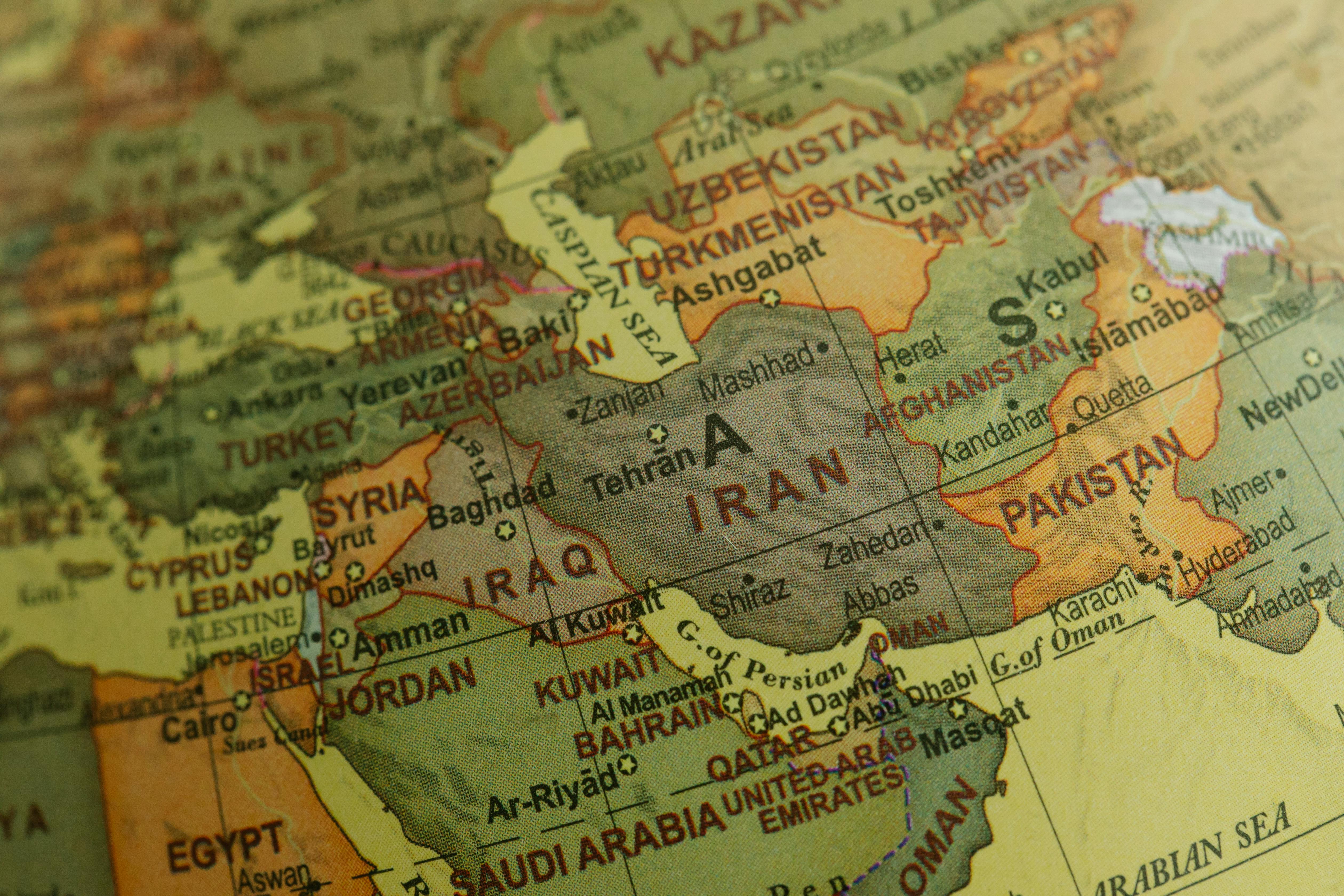
The security landscape along the porous Pakistan-Afghanistan border remains intensely volatile in November 2025, underscored by a significant, recent military action against militant infrastructure. Pakistani security forces executed a meticulously planned and vigorously executed series of engagements, culminating in the neutralization of a substantial number of fighters. This operation serves as a stark declaration of Islamabad’s resolve to actively pursue threats believed to be metastasizing from sanctuaries across the border, particularly in the vacuum created post-2021.
The Targeted Security Action: Neutralizing Militant Nodes
The core news event concerns a highly focused series of engagements conducted by the Pakistani armed forces with the stated objective of targeting terrorist strongholds actively supporting anti-Pakistan activities. These were described not as random skirmishes but as targeted intelligence-based operations designed to degrade the operational capabilities of specific banned organizations operating near the frontier.
Operational Details: Location and Execution of the Raid
The specific theater of operations for the most recent significant action was confirmed to be the Kurram district, a strategically vital and often volatile region within the larger Khyber Pakhtunkhwa province. This area is recognized as a key flashpoint, a junction exposed to cross-border movement of armed elements. Reports indicate that Pakistani troops successfully stormed at least two identified hideouts belonging to the targeted militant factions on Wednesday, November 19, 2025, leading to intense, protracted shootouts within the operational zone. These encounters demanded the full commitment of ground forces engaging directly with entrenched combatants.
Identification of Adversaries: The TTP and ‘Khawarij’ Designation
Crucially, the military statement provided a specific—and politically charged—identification of the personnel neutralized during these raids. The twenty-three individuals were explicitly described as militants belonging to the Tehreek-e-Taliban Pakistan (TTP), or groups affiliated with it. Furthermore, the Pakistani military employed the specific term “Khawarij” (or Fitna al Khwarij), a pejorative religious and political label historically used by authorities to categorize fighters whom they allege are receiving external backing. This terminology explicitly seeks to conflate the TTP—a group distinct from the ruling Afghan Taliban but ideologically linked—with hostile foreign state sponsorship, specifically pointing fingers toward both Afghanistan and India. The government officially designated the TTP as “Fitna al-Khawarij” in 2025 to expose the group’s ideology.
Casualty Figures and Official Post-Raid Communications
Official dispatches from the relevant Pakistani military media wing, the Inter-Services Public Relations (ISPR), heavily focused on the success achieved in terms of neutralizing threats, while maintaining a notable reserve regarding any losses sustained by their own forces during the engagement. This selective reporting frames the action as a decisive victory with no immediate, publicly acknowledged cost borne by the state’s defenders.
Reported Outcomes: The Elimination of Twenty-Three Non-State Actors
The primary, unambiguous figure released was the elimination of twenty-three militants in the two principal engagements in Kurram. This figure stands as a direct measure of success in degrading immediate enemy capability for that specific day’s operation. This operation was also noted to be part of a broader set of similar security actions conducted across the northwestern territories earlier in the same week, with a cumulative toll of nearly thirty-eight militants reportedly killed in those preceding raids, suggesting a concerted, sustained policy of aggressive offensive action.
Absence of Reciprocal Military Losses in Initial Dispatches
A critical element of the initial military announcement was the notable lack of any mention regarding casualties among the Pakistani security forces. While this may indicate a highly successful operation with minimal exposure, its immediate public framing contrasts sharply with the more destructive kinetic exchanges of October, where significant losses were acknowledged on both sides.
The Broader October Crisis: Preceding Escalation and Aerial Engagements
To fully comprehend the context of the recent November raids, one must recall the preceding weeks in October 2025, which marked a nadir in Pak-Afghan relations characterized by an eruption of fighting that threatened to spiral into a full-scale interstate conflict. This period saw unprecedented military strikes deep inside one another’s internationally recognized territories.
The Kabul Airstrike: Targeting High-Value Leadership
The initial major escalation point in October was triggered by Pakistan’s decision to conduct targeted aerial bombardment inside the Afghan capital, Kabul, and other provinces like Khost and Jalalabad, on October 9, 2025. The declared objective of these strikes was the elimination of Noor Wali Mehsud, the principal leader of the TTP, who was reportedly located near Abdul Haq Square in Kabul. These strikes caused civilian casualties according to Afghan sources and represented a severe violation of Afghan sovereignty, prompting immediate and furious diplomatic condemnation. The TTP later released an unverified audio recording, purportedly from Mehsud, claiming he survived the attack.
Taliban Retaliation: Ground Assaults on Forward Pakistani Posts
In direct, calculated response to the Pakistani aerial campaign, the Afghan Taliban launched coordinated ground attacks against multiple forward Pakistani military installations situated along the Durand Line during the night separating October eleventh and twelfth. This was a significant shift from merely hosting TTP elements to actively engaging Pakistani forces, leading to days of heavy, sustained cross-border fire. Some reports from that time indicated Pakistani troops suffered significant losses, with one account noting twenty-three Pakistani soldiers martyred in the initial response to aggression.
Diplomatic Fallout and International Mediation Efforts
Following the peak of the kinetic conflict in mid-October, a period of intense diplomatic activity commenced, driven by regional players desperate to prevent a full-scale war between the two nuclear-armed neighbors. However, these efforts have yielded only temporary relief, highlighting the deep structural disagreements that remain unresolved.
The Strained Ceasefire: Fragility of the Qatari-Brokered Truce
A fragile truce was eventually established near the middle of the month, primarily through the diligent efforts of mediators from the State of Qatar, with support from other nations such as Turkey, and signed on October 19, 2025. This agreement called for an end to reciprocal attacks on security forces and civilians, and mandated follow-up talks. Yet, the border crossings have remained closed since the initial flare-up—a duration noted as 41 days as of the recent raids—symbolizing the lack of genuine trust necessary for a return to normalcy in commerce and movement.
Bilateral Dialogue Breakdown: Failure in Istanbul Negotiations
Subsequent rounds of talks, intended to solidify the ceasefire and establish concrete mechanisms for preventing future cross-border terrorism, failed to achieve a lasting breakthrough. Most recently, negotiations held in Istanbul, Turkey, concluded without an agreement around November 7, 2025. The primary obstacle proved to be the unbridgeable divergence on the central issue: Pakistan’s demand that Kabul actively dismantle and cease providing sanctuary to anti-Pakistan militant groups, a demand the Afghan Taliban leadership consistently refuses to meet.
Accusations and Counter-Accusations: The Narrative War
The conflict is fought as fiercely in the realm of public relations and international diplomacy as it is on the ground along the frontier. Both capitals utilize state media and diplomatic channels to frame themselves as the injured party and the other as the instigator and host of terrorism, creating a complex and often contradictory information environment.
Islamabad’s Stance: Demands for Reining in Afghan-Based Elements
Pakistan’s consistent official posture is that the surge in domestic terrorist incidents, including high-profile attacks like the recent Islamabad bombing, is a direct consequence of the Afghan Taliban’s failure or unwillingness to honor its commitments regarding cross-border terrorism. Islamabad maintains it has a “very strong case” on the issue of terrorism emanating from Afghan soil and repeatedly demands that Kabul take concrete, verifiable action to suppress the TTP and other militant cadres.
Kabul’s Rebuttal: Denials of Sanctuary and Counter-Claims of Aggression
The Afghan Taliban government vehemently denies harboring the TTP or any organized groups that launch attacks into Pakistan, asserting that such allegations are misinformation designed to malign their governance. Furthermore, Kabul actively turns the narrative outward, frequently accusing Islamabad of unilateral aggression through cross-border airstrikes and other operations that violate Afghan sovereignty and result in civilian fatalities.
Wider Regional Security Implications
The flare-up between Pakistan and Afghanistan in the autumn of two thousand twenty-five has broader ripple effects that extend beyond the two immediate combatants, drawing in other regional actors and highlighting the instability inherent in the wider Central and South Asian security mosaic.
The Shadow of Foreign Sponsorship: Allegations Involving India
In addition to blaming the Afghan Taliban, Pakistani official statements have conspicuously escalated rhetoric against the Republic of India, accusing the neighboring nation of actively supporting and sponsoring the very militant groups that Pakistan claims are staging attacks from Afghan territory. This inclusion of India in the official narrative seeks to paint the domestic security challenge as a proxy war orchestrated by regional adversaries, a charge consistently and robustly refuted by New Delhi.
Impact on Other Insurgent Groups: BLA Activities and ISKP Presence
The heightened tensions also intersect with other ongoing security challenges faced by Pakistan, notably the activities of separatist organizations such as the Balochistan Liberation Army (BLA), which seek autonomy in Pakistan’s southwestern region. While distinct from the TTP, the general climate of instability and the Pakistani military’s intensified focus on the Afghan border can create permissive environments for these other insurgent groups to operate. Moreover, the regional context includes the persistent threat posed by the Islamic State – Khorasan Province (ISKP), which maintains a foothold in eastern Afghanistan and has seen its fighters relocate to Pakistan, adding another layer of complexity to any security calculation. The BLA and ISKP have reportedly engaged in clashes in Balochistan.
Future Trajectories and Diplomatic Avenues for De-escalation
With the border situation remaining closed and the ceasefire perpetually at risk of collapse, the international community and regional partners are keen to find a sustainable path back toward diplomatic engagement, moving past the cycle of kinetic responses.
The Importance of Neighborly Mediation: The Iranian Offer
In a positive development signaling potential pathways forward, the Islamic Republic of Iran formally offered its services as a mediator. Pakistani diplomatic sources indicated a willingness to accept this mediation as of mid-November 2025, viewing Iran as a “brotherly, friendly country” capable of playing a constructive role. This suggests a potential opening for a new track of diplomacy, perhaps centered in Tehran, as the established tracks through the Gulf States have yet to cement a lasting peace. Russia has also reportedly offered to mediate.
Long-Term Stability: The Imperative for Border Management Mechanisms
Ultimately, the current crisis underscores that short-term truces are insufficient to manage the deep-seated security architecture failures along the frontier. For lasting stability to take root, both Islamabad and Kabul must move beyond the blame game and seriously commit to establishing robust, verifiable, and mutually agreed-upon border management mechanisms. This would entail cooperative intelligence sharing, established protocols for cross-border strikes in extreme circumstances, and a joint commitment to preventing their respective territories from being used as launching pads for aggression against the other sovereign state—an outcome that will require significant concessions from both sides in the turbulent year of two thousand twenty-five.