Shin Splint Support for Military Personnel: A Comprehensive Guide
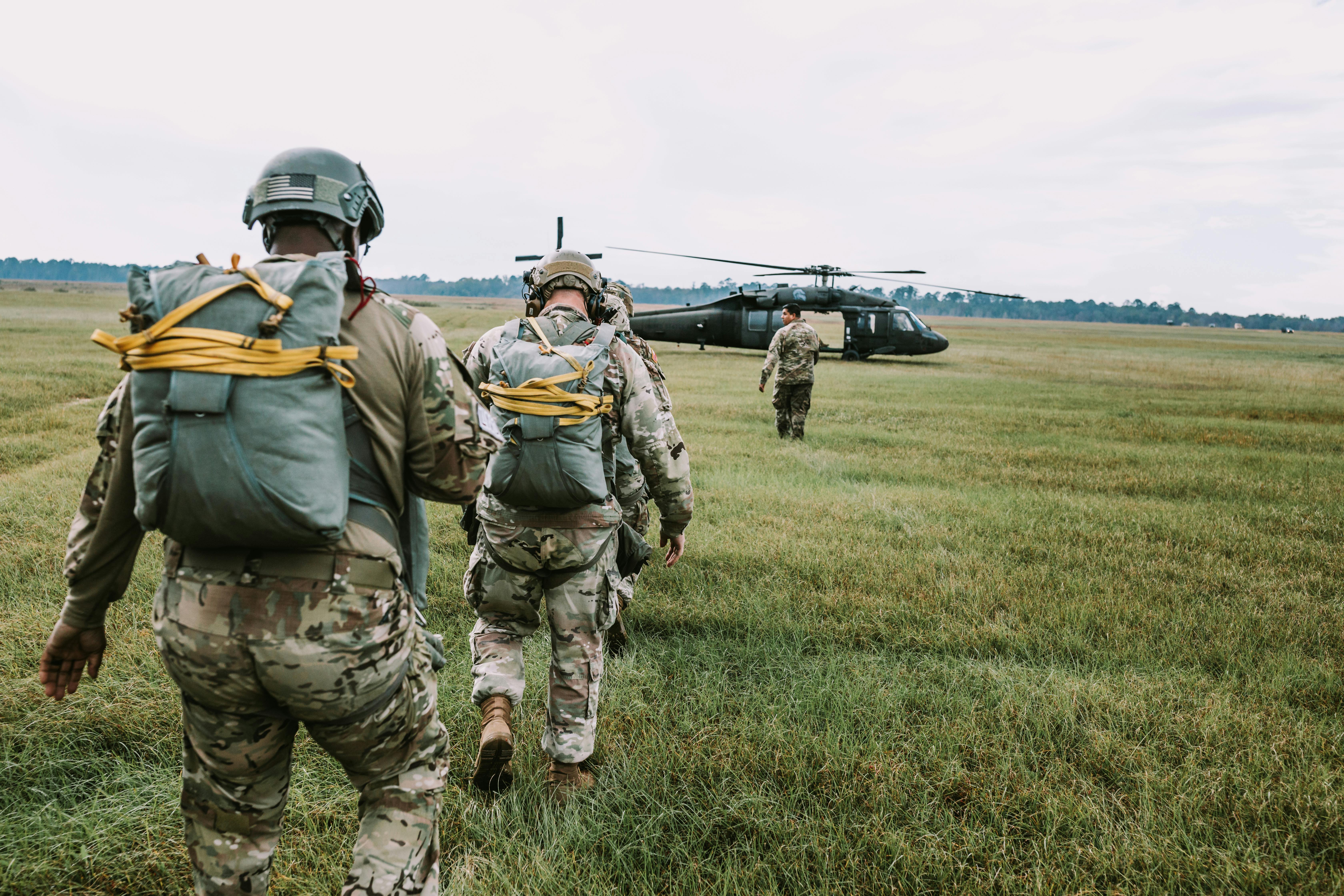
Shin splints, medically known as medial tibial stress syndrome (MTSS), are a common and often debilitating condition that affects military personnel. The rigorous physical demands of military training and operations, including running, marching, and carrying heavy loads, place significant stress on the lower legs, making service members particularly susceptible to this overuse injury. While often manageable with rest and conservative treatment, persistent shin splints can impact operational readiness, lead to extended recovery times, and increase healthcare costs. This comprehensive guide explores the prevalence, causes, prevention strategies, and the role of specialized bracing for military personnel dealing with shin splints.
Understanding Shin Splints in a Military Context
Shin splints are characterized by pain and inflammation along the tibia, the larger of the two bones in the lower leg. This pain typically arises from repetitive stress that irritates the bone tissue and the muscles, tendons, and fascia surrounding it. For military personnel, the constant cycle of high-impact activities, often with added load from rucksacks, exacerbates this stress. Studies indicate that a significant percentage of military recruits experience shin splints, with some reports suggesting rates as high as 50-70% of recruits may suffer from injuries during training, many of which are overuse injuries like shin splints.
Prevalence and Impact on Readiness
The high incidence of shin splints among military personnel has a direct impact on operational readiness. These injuries can lead to lost training days, reduced physical performance, and in severe cases, may even necessitate medical profiles that limit deployability. The financial burden is also substantial, with the U.S. government incurring significant costs for medical care and rehabilitation related to these common injuries.
Risk Factors for Military Personnel
Several factors contribute to the increased risk of shin splints in military settings:
- Increased Training Intensity and Volume: Military training often involves a rapid and substantial increase in physical activity, which can overwhelm the body’s ability to adapt.
- Repetitive High-Impact Activities: Running, marching, and rucking, especially with heavy loads, place continuous stress on the lower legs.
- Inadequate Conditioning: Personnel who are not adequately conditioned for the demands of military training are at a higher risk.
- Improper Footwear: Worn-out or ill-fitting boots and shoes can fail to provide adequate support and shock absorption.
- Training Surfaces: Exercising on hard surfaces like concrete or asphalt can increase the impact forces on the lower legs.
- Biomechanical Factors: Intrinsic factors such as flat feet (pes planus), limited ankle dorsiflexion, and altered hip rotation can predispose individuals to shin splints.
- Overtraining and Insufficient Recovery: Pushing through pain without adequate rest and recovery can lead to tissue breakdown and inflammation.
Prevention Strategies for Military Personnel
Preventing shin splints is paramount for maintaining military readiness and individual well-being. A multi-faceted approach incorporating proper training, conditioning, and supportive measures is essential.
Intelligent Training Programming
Adhering to gradual progression in training volume is crucial. The “10% rule,” which suggests limiting weekly increases in mileage or intensity to no more than 10%, is a widely recommended strategy to avoid overuse injuries. For military personnel, this translates to a careful build-up of running and rucking loads, especially during initial training phases.
Strength and Conditioning
Strengthening the muscles of the lower leg, including the tibialis anterior and calf muscles, is vital for supporting the shin bone and absorbing impact. Exercises such as tibialis raises and calf raises, when incorporated progressively, can build resilience. Improving ankle stability through exercises like balancing on one foot or using a balance board can also help prevent injury.
Proper Running and Rucking Form
Correcting running form can significantly reduce stress on the shins. A midfoot strike is often recommended over a heavy heel strike, as it distributes impact more evenly. When rucking, maintaining a high cadence with short, quick steps, landing the foot directly under the hips, and keeping both feet on the ground as much as possible can mitigate the increased forces associated with carrying extra weight.
Myofascial Release and Stretching
Regularly engaging in myofascial release techniques, such as using a foam roller, massage stick, or lacrosse ball, can help alleviate muscle tension and improve flexibility in the lower legs. Stretching the calf and shin muscles before and after activity is also important for maintaining range of motion and reducing resting muscle tension.
Footwear and Orthotics
Wearing supportive footwear that is appropriate for the activity is essential. For individuals with biomechanical issues like flat feet, custom or over-the-counter orthotics can provide arch support and reduce stress on the lower legs. Consulting with a podiatrist or physical therapist for specialized advice on insoles can be beneficial.
The Role of Shin Splint Braces and Compression Sleeves
When prevention strategies are not enough, or as an adjunct to treatment and recovery, specialized bracing and compression garments can offer significant relief and support for military personnel experiencing shin splints.
Types of Shin Splint Support
A variety of braces and sleeves are available to help manage shin splint pain:
- Compression Sleeves: These lightweight sleeves provide gentle compression to the lower leg, which can help improve circulation, reduce swelling, and minimize muscle vibration during activity. They are often a good option for mild pain or preventative use.
- Shin Splint Wraps/Bands: These are designed to apply targeted compression directly to the affected area, often featuring a contoured pad that stabilizes soft tissues against the tibia. They allow for adjustable compression levels to suit individual needs.
- Ankle Braces with Shin Support: Some braces offer support for both the ankle and the lower leg, helping to improve alignment and reduce excessive pronation or supination, which can contribute to shin splint pain.
- Custom Orthotics: While not strictly a brace, custom orthotics inserted into footwear can correct biomechanical abnormalities and reduce stress on the shins.
How Braces and Sleeves Help
Shin splint braces and compression sleeves work by:
- Reducing Muscle Vibration: Compression helps to stabilize the muscles and reduce the micro-vibrations that occur during high-impact activities, which can contribute to pain and inflammation.
- Improving Circulation: Enhanced blood flow can aid in the healing process and reduce swelling.
- Providing Support and Stability: Braces can help maintain proper foot and ankle alignment, reducing abnormal stress on the tibia.
- Alleviating Pain: By stabilizing the tissues and reducing inflammation, these supports can offer direct pain relief during activity.
Considerations for Military Use
When selecting shin splint support for military use, several factors are important:
- Durability and Comfort: Braces and sleeves should be durable enough to withstand the rigors of military training and comfortable enough for extended wear.
- Fit with Footwear: The support should ideally fit comfortably within standard military boots or physical training shoes.
- Adjustability: The ability to adjust compression levels allows for personalized support and pain management.
- Breathability: Materials that allow for airflow can enhance comfort during prolonged physical activity.
Advancements in materials and design, including 3D printing and biomechanical modeling, are leading to more personalized and effective orthopedic bracing solutions. While specific military-grade bracing for shin splints is an evolving area, commercially available high-quality compression sleeves and targeted wraps are widely used and recommended by sports medicine professionals.
Treatment and Management of Shin Splints
If shin splints develop, prompt and appropriate management is crucial to prevent the condition from worsening or leading to more severe injuries like stress fractures.
Rest and Activity Modification
The cornerstone of shin splint treatment is rest. This involves taking a break from activities that aggravate the pain, such as running and jumping. Low-impact activities like swimming, cycling, or elliptical training can help maintain cardiovascular fitness while allowing the shins to heal.
RICE Protocol
The RICE protocol (Rest, Ice, Compression, Elevation) is a standard approach for managing acute inflammation and pain associated with shin splints.
Pain Relief and Anti-inflammatories
Over-the-counter pain relievers, particularly nonsteroidal anti-inflammatory drugs (NSAIDs) like ibuprofen, can help reduce pain and inflammation.
Physical Therapy and Rehabilitation
Once the initial pain subsides, physical therapy can play a vital role in rehabilitation. This may include targeted exercises to strengthen the lower leg muscles, improve flexibility, and address any underlying biomechanical issues.
Conclusion
Shin splints remain a significant concern for military personnel, impacting their ability to train and perform effectively. By understanding the contributing factors and implementing comprehensive prevention strategies—including proper training progression, strength and conditioning, correct biomechanics, and appropriate footwear—the incidence of shin splints can be significantly reduced. For those who develop shin splints, specialized braces and compression sleeves offer valuable support for pain management and recovery. A proactive approach to lower leg health is essential for maintaining military readiness and ensuring the long-term well-being of service members.