How Long Britain Could Really Fight For If War Broke Out Tomorrow: A 2025 Assessment
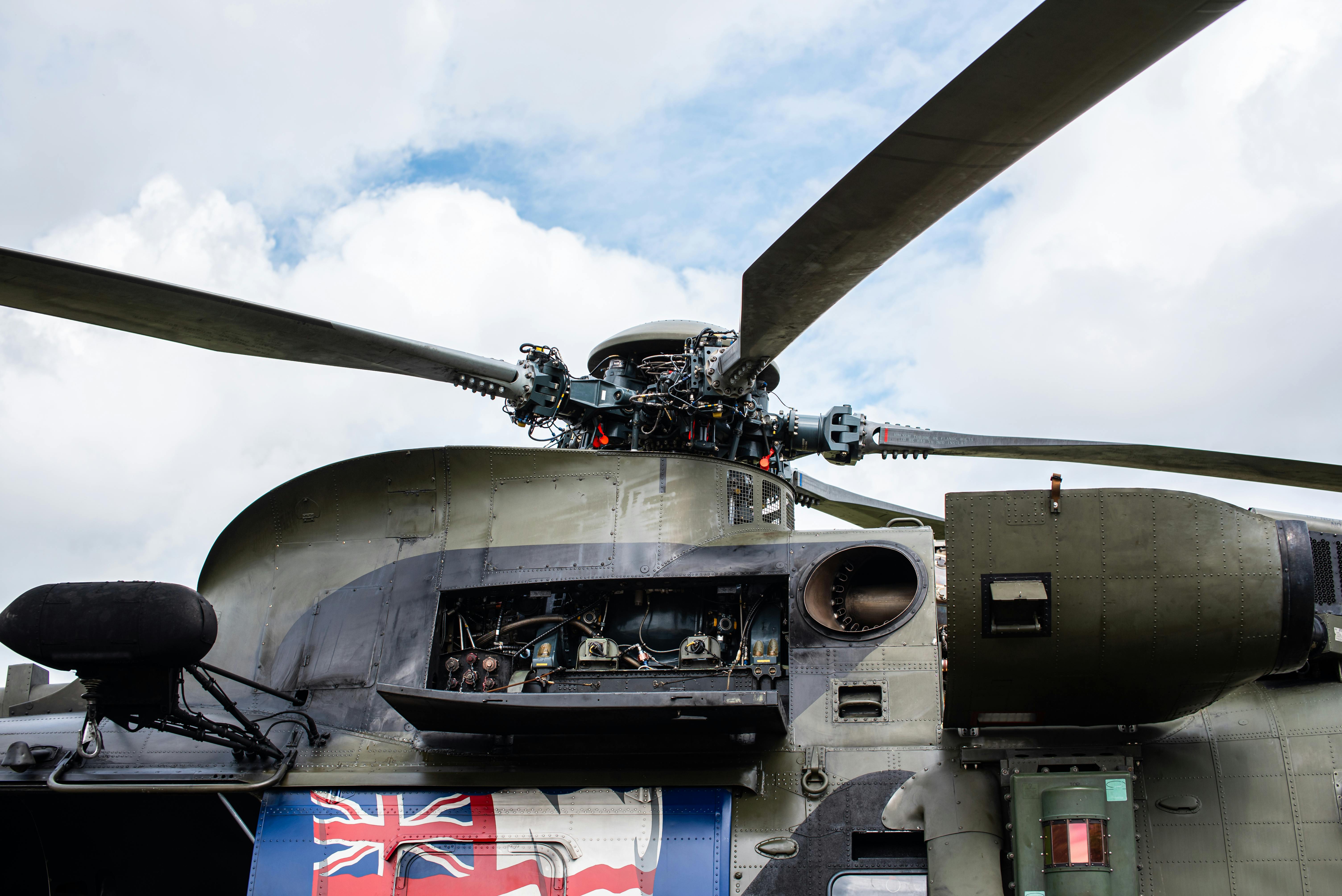
The question of how long the United Kingdom could sustain a high-intensity conflict—should war break out on December 10, 2025—is no longer a purely academic exercise. Driven by a significantly heightened geopolitical risk environment, the nation is actively undergoing a necessary, yet potentially protracted, military transformation. The Strategic Defence Review (SDR), unveiled in June 2025, marks a clear repudiation of the assumption of relative peace that characterized the previous decade. The analysis reveals a tension between ambitious technological modernization, firm fiscal pledges, and the stark reality of existing operational stocks and manpower gaps. The duration of any potential combat effort rests precariously on the synchronization of sustained investment, demonstrable readiness, and the speed of industrial mobilization, all framed within the context of collective security pledges.
Technological Superiority as a Force Multiplier
In an era where conventional manpower and traditional industrial output are constrained by modern economic realities, advanced technology is viewed as the critical multiplier that can amplify the effectiveness of existing platforms and personnel. The current strategic doctrine pivots on achieving military effect through precision, speed, and network-centric operations rather than sheer mass.
The Pivot Towards Autonomy and Artificial Intelligence Integration
An immediate priority in force modernization, as codified in the 2025 SDR, is the strategic shift towards greater incorporation of autonomous systems and artificial intelligence across all domains. This involves a significant focus on leveraging unmanned aerial vehicles, robotic systems, and AI-driven decision support tools. The objective is twofold: to reduce the risk to human life in contested environments while simultaneously increasing the volume and precision of the force’s lethal output. Lessons from recent global conflicts have accelerated this push, with reports from the SDR noting an increased investment in drones and robotics to make the UK a “leading tech-enabled defence power” by 2035.
Modernizing Command and Control Through Digital Networks
The ability to make decisions “much faster” is essential for survival and success in peer-level conflict. This speed of command is facilitated by the development of integrated digital networks, aiming to create a “shared understanding” of the operational picture across all deployed units, linking ground, sea, and air assets seamlessly. The commitment to this capability includes up to £1 billion for the “Digital Targeting Web” to be delivered by 2027. This network-centric approach is a significant component of modern fighting capability, potentially negating an adversary’s numerical advantage by ensuring resources are applied with superior timing and coordination.
The Strategic Importance of Long-Range Strike Capabilities
Investment is being channeled into capabilities that allow forces to strike targets deep within enemy territory or deny the adversary freedom of maneuver far from the front lines. This strategic focus is visible in the commitment to manufacturing up to 7,000 new long-range weapons and a £6 billion investment in munitions, including a £1.5 billion “‘always on’ pipeline” designed to sustain production at pace. This ensures the force is capable of fighting effectively “at long range without boots on the ground” where appropriate, maintaining strategic standoff.
Upgrading Air and Missile Defence Architectures
A key requirement for any modern force is the ability to protect its own high-value assets and population centers from incoming aerial and missile threats. The SDR reflects a direct response to recognized capabilities of potential state adversaries by earmarking up to £1 billion for dedicated homeland air and missile defence improvements. This effort is concurrent with the modernization of the naval deterrent with the ongoing construction of Dreadnought and SSN-AUKUS submarines, ensuring the continuity of the sovereign nuclear guarantee.
The Fiscal Framework: Funding the Transition to a Hardened Posture
The transition from a peacetime, peace-dividend-era military to one immediately ready for high-intensity conflict carries an immense, non-negotiable financial cost that requires sustained, long-term commitment. The current financial posture reflects both recent increases and underlying long-term shortfalls.
The Commitment to Increased Gross Domestic Product Allocation
The government has announced a significant, sustained increase in defence expenditure, accelerating the trajectory towards meeting the NATO benchmark. As of early 2025, the UK was expected to spend approximately 2.4% of its Gross Domestic Product (GDP) on defence. The government has committed to increasing this allocation, according to the NATO definition, to 2.5% of GDP by the year 2027. Furthermore, a more ambitious goal has been set: to reach 3.0% of GDP between 2029 and 2033, though this is explicitly contingent upon economic and fiscal conditions. Some commentary suggests an even higher aspiration, such as reaching 3.5% by 2035 in line with new NATO discussions. This represents a substantial, multi-year fiscal pledge intended to reverse previous trends of stagnation.
The Economic Trade-Offs in Achieving Defence Ambitions
Achieving these spending targets necessitates difficult choices elsewhere in the national budget, highlighting the political consensus required to sustain a defense budget that contrasts sharply with spending levels by potential adversaries—some of whom are currently reported to be allocating nearly 7% of their GDP to defence. Proposals accompanying the initial 2.5% commitment indicate that a portion of the required increase may be funded through cuts to non-essential spending, specifically a reduction in overseas aid from 0.5% of GNI to 0.3% over the next two years. This move underscores the immediate trade-off being made to satisfy near-term readiness goals.
Navigating the Gap Between Pledged Investment and Required Expenditure
While significant new funds are being allocated in the immediate term, independent costings associated with the comprehensive Strategic Defence Review suggest that the total expenditure requirement stretching into the late Thirties may exceed the currently pledged annual increases. This creates a funding gap that must be addressed through careful prioritization or further fiscal adjustment. The sustainability of the entire plan, therefore, rests on maintaining this elevated fiscal commitment over the long term, not merely for the immediate years leading up to 2027. Critics, including former leadership, suggest that without firm commitments, the rhetoric risks becoming empty, given the scale of the required modernization.
The Inextricable Web of Collective Security Pledges
The United Kingdom has long accepted that its national security is fundamentally intertwined with its alliances, particularly its indispensable role within the North Atlantic Treaty Organization (NATO). The current strategic posture is entirely framed by this cooperative structure.
Defining the “Nato First” Doctrine in a Multi-Polar World
The strategic outlook explicitly acknowledges that the nation does not anticipate facing a major, peer military power in conflict without robust support from its allies. This “NATO first” perspective dictates that the UK’s forces must be structured to integrate seamlessly with the Alliance’s operational plans, ensuring interoperability in command, logistics, and capability sets. The SDR reaffirms this commitment, aiming for the UK to be the “leading edge of innovation in the Alliance”.
The Concept of Burden-Sharing and Allied Dependability
The requirement for the UK to step up and take greater responsibility for collective self-defence is a constant theme, often reinforced by allied partners demanding increased contributions, particularly amid heightened tensions with Russia. The UK’s planned capabilities—such as transforming its Queen Elizabeth-class carriers to operate as European hybrid airwings, maximizing their contribution to NATO forces—are directly aimed at fulfilling these enhanced alliance commitments and providing leadership within the structure. This collective arrangement is seen as the ultimate guarantee that the UK “will never fight alone”.
Maintaining Key Partnerships Beyond the Immediate European Sphere
While NATO remains central, the strategic vision also recognizes the importance of maintaining strong, sizeable military relationships with key regional partners outside the immediate Euro-Atlantic theatre. Enduring partnerships, such as those under the AUKUS agreement, offer crucial strategic depth, basing access, and influence that supplement core alliance commitments in the Indo-Pacific region.
The Crux of Readiness: Stockpiles, Manpower, and the Short War Horizon
The answer to “how long Britain could really fight for” is starkly informed by the current state of operational stocks and deployable personnel, a weakness acknowledged across various recent analyses of the SDR.
The Munitions and Equipment Pipeline Challenge
While the investment in an “‘always on’ pipeline” for munitions is a critical step, experts caution that the transition period is fraught with danger. Analysts have pointed out that without adequate reserves of equipment and a deep logistical tail, the UK forces may be structured for a conflict measured in weeks, not months or years. The SDR itself acknowledges that some stockpiles of arms and support equipment “may only last days in a crisis”. Furthermore, legacy procurement issues, such as delays in major armored vehicle programs, mean that the desired modernized capabilities may not be fully operational before being called into action, forcing reliance on a hybrid of old and new systems.
Manpower Realities Versus Strategic Ambition
The British Army is currently at one of its smallest sizes in 300 years. While the nominal strength is around 74,000 soldiers, the actual deployable strength, once accounting for medically non-deployable personnel and attachés, is estimated to be closer to 54,000. The Defence Secretary has conceded that plans to increase troop numbers beyond reversing the recruitment and retention crisis will likely wait until after the next general election. Furthermore, while the SDR stresses the importance of reserve forces for absorbing losses and providing depth, there are internal concerns that the UK is responding too slowly to ally efforts to adapt their reserves for major European conflict. The Army’s leadership has spoken of an ambition to triple fighting power by the end of the decade, but this is a future goal, not a current state. One assessment suggests that on land, the British Army could be degraded and unable to fight effectively within a few weeks of a peer-level engagement.
Conclusion: Charting a Course for Defensible Sovereignty
The analysis of the current posture reveals a nation actively engaged in a necessary, if belated, transformation. The move towards “war-fighting readiness” is a direct acknowledgment of the heightened risk environment and a repudiation of a decade-long assumption of relative peace.
Synthesizing Investment, Readiness, and Deterrence
Credible deterrence is the desired outcome, achieved by convincing potential adversaries that the cost of aggression outweighs any conceivable benefit. This requires the synchronous alignment of three elements: sustained financial investment, a demonstrable state of high readiness across all capabilities, and the clear political will to utilize those forces if necessary. The current efforts are aggressively addressing the first two elements through the SDR, but the third—the national resolve to endure a high-intensity conflict for an extended period—remains a constant test. The commentary surrounding these developments, including critiques regarding perceived shortfalls in personnel and munitions stocks, highlights that the assessment of ‘how long’ Britain can fight is not just a technical military assessment, but a central political and societal barometer of national resilience.
The Imperative for Proactive Adaptation Over Reactive Recovery
Ultimately, the capacity to fight is not about a single, fixed duration measured in days or months, but about the system’s inherent resilience and its speed of adaptation. The lessons from current global events underscore that the failure to proactively build the necessary industrial surge capacity, reserve manpower, and digitized command systems now will simply shorten the inevitable operational window later. The current year, 2025, represents a critical inflection point where proactive adaptation, driven by the 62 recommendations of the Strategic Defence Review, must outpace the rate of external threat evolution if national security is to be genuinely secured for the long term. The path forward requires not just budget increases, but an unwavering national commitment to filling the immediate gaps in readiness that underpin the credible projection of force.