The Ongoing Exodus: Understanding the Ukrainian Refugee Crisis in 2024-2025
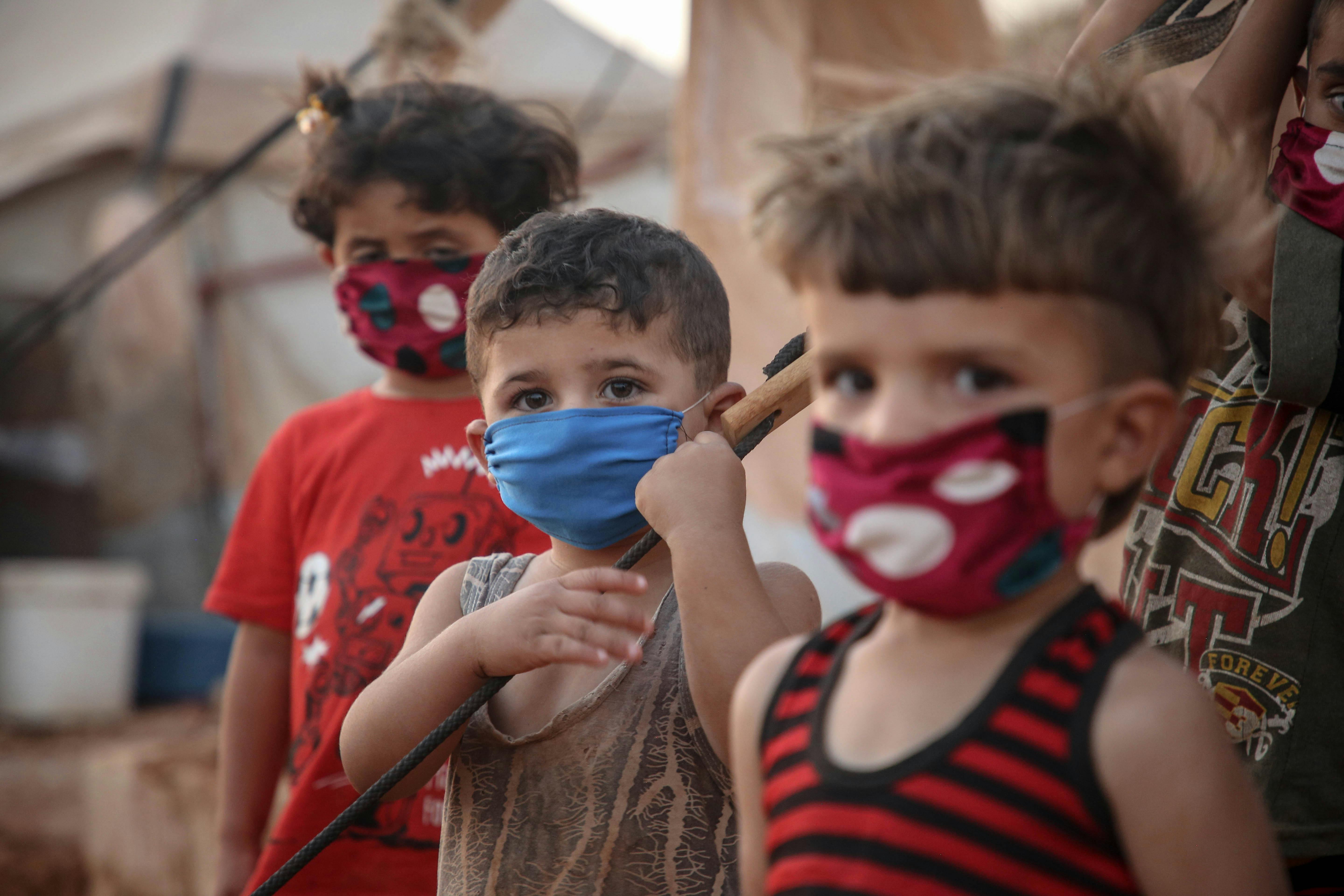
Since the full-scale invasion of Ukraine by the Russian Federation began on February 24, 2022, the world has witnessed one of the largest and most rapid displacement crises since World War II. Millions of Ukrainians have been forced to flee their homes, seeking safety and stability in neighboring countries and beyond. As the conflict continues into its third year, the landscape of Ukrainian refugees is evolving, presenting new challenges and requiring sustained international attention and support. This article provides a comprehensive overview of the current situation, statistics, challenges, and future outlook for Ukrainian refugees in 2024 and 2025.
The Scale of Displacement: Numbers and Demographics
The sheer scale of displacement is staggering. As of February 2025, approximately 6.9 million refugees from Ukraine have been recorded globally, with the vast majority, around 6 million, seeking refuge in European countries. The European Union, in particular, has been at the forefront of hosting Ukrainian refugees, activating the Temporary Protection Directive (TPD) for the first time in its history. By March 2025, over 4.26 million non-EU citizens who fled Ukraine were under temporary protection within the EU.
Germany continues to host the largest number of Ukrainian refugees, with approximately 1.18 million individuals by March 2025, followed by Poland with nearly 1 million, and the Czech Republic with over 365,000. These figures highlight the immense strain on the reception capacities of these nations, even as they demonstrate remarkable solidarity.
Within Ukraine, the situation is equally dire, with an estimated 3.7 million people internally displaced as of February 2025. This internal displacement is a direct consequence of ongoing hostilities, shelling, and the destruction of homes and infrastructure. The United Nations estimates that over 14 million Ukrainians are in need of humanitarian assistance in 2025, a number that underscores the pervasive impact of the war on the civilian population.
The demographic profile of refugees predominantly consists of women and children, who constitute approximately 76 percent of those fleeing the conflict. This reality raises significant concerns regarding gender-based violence, sexual exploitation, and the particular vulnerabilities faced by children, including disrupted education, psychological trauma, and limited access to essential services.
Key Host Countries and Support Mechanisms
Several European countries have become major destinations for Ukrainian refugees, each implementing various support mechanisms. Poland, being a direct neighbor, has been a primary gateway, offering visa-free entry and temporary protection status that allows for residence for up to 18 months. Germany has also been a leading host, extending temporary protection for Ukrainians until March 2025 and providing social assistance.
The Temporary Protection Directive (TPD) in the EU grants refugees access to residence permits, employment, housing, medical and social welfare assistance, and education for children. However, the level of assistance and the ease of integration can vary significantly between member states. For instance, research indicates that job opportunities are a stronger driver for refugees’ destination choices than social assistance.
In the United States, the “Uniting for Ukraine” program has provided a pathway for Ukrainians seeking refuge, with various federal and state benefits available, including cash assistance and housing support for eligible individuals.
Challenges Faced by Ukrainian Refugees
Despite the solidarity shown by host countries, Ukrainian refugees encounter numerous challenges:
Integration into Labor Markets
While many Ukrainian refugees possess high levels of education and professional experience, integrating into host country labor markets has proven difficult. Key barriers include the lack of local work experience, language barriers, and the non-recognition of Ukrainian qualifications. In Germany, for example, a shift in the labor market dynamics, with companies announcing staff reductions, has increased competition, making it harder for refugees to secure employment. Poland’s “work-first” principle, offering broader access to the labor market with simplified procedures, has facilitated higher employment rates compared to Germany.
Access to Education
The disruption of education for Ukrainian children is a significant concern. While enrollment in host country schools has increased, with an average of 78% across 10 European countries in 2024, many students face challenges. A substantial number are pursuing dual learning, attending both host country schools and Ukrainian online education, leading to demanding workloads. Furthermore, disparities persist, with children having beginner-level host-country language skills or disabilities being less likely to enroll.
Housing and Social Services
Securing stable and affordable housing remains a persistent challenge for many refugees. The lack of long-term housing solutions can hinder children’s educational continuity and impact adults’ employment prospects. Access to healthcare, particularly mental health services, is also a concern, with some refugees reporting significant barriers.
Psychological Well-being and Trauma
The trauma of war and displacement has a profound impact on the mental health of refugees. Many experience psychological distress, and the demand for mental health and psychosocial support is acute. The ongoing conflict and the uncertainty of their future contribute to persistent stress and anxiety.
Return Intentions and Future Prospects
As the war continues, the intentions of refugees regarding return to Ukraine are evolving. While many still express a desire to return, studies indicate an increasing trend of refugees considering longer-term stays in host countries. Factors influencing return intentions include security concerns, economic opportunities in Ukraine, housing availability, and the reduction of social support in host countries. By April 2024, an estimated 1.2 million Ukrainians had already returned to their country, though many of these were for short visits.
The Ukrainian government is initiating pilot projects for the return of its citizens, aiming to engage them in the defense industry and other sectors. However, the success of these initiatives will depend on improved security and economic conditions within Ukraine.
Recent Developments and Future Outlook (2024-2025)
The year 2025 is expected to bring further changes to the landscape of Ukrainian refugee support. Several European countries are planning adjustments to their social assistance programs. For instance, Germany is considering a reduction in the Bürgergeld benefit for able-bodied refugees who reject job offers, aiming to incentivize employment. Poland is introducing a new CUKR household card to streamline the status and employment of Ukrainian refugees.
The European Union has extended the Temporary Protection Directive for Ukrainians until March 2026, providing a crucial framework for continued protection. However, there is no overarching EU-level strategy for the status of refugees beyond this extension, leaving their long-term prospects uncertain.
The International Organization for Migration (IOM) is appealing for significant funding to support war-affected people in Ukraine in 2025, highlighting the ongoing humanitarian needs. The UN is also preparing a broader humanitarian appeal for 2025 to assist millions of people affected by the conflict.
The resilience of the Ukrainian people remains a defining characteristic, but the prolonged nature of the war and the scale of destruction present immense challenges for both refugees abroad and those displaced within Ukraine. Addressing the multifaceted needs of Ukrainian refugees requires sustained international cooperation, flexible policy responses, and a commitment to supporting Ukraine’s eventual recovery and reconstruction.
The situation of Ukrainian refugees is dynamic, with ongoing legislative changes, evolving support mechanisms, and shifting return intentions. Continued monitoring and adaptation of policies will be crucial to ensure that refugees receive the necessary assistance and that pathways to stability and self-sufficiency are facilitated, whether in host countries or upon their eventual return to a peaceful Ukraine.