Ukraine Secures Drone Sovereignty: The Strategic Maturation of a Counter-Drone Powerhouse
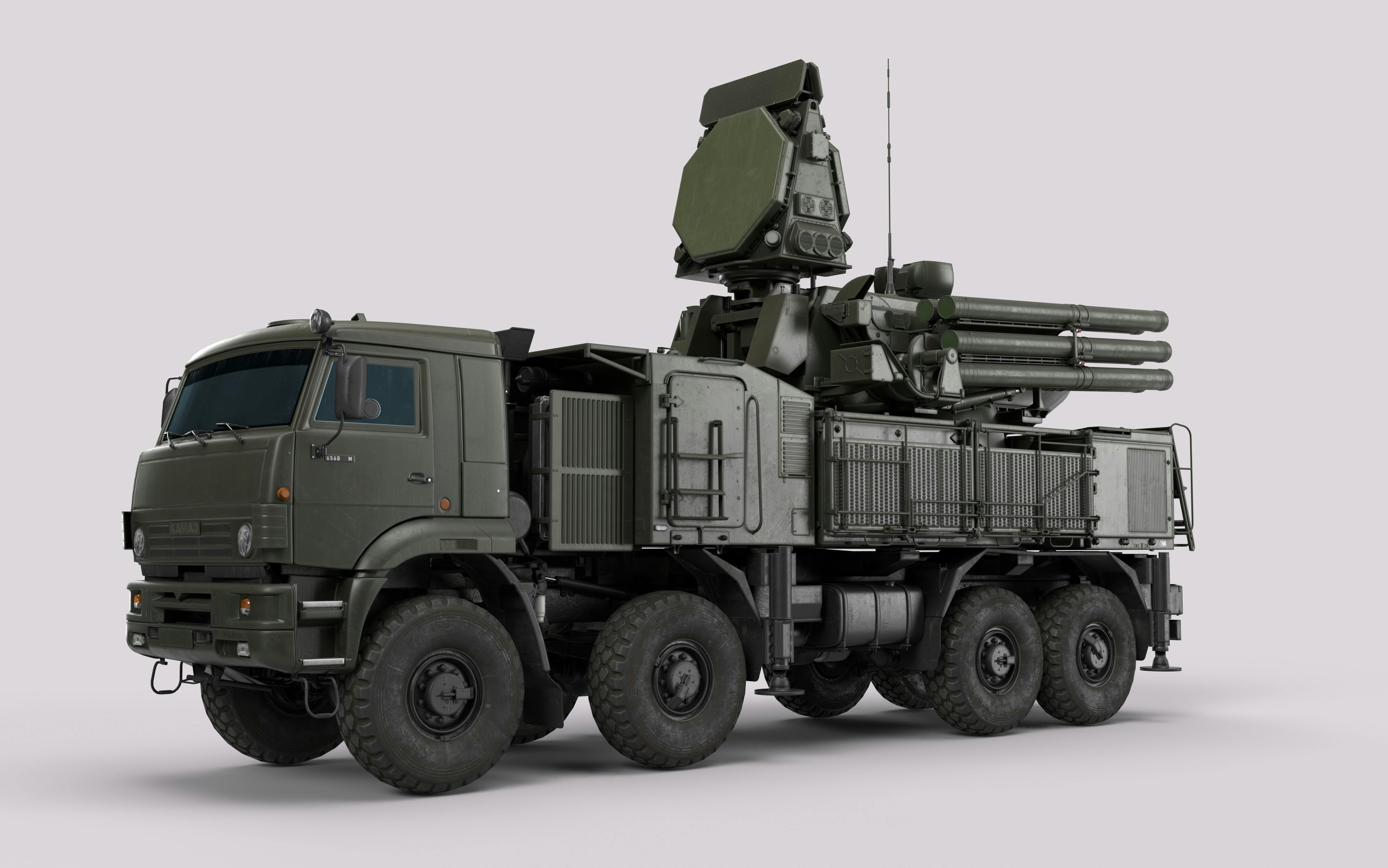
The ongoing conflict has served as an unparalleled crucible for military innovation, forcing Ukraine to evolve its defense architecture at a breakneck pace. A critical, recent development, finalized as of March 11, 2026, is the comprehensive shift away from reliance on foreign-made commercial components in its Unmanned Aerial Systems (UAS), specifically those sourced from China. This strategic pivot towards fully sovereign, “China-free” manufacturing not only eliminates critical electronic warfare vulnerabilities but also underpins a sophisticated new era of wartime diplomacy, leveraging hard-won technological expertise for essential security gains.
Diplomatic Maneuvers: Leveraging Counter-Drone Expertise for Security Gains
The strategic outreach to the Middle East was deeply intertwined with Ukraine’s ongoing imperative to secure advanced, high-end defensive systems to counter its own primary aggressor. The diplomatic equation was carefully balanced: offering unique, highly sought-after expertise in exchange for materiel that remained scarce or prohibitively expensive to replace under the strain of the ongoing war. This approach represented a sophisticated maturation of wartime diplomacy, transforming a position of vulnerability into one of technological leverage. As of early March 2026, Kyiv had dispatched expert teams to key regional partners following escalating aerial attacks by Iranian-designed drones across the Gulf region.
The Calculated Exchange: Offering Defense Know-How for Critical Weaponry
The central tenet of the diplomatic strategy involved positioning Ukrainian anti-drone experience as a direct, valuable exchange currency for securing much-needed, high-end kinetic interceptors, most notably advanced air defense munitions. The nation’s forces had been burning through stocks of costly, long-range surface-to-air missiles to neutralize significantly cheaper enemy unmanned aerial vehicles. The offer was, therefore, a sophisticated negotiation: in return for specialized knowledge, training, and the deployment of effective, low-cost interceptor hardware to help Gulf allies manage their immediate crisis, Kyiv sought to bolster its own defenses against more advanced, high-yield threats like ballistic missiles. Specifically, Ukraine sought to acquire critically short supplies of PAC-2 and PAC-3 air defense missiles, which are essential for its Patriot systems against ballistic threats. This reciprocal arrangement aimed to ease pressure on its own dwindling supply of premium defensive missiles, ensuring that strategic assets remained available for existential threats.
Broadening the Diplomatic Horizon Beyond Bilateral Exchanges
While the highly visible engagement with the Kingdom of Saudi Arabia garnered significant attention, the diplomatic effort spanned a wider coalition of regional actors facing similar Iranian-backed aerial threats. Communications were simultaneously established with the leadership of several other nations in the Gulf Cooperation Council, including the United Arab Emirates, the State of Kuwait, the Kingdom of Bahrain, and the State of Qatar, beginning in early March 2026. This multilateral approach underscored the widespread nature of the threat and positioned Ukraine not as a supplicant, but as a regional security partner capable of addressing a common aerial challenge that spanned multiple sovereign territories. This breadth of diplomatic engagement maximized the potential for securing diverse forms of assistance and solidifying a broad base of international support anchored in shared security imperatives. Notably, the United States, having reportedly rejected a similar offer in August 2025, officially approached Ukraine for counter-drone assistance amid the rising regional tensions.
The Anatomy of Ukrainian Counter-Drone Technology
The effectiveness of the Ukrainian offering stemmed directly from the necessity-driven evolution of its own air defense strategy over several years. Confronted with repeated, high-volume attacks using derivative models of Iranian-designed suicide drones, the military doctrine adapted away from relying solely on immensely expensive, traditional interceptor missiles towards a layered, high-volume, low-cost response mechanism centered on dedicated interceptor UAVs. This development path focused on maximizing the kill-to-cost ratio in high-intensity, saturation attack scenarios. The sovereign shift to “China-free” components by March 2026 neutralized the risk of telemetry leaks and unauthorized geofencing that plagued earlier drone deployments.
The Role of First-Person View Systems in Interceptor Design
The core technology enabling this low-cost, high-interception-rate strategy revolved around adapting the agile, responsive architecture of First-Person View (FPV) drones for a dedicated defensive role. These platforms, piloted remotely via virtual reality headsets by skilled operators on the ground, offered the necessary speed, maneuverability, and real-time control to pursue and neutralize smaller, evasive enemy unmanned aerial vehicles. The pilot’s direct immersive view allowed for precision engagement in ways that automated systems or less agile platforms could not match against erratic, fast-moving targets, turning a common offensive tool into a highly effective defensive instrument. This evolution also incorporated advanced navigation beyond GPS, leveraging inertial systems and AI-powered visual navigation to maintain operations in heavily jammed environments as of late 2025.
Specific Examples of Dedicated Anti-UAV Platforms
The innovation resulted in the fielding of several distinct, dedicated interceptor drone platforms, each tailored for specific engagement parameters, with operational success reported throughout 2025 and into 2026.
- Sting: A highly recognized FPV loitering munition/interceptor drone designed to hunt and destroy enemy UAVs, capable of high speeds and carrying an onboard explosive warhead for kinetic impact.
- General Cherry Bullet: Another primary kinetic interceptor optimized for rapid engagement, reportedly achieving high speeds and easy operability.
- Octopus: A more specialized, next-generation platform developed in cooperation with the United Kingdom, designed to intercept low-altitude targets and utilizing image recognition and onboard processing for terminal guidance, enabling operation in challenging electronic environments.
- Merops: An American-origin anti-drone system, operational since mid-2024, which utilizes interceptor UAVs with autonomous location and destruction capabilities, leveraging artificial intelligence and functioning effectively under GPS jamming.
Furthermore, the development extended into integrating artificial intelligence to assist human operators, with some specialized platforms utilizing advanced onboard computational capabilities to detect, track, and suggest engagement vectors autonomously, even while remaining under ultimate human control.
Comparative Cost-Effectiveness in Aerial Defense Engagements
The economic disparity between the attacker’s munition and the defender’s response became the central strategic theme in the narrative surrounding the Iranian-designed drones. This massive, asymmetrical cost imbalance was the primary driver forcing nations to seek novel, cost-effective solutions, which is where Ukraine’s hard-won experience became invaluable. The financial calculus of the engagement fundamentally favored the aggressor until effective, low-cost countermeasures were deployed at scale.
Analysis of the Financial Disparity Between Kinetic and Drone Interception
The stark contrast in price points between legacy air defense and the new wave of domestic interceptors was the clearest indicator of the unsustainable nature of previous defensive strategies. While a single Iranian-derived suicide drone could be manufactured and deployed at a cost measured in the tens of thousands of currency units, attempting to neutralize it with a conventional, high-altitude surface-to-air missile system required expending interceptor munitions valued in the millions of currency units. This imbalance meant that sustained saturation attacks, even if only partially successful, could economically bankrupt a defender’s high-end missile inventory in a matter of days or weeks, rendering the system strategically inert against the drone threat itself. By January 2026 alone, Russia launched over 4,400 Shahed-type drones, underscoring the scale of this economic threat.
Performance Metrics Against Swarms of Kamikaze Unmanned Aerial Vehicles
The practical measure of success for any counter-drone system is its ability to maintain high interception rates when facing massed formations, or “swarms,” of incoming threats. The layered Ukrainian defense, heavily augmented by these new, dedicated interceptors, achieved remarkable effectiveness rates, often exceeding eighty-five or even ninety percent against waves of these delta-winged attack craft over critical urban centers, as demonstrated in early 2026. This high rate of success, achieved through rapid reaction and high-volume engagement, proved that the economic equation could be successfully inverted when the defense adopted a strategy that mirrored the attacker’s own low-cost, high-volume approach. The ability to systematically eliminate the vast majority of the swarm with assets priced in the thousands, rather than the millions, shifted the tactical advantage back toward the defender.
The Future Trajectory of Ukrainian Defense Industrial Power
Looking beyond the immediate conflict, the technological advancements spurred by necessity in the defense sector were positioned to fundamentally reshape Ukraine’s economic and geopolitical standing for decades to come. The wartime crucible had inadvertently created a world-leading center for drone innovation, a technological portfolio that was expected to generate significant future revenue and establish enduring international security partnerships. As of late 2025, domestic manufacturing capacity was projected to surpass $35 billion, significantly exceeding state procurement budgets.
Post-Conflict Export Potential and Market Disruption
With the war-time prohibition on the export of certain defense hardware slated for controlled removal via presidential directive, the vast inventory of battle-proven drones and, more importantly, the intellectual property behind their efficient manufacture, stood ready to enter the global market. Multiple nations, recognizing the proven battlefield reliability of the Ukrainian systems, were already expressing intent to procure these technologies. The export potential for 2026 was officially projected to generate “several billion dollars” from ready-made products, spare parts, and services. This anticipated influx of affordable, high-performance aerial systems, both reconnaissance and attack variants, was projected to become a major new export earner, potentially disrupting the established global order of unmanned aerial vehicle supply.
Reinvestment Strategies for Sustaining Technological Superiority
The anticipated export earnings were not merely viewed as a windfall but as the primary engine for the next phase of industrial growth. A significant portion of this projected revenue was slated for reinvestment directly back into the domestic defense and technology ecosystems, with unmanned robotic systems being a key focus for 2026 investments. This cycle of production, combat validation, technological iteration, and export-funded reinvestment was designed to ensure that the nation maintained its qualitative edge in aerial warfare technology long after the current hostilities concluded. Furthermore, this industrial expansion is being cemented through international collaboration, with a roadmap announced for launching ten joint-venture production facilities across Europe by 2026 in partnership with nations like Germany, the UK, and others, blending European industrial capacity with proven Ukrainian expertise. This cemented a forward-looking strategy where the current trials serve as the foundation for securing long-term technological superiority and economic stability through defense industrial leadership.