War Crimes in Ukraine: A Comprehensive Overview of Ongoing Violations
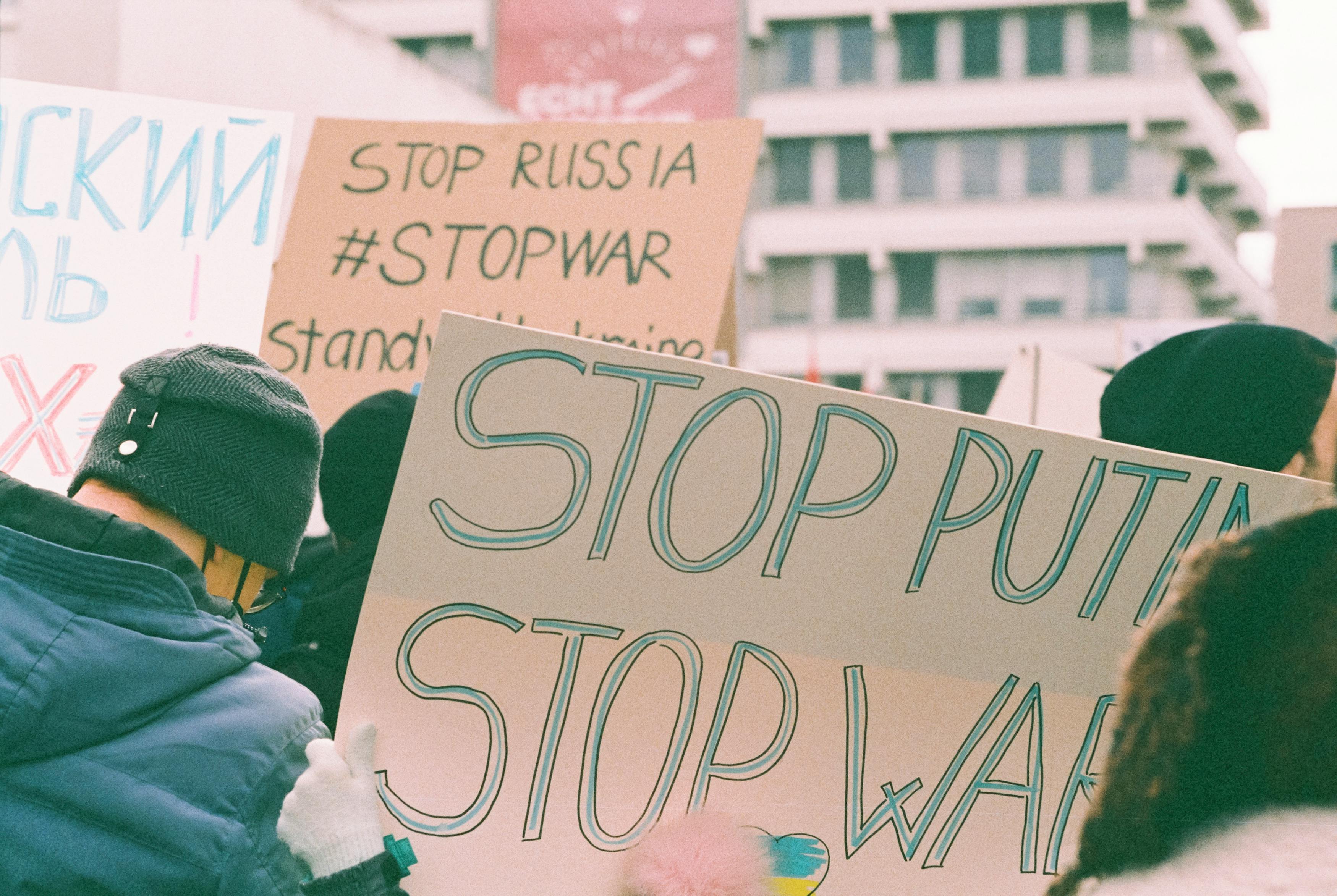
The full-scale invasion of Ukraine by the Russian Federation, which began in February 2022, has been marked by widespread and systematic violations of international humanitarian law, constituting war crimes and crimes against humanity. These egregious acts have inflicted immense suffering on the Ukrainian population, targeting civilians, civilian infrastructure, and cultural heritage. International bodies, including the United Nations and the International Criminal Court (ICC), are actively investigating and documenting these atrocities, with a growing number of legal mechanisms being employed to ensure accountability.
Escalation of Civilian Casualties and Targeting of Populated Areas
The period from December 2024 to May 2025 has witnessed a significant escalation in civilian casualties, with a 37 percent increase compared to the same period the previous year. Between December 1, 2024, and May 31, 2025, 968 civilians were killed and 4,807 injured. The majority of these casualties occurred in Ukrainian-controlled territories, primarily due to Russian attacks employing long-range explosive weapons in populated areas and short-range drones.
The use of short-range drones has been identified as a significant driver of the rise in civilian deaths and injuries. The UN Human Rights Monitoring Mission in Ukraine (HRMMU) verified that 207 civilians were killed and 1,365 injured by these attacks during the reporting period. A particularly deadly incident involved a Russian drone strike on a civilian bus in the Dnipropetrovsk region, which killed eight women and two men and injured 57 others.
Explosive weapons with wide area effects continue to be a major cause of civilian harm. In July 2025, there were at least 1,575 civilian casualties, making it the deadliest month in three years, with 232 killed and 1,343 injured. The UN has recorded a total of 47,695 civilian casualties since February 24, 2022, with 13,580 killed and 34,115 injured, though the real number is believed to be higher.
Russian forces have also been accused of “double tap” strikes, where a second attack targets those responding to an initial strike. An incident on September 28, 2024, in Sumy resulted in eight deaths following two consecutive Russian drone attacks on a medical center, with the second attack occurring as rescuers and police were assisting victims.
Systematic Targeting of Civilian Infrastructure
Russian forces have systematically targeted Ukraine’s critical infrastructure, including hospitals and energy facilities. In the period of December 2024 to May 2025, Russian forces struck at least five hospitals directly, some with multiple munitions, raising concerns of deliberate targeting. Attacks on energy infrastructure have led to widespread blackouts across the country.
Abduction and Deportation of Ukrainian Children
A grave war crime documented is the unlawful deportation and forced transfer of Ukrainian children to Russian-controlled territories and Russia itself. Ukrainian authorities have received at least 19,546 confirmed reports of such actions, with the aim of erasing the children’s Ukrainian identity. As of April 16, 2025, only 1,274 abducted children have been returned. The International Criminal Court (ICC) has issued arrest warrants for Russian President Vladimir Putin and Maria Lvova-Belova, the Commissioner for Children’s Rights, for the unlawful deportation and transfer of children.
Sexual and Gender-Based Violence
Conflict-related sexual violence (CRSV) remains a significant concern, with Ukrainian prosecutors having opened 335 cases of such violence perpetrated by Russian forces since February 2022. The victims are predominantly women and girls, but men are also affected. The UN Human Rights Monitoring Mission in Ukraine has documented 376 cases of CRSV between February 24, 2022, and August 31, 2024, with over half of these cases involving men subjected to torture in detention.
The ongoing war exacerbates existing forms of gender-based violence, including domestic violence, heightened by stress, substance abuse, and mobility restrictions due to air alerts and blackouts.
Use of Prohibited Weapons and Chemical Agents
Reports indicate the use of prohibited weapons, including cluster munitions in populated areas, which raise serious concerns about civilian casualties. Furthermore, there are credible allegations of Russia’s intensified use of chemical weapons, specifically chloropicrin, against Ukrainian soldiers. Dutch and German intelligence agencies have gathered evidence of this widespread use, with chloropicrin being deployed by drones to force soldiers out of trenches. The use of tear gas by military forces is banned under the Chemical Weapons Convention.
Destruction of Cultural Heritage
Russia’s aggression has resulted in the systematic targeting and destruction of Ukraine’s cultural heritage. As of March 25, 2025, 1,419 cultural heritage sites have been damaged, with 139 of national importance. Additionally, 2,233 cultural infrastructure facilities have been damaged, and 409 completely destroyed. The Ministry of Culture and Strategic Communications of Ukraine reports that the destruction of cultural sites is seen as an attempt to erase Ukrainian identity and history.
As of February 7, 2024, UNESCO had verified damage to 342 sites, including religious sites, buildings of historical and artistic interest, museums, monuments, libraries, and archives. Russian forces have also looted Ukrainian artworks, with over 480,000 artworks illegally removed by Russia as of early 2024.
Accountability and Legal Mechanisms
Multiple avenues are being pursued to ensure accountability for war crimes committed in Ukraine. The International Criminal Court (ICC) has been actively investigating, issuing arrest warrants for senior Russian officials, including President Vladimir Putin and Defense Minister Sergei Shoigu. Ukraine became the 125th member of the ICC on January 1, 2025, strengthening its commitment to international justice.
Ukrainian courts have also been active in prosecuting war crimes. In 2024, Ukrainian courts handed down 41 verdicts for “violation of laws and customs of war,” with 40 of these sentences passed in absentia. These cases often involve ill-treatment of civilians and prisoners of war, looting, and the use of prohibited warfare methods.
International efforts are also underway to establish a Special Tribunal for the Crime of Aggression against Ukraine, aiming to prosecute the Russian leadership for the crime of aggression. The International Center for Prosecution of the Crime of Aggression (ICPA), embedded within EUROJUST, serves as a crucial hub for gathering evidence and facilitating case-building.
The UN Human Rights Monitoring Mission in Ukraine (HRMMU) and the Independent International Commission of Inquiry on Ukraine, established by the UN Human Rights Council, continue to monitor and report on violations of human rights and international humanitarian law.
Treatment of Prisoners of War and Detainees
Widespread violations against Ukrainian soldiers captured by Russian forces continue. Credible allegations suggest that Russian forces executed at least 35 captured Ukrainian soldiers between December 2024 and May 2025. Released Ukrainian prisoners of war (POWs) have provided detailed accounts of torture, ill-treatment, sexual violence, and dire detention conditions in Russian facilities.
Conversely, Ukrainian POWs held by Ukraine have recounted instances of torture and ill-treatment in transit before reaching official internment facilities. However, the conditions for Russian POWs in Ukrainian pre-trial detention centers and camps are generally reported to be compliant with international standards.
Conclusion
The ongoing war in Ukraine has been characterized by a devastating toll on civilians and a systematic disregard for international humanitarian law. The documented war crimes, ranging from indiscriminate attacks and the use of prohibited weapons to the abduction of children and sexual violence, underscore the urgent need for accountability. International and national legal mechanisms are actively engaged in investigating these atrocities, with a growing focus on ensuring that perpetrators are brought to justice and that victims receive redress. The pursuit of justice remains a steadfast imperative as Ukraine navigates the profound challenges of this conflict.