The Evolving Battlefield: A Comprehensive Look at the Russia-Ukraine War Map in 2024-2025
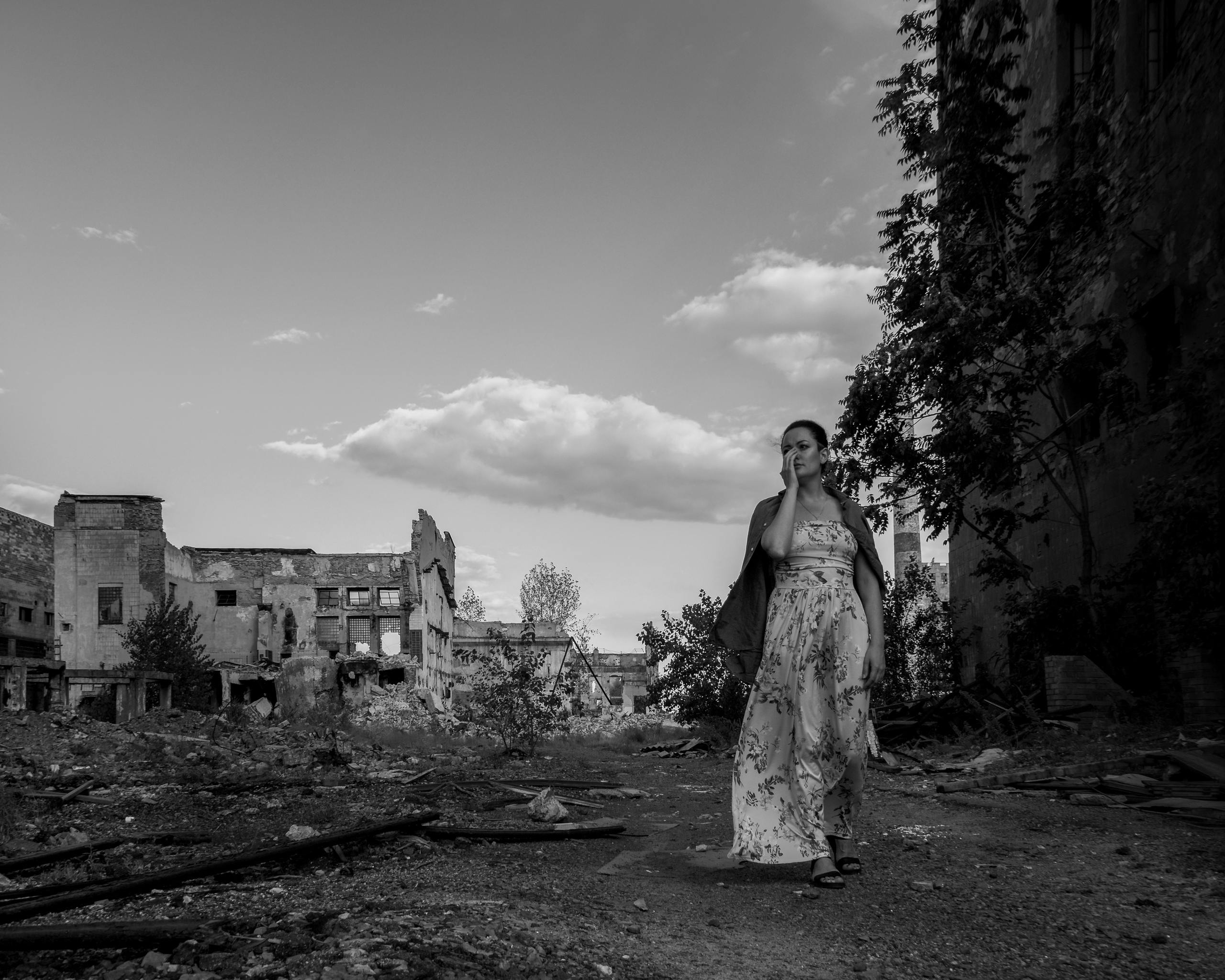
The Russia-Ukraine war, which escalated dramatically in February 2022, continues to be a dynamic and brutal conflict. The front lines are constantly shifting, with both sides making gains and suffering losses. Understanding the current state of the battlefield requires a close examination of the war map, which provides a visual representation of territorial control, key battlegrounds, and the overall trajectory of the conflict. As of August 2025, the war has entered its fourth year, marked by intense fighting and significant territorial changes, particularly in the eastern and southern regions of Ukraine. This article delves into the complexities of the current war map, analyzing recent developments, key strategic areas, and the broader implications of the conflict’s evolution.
The Shifting Frontlines: Territorial Control in 2024-2025
The territorial control in Ukraine has seen considerable fluctuation throughout 2024 and into 2025. While Russia launched its full-scale invasion in February 2022, the conflict’s intensity and territorial gains have varied. As of August 2025, Russian forces occupy approximately 20% of Ukraine’s territory, a figure that has remained relatively stable throughout the year despite numerous offensives and counteroffensives. However, this overall percentage masks significant localized shifts and intense fighting in specific areas.
Key Areas of Contention
The eastern and southern oblasts of Ukraine remain the primary theaters of operation. The Donetsk and Luhansk regions, collectively known as the Donbas, have been the site of particularly fierce fighting. Russian forces have made significant advances in the Donetsk region, capturing key settlements and pushing towards strategic cities. For instance, by mid-December 2024, Russian forces were reportedly within a couple of miles of Pokrovsk, a crucial hub in Donetsk Oblast. Similarly, fighting has been intense around Chasiv Yar, with Russian forces attempting to envelop the city since April 2024.
In the south, the Kherson and Zaporizhzhia oblasts continue to be areas of strategic importance. While Ukrainian forces liberated Kherson city in November 2022, the Dnipro River has since become a de facto front line, with ongoing skirmishes and drone attacks impacting civilian areas. The southern front has seen a more attritional form of warfare, with both sides vying for control of strategic positions and logistical routes.
Russian Territorial Gains and Ukrainian Counteroffensives
Throughout 2024, Russian forces reportedly gained approximately 4,168 square kilometers of territory, with significant advances concentrated in the Donetsk region. However, the rate of Russian territorial gains has shown fluctuations. For example, in the period of July 8–August 5, 2025, Russian forces gained 226 square miles (approximately 585 square kilometers) of Ukrainian territory, a notable increase from the previous month. Conversely, in the past week (July 29–August 5, 2025), Russia’s weekly gains slowed to 31 square miles (approximately 80 square kilometers).
Ukraine, on the other hand, has also conducted operations to regain territory. In August 2024, Ukraine launched a cross-border offensive into Russia’s Kursk Oblast. As of July 29, 2025, Ukraine maintained a foothold of 5 square miles (approximately 13 square kilometers) across Russia’s Kursk and Belgorod regions.
Major Battlegrounds and Strategic Objectives
The war map highlights several critical battlegrounds that are central to the strategic objectives of both Russia and Ukraine. These areas often represent key logistical hubs, industrial centers, or strategically advantageous terrain.
Donetsk Oblast: The Epicenter of Fighting
Donetsk Oblast remains the most active area of the frontline. The battle for key cities like Pokrovsk and Chasiv Yar exemplifies the grinding nature of the conflict in this region. Russian forces have been employing a strategy of gradual advances, often characterized by heavy artillery use and attritional warfare. The capture of Avdiivka in February 2024 marked a significant, albeit costly, gain for Russia, opening up new avenues of advance westward.
Kharkiv and Luhansk Oblasts: Northern Frontlines
In the northern sectors, particularly in Kharkiv and Luhansk Oblasts, fighting has also been persistent. Russian forces have pushed the frontline in Luhansk, increasing their control south of Kupiansk and west of Bakhmut. While these advances have not fundamentally altered the war’s dynamics, they represent continued pressure on Ukrainian defenses in the east.
The Dnipro River as a Frontline
Following Ukraine’s liberation of Kherson city in November 2022, the Dnipro River has emerged as a significant front line. Fighting has intensified in the Dnipro River Delta islands, creating a contested gray zone where both sides operate. The strategic importance of controlling crossing points and riverine territories remains high.
Technological Advancements and Their Impact on the Map
The Russia-Ukraine war has become a conflict where technology plays a decisive role. The development and deployment of advanced weaponry, particularly drones, have significantly influenced battlefield dynamics and territorial control.
The Role of Drones
Drones have been instrumental for both sides, used for reconnaissance, artillery spotting, and direct attacks. Ukraine has made significant strides in drone technology, forming a dedicated branch of the military for uncrewed systems. Russia has also adapted, employing fiber-optic cable drones effectively against Ukrainian units. The proliferation of drone warfare has created new challenges and opportunities on the battlefield, altering traditional lines of engagement.
Other Technological Factors
Beyond drones, advancements in electronic warfare, artificial intelligence, and precision-guided munitions are shaping the conflict. These technologies contribute to intelligence gathering, target acquisition, and the overall effectiveness of military operations, indirectly influencing the ebb and flow of territorial control.
Humanitarian Impact and Civilian Displacement
The ongoing conflict has had a devastating humanitarian impact, leading to widespread displacement and civilian casualties. As of April 2023, approximately 8 million Ukrainians had been internally displaced, and over 8.2 million had fled the country, creating Europe’s largest refugee crisis since World War II. The continued fighting in populated areas exacerbates this crisis, with cities like Kherson experiencing intensified drone attacks that threaten civilian safety and infrastructure.
Scenarios and Future Projections
Analysts and think tanks continue to develop scenarios for the future trajectory of the war, considering various political, military, and economic factors. As of August 2025, the continuation of the war remains a primary scenario, with a significant likelihood of prolonged conflict. The potential for a ceasefire or negotiated settlement is also a key consideration, influenced by international diplomacy and the willingness of both sides to compromise.
Potential Ceasefire Negotiations
Discussions around potential ceasefire negotiations have been ongoing, with figures like U.S. President Donald Trump advocating for a swift resolution. However, the terms of any potential agreement remain a significant hurdle, with both Ukraine and Russia holding firm on their respective demands. The territorial integrity of Ukraine and the status of occupied regions are central to these discussions.
Long-Term Outlook
The long-term outlook for the war remains uncertain. While some scenarios suggest a protracted war of attrition, others explore the possibility of a decisive victory for either side, though this is considered unlikely. The role of international military and financial aid, coupled with Ukraine’s ability to adapt technologically and Russia’s capacity to sustain its war effort, will be critical in shaping the future of the conflict and its impact on the global geopolitical landscape.
Conclusion
The Russia-Ukraine war map in 2024-2025 depicts a conflict characterized by intense fighting, shifting frontlines, and significant strategic objectives. While Russia has made territorial gains, particularly in the eastern Donbas region, the overall territorial control has remained relatively stable, with Ukraine also conducting operations to reclaim occupied areas. The war’s evolution is increasingly influenced by technological advancements, especially in drone warfare, and continues to have profound humanitarian consequences. The future trajectory of the conflict hinges on a complex interplay of military developments, international diplomacy, and the resilience of both nations.