The F-16s in Ukraine: A New Era for Air Power
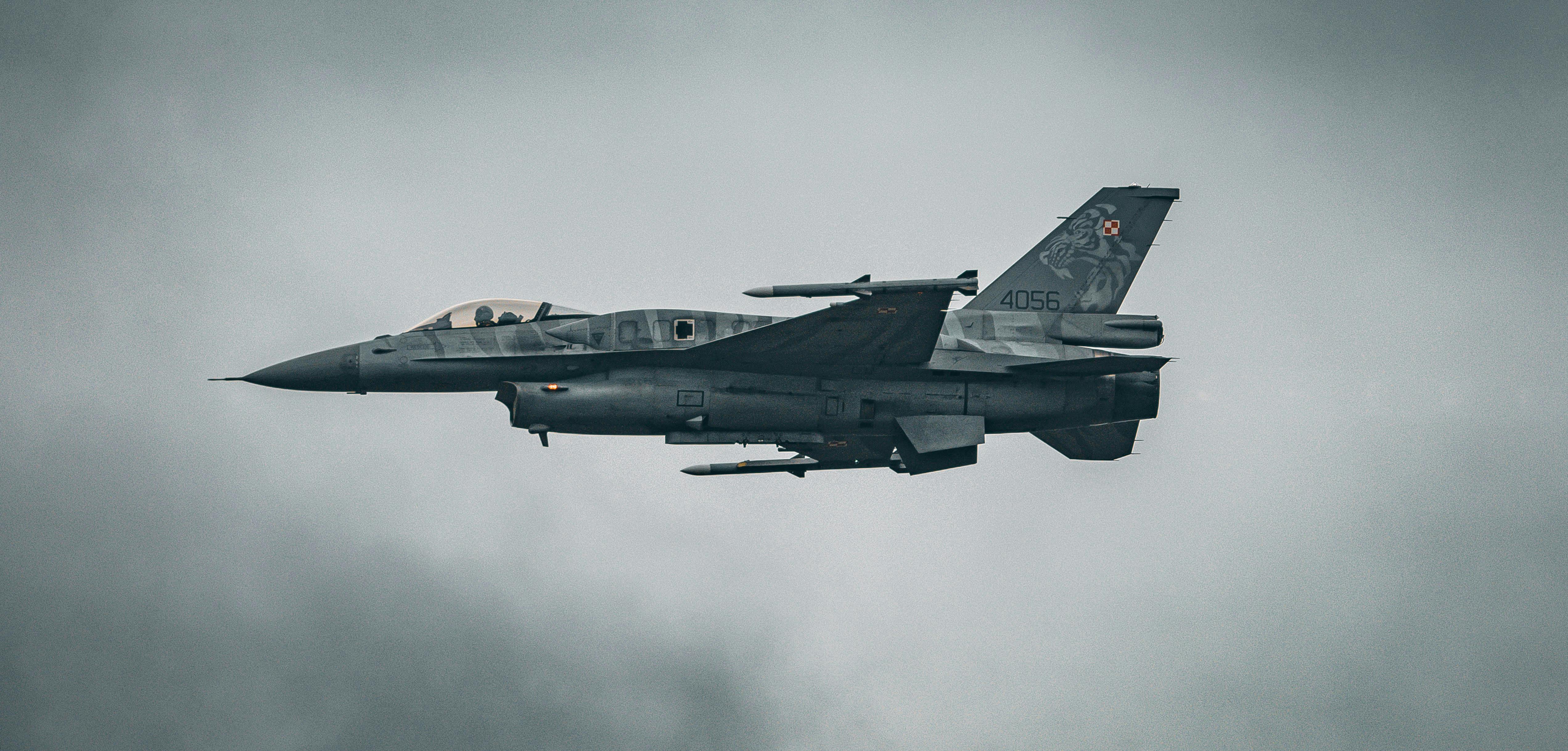
The introduction of the F-16 Fighting Falcon into Ukraine’s Air Force marks a significant turning point in the ongoing conflict with Russia. These advanced, fourth-generation multirole fighter jets, supplied by a coalition of NATO allies, are poised to enhance Ukraine’s air defense capabilities, provide crucial air support for ground operations, and potentially shift the strategic balance on the battlefield. The journey to integrating these sophisticated aircraft into Ukraine’s military has been long and complex, involving extensive pilot and ground crew training, intricate logistical planning, and substantial political commitment from international partners. As of mid-2025, the F-16s are beginning to see operational deployment, with their full impact still unfolding.
The Genesis of F-16 Support for Ukraine
Ukraine’s persistent requests for modern fighter jets began early in the full-scale Russian invasion. The Ukrainian Air Force, largely equipped with Soviet-era aircraft like the MiG-29 and Su-27, faced a significant technological disadvantage against Russia’s more advanced air fleet and sophisticated air defense systems. The F-16, a versatile and combat-proven aircraft, emerged as a key solution to bridge this capability gap. The decision by NATO allies to provide these jets was a landmark moment, signifying a deeper commitment to Ukraine’s long-term defense and its integration into Western military standards.
The coalition of nations contributing to Ukraine’s F-16 program includes Denmark, the Netherlands, Belgium, and Norway, among others. These countries, in the process of upgrading their own air forces to newer platforms like the F-35, have pledged a significant number of F-16s. Initial commitments suggested a total of around 85 aircraft, with deliveries and training programs commencing in 2024 and continuing into 2025. The United States has played a crucial role in facilitating these transfers and providing essential training and support infrastructure.
Pilot and Ground Crew Training: A Critical Foundation
The successful integration of the F-16 into Ukraine’s Air Force hinges on the comprehensive training of its personnel. Recognizing this, a multinational effort was launched to train Ukrainian pilots, maintenance crews, and support staff. This training encompasses various stages, from basic flight instruction to advanced F-16 specific operations.
Pilot Training Programs
Ukrainian pilots have undergone rigorous training in several NATO countries, including the United States, the United Kingdom, Denmark, and Romania. The training curriculum is designed to familiarize pilots with the F-16’s advanced avionics, weapon systems, and combat tactics. As of early 2025, several groups of Ukrainian pilots have been progressing through these programs. For instance, by summer 2024, the first four Ukrainian pilots were expected to complete their training in the U.S.. The U.S. aims to train an additional 18 Ukrainian pilots by 2025. The Czech Republic has also joined the training coalition, with plans to train eight F-16 pilots by the end of 2026. This extensive training pipeline is crucial for building a sufficient cadre of pilots capable of operating the F-16 effectively.
Ground Crew and Maintenance Training
Equally vital is the training of ground crews and maintenance personnel. The F-16, like any advanced fighter jet, requires specialized knowledge for upkeep, repair, and operational readiness. The Netherlands, for example, is actively involved in training Ukrainian technicians and engineers, providing hands-on experience in servicing and repairing the aircraft. The complexity of F-16 maintenance is significant, with U.S. service often requiring approximately 33 maintenance man-hours per flying hour. Ensuring that Ukraine has a robust and skilled maintenance workforce is paramount to sustaining the F-16 fleet.
F-16 Capabilities and Their Impact on the Battlefield
The F-16 Fighting Falcon offers a substantial upgrade in capabilities compared to Ukraine’s existing Soviet-era aircraft. Its advanced radar systems, compatibility with Western munitions, and versatile operational roles are expected to significantly bolster Ukraine’s defense posture.
Air-to-Air and Air-to-Ground Operations
The F-16’s advanced radar, coupled with missiles like the AIM-120 AMRAAM, extends Ukraine’s air-to-air engagement range up to 180 km, a considerable improvement over its current fighter jets. This enhanced capability will allow Ukrainian forces to more effectively intercept Russian aircraft and disrupt their close air support missions. The F-16s can also be employed for air-to-ground precision strikes, targeting Russian troop positions, ammunition depots, and command centers with greater accuracy.
Furthermore, the F-16s are equipped to carry a larger payload of weapons than Ukraine’s current aircraft, matching the capacity of the Su-24 tactical bomber. They can utilize Western munitions, including Joint Direct Attack Munition (JDAM) kits and French-made AASM guided bombs, as well as air-to-air missiles to counter Russian aerial threats like cruise missiles and drones. The F-16s can also employ High-Speed Anti-Radiation Missiles (HARMs) to target and neutralize Russian radar systems, thereby reducing the threat posed by enemy surface-to-air missiles.
Suppression of Enemy Air Defenses (SEAD)
A critical role for the F-16s will be the Suppression of Enemy Air Defenses (SEAD) missions, similar to the “Wild Weasel” operations conducted by the U.S. Air Force. By targeting Russian air defense networks, the F-16s can create safer corridors for other Ukrainian aircraft and ground forces, thereby increasing the overall effectiveness of military operations.
Delivery Timeline and Current Status
The delivery of F-16 fighter jets to Ukraine has been a phased process, with the first aircraft beginning to arrive in mid-2024. Denmark and the Netherlands were among the first nations to commence transfers, with the first jets arriving in August 2024. Belgium and Norway are also committed to supplying aircraft, with deliveries expected to continue through 2025.
As of early 2025, Ukraine has received an initial contingent of F-16s, with more expected to arrive throughout the year. The Dutch government announced it would deliver another batch of F-16s in 2025. Norway plans to complete its deliveries by the end of 2025. Belgium has accelerated its delivery schedule, aiming to provide its F-16s by the end of 2024.
While the exact number of F-16s currently operational in Ukraine is not publicly disclosed due to security concerns, reports indicate that several aircraft have been delivered and are being integrated into combat operations. General Christopher G. Cavoli, Chief of the U.S. European Command, stated in April 2025 that Ukrainian F-16s are flying daily, neutralizing cruise missile threats and conducting offensive strikes.
Challenges and Limitations
Despite the significant advantages offered by the F-16, several challenges remain for Ukraine in fully leveraging the aircraft’s potential.
Limited Numbers and Operational Environment
The initial number of F-16s available to Ukraine is limited, which restricts the scale of simultaneous operations that can be conducted. Furthermore, the presence of robust Russian air defense systems and the ongoing conflict create a challenging operational environment. Experts caution that the F-16s are unlikely to be a “game-changer” in the immediate term and may not achieve air superiority on their own.
Infrastructure and Maintenance
Maintaining the F-16 fleet requires specialized infrastructure, including suitable airfields. F-16s have air intakes that cannot close, making them vulnerable to debris from poorly maintained airfields. Ukraine is working to improve its airfield conditions and has developed mobile maintenance and operations modules to enhance the survivability and deployment flexibility of its F-16s, allowing them to operate from less conventional locations. The Netherlands is providing maintenance equipment and materials valued at €80 million, including spare parts, generators, and specialized tools. The U.S. has also approved a $310.5 million Foreign Military Sale for F-16 maintenance and training support.
Pilot Proficiency and Combat Experience
While pilots are undergoing training, achieving full proficiency with the F-16 and its complex weapon systems will take time, potentially several years. The transition from Soviet-era aircraft to Western platforms requires a significant doctrinal and tactical shift. Ukrainian pilots must adapt to new flight characteristics, intuitive controls, and a higher degree of autonomy in the cockpit.
Russian Air Defense and Air Power
Ukrainian Air Force officials have noted that even modernized F-16s may face a disadvantage against Russia’s most advanced fighter jets, such as the MiG-31BM and Su-57, and sophisticated air defense systems like the S-400. Russia’s air force possesses a significantly larger number of aircraft than Ukraine. The effectiveness of the F-16s will also depend on the availability of advanced munitions, including long-range air-to-air missiles, which can extend their engagement range beyond that of Russian missiles.
Strategic Implications and Future Outlook
The introduction of the F-16s into Ukraine’s arsenal is expected to have significant strategic implications. It represents a crucial step in modernizing Ukraine’s air force and further integrating it into the U.S. and European defense ecosystems. The F-16s will enhance Ukraine’s ability to defend its airspace, disrupt Russian offensive operations, and potentially gain leverage in future negotiations.
The long-term goal for Ukraine is to achieve localized air superiority, which will require a larger fleet of F-16s and continued support from its allies. The current commitment of around 85 aircraft is a strong start, but achieving comprehensive air superiority might necessitate a fleet size closer to 12 squadrons, or approximately 216 aircraft.
The F-16s are not a singular solution to winning the war, but they are a vital component of Ukraine’s evolving defense strategy. Their presence on the battlefield, coupled with ongoing training and support, signals a sustained commitment from Western allies and a determination by Ukraine to bolster its air power in the face of continued Russian aggression.
As Ukraine continues to integrate the F-16 into its operations, the focus will remain on maximizing the aircraft’s capabilities through effective tactics, robust maintenance, and continuous pilot development. The success of the F-16 program in Ukraine will be a testament to the collaborative efforts of international partners and Ukraine’s own resilience and adaptability on the modern battlefield.