Arms Makers See Record Earnings as Gaza, Ukraine Wars Fuel Demand — Report
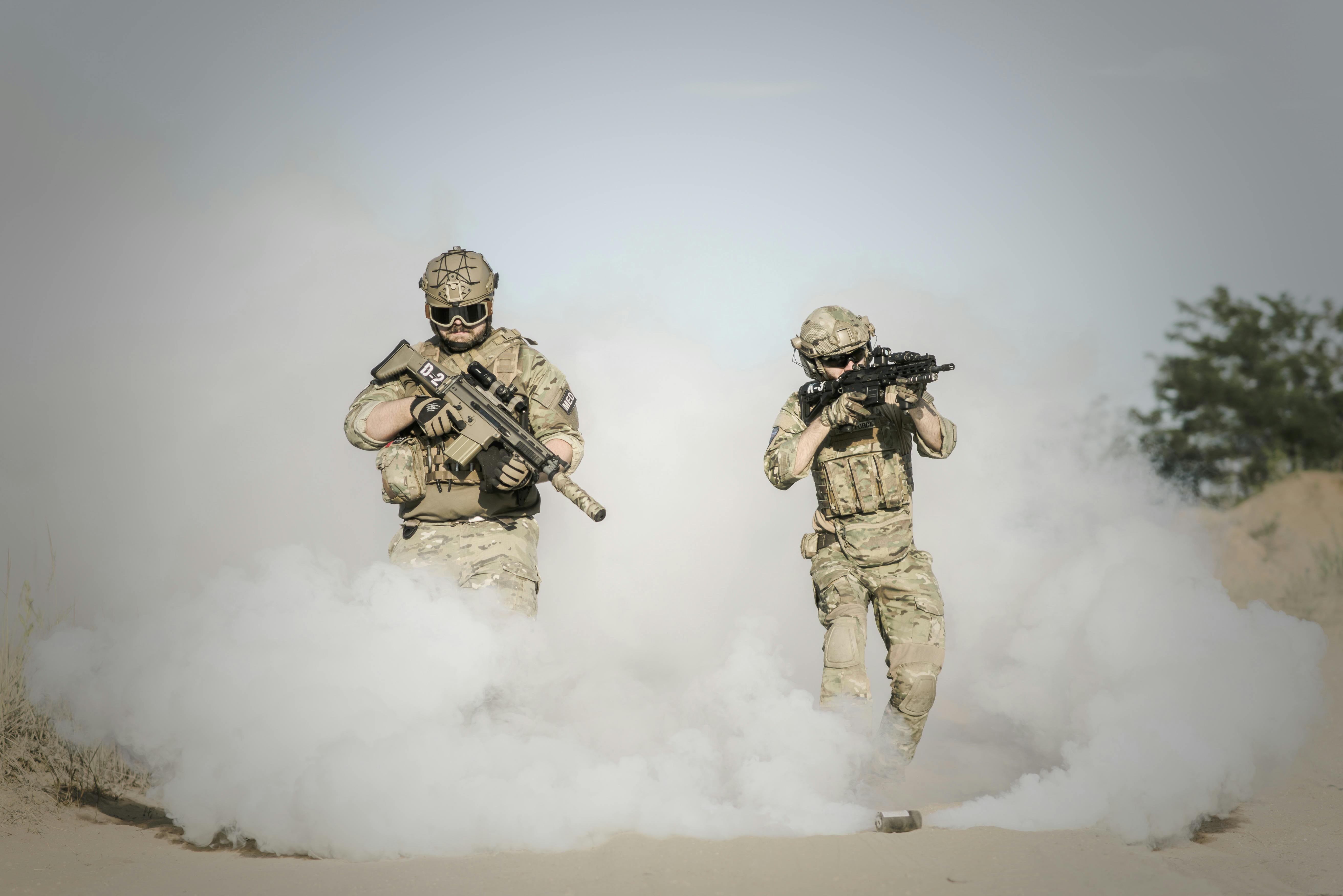
The global defense industry, measured by the revenues of its one hundred largest producers, has experienced a seismic shift in its financial landscape across the 2024 calendar year. According to a comprehensive report released in late November 2025 by the Stockholm International Peace Research Institute (SIPRI), the combined arms revenues of these top companies surged by a significant 5.9 percent, reaching an unprecedented peak of $679 billion for the year. This figure represents the highest level ever recorded by the institute, cementing a new era of elevated spending in international security architectures. The primary engines driving this historic expansion are clearly identifiable: the protracted and high-intensity conflicts in Ukraine and the ongoing, complex military operations in the Middle East, particularly in and around Gaza. Over the preceding decade, from 2015 to 2024, the revenues for these top one hundred arms makers have collectively increased by 26 percent, indicating a structural re-weighting of global fiscal priorities toward defense readiness.
While European and United States-based firms accounted for the lion’s share of this overall increase, the report meticulously details a synchronized, albeit varied, pattern of growth across nearly every major arms-producing region, with the notable exception of Asia and Oceania. This financial boom underscores a global consensus among national leaderships that the geopolitical climate is set to remain volatile for the foreseeable future, making military modernization and inventory replenishment a top fiscal imperative well into the remainder of the decade.
The Financial Resilience and Specific Market Dynamics of Israeli Industry
The defense sector operating within Israel presents a particularly compelling case study in market response amidst intense geopolitical focus. Its financial performance in 2024 was not only robust but also defied conventional expectations regarding the impact of international diplomatic pressure.
Outperforming Market Headwinds Amidst Regional Scrutiny
Despite the intense international spotlight and the considerable global discourse surrounding Israel’s military actions in Gaza, the appetite for its defense products remained remarkably robust among international buyers. A specific researcher noted that the external backlash appeared to have “had little impact on interest in Israeli weapons” as the year concluded. This observation strongly suggests that in critical defense procurement decisions, strategic necessity and the proven operational capability of equipment often supersede broader diplomatic or public opinion considerations, leading to continued, if not accelerated, order placements from allied nations. The ongoing military operations, which continued into late 2025 following the year-end ceasefire discussions, served as a real-world proving ground for Israeli technology, directly translating into sustained international confidence.
European nations, in particular, showed a heightened appetite for Israeli systems. As of the close of 2024, European countries accounted for 54 percent of Israel’s defense deals, a notable increase from 35 percent the preceding year. The primary exports driving this included advanced air defense systems, which constituted nearly half of all Israeli defense exports, alongside missiles, rockets, and tactical combat-tested systems.
Detailed Analysis of Israeli Firm Revenue Growth
The financial performance of the Israeli defense sector reflected this sustained international confidence and battlefield validation. Nine companies from the Middle East were ranked among the top one hundred globally by SIPRI, contributing a combined thirty-one billion dollars in revenue in 2024. Crucially, the three Israeli companies included in this elite grouping—Elbit Systems, Israel Aerospace Industries (IAI), and Rafael—were responsible for more than half of that Middle Eastern total.
Their combined revenues experienced a significant sixteen percent growth year-over-year, reaching sixteen point two billion dollars in 2024. This trajectory indicates that while domestic demand, driven by sustained security requirements, was certainly high, the international order books remained healthy and active, solidifying Israel’s position as a key global exporter of sophisticated military technology, particularly in areas like missile defense and tactical systems. For instance, Elbit Systems, ranked 25th globally, reported an order backlog where 65 percent was from international contracts. Rafael, ranked 34th, saw its own arms revenues increase by 23 percent to $4.7 billion in the same period. This robust financial output, achieved while managing internal operational tempo for a sustained conflict, speaks volumes about the industrial base’s capacity and the strategic value placed on its products by international partners.
Operational Headwinds Confronting Record Production Levels
The narrative of record earnings, while a testament to market demand, is counterbalanced by a persistent set of operational challenges that demonstrably hindered the industry’s ability to meet the full extent of the burgeoning demand. This suggests that the true market ceiling for production and delivery is even higher than the reported financial figures indicate. The constraints manifest across prime contractors, component suppliers, and the broader labor market.
Systemic Delays and Budgetary Overruns in Major Procurement Programs
For the American industry, in particular, the reality of large-scale, complex legacy programs demonstrated the intrinsic difficulty in achieving rapid output increases, even with financial backing. Several cornerstone, US-led defense programs were plagued by what the compiling institute noted as “widespread delays and budget overruns” across the production and development cycles. Programs such as the next-generation F-35 fighter jet and the critical Columbia-class submarine experienced significant execution difficulties.
The F-35 program, the cornerstone of US and allied combat aviation, continued to grapple with chronic issues, most notably surrounding its Block 4 modernization effort. As of late 2025, the Block 4 upgrade was reported to be more than $6 billion over budget and at least five years behind schedule, with full service entry not expected until the mid-2030s. In 2024 alone, manufacturers like Lockheed Martin fell short, delivering 110 aircraft, all of which were late by an average of 238 days. Furthermore, engine production by Pratt & Whitney (an RTX subsidiary) also lagged, with all 123 engines delivered in 2024 arriving behind schedule. The Pentagon has been forced to accept jets with interim software, meaning many new airframes cannot fly combat missions until later in 2025 or beyond. These ongoing issues are not merely technical setbacks; they inject a degree of uncertainty into military planning and future spending projections for the purchasing nations, creating a scenario where demand is high, but the speed of delivery is constrained by internal industrial maturity and complexity.
Supply Chain Vulnerabilities and Critical Resource Constraints
Beyond the prime contractors, the entire defense ecosystem struggled with fundamental resource limitations, a challenge keenly felt across Europe as it raced to replenish stockpiles depleted by support for Ukraine. European manufacturers, comprising 26 companies in the Top 100, saw aggregate revenues grow by 13 percent to $151 billion. While investing heavily in expanding facilities and production lines to meet the new requirements, they face a growing obstacle: the sourcing of raw materials.
A researcher specifically cautioned that the dependence on globally sourced critical minerals introduces a significant element of vulnerability into future rearmament plans. Any restructuring of global supply chains, particularly those influenced by geopolitical competition or export restrictions—such as those increasingly imposed by China on key components—could potentially complicate and slow down the rearmament efforts across the continent, making long-term capacity planning highly sensitive to external commodity markets. This structural reliance on global commodity flows represents a critical ceiling on how quickly production can be sustainably ramped up beyond current capabilities.
The Resurgence of Established Global Power Competitors
Even entities operating under severe international sanctions have demonstrated an unexpected degree of financial adaptability, challenging some pre-war assumptions about the effectiveness of economic isolation on sophisticated military-industrial complexes.
The Counterintuitive Financial Strength of Sanctioned Entities
The two Russian companies included in the top one hundred list, Rostec and United Shipbuilding Corporation, managed to increase their combined arms revenues by a notable twenty-three percent, totaling thirty-one point two billion dollars in 2024. This financial increase occurred despite the heavy sanctions regime imposed on the nation following the commencement of the Ukraine war, which led to shortages of foreign-sourced components. This resilience suggests that while sanctions may hamper the acquisition of high-end, foreign-sourced components, a strong domestic industrial base, combined with a focus on domestic consumption and trade with non-sanctioning partners, allows for a continued flow of revenue in the medium term.
The SIPRI report indicates that the Russian military’s own substantial requirements for the war in Ukraine more than compensated for any losses caused by falling arms exports. This financial performance proves the difficulty in completely stifling a large, state-controlled defense industrial base in a high-demand, conflict-driven environment.
The Labor Market as an Unforeseen Bottleneck in Production Expansion
Another significant, human-centric challenge emerged in some of these formerly constrained sectors, most notably in the Russian defense industry. For the Russian defense sector, researchers pointed out that in addition to sanctions-related component shortages, a distinct lack of skilled labor has become a discernible impediment to meeting new production targets.
This skilled labor shortage is not unique to that region, as it represents a broader industrial challenge across many nations grappling with increased demand. The ability to ramp up production lines, enlarge facilities, and incorporate new automation requires a workforce with very specific, often highly technical, skills—engineers, specialized machinists, and software developers—that cannot be quickly substituted or trained. If the labor pool is insufficient or insufficiently trained, it directly limits the translation of high order backlogs into realized, billable revenue, acting as a hard ceiling on immediate growth potential irrespective of financial backing or raw material availability. The scale of the demand means that human capital is now a measurable constraint on national armament capacity.
Future Implications and Evolving Threat Perception in Strategic Planning
The hard financial data from 2024 is not merely a historical accounting exercise; it serves as a crucial indicator of deeply altered global strategic thinking that will shape international relations and industrial investment for years to come. The market is structurally re-weighted toward defense readiness, a reality reflected in the record-breaking revenues of the past year.
The Shift in Corporate Strategy Towards Capacity Expansion
In response to the confirmed high demand that is projected to persist, major arms manufacturers across the globe have been compelled to pivot their capital expenditure strategies away from short-term optimization toward long-term capacity scaling. The surge in both sales and new incoming orders has directly prompted many companies to undertake significant physical and structural expansion in 2025.
This proactive investment cycle includes:
- Broadening existing production lines and investing in new tooling.
- Making substantial investments to enlarge physical facility footprints across multiple geographies.
- Establishing new operational subsidiaries in strategic locations to mitigate geopolitical risk and access talent pools.
- Engaging in corporate acquisitions to absorb specialized capabilities and secure supply chain stability.
This proactive investment cycle signals that the industry leadership anticipates these high demand levels to persist, viewing the current environment not as a temporary surge but as a new baseline for operational scale.
Long-Term Market Outlook Shaped by Enduring Instability
The collective financial narrative of 2024 confirms that the era of diminished defense spending, which characterized the post-Cold War period, appears definitively over. It has been replaced by a global security paradigm marked by high tension and active conflict. The consistent, synchronized growth across nearly all major arms-producing regions—with the notable exception of the Chinese industry’s self-imposed stagnation due to internal procurement issues—indicates a shared perception among national leaderships that the geopolitical climate is set to remain volatile.
This elevated threat perception, fueled by the continued realities in Ukraine and the Middle East, ensures that military modernization and inventory replenishment will remain a top fiscal priority for most major powers. This provides a sustained, powerful underpinning for the defense sector’s financial health well into the remainder of the decade. Even as current conflicts may de-escalate or transform, the structural changes in European and allied defense posture, coupled with ongoing strategic competition, guarantee a robust demand curve for advanced military hardware for the foreseeable future. The market, having absorbed the shock of multi-front conflict, is now structurally re-weighted toward defense readiness, with the record-breaking revenues of 2024 serving as the initial marker of this new normal.