Ukraine War Latest: Trump Halts Tomahawk Transfer, Signaling a New Phase of Calculated Restraint
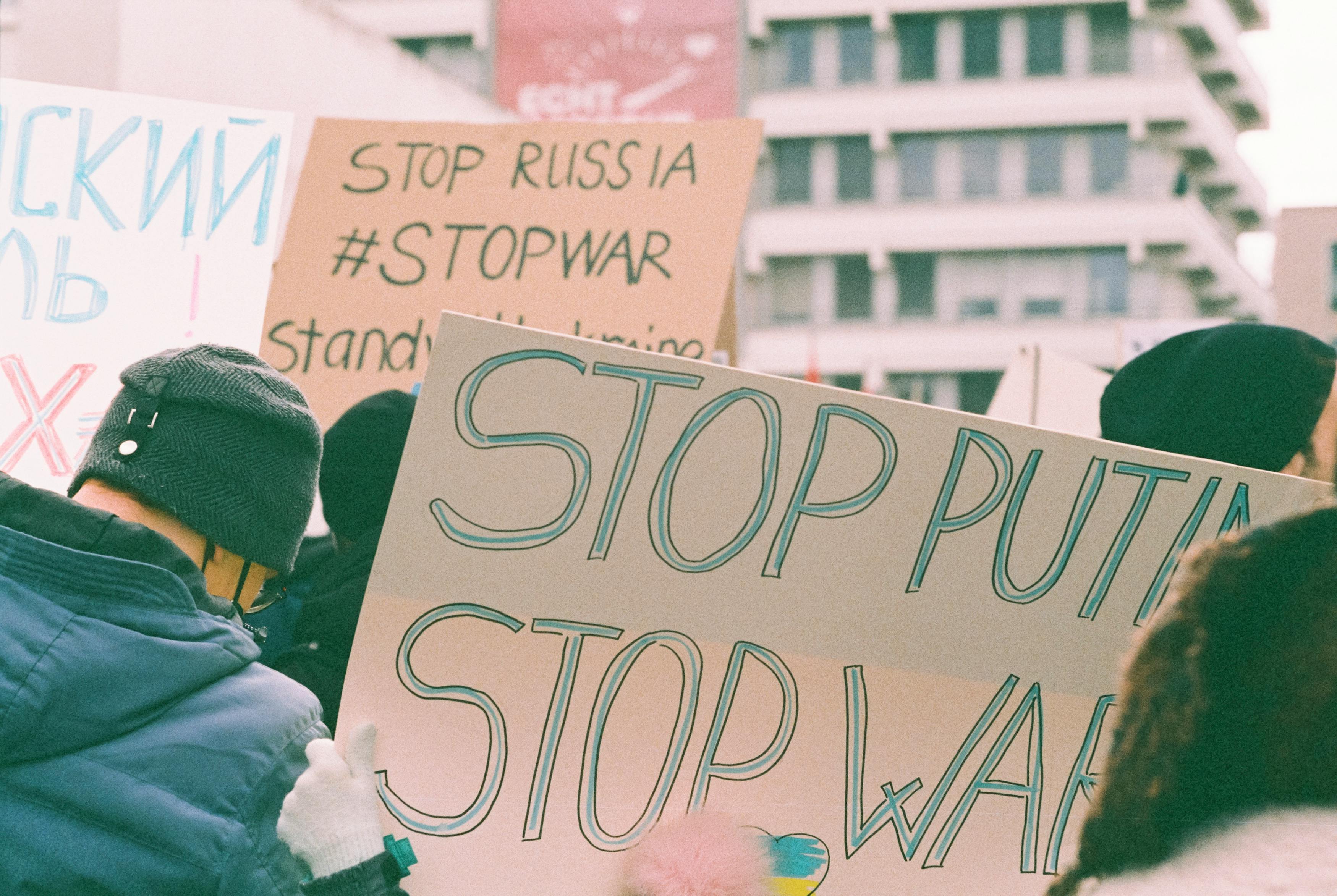
On November 3, 2025, a significant policy shift concerning military aid to Ukraine was signaled by U.S. President Donald Trump, who stated he was not currently considering a deal to supply Kyiv with long-range Tomahawk cruise missiles, despite previous indications of openness and a recent assessment by the Pentagon clearing the path for the transfer. Speaking to reporters, the President offered a definitive, albeit potentially temporary, “No, not really” when questioned about the proposed sale, citing concerns over escalating the conflict and the necessity of maintaining U.S. operational readiness. This decision, following recent high-level diplomatic engagement with both Ukrainian and Russian leadership, injects immediate uncertainty into the calculus of the war and carries profound implications for the future trajectory of the conflict, U.S. strategic leverage, and the cohesion of the Western alliance.
Implications for the Future Trajectory of the Conflict
Assessment of Leverage in U.S.-Russia Relations Post-Decision
The decision to refrain from supplying the Tomahawks, while seemingly mitigating an immediate escalation risk with Moscow, may inadvertently weaken a key point of leverage in future diplomatic engagement. Ukrainian officials had hoped the *prospect* of these missiles would be enough to force Russian concessions in negotiation. By signaling that the U.S. is hesitant to arm Ukraine to a certain capability level due to internal constraints or a desire to let the sides “fight it out,” the administration might have inadvertently signaled a ceiling to its military support, potentially emboldening the Kremlin in its war aims or its stance at any future negotiating table. The very discussion of the missiles had previously pressured Russian President Vladimir Putin, with some Ukrainian officials noting that the *talk* of the weapons already served a purpose by pushing Putin into talks. By removing this specific, high-end capability from the immediate table, the diplomatic capital gained by avoiding Russian ire might be offset by a loss of strategic advantage vis-à-vis Kyiv’s negotiating leverage. This places greater weight on the existing battlefield dynamics and the effectiveness of the materiel already supplied, as the immediate threat of deep-strike capability is withdrawn.
Furthermore, this move underscores the highly personal and transactional nature of the current U.S. approach to the conflict, particularly following President Trump’s recent call with President Putin, during which the Kremlin warned that the delivery would cause “substantial damage to the relationship between our countries”. The President’s subsequent comments align with an apparent desire to de-escalate direct friction with Moscow, even if it means constraining Kyiv’s offensive potential. The Kremlin is likely to interpret this hesitation as a positive development, reinforcing its strategy of sustaining pressure and waiting for the perceived limits of Western support to manifest.
Reactions from European Allies and Burden-Sharing Dynamics
The hesitancy displayed by the primary military backer inevitably reverberates throughout the broader coalition of nations supporting Ukraine, placing renewed pressure on European partners to fill the capability gaps. The discussion about allowing NATO nations to procure and transfer the weapons—a concept the President was “cool to”—suggests a desire to delegate the political risk while still achieving the strategic outcome, though this also requires consensus among multiple sovereign nations. European allies, who have already been urged by the Trump administration to assume greater responsibility for their own security and that of Ukraine, must now reassess their domestic production capabilities and political will.
The ongoing war effort is inherently resource-intensive, and any perceived wavering from the leading partner forces allies to reassess their own commitments, logistical pipelines, and domestic political will to sustain the necessary levels of military and financial assistance over the long term. Since President Trump took office in January 2025, the U.S. has adopted a different approach, and Europe has taken steps to assume greater responsibility for security, including support for Ukraine. This Tomahawk reversal tests the resolve of that nascent European leadership role. If the U.S. will not supply the most advanced strike systems due to inventory or escalation concerns, European nations must now decide whether to accelerate their own defensive industrial bases or lobby Washington to reverse the decision, potentially creating new fissures within NATO over the pace and scope of military support.
Geopolitical Resonance Beyond the Immediate Conflict Zone
The Precedent Set for Other U.S. Security Commitments
The highly visible and often fluctuating nature of U.S. military assistance to Ukraine, particularly concerning high-profile weapon systems like the Tomahawk, establishes a significant precedent for how other global partners and adversaries perceive the reliability and consistency of American security guarantees. When key decisions are publicly announced, reversed, and then qualified—often seemingly tied to bilateral conversations with adversaries—it can create an atmosphere of doubt among nations relying on U.S. defense coordination. This perception of potential unreliability can subtly shift alliances, as nations may begin to hedge their bets or seek more reliable long-term security arrangements that are less subject to the immediate political calculations of a single administration, especially one prioritizing bilateral resets.
This dynamic is compounded by the administration’s overall pivot away from leading the unified front that characterized previous support efforts, such as stepping back from leading the Ukraine Defence Contact Group. For allies in the Indo-Pacific or other regions facing regional threats, the signal is clear: U.S. commitments are subject to immediate administrative review based on potential conflict escalation thresholds, rather than solely on long-term strategic imperatives. This can accelerate trends toward regional self-reliance or the formation of security blocs less tethered to Washington, subtly reshaping the global defense architecture.
The Impact on Internal U.S. Defense Planning and Readiness Metrics
The entire Tomahawk saga has cast a stark light on the readiness metrics and inventory management within the Pentagon’s defense planning apparatus. The fact that a major public debate centered on whether the U.S. Navy could afford to transfer a significant number of its long-range strike assets underscores vulnerabilities in maintaining operational stocks during sustained, high-intensity proxy conflicts. Reports had indicated that the Pentagon’s assessment found shipments would *not* negatively impact U.S. stockpiles, making the President’s ultimate deferral appear more rooted in political/escalation concerns than pure inventory depletion, though the underlying tension remains.
Regardless of the immediate trigger, this public discourse will likely spur internal reviews, budgetary realignments, and potentially accelerated production goals for key munitions across the Department of Defense. Defense planners must now factor in the possibility of prolonged high-intensity conflict support, necessitating a reevaluation of required “buffer stocks” for critical, long-range weapon systems like the Tomahawk. The lesson learned is that supporting an active frontline partner for an extended duration demands a different readiness posture than peacetime or low-intensity deployment scenarios. This will undoubtedly influence future procurement strategies and the industrial base ramp-up schedules for 2026 and beyond, as Congress and the Pentagon address the real-world constraints exposed by the war in Ukraine.
Long-Term Outlook for Peace Prospects in the Region
Analysis of the “Stop Where They Are” Ultimatum
The President’s direct appeal to both capitals to “stop where they are” and end the conflict, suggesting a division of claimed victory, represents a distinct, non-traditional approach to conflict resolution. This approach bypasses established diplomatic frameworks that usually focus on territorial integrity and international law, favoring a pragmatic, immediate ceasefire to halt the human toll. However, this suggestion is fundamentally at odds with the stated goals of the Ukrainian government, which seeks a resolution on “fair terms,” implying a restoration of sovereignty and territorial integrity.
The gap between the U.S. executive’s desired endpoint—a cessation of hostilities based on current lines—and Kyiv’s fundamental war aims remains vast and constitutes a major obstacle to any final, lasting peace agreement. The administration’s push for an immediate halt suggests a prioritization of ending the fighting over achieving Ukraine’s maximalist objectives, a position that may be increasingly reflected in the limits of U.S. military sustainment as 2025 progresses. If this “stop where they are” posture hardens into official U.S. policy, it effectively rewards Russia for its aggression, a concession Kyiv has repeatedly indicated it cannot politically or existentially afford.
The Role of Precision Targeting in Future Battlefield Dynamics
The current denial of the Tomahawk missiles does not negate Ukraine’s established capacity, nor its intent, to utilize precision munitions effectively. The conflict has already demonstrated a significant evolution in Ukrainian targeting doctrine, moving to focus on airfields, logistics hubs, and command centers rather than solely on energy infrastructure in some phases, particularly with the long-range capabilities they *do* possess. The continued provision of other, shorter-range precision-guided systems and intelligence support ensures that the tactical and operational pressure on Russian forces will not cease. In fact, the focus of the war will likely continue to shift to attrition and the effective neutralization of high-value assets accessible by existing or newly supplied, albeit less long-range, weapons platforms.
The need for long-range capability remains critical for Ukraine to strike deep into Russian territory, specifically targeting military bases, logistics hubs, and ammunition depots to degrade Russia’s war-sustaining capacity. Without the Tomahawks, Ukraine must rely on other systems, such as the systems provided under the Prioritised Ukraine Requirements List (PURL) mechanism, which are often backfilled by European allies sending their own assets to Ukraine. The battlefield calculus, therefore, shifts from what *could* be struck with a 2,500 km missile to what *can* be struck with existing ATACMS or other allied equivalents, likely concentrating strikes closer to the immediate front lines or the occupied territories, thus reducing the immediate strategic pressure on Russia’s interior logistics.
Conclusion: A Policy Defined by Calculated Restraint and Persistent Ambiguity
Synthesizing the Core Elements of the Current Military Aid Posture
In summary, the current state of military support for Ukraine, as of November 3, 2025, is defined by a calculated restraint on the most potent, deep-strike offensive systems, counterbalanced by a continued commitment to supplying defensive materiel necessary for immediate survival on the front lines. The decision regarding the Tomahawk missiles serves as a perfect microcosm of the administration’s broader strategy: to push for an end to the war through immediate de-escalation while managing the explicit red lines drawn by the adversary, all filtered through a lens of prioritizing U.S. domestic readiness. This complex balancing act means the evolution of the conflict remains tethered not just to events on the ground—such as the ongoing battles near Pokrovsk—but critically, to the internal policy deliberations within the U.S. executive branch.
This posture projects an image of transactional engagement rather than unconditional commitment, a clear departure from prior policy norms. The White House seeks peace by signaling caution, but this caution risks being interpreted by Moscow as weakness or a lack of resolve to see Ukraine prevail on its own terms, while simultaneously frustrating Kyiv, whose military campaign relies on maintaining operational momentum and strategic surprise.
Forward Visibility: The Unresolved Questions for the Immediate Future
The key unresolved tension moving forward centers on whether the current level of support—defensive aid coupled with a denial of significant offensive reach—is sufficient to hold the line against Russian aggression without eventually forcing Kyiv’s hand toward unacceptable concessions. The Kremlin appears confident that sustained pressure, coupled with the known sensitivities of the U.S. executive regarding escalation, will eventually force Kyiv to accept a settlement based on current front lines, aligning with the “stop where they are” narrative.
The world watches to see if the tactical pause on the Tomahawks ultimately proves to be a precursor to a negotiated settlement under U.S. auspices, or if it is merely a momentary deferral of a decision whose ultimate impact on the war’s conclusion is yet to be determined. The interest across media outlets in this developing story confirms its importance as a bellwether for the entire security architecture of the region and the reliability of U.S. security guarantees for the foreseeable future. The critical test for Kyiv will be whether the immediate defensive support they receive is enough to prevent catastrophic battlefield losses while they await any future shift in Washington’s calculus regarding long-range offensive systems.