The Economic Siege: Beyond Traditional Sanctions
The most acute pressure point is not the presence of ships, but the systematic strangulation of the nation’s only reliable revenue stream. This strategy moves aggressively past existing financial restrictions.
The Declaration of a Total Blockade on Sanctioned Maritime Traffic
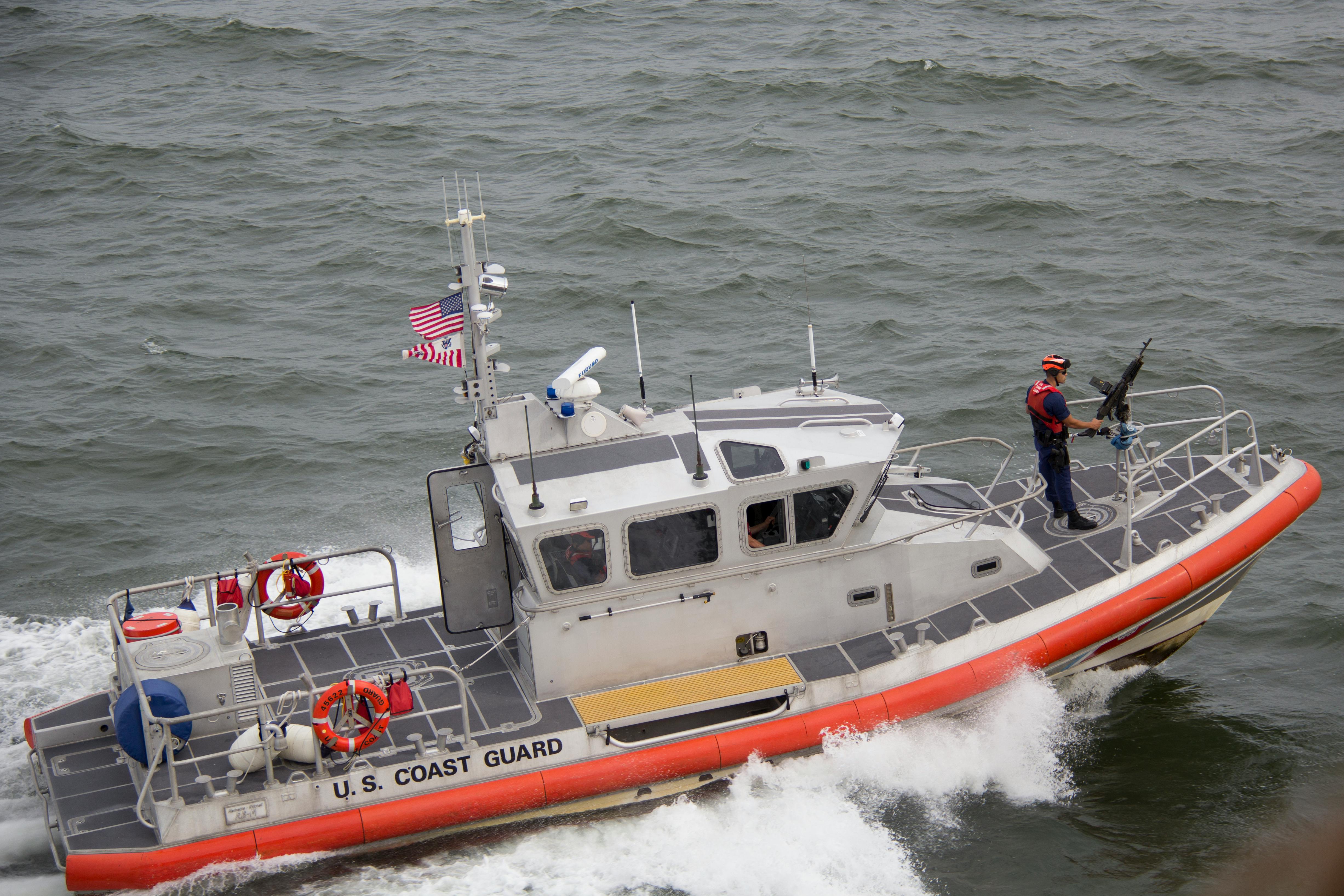
The most significant strategic development, moving beyond the standard punitive measures of financial sanctions, is the formal declaration of a “total and complete blockade” targeting all **sanctioned oil tankers** either entering or departing the nation’s jurisdiction. This action, announced via direct communication channels used by the chief executive, is fundamentally an act of economic warfare. Under established international norms, a naval blockade enforced by one nation against another is widely viewed as a belligerent act, a clear precursor to, or even a component of, armed conflict, carrying profound legal implications concerning freedom of navigation and neutrality obligations for third-party maritime actors [cite: 6, *as per original prompt text*]. This move is explicitly designed to halt the flow of the nation’s primary revenue source—its oil—which is essential for the regime’s budgetary stability and its international support structures. The blockade’s direct impact is immediate, forcing many vessels laden with product to remain anchored or seek evasive maneuvers in distant waters, thereby strangling the country’s ability to finance its operations and provide for its population. The effectiveness is already visible: oil flows have been reduced by over 70% compared to the previous year.
Impact on Global Energy Markets and International Trade Corridors
The aggressive targeting of the Venezuelan oil trade, even if initially focused on a relatively small percentage of global output, sends powerful shockwaves through already sensitive international energy markets. The disruption to a major, albeit sanctioned, exporter immediately injects supply uncertainty, leading to measurable increases in global benchmark crude oil prices as major consumers and traders attempt to hedge against further instability. The disruption has already caused significant shipment delays for major trading partners like China, which has historically taken the majority of diverted cargoes. This economic fallout extends beyond immediate energy costs, affecting geopolitical relationships, particularly with nations that have complex, often deeply invested, commercial ties to the sanctioned South American state. The policy thus risks alienating economic partners while simultaneously straining the domestic economies of allied nations due to fluctuating energy costs. This unilateral dictation of global resource flow underscores a foreign policy approach that prioritizes immediate geopolitical leverage over the stability of established international trade frameworks. To see how this affects wider global commodity movement, review our article on analyzing global commodity flow disruptions.
Domestic Political Calculus and Congressional Friction. Find out more about US naval blockade enforcement Venezuela oil sanctions.
No major foreign policy pivot occurs in a vacuum; this escalation is deeply tied to domestic political winds and institutional checks.
The President’s Campaign Promise and Second-Term Policy Shift
The current confrontation marks a significant departure from the stated isolationist tendencies often espoused during the executive’s previous electoral campaigns, which frequently prioritized avoiding new foreign wars and focusing domestic resources inward. However, the administration’s second term has witnessed a dramatic recalibration, where perceived weaknesses in the global standing of the nation are being aggressively addressed through unilateral and high-risk international actions. The move against the South American nation is interpreted by some analysts as a demonstration of perceived strength, intended to reassure a domestic base wary of perceived foreign policy concessions or failures elsewhere. This is political theater played out on the world stage, using the specter of conflict and the promise of resource recovery to bolster domestic political standing, regardless of the external consequences or the inherent risks to international legal norms.
Congressional Opposition to Unsanctioned Military Engagement
Despite the administration’s unilateral actions, the legislative branch has shown signs of resistance to allowing the executive to proceed entirely unchecked into what many lawmakers view as an undeclared war. Legislative maneuvers, including recent bids within the lower chamber to mandate explicit congressional authorization before any further escalation or land-based military operation could commence, highlight a significant institutional friction point [cite: 6, *as per original prompt text*]. Lawmakers on both sides of the aisle have voiced concerns that the campaign—which has already resulted in fatalities from maritime engagements—is crossing the threshold into a full-scale military conflict without the necessary constitutional consultation, underscoring a fundamental disagreement over the balance of war powers. For those tracking the constitutional debate, information on the balance of war powers in modern executive action is essential.
The Geopolitical Repercussions and Global Realignment. Find out more about US naval blockade enforcement Venezuela oil sanctions guide.
When one major power changes its posture, the entire geopolitical chessboard reacts. This situation is no exception; it is actively reshaping alliances.
Reactions from Key International Allies and Adversaries
The escalation has triggered immediate and deep concern across the broader international community, particularly among nations identified as partners or allies of the targeted Venezuelan government. States known for their strategic alignment with Caracas, including major global actors in Eurasia and the Caribbean, have vocally condemned the escalating military pressure, viewing the blockade and seizures as a dangerous infringement on national sovereignty and international law. The rhetoric from Washington has galvanized these counter-powers, potentially driving them to increase their diplomatic and economic support for the besieged regime, thereby solidifying or deepening existing geopolitical fault lines. Russia, for instance, has issued an ominous warning against further escalation. This dynamic risks turning a bilateral dispute into a wider international confrontation, drawing in external powers that view the situation through the lens of great power competition, threatening to undermine broader regional stability objectives.
Implications for Regional Security and the Erosion of Diplomatic Norms
The aggressive posture adopted by the administration, particularly the use of naval force to enforce unilaterally declared economic restrictions, sets a troubling precedent for the entire Western Hemisphere and beyond. Regional partners, who rely on the stability of maritime lanes and adherence to international conventions regarding sovereignty and non-intervention, face an unprecedented dilemma: either tacitly accept the new, aggressive unilateralism or risk becoming targets themselves through perceived non-compliance. Experts have warned that such actions severely undermine established diplomatic norms, suggesting that the core American commitment to a rules-based international order is being compromised by a transactional desire for resource control and regime alteration. This erosion of trust complicates future multilateral engagements on issues ranging from trade to regional security, as other nations hedge against the perceived unpredictability of the United States by pursuing alternative alliances and diversifying their own economic and defense structures.
The Historical Context and Precedents of Intervention. Find out more about US naval blockade enforcement Venezuela oil sanctions tips.
To grasp the gravity of the current moment, one must look back at the lines that were previously considered too dangerous to cross.
Echoes of Previous Administration Debates on Direct Military Action
The current high-stakes maneuvering is not without precedent, as internal discussions regarding direct military intervention in the South American nation have surfaced during previous executive tenures under the same principal leader. Historical records recall instances where the possibility of military options, including invasion scenarios, were seriously analyzed and presented to the President [cite: *as per original prompt text*]. In those earlier instances, senior national security and diplomatic personnel strongly counseled against such a course, citing the projected disastrous consequences, including the need for massive troop deployment and the near-certainty of international condemnation. The current escalation, while seemingly avoiding an overt ground invasion, leverages many of the same coercive tools previously advised against, suggesting a slow, incremental march toward a line that was once clearly demarcated as unacceptable.
The Precedent of Asset Seizure Versus Full-Scale War in Foreign Policy
The administration’s current strategy represents a strategic evolution in the application of coercive state power, deliberately testing the legal and military boundaries between economic pressure and armed conflict. The justification rooted in recovering expropriated oil assets harkens back to older doctrines, but the method—a naval blockade enforced by deployed military fleets—pushes the action into the domain traditionally reserved for declared war [cite: 13, *as per original prompt text*]. The core analytical challenge for observers is discerning where the true policy objective lies: is it purely to recover specific assets and halt illicit trade, or is the objective regime change, with the asset recovery serving as a convenient and legally palatable public justification? The ambiguity is intentional, allowing the executive to deploy overwhelming force while maintaining plausible deniability that a formal state of war has been initiated, thereby bypassing constitutional requirements for congressional approval.
The Humanitarian Dimension and Societal Vulnerability. Find out more about US naval blockade enforcement Venezuela oil sanctions strategies.
While the justifications focus on criminals and corporations, the real-world impact falls upon the general population. This is the often-ignored collateral damage of geopolitical maneuvering.
The Impact of Economic Strangulation on the Civilian Populace
While the stated aims focus on the ruling elite, the direct consequences of a comprehensive oil blockade are disproportionately borne by the general citizenry, who have already endured years of severe economic contraction, hyperinflation, and systemic shortages. For the average resident, the rhetoric of seizing stolen assets translates into the immediate reality of diminished resources, further eroding the already fragile domestic economy [cite: *as per original prompt text*]. Analysts suggest that while the current hardships are extreme, further economic strangulation is unlikely to catalyze the widespread domestic uprising the administration might hope for; rather, it is more likely to deepen existing suffering and potentially spur new waves of external migration. The civilian population, having already weathered multiple cycles of crisis, is forced to adopt survival mechanisms, making them highly vulnerable to any external action that further destabilizes the distribution of essential goods, especially food and medicine dependent on national revenue streams.
Scrutiny Over Lethal Force and Questions of Accountability in Maritime Engagements
The entire pressure campaign is shadowed by the confirmed instances of lethal force utilized against maritime targets, resulting in the deaths of non-combatant personnel according to external reports [cite: 6, *as per original prompt text*]. The justification that these engagements targeted only hardened criminal operatives is subject to intense scrutiny from both domestic political bodies and international human rights organizations. The lack of comprehensive evidentiary releases regarding the target vetting process for these deadly strikes raises serious questions about accountability and the potential for extrajudicial killings under the guise of counter-narcotics enforcement.
Contingency Planning and the Potential Off-Ramps. Find out more about US naval blockade enforcement Venezuela oil sanctions overview.
Maximal pressure is a strategy, but strategies need endpoints, or they risk perpetual, uncontrolled escalation.
The Calculus of Concession: What Could Constitute Maduro “Crying Uncle”
The administration’s stated goal, as articulated by a high-ranking staffer, is to “keep on blowing boats up until Maduro cries uncle”. This indicates that the pressure campaign is intended to be sustained until the Venezuelan leadership capitulates to the administration’s demands. The critical unknown, however, is the precise set of concessions that would satisfy this condition, given the multifaceted nature of the demands—ranging from the return of oil assets to the resignation of the leader. A clear, achievable off-ramp that allows the opposing regime to step down without complete political annihilation is not publicly articulated, suggesting the current trajectory is one of maximal pressure without a defined, mutually acceptable political resolution short of complete systemic collapse or capitulation. This lack of a stated diplomatic endpoint prolongs the crisis and heightens the probability of accidental or intended military escalation.
The Importance of Multilateral Engagement in De-escalation Scenarios
While the current policy is overtly unilateral—driven by executive directives and unilateral sanctions enforcement—any sustainable de-escalation or long-term resolution will likely necessitate the involvement of multilateral actors. The current approach risks isolating the United States diplomatically, even among traditional allies who favor sanctions enforcement but balk at the prospect of a naval blockade or overt military engagement. Future stability will hinge on the ability of the administration to eventually pivot back toward engagement with regional bodies and global powers to help broker a transition or secure compliance in a manner that respects broader international conventions. The current path is paved with unilateral assertion, but the only viable exit strategy from the brink of war must eventually involve multilateral diplomatic architecture to secure any lasting political or economic outcome in the nation. We must ask ourselves: Does this heavy-handed unilateralism truly protect our long-term interests, or is it simply setting a dangerous precedent for every other global power to follow? ***
Key Takeaways and Actionable Insights for Informed Citizenship. Find out more about Rationale for military pressure on Venezuela asset recovery definition guide.
The current crisis is a masterclass in layered geopolitical leverage, moving from rhetoric to kinetic action swiftly. For those observing the shifting global landscape, here are the essential takeaways:
- Dual Justification is Key: The pressure campaign is intentionally framed around both counter-narcotics (a popular domestic issue) and asset recovery (appealing to corporate interests), giving it dual political resilience.
- The Blockade is the Line: The declaration of a “total and complete blockade” on *sanctioned* tankers is the single most escalatory act, pushing the situation from sanctions enforcement into the legal territory of armed conflict.
- Domestic Friction is Real: Significant, though insufficient, resistance exists within the U.S. Congress regarding the scope of executive war powers, signaling deep institutional unease.
- Global Blowback is Inevitable: The unilateral action guarantees a counter-alignment among U.S. adversaries, deepening existing geopolitical fault lines and potentially destabilizing regional security in the Western Hemisphere.
- No Clear Off-Ramp: The lack of a publicly defined set of concessions for capitulation suggests the strategy is aimed at collapse, not negotiation, increasing the risk of miscalculation.
What are your observations on this confluence of economic warfare and military signaling? Where do you see the greatest risk for uncontrolled escalation in the coming months? Share your analysis in the comments below.