Can Mediators Prevent War Between Afghanistan and Pakistan as Tensions Spike?
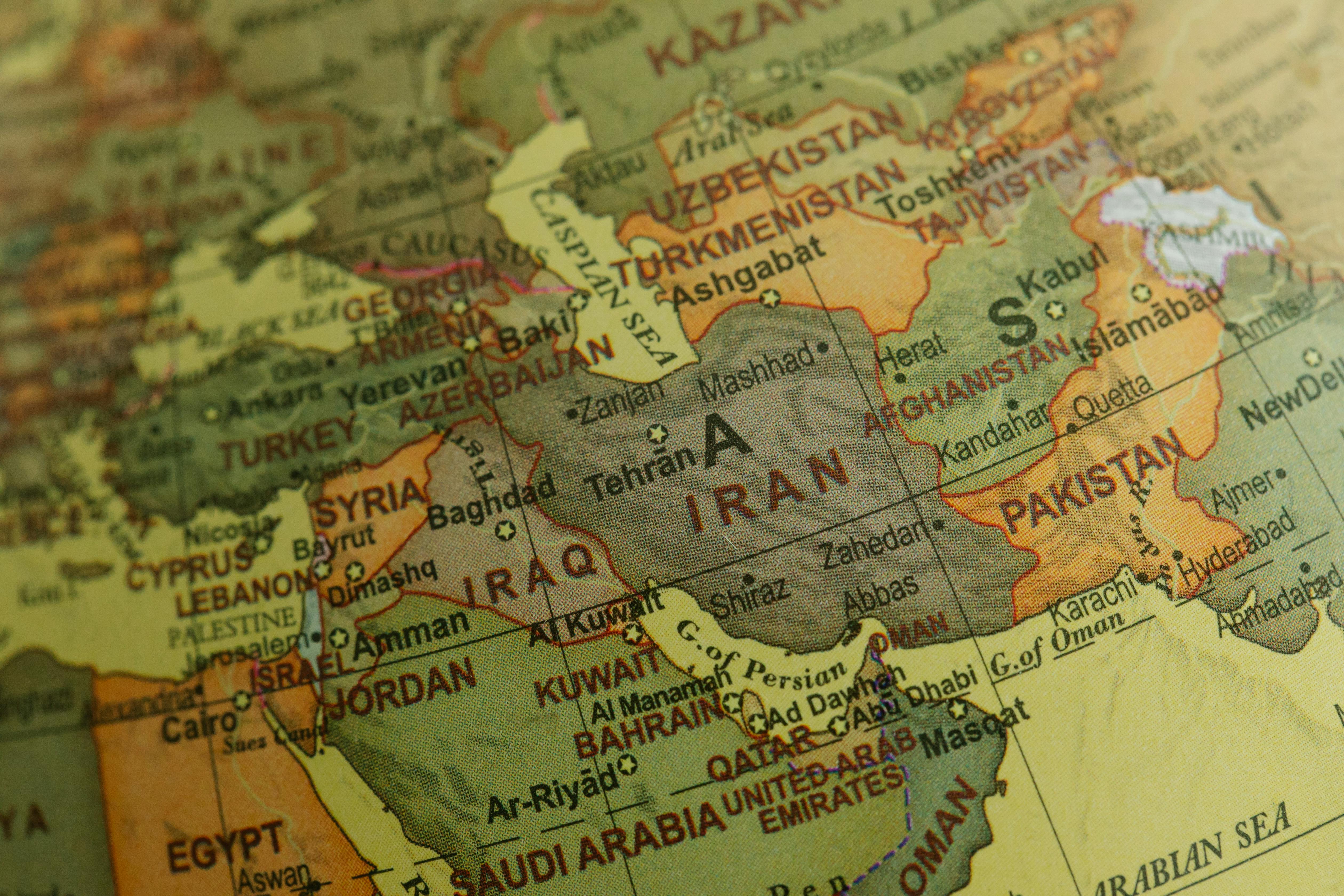
As the Durand Corridor once again teeters on the precipice of conflict, the diplomatic exertions of regional powers have become the critical variable in managing the escalating crisis between Afghanistan and Pakistan. The recent, yet fragile, ceasefire, brokered in October 2025 through the sustained efforts of mediators like Qatar and Türkiye, offers a temporary reprieve, but the underlying security chasm—defined primarily by the Tehrik-e-Taliban Pakistan (TTP) conundrum—remains dangerously wide. The question for analysts and policymakers alike is whether the institutional frameworks being tentatively established can transition from mere crisis management to the building of sustainable, long-term security accommodation.
The Central Security Imperative: The TTP Conundrum
At the heart of Pakistan’s persistent diplomatic pressure, which arguably helped force the Taliban to the negotiating table, was the demand for tangible, actionable security concessions regarding the TTP. For Islamabad, the decades-long pattern of verbal assurances from the Afghan side about controlling militant sanctuaries had proven insufficient against a backdrop of increasingly deadly attacks within Pakistan. The first three quarters of 2025 alone saw approximately 2,400 fatalities from TTP-linked attacks, a figure approaching the total recorded for the entirety of 2024, underscoring the severity of the threat.
Pakistan’s Non-Negotiable Demand for Verifiable Counter-Terrorism Action
The success of any negotiated truce, therefore, became intrinsically linked in the eyes of the Pakistani security establishment to the Afghan Taliban’s demonstrable willingness to actively suppress, dismantle, or hand over TTP leadership and operatives using Afghan territory for planning and execution of violence. This was a pronounced shift from seeking general assurances to demanding concrete verification of Kabul’s operational commitment on the ground. As recently as September 2025, Pakistan’s Deputy Prime Minister/Foreign Minister Mohammad Ishaq Dar explicitly called upon the Afghan interim authorities to take “concrete and verifiable action” to prevent their soil from being used for terrorism. Furthermore, during the final round of talks in Istanbul in early November 2025, Pakistan reportedly called for the issuance of a *fatwa* declaring war against Pakistan as forbidden, alongside a demand for third-party verifications of Kabul’s actions.
The Taliban’s Defense: Denials, Counter-Accusations, and the Sovereignty Defense
The Afghan administration’s public posture was one of categorical denial regarding the support for groups actively hostile to Pakistan, coupled with a firm defense of its national sovereignty. Kabul contested the justification for Pakistan’s cross-border strikes, framing them as violations of Afghan territory. In turn, Afghan officials have suggested that Pakistan itself harbors militant factions that pose a threat to security within Afghanistan. This reflexive counter-accusation demonstrates the deep-seated inability of the two governments to agree on a shared reality regarding the source and nature of trans-border terrorism, presenting mediators with the formidable challenge of establishing an objective, verifiable security baseline acceptable to both parties. Even with a ceasefire in place, the Taliban delegation at the November Istanbul talks reportedly refused to provide written guarantees on dismantling terrorist networks.
The Cost of Non-Compliance: Diplomatic Goodwill and International Standing
The mediation efforts, particularly those anchored by key regional players like Türkiye and Qatar, carried an implicit but significant weight for the Afghan Taliban administration. The failure of the Taliban to robustly address Pakistan’s TTP concerns through this established multilateral forum carried the potential for severe diplomatic repercussions. Such a failure would not only exacerbate an already strained relationship with a critical neighbor but would also damage the goodwill cultivated with the mediators themselves, potentially reinforcing the perception of the Afghan Taliban as an unreliable and fundamentally untrustworthy international actor, thereby further complicating their long-term goals of international legitimacy and economic engagement. Pakistan has signaled a hardening of its stance, deciding to keep key border crossings with Afghanistan shut indefinitely until “verifiable and irreversible” action is taken against terrorist outfits like the TTP.
The Long View: Building Sustainable Mechanisms Beyond Temporary Truces
The October 2025 ceasefire, announced after intense border clashes, only paused the immediate kinetic exchange. For any peace to endure past this immediate crisis phase, the architecture of the agreement must be fundamentally more robust than previous arrangements.
Establishing the Framework for Monitoring and Verification: Lessons from Past Failures
For any peace to endure past the immediate crisis phase, the agreements must incorporate robust, mutually acceptable mechanisms for monitoring and verification, a concept that recognizes the inherent fragility of trust between the belligerents. The initial successes in Doha and the subsequent consolidation talks in Istanbul hinted at the establishment of such a system, designed to ensure the maintenance of any agreed-upon peace and, crucially, to institute pre-agreed penalties or corrective actions against any party found to be in violation of the terms. This moves the relationship from a cycle of reactive military engagement to a proactive, compliance-based security management regime. The design of this verification structure—who staffs it, what are its rules of engagement, and what are the clear steps following a reported breach—will be the true litmus test of the mediation’s lasting impact. Pakistan has explicitly called for third-party verifications of Kabul’s actions.
Addressing Secondary Issues: The Interplay of Water, Trade, and Border Management
True normalization requires moving beyond the immediate security crisis to tackle the long-festering structural issues that provide undercurrents for friction. This includes finding sustainable, internationally-monitored frameworks for the equitable sharing of vital transboundary water resources, such as the Helmand River, an issue that Iran has specifically sought assurances on from the Taliban. Furthermore, expanding cross-border trade and formalizing border management procedures, while respecting the historical ethnic ties that bind communities, offers an avenue to create shared economic incentives for peace that can eventually outweigh the impulses toward conflict. The closure of at least five key border crossings due to the recent strains has already severely disrupted trade and civilian movement.
The Challenge of Internal Cohesion: Managing Domestic Political Pressures
Any negotiated settlement must also possess sufficient political capital within the domestic political spheres of both Islamabad and Kabul to survive internal challenges. In Pakistan, the security establishment must be able to credibly convey to its domestic audience that the diplomatic path is yielding concrete security dividends against the TTP, justifying the restraint on military action. Simultaneously, the Afghan leadership must navigate the demands of hardline elements within their own ranks who may view any concession to Pakistan—especially concerning the TTP, a group with ideological overlap—as a betrayal of revolutionary principles. Successful mediation, therefore, requires not just an agreement between two states, but the careful cultivation of internal political consensus within each of them. Pakistani officials, for instance, have recently voiced disapproval of the earlier 2022 dialogue with the TTP, suggesting domestic pushback against concessions.
The Threat of Proxy Warfare and Terrorist Regeneration
The persistent, low-intensity conflict along the border keeps the region volatile, creating an environment where non-state actors can thrive and escalate their own operations.
The Vicious Cycle: How Protracted Hostilities Fuel Extremist Resurgence
The warning issued by security analysts regarding the potential for prolonged proxy warfare is perhaps the most sobering element of the crisis analysis. When direct state-to-state relations break down to the point of constant low-intensity conflict or the threat of renewed major engagement, the security vacuum and chaos created becomes fertile ground for non-state actors. Groups like ISIS-K, which are fundamentally opposed to both the established Pakistani state and the ruling structure in Kabul, stand to gain the most from a deterioration of relations, as it allows them to present themselves as the only true ideological alternative and provides operational space free from coordinated counter-terrorism pressure. This regenerative capacity is a direct threat not only to the stability of the two neighbors but also to international security, given the aspirations of these groups to project violence internationally. Reports indicate that the TTP, while acknowledged by a Taliban official as “guests,” is the largest terrorist group in Afghanistan, with some UN reports suggesting joint training with Al-Qaeda.
The Role of International Legitimacy as a Stabilizing Force
The desire of the Afghan administration for greater international recognition and economic integration acts as a subtle, yet potent, leverage point for mediators. The path to even limited diplomatic acceptance is contingent upon demonstrable improvements in regional security and neighborly relations, particularly concerning terrorism emanating from Afghan soil. For the international community, including the mediators, maintaining a unified front on this requirement—linking diplomatic normalization to verifiable security improvements—is essential to incentivizing sustained good faith behavior from Kabul and preventing a relapse into a failed state environment ripe for terrorist exploitation. This unified front is visibly being presented, with Pakistan, China, Russia, and Iran collectively demanding “effective, concrete, and verifiable actions” from the Taliban at the UN General Assembly sidelines in September 2025.
Analyzing the Mediators’ Self-Interest and Long-Term Stake
The sustained involvement of regional actors like Qatar and Türkiye is not purely altruistic; it is deeply interwoven with their respective geopolitical strategies, providing a powerful incentive for them to see the current tensions de-escalate into a workable settlement.
Qatar’s Stake in Maintaining Its Status as a Go-To Diplomatic Venue
For Qatar, its sustained investment in the Afghan-Pakistan dialogue serves a strategic purpose beyond regional stability: it reinforces its cultivated image as an indispensable, trusted interlocutor capable of engaging actors considered unreachable by many other global powers. Successfully navigating this highly complex and tense negotiation reaffirms Doha’s diplomatic brand, which has significant value in other global hotspots where seemingly intractable conflicts require a neutral, facilitator willing to engage all sides, including non-state actors. The success of the current ceasefire, brokered with Turkish support, directly contributes to the long-term credibility of Qatar’s foreign policy toolkit, a role it consciously cultivates as a “global mediator”.
Türkiye’s Geopolitical Footprint and the Appeal of Regional Problem-Solving
Türkiye’s involvement is rooted in a broader strategy of asserting itself as a key regional stabilizer and a bridge between the Middle East, Central Asia, and Europe. By stepping up alongside Qatar, Türkiye demonstrates its capacity to influence security outcomes in a critical part of the Muslim world, bolstering its diplomatic profile and potentially securing future roles in other regional disputes. For Ankara, the successful de-escalation in the Durand corridor is a tangible foreign policy achievement that showcases its commitment to a regional security architecture based on dialogue rather than purely military intervention, aligning with its strategic desire to be seen as a key player in resolving major geopolitical crises. The joint hosting of talks in Istanbul reflects this shared strategic goal with Doha.
The Path Forward: Rebuilding Trust Beyond the Immediate Crisis
The current diplomatic environment is one of high stakes, where the failure to build upon the October ceasefire could see the region revert to kinetic action, as warned by Pakistan’s defense minister following the stalemate in early November. The next steps must focus on institutionalization and a fundamental re-evaluation of security interests.
The Necessity of Institutionalizing Continuous Dialogue Structures
The reliance on crisis-driven, ad-hoc meetings, even highly effective ones like the Doha and Istanbul rounds, is inherently unsustainable for managing a relationship as complex as the one between Afghanistan and Pakistan. The final stage of successful mediation must involve the formal establishment of permanent, institutionalized dialogue forums that operate continuously, perhaps on a quarterly or bi-monthly basis, irrespective of immediate border incidents. These structures must include not only high-level political and security officials but also technical working groups focused on intelligence sharing, border demarcation verification, and joint counter-smuggling operations. The agreement in principle to establish a monitoring and verification mechanism is the first tentative step in this direction.
The Imperative of Mutual Recognition of Security Ecosystems
Ultimately, preventing a return to the brink requires both nations to shift from viewing the other’s security concerns as a zero-sum game to recognizing a shared, albeit contested, security ecosystem. Pakistan must find ways to credibly assist the Afghan administration in demonstrating domestic control over all non-state actors, including by potentially easing the pressure of refugee deportations which complicates Kabul’s governance. Conversely, Kabul must offer tangible, verifiable steps to neutralize threats originating from its soil against Pakistan, moving beyond the current dynamic where they acknowledge ideological affinity with the TTP but deny operational control. This paradigm shift, facilitated and guaranteed by the mediators, represents the only pathway to moving beyond temporary truces to achieving a resilient, long-term political and security accommodation along the critical, yet contested, Durand Corridor. The capacity of mediators to enforce and evolve these frameworks will determine whether the 2025 spike leads to a lasting peace or merely a prolonged, fragile pause before the next, potentially more devastating, confrontation.