The Escalation Point: Analyzing the Afghan Taliban’s Claim of Killing Pakistani Troops and the Reciprocal Crisis on the Durand Line
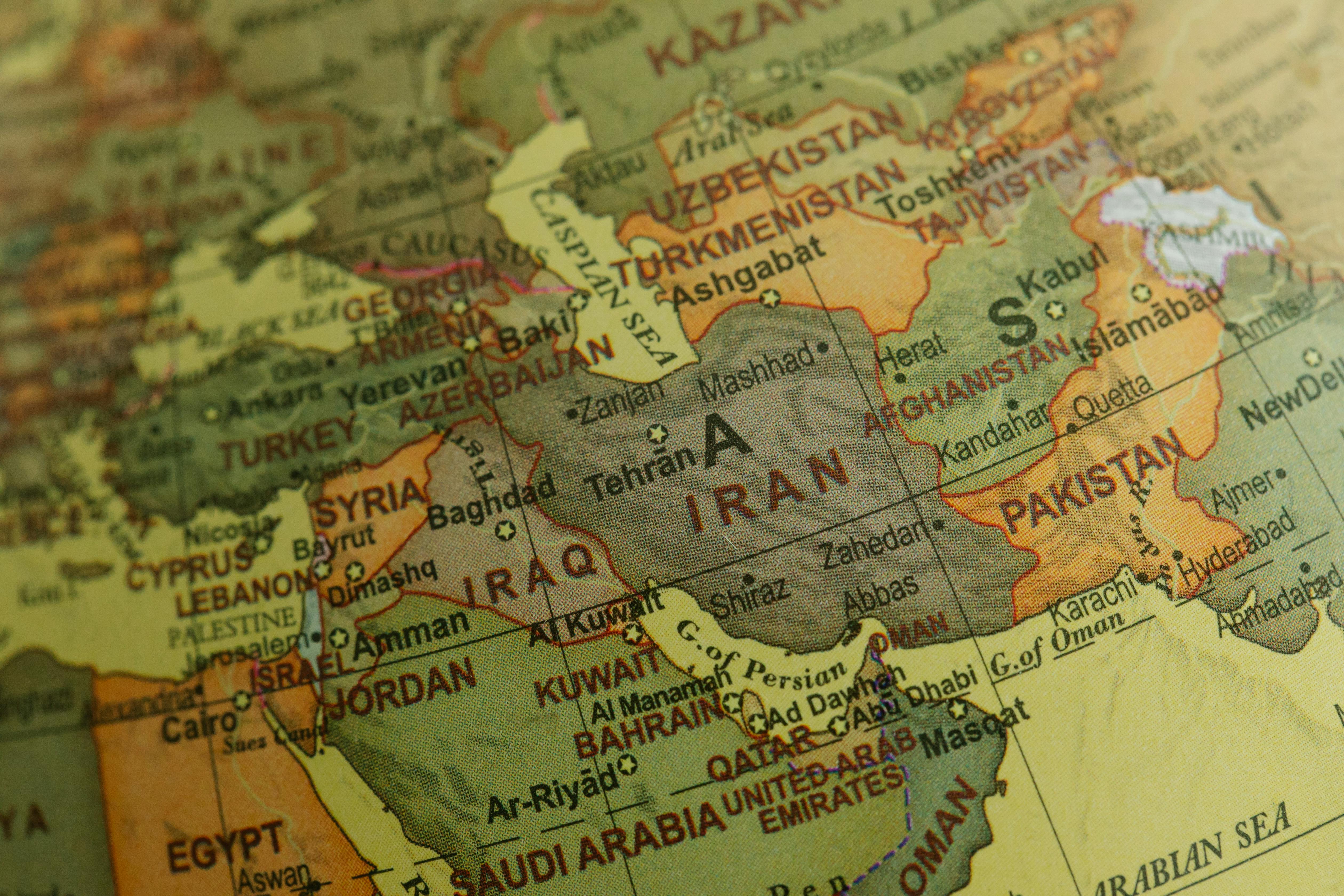
The relationship between the Islamic Emirate of Afghanistan (IEA), commonly known as the Afghan Taliban, and Pakistan remains characterized by profound strategic mistrust, recently manifesting in a significant military flare-up along their shared, contested frontier. In early to mid-October 2025, the situation dangerously deteriorated into cross-border kinetic exchanges, following a period of intense cross-accusations and failed diplomatic attempts to manage the pervasive threat of militancy. The central flashpoint that sparked the most recent, severe round of fighting was a direct retaliatory action claimed by the Afghan Taliban, who asserted they had inflicted heavy casualties upon Pakistani troops following alleged Pakistani incursions into Afghan territory. This incident serves as a stark, current illustration of the intractable security dilemma that defines the relationship between Islamabad and Kabul, a dynamic fundamentally rooted in the question of militant sanctuaries and sovereign respect.
The context for this clash is not isolated but is the culmination of mounting tensions since the Taliban’s return to power in August 2021. This latest crisis, which saw the deadliest fighting between the two neighbors in years, underscores the critical failure of previous de-escalation mechanisms and forces a re-examination of the foundational elements driving this regional instability. As of early November 2025, while a fragile ceasefire holds and diplomatic maneuvering continues under third-party mediation, the core grievances remain unresolved, positioning the relationship on a knife-edge.
The Nexus of Militancy: Interplay with Non-State Actors
The enduring tension between Pakistan and Afghanistan pivots entirely on the question of non-state armed groups operating from Afghan soil, specifically the Tehreek-e-Taliban Pakistan (TTP). This issue is not a peripheral diplomatic nuisance; it is the primary determinant of Pakistan’s security posture toward the current Afghan administration.
Islamabad’s Persistent Accusations Regarding the TTP Sanctuary
Pakistan’s foundational grievance is the unwavering assertion that the territory under the Afghan Taliban’s control is systematically utilized as a secure operational base for militant organizations actively targeting the Pakistani state. Chief among these is the TTP, an entity ideologically linked to the Afghan Taliban but committed to overthrowing the government in Islamabad and imposing a harsh interpretation of Islamic law within Pakistan.
Islamabad has consistently accused the Afghan Taliban of either actively enabling or passively allowing these anti-Pakistani militants to regroup, conduct sophisticated training, and launch cross-border assaults, particularly escalating in Pakistan’s Khyber Pakhtunkhwa region. This accusation forms the cornerstone of Islamabad’s justification for its own cross-border military actions. The kinetic exchange in October 2025 was reportedly precipitated by this very dynamic; the alleged Pakistani airstrikes that preceded the Afghan retaliation were purportedly executed with the specific intent of neutralizing TTP elements and their leadership, including internationally designated terrorists. Reports indicate that the TTP has experienced a significant resurgence, with an independent conflict monitor noting their operations ramped up by 91 percent since 2023, carrying out 482 attacks against Pakistani security forces in 2024 alone. The continued activity of the TTP directly challenges Pakistan’s internal security architecture, rendering the alleged sanctuary issue an existential threat to the Pakistani state apparatus.
Kabul’s Consistent Refutation of Harboring Anti-Pakistan Elements
Conversely, the ruling authority in Afghanistan has maintained a firm, public denial of Islamabad’s persistent allegations regarding the harboring or active support of groups like the TTP. The official narrative emanating from Kabul insists upon a commitment to preventing their soil from being used to launch attacks against any neighbor—a stance deemed necessary for their own aspirations toward international recognition and economic viability.
To counter Pakistan’s claims, the Afghan administration has frequently sought to reframe the blame, suggesting that Islamabad, in turn, provides shelter and support to dissident or opposition elements actively working against the current Afghan regime within Pakistan’s border territories. This dynamic creates an enduring strategic stalemate, an intractable blame game where both nations justify their military actions as necessary self-defense against terrorism facilitated by the other. This mutual, entrenched distrust acts as the primary impediment to achieving any comprehensive, durable counter-terrorism agreement, thereby perpetuating the cycle of border incursions and retaliatory strikes that reached a fever pitch in October 2025.
Diplomatic Fallout and Pursuit of De-escalation Mechanisms
The military confrontation of October 2025 generated immediate, severe consequences across security, economic, and diplomatic fronts. The kinetic exchange quickly shifted the diplomatic calculus, forcing both capitals to rapidly engage in stabilization efforts to prevent a full-scale border war.
Immediate Halt to Crossings and Trade Disruptions
The most immediate and tangible economic consequence of the kinetic exchange was the near-total paralysis of official movement and commerce across the main arteries connecting the two nations. Following the major flare-up, Pakistani authorities abruptly shuttered land-crossings vital for trade, supply chains, and humanitarian movement, as a measure to secure the frontier and prevent any further infiltration or opportunistic militant action.
This closure led to the immediate and significant accumulation of hundreds of commercial trucks carrying essential goods at various border checkpoints, effectively bringing cross-border trade to a grinding halt. Humanitarian organizations voiced considerable alarm, warning that prolonged border closures would inevitably lead to increased displacement of populations caught in the middle and severely constrain the essential flow of aid into Afghanistan, which remains heavily dependent on land access for critical supplies. The deployment of border closures as an immediate tool of statecraft signaled the gravity of the situation to the Afghan administration in Kabul. Reports indicated the border had remained closed for more than two weeks following the peak of the October clashes.
The Resumption of Turkey-Mediated Stabilization Talks
Despite the high-stakes rhetoric and the immediate economic damage wrought by the border shutdown, the severity of the crisis compelled a rapid, albeit inherently fragile, diplomatic intervention spearheaded by a third-party mediator.
Following an initial series of intense, yet unsuccessful, negotiations, both Kabul and Islamabad ultimately consented to temporarily suspend active hostilities—establishing a fragile, temporary ceasefire—to convene a second round of formal peace talks. These high-level discussions, aimed not merely at momentary calm but at establishing a long-term framework for frontier stability, were scheduled to take place in **Turkey**. The initial ceasefire was brokered in **Doha on October 19**, mediated by Qatar and Turkey. The willingness of both parties to return to the negotiating table, even after threats of military obliteration were issued by Pakistani officials, underscores a shared understanding that a continued, open-ended conflict undermines both nations’ core interests, particularly concerning trade stability and the prevention of further internal security breaches by militant entities.
The mediation efforts, spearheaded by Turkey and Qatar, proved essential in preventing the dialogue process from completely collapsing after the initial Istanbul round failed. By the end of October 2025, both nations agreed to extend the truce and prepare for a further high-level meeting scheduled for **November 6, 2025, in Istanbul**. The continuation of these talks, even amidst reports of minor skirmishes continuing during the negotiation period, represents the primary, though tentative, hope for moving beyond the immediate “blame game” toward a durable, if distant, framework for managing the volatility of the Durand Line. Pakistan’s stated central demand remains the requirement for the Afghan Taliban to commit to decisive action against the TTP operating from Afghan territory.