Border Clash Between Afghanistan and Pakistan Threatens a Wider Conflict: Security and Economic Ramifications Across South Asia
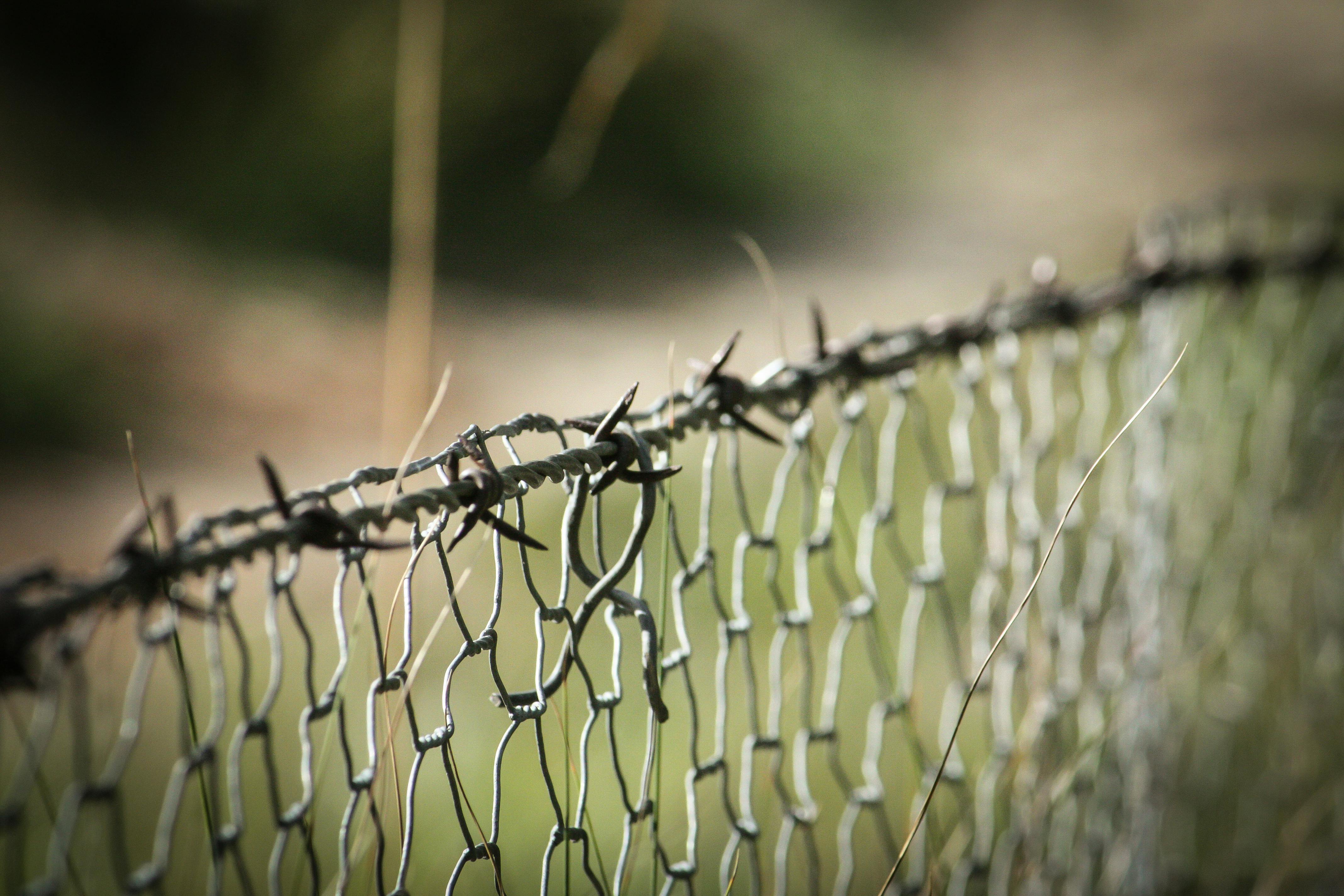
The border clash that erupted between Afghanistan and Pakistan in October 2025 acted as a sharp stress test for the entire regional security ecosystem, revealing profound vulnerabilities in counter-terrorism strategies and exposing the fragility of interconnected economic lifelines. This was not merely a localized skirmish; the conflict, which escalated rapidly following targeted Pakistani airstrikes in Kabul on October 9, 2025, represented the largest military confrontation between the two nations since the Taliban returned to power in 2021. While the immediate cessation of kinetic activity, achieved through a brokered ceasefire ten days later, was necessary to avert a catastrophic slide, the reverberations of the conflict threatened long-term stability by compromising both physical security and vital channels of commerce and aid that service a wide swath of Asia.
Disruption to Vital Trade and Transit Corridors
One of the most immediate and universally felt consequences of the intense border fighting was the prompt and comprehensive sealing of primary border crossings by Pakistani authorities, including Torkham and Spin Boldak, among others. This action was a direct reflection of the deteriorated security environment and served as a powerful, non-military tool of pressure; yet, its economic fallout was severe and immediate. The closure brought to a near-complete standstill the substantial trade and commerce that typically flows across the Afghanistan-Pakistan frontier, which is itself a crucial segment of the broader network linking South Asia to Central Asian markets. This stoppage affected both commercial goods and, alarmingly, the essential flow of humanitarian assistance destined for the Afghan population, relying on Pakistan as a primary logistical corridor. The disruption highlighted the region’s deep dependence on stable bilateral relations for economic viability, demonstrating that military flare-ups carry measurable, immediate humanitarian costs.
The economic toll was swiftly quantified, revealing the scale of the disruption to daily life and commerce. With key crossings sealed for nearly two weeks, hundreds of trucks laden with perishable goods remained stranded on both sides of the Durand Line, leading to mounting financial losses for traders across the region.
- Estimated Financial Impact: The Chairman of the Pakistan Border Trade Council warned that the ongoing closure was causing an estimated daily loss of Rs1.6 billion to Pakistan alone.
- Key Imports Halted: Pakistan relies heavily on imports from Afghanistan, which were brought to a halt. These include cotton (for which Pakistan imported $225 million worth last year), onions and garlic ($92 million), tomatoes ($43 million), fresh fruits ($17 million), dry nuts ($7 million), grapes ($51 million), and coal.
- Supply Chain Shock: The freeze on agricultural trade led to immediate inflationary pressures, with fruit and vegetable prices surging in Pakistani markets due to halted supplies. For example, Pakistan imported approximately 226,540 metric tons of tomatoes from Afghanistan between January 1 and October 11, 2025, a volume that local markets struggled to replace instantly.
- Regional Connectivity: Beyond bilateral trade, the suspension of movement jeopardized the vital transit routes connecting South Asia to Central Asian economies, compounding the broader regional impact.
The economic consequences underscore a strategic challenge: while Pakistan can exert immediate pressure via border closures, the tactic simultaneously harms its own agricultural sectors and destabilizes the regional trade environment upon which dependent industries rely.
Heightened Regional Terrorism and Insurgency Concerns
Beyond the immediate bilateral fighting, the events of October 2025 dramatically amplified existing regional concerns regarding the proliferation and operational capacity of extremist activity emanating from Afghan soil. Pakistani security agencies have consistently attributed a surge in attacks along its frontier regions to militant groups such as the Tehreek-e-Taliban Pakistan (TTP) and the Balochistan Liberation Army (BLA), linking this surge directly to the perceived enablement provided by the unstable situation in Afghanistan. Analysts posited that the intensity of the conflict in 2025 was on track to make it one of the deadliest years yet for such cross-border militant actions, indicating a dangerous empowerment or mobilization of these groups during the period of state-on-state confrontation.
The context leading up to the October flare-up was one of rising militant violence. Reports from the Center for Research and Security Studies (CRSS) indicated that armed attacks by the TTP and BLA had surged, with 2025 projected to surpass previous years in fatalities. Furthermore, data compiled by Pakistan’s security agencies suggested a disturbing pattern: between June and September 2025 alone, Pakistan recorded a 36% rise in organized infiltration groups crossing from Afghanistan, with a striking proportion being Afghan nationals, a significant increase from pre-2021 levels.
The conflict underscored the threat posed by militant actions against strategic economic projects, such as the China-Pakistan Economic Corridor (CPEC), and against military bases hosting foreign assets, which naturally draws the strategic attention of powerful international partners like China and the United States. The conflict, therefore, served as a potent reminder that the stability of the Afghan-Pakistani border is a barometer for regional, rather than purely local, security. Islamabad views the presence of the TTP and BLA operating from Afghan territory as an existential threat, a charge the Afghan Taliban government has consistently denied while simultaneously blaming Pakistan for violating sovereignty.
Future Trajectory of Bilateral Relations and Sustainable Peace Frameworks
With the initial, violent escalation managed through a brokered ceasefire effective October 15, 2025, the focus swiftly pivoted from crisis management to the monumental task of establishing a framework capable of ensuring the longevity of the peace. The events of October 2025 laid bare the depth of the security chasm between the two nations, making it clear that any enduring resolution would require substantive shifts in policy, trust-building measures, and a commitment to shared security interests that transcended current diplomatic posturing. The durability of any future agreement was intrinsically linked to the capacity and willingness of the Afghan interim administration to act decisively on the issues that Pakistan deemed existential threats.
Conditions for Long-Term Normalization
Security analysts were quick to point out that the success of the October 2025 Doha understanding—or the de-escalation talks brokered by Qatar and Turkey—remained squarely “in the court” of the Afghan Taliban, as the commitments made to restrain militant proxies formed the absolute prerequisite for any sustained normalization of ties. The expectation from Islamabad was clear: the series of “terrorist activities from Afghanistan on Pakistani soil” had to cease immediately and demonstrably, otherwise Pakistan reserved the right to unilaterally resume kinetic operations against perceived militant camps.
For true long-term normalization to take root, this fundamental security guarantee had to transition from a fragile, temporary undertaking made under international observation to a consistently applied principle of Afghan foreign and internal security policy. This required the Afghan authorities to develop an internal capacity and political will to actively counter or expel elements ideologically aligned with the TTP—a step that remains fraught with ideological and practical difficulties given the shared ethnic and cultural bedrock between the two Taliban movements. The Taliban’s pledges to prevent Afghan soil from being used against other states remain critically under scrutiny following the October incidents.
The Imperative for Cooperative Border Management
Ultimately, the only viable path forward, distinct from cycles of punitive strikes and retaliations, lies in institutionalizing robust and cooperative mechanisms for managing the shared 2,640-kilometer frontier. The temporary technical committees established during the Doha talks represent a crucial starting point, but they must evolve into permanent, trusted bodies tasked with real-time intelligence exchange and joint security planning.
This cooperative framework must address the Durand Line dispute not by attempting to resolve its century-old status overnight—an unlikely prospect—but by establishing security protocols that function despite the lack of full recognition, focusing entirely on tangible, shared threats like illegal crossings, smuggling, and cross-border militant movements. Sustainable peace, therefore, demands a strategic pivot from viewing each other as antagonists whose primary security concern must be addressed through force, toward accepting a reality where the security of one nation is inextricably linked to the stability and cooperation of the other. This shift requires realistic expectations and a genuine commitment to cooperative security measures over military solutions for the future of the entire region, a necessity starkly illuminated by the economic paralysis witnessed in mid-October 2025.