Trump Denies Land Strikes on Venezuela Amid Escalating Tensions and Legal Scrutiny
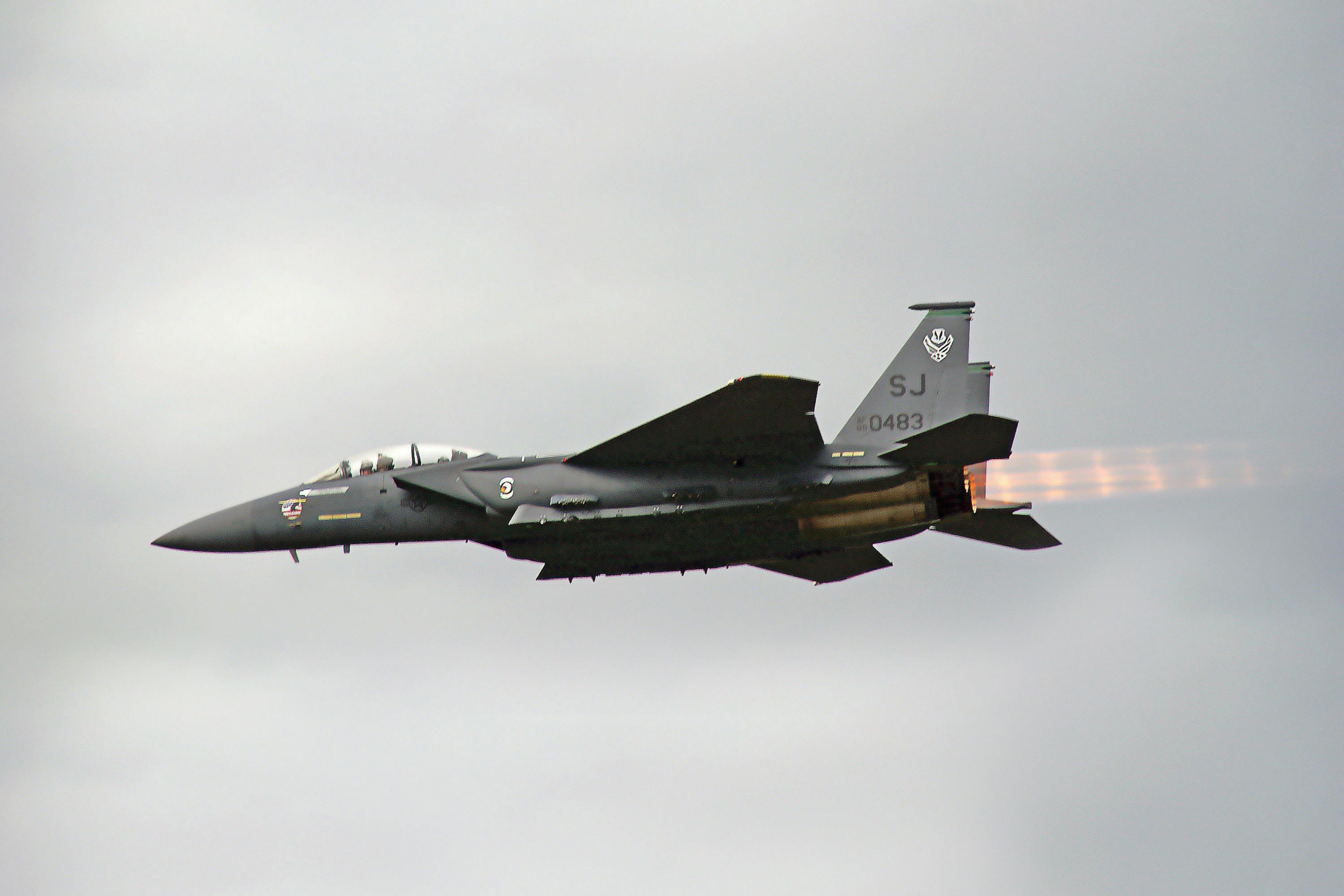
In a sudden pivot that momentarily defused a rapidly escalating international crisis, President Donald Trump stated on Friday, October 31, 2025, that he was not planning direct military strikes on Venezuelan territory. This declaration, delivered aboard Air Force One, aimed to quell widespread media speculation, including a late-breaking report from the Miami Herald suggesting a decision to strike military installations had already been finalized. The denial, however, did little to dissipate the underlying tensions stemming from the months-long, lethal maritime campaign and the massive U.S. military buildup in the Caribbean, which continue to draw intense domestic and international condemnation.
Legal and International Justifications Under Scrutiny
Questions Surrounding Congressional Authorization for Force
The very premise of launching unilateral military strikes against the territory of a sovereign nation, even under the guise of counter-narcotics operations, immediately triggered intense constitutional debate within the legislative branch. Lawmakers voiced significant criticism regarding the legality of the ongoing and potential future strikes, particularly questioning whether the President’s executive order, which reclassified cartels as terrorist organizations, provided the requisite “legal authority for the president to use force against members of designated organizations or any foreign state.” This constitutional quandary led to attempts by members of the Senate to introduce a War Powers Resolution, a legislative mechanism designed to curtail the executive’s ability to conduct hostilities without explicit congressional approval. A bipartisan measure, led by Senators Tim Kaine (D-VA), Adam Schiff (D-CA), and Rand Paul (R-KY), was filed in mid-October 2025, specifically seeking to require the removal of U.S. forces from hostilities within or against Venezuela that lacked Congressional authorization. The failure of a *previous* resolution aimed at blocking the Caribbean boat strikes, which fell by a narrow 51-48 margin on October 8, 2025, indicated deep partisan fissures on the issue, with even some members of the President’s own party siding with concerns over the expansion of executive war powers. Furthermore, classified briefings provided to lawmakers reportedly failed to adequately satisfy concerns, with Republican and Democratic leaders of the Senate Armed Services Committee noting in late October that the White House had yet to provide sufficient details or the written legal opinion they had specifically requested regarding the basis for the ongoing boat strikes.
International Condemnation of Extrajudicial Maritime Operations
The administration’s use of force in international waters against suspected smuggling vessels—a campaign that began in September 2025 and has claimed the lives of at least 62 individuals across 14 to 15 boats—also drew severe rebuke from key international bodies. Most notably, the United Nations. The UN High Commissioner for Human Rights, Volker Türk, issued a strong statement on October 31, 2025, directly addressing the mounting loss of life resulting from the U.S. military’s actions against the suspected smuggling vessels. The High Commissioner publicly decried the repeated strikes and their cumulative human cost as “unacceptable” and called for “prompt, independent, and transparent investigations”. More fundamentally, the statement challenged the entire legal basis for the operations, asserting clearly that there appeared to be “no basis under international law for the attacks,” which effectively amounted to extrajudicial killings regardless of the alleged criminal conduct of those aboard the targeted vessels. This high-level international criticism placed the United States in a diplomatically isolated position, creating a parallel pressure front to the domestic political challenges. Any move toward land strikes, which the administration had been signaling was the “next” step, would undoubtedly amplify this international condemnation, risking broad diplomatic isolation and potential challenges before international judicial forums, compounding the political risks associated with the military escalation.
The Venezuelan Regime’s Response and Internal Political Climate
President Maduro’s Accusations and Vow of National Resistance
In Caracas, the government of President Nicolás Maduro responded to the escalating military pressure and implied threats with both defiance and a mobilization of nationalistic sentiment. President Maduro vehemently denied the persistent United States allegations linking his government to organized crime, branding the US actions as an attempt to orchestrate a regime change. He repeatedly asserted that the Venezuelan populace and, critically, the nation’s armed forces, were unified in their resolve. Maduro accused the US of “fabricating a new eternal war” against his country and appealed to the American people for peace. The President publicly declared that the nation would “resist any foreign attempt to remove him from power,” issuing a clear warning to Washington against any form of direct military interference or violation of sovereign territory. This rhetoric served a dual purpose: it rallied domestic support by framing the external military pressure as an act of imperial aggression, and it established a firm, non-negotiable line in the sand regarding US military penetration into the country’s borders, ensuring that any future strike would be met with a direct, hostile response from state forces. In preparation, Maduro also mobilized the nation’s 4.5 million-strong militia, though analysts suggested the conventionally trained forces suffered from a quarter-century of decay and internal focus.
The Divided Stance Among Regional Governments
The intense pressure campaign emanating from Washington revealed a notable lack of unified regional support for the aggressive posture being adopted toward Venezuela. Political observers noted that the governments throughout the wider Latin American and Caribbean region remained fragmented and incapable of forging a joint, cohesive response to rein in the American administration’s actions. This division meant that the US was operating without a strong regional mandate, facing political opposition or, at best, hesitant neutrality from many of its neighbors. Colombia’s President Gustavo Petro, while initially suggesting an attack on Venezuela would equal an attack on Latin America, later moderated his stance, though he sharply criticized the boat strikes and declared solidarity with Caracas. Furthermore, after a U.S. destroyer docked in Port of Spain, Maduro threatened retaliation against Trinidad and Tobago for any assistance to Washington. The fragmentation among regional powers meant that the US was pursuing its campaign in an increasingly solitary diplomatic space. This environment complicated any potential long-term strategy, as a lack of regional consensus limited avenues for broader diplomatic isolation of the target government and removed the stabilizing influence of collective regional diplomacy which might otherwise have tempered the executive branch’s kinetic impulses. The failure of regional bodies to coalesce around a common position amplified the perception that the crisis was becoming a purely bilateral confrontation between Washington and Caracas.
Speculation on Underlying Strategic Objectives
The Debate Over Regime Change Versus Counter-Narcotics
Even with the administration continually emphasizing the disruption of drug trafficking as the primary, publicly stated goal, foreign policy analysts maintained a deep skepticism regarding the true strategic aims of the military build-up. A prevailing school of thought among experts posited that the entire operation, including the initial maritime strikes and the planning for potential land action, was fundamentally oriented toward achieving regime change. The logic suggested that dismantling the criminal networks connected to the government was an insufficient end in itself; rather, the pressure was intended to create sufficient internal and external instability to force the departure of President Nicolás Maduro from power. This theory pointed to other actions, such as the State Department offering a significant monetary reward—doubled to \$50 million—for the arrest of the Venezuelan leader on outstanding drug and corruption charges, as evidence of a deeper, regime-altering objective, far surpassing mere law enforcement action against drug smugglers. The administration has openly characterized Venezuela as a “narco-state” run by a cartel.
The Reported Identification of Specific Land-Based Targets
The initial media reports that precipitated the President’s denial were not vague; they pointed to specific, identified strategic objectives on Venezuelan soil that were allegedly earmarked for potential aerial bombardment. According to sources speaking to various news outlets, including The Wall Street Journal on October 30, 2025, the White House was reportedly preparing strikes against military installations situated at what officials termed the “nexus of the drug gangs and the Maduro regime”. These specific targets were said to include vital infrastructure such as ports and airstrips that intelligence suggested were being utilized by both state security forces and criminal organizations for illicit trafficking operations. The identification of concrete locations—naval bases and specific runways—transformed the threat from abstract rhetoric into a tangible, near-term operational threat. This level of detail in the intelligence leaks suggested that operational planning was far advanced, indicating that the decision to strike was likely a matter of timing and political will, rather than strategic development, a conclusion which made Trump’s subsequent denial all the more politically significant.
Implications for Regional Stability and Future Policy
The Impact of Ambiguity on Diplomatic and Economic Relations
The contradictory communication—the threat of force followed by a denial of intent, all while maintaining a massive military presence, including the impending arrival of the USS Gerald R. Ford carrier group—generated a paralyzing ambiguity that chilled both diplomatic and economic interactions across the region. For nations attempting to maintain neutrality or pursue dialogue with Caracas, the fluctuating signals from Washington made any consistent foreign policy engagement virtually impossible. Economic actors, wary of sudden sanctions or the disruption of regional trade routes by potential hostilities, would certainly hesitate to commit capital or expand operations in a zone teetering on the brink of military conflict. This deliberate or accidental uncertainty acted as a significant destabilizing factor, creating an environment where risk premiums soared, and long-term planning became untenable for any entity with exposure to the volatile Caribbean basin. The credibility of the administration’s policy statements themselves was damaged, as observers were forced to weigh the President’s direct words against the visible actions of the Department of Defense. The retirement of Admiral Alvin Holsey, the commander of Southern Command, in mid-October amid this turmoil further fueled speculation regarding command-level dissent over the erratic strategic direction.
Assessment of Domestic Political Fallout from Military Signaling
The entire episode carried significant implications for the domestic political standing of the administration, particularly concerning the delicate balance between executive authority and legislative oversight in matters of war and peace. The controversy reignited sharp debates within the US about the appropriate limits of presidential power when engaging in hostilities without formal congressional declaration. Lawmakers who had opposed the initial maritime strikes felt vindicated in their concerns about executive overreach, viewing the entire episode as a case study in potential constitutional overreach. This was underscored by Democratic lawmakers’ claims that the administration had usurped Congress’ authority by asserting it was in an “armed conflict” with drug cartels without a formal declaration. Moreover, the public oscillation between aggressive signaling and backtracking could be interpreted by domestic audiences as either a calculated diplomatic maneuver or as evidence of a chaotic or impulsive decision-making structure within the highest echelons of the White House. Regardless of the intent, the incident confirmed that any future military action would face intense, organized, and legally grounded resistance from a segment of the US Congress, setting a precedent for future oversight battles. The continuing military build-up, even in the absence of an announced strike, ensured that the “Venezuela war sector” remained a dominant, trending, and highly scrutinized aspect of the current political narrative as November 2025 commenced.