European Capitals Push Back as Ukraine Seeks Fast-Track EU Membership
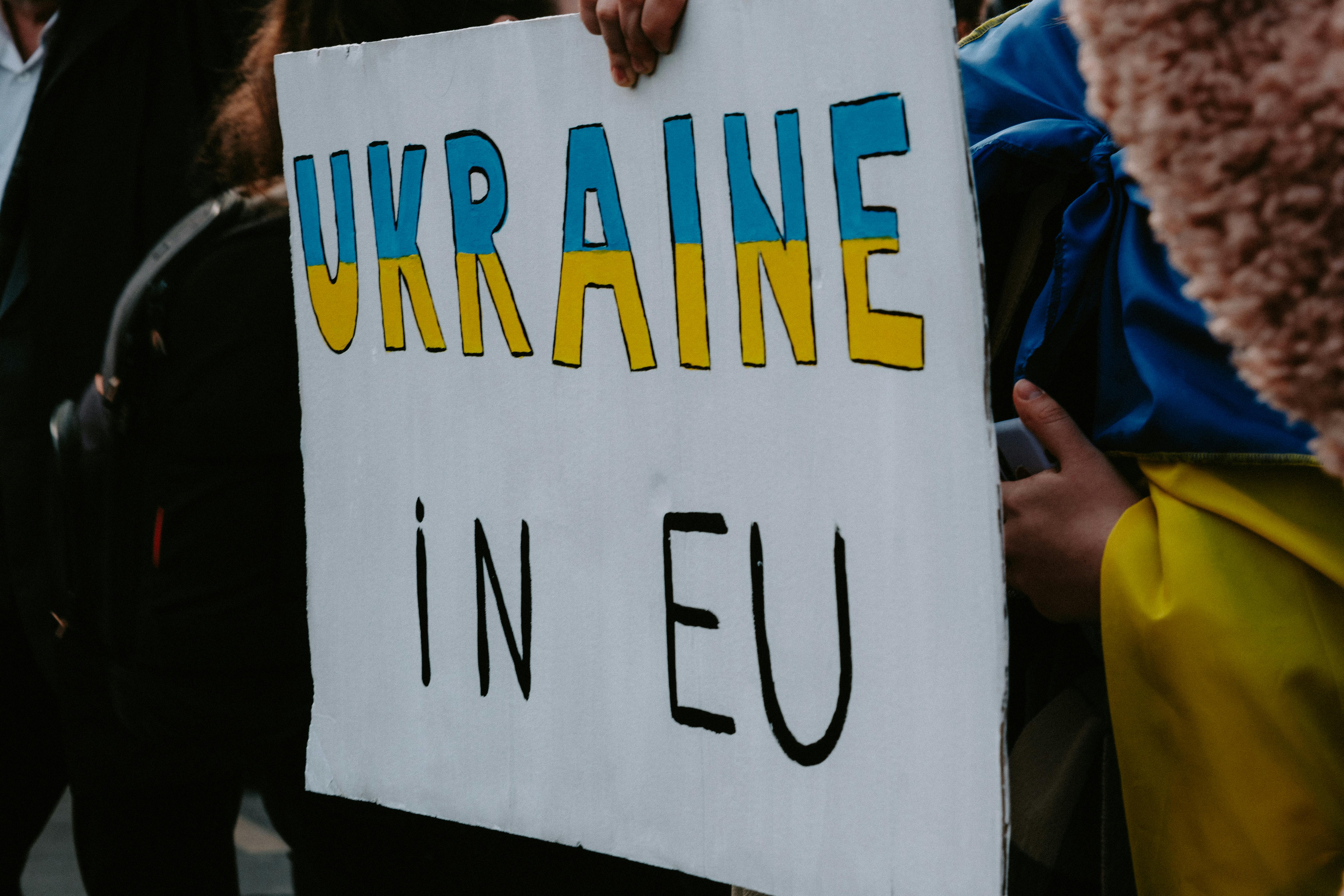
Ukraine’s determined push for accelerated entry into the European Union, framed as a core element of any future peace agreement, is encountering significant friction within the bloc. As of early March 2026, reports indicate that several key European capitals are resisting the notion of a fast-track accession pathway, fearing the institutional disruption and precedent-setting nature of bypassing established protocols. Ukrainian President Volodymyr Zelenskyy has explicitly sought an EU membership date of 2027 as part of a settlement to end Russia’s war, positioning it as the ultimate political anchor for his nation’s sovereignty, prosperity, and security.
However, this urgent timeline clashes with the systemic caution of member states, who fear opening a “Pandora’s box” of complex challenges that rapid integration would unleash.
The Rationale Underpinning Kyiv’s Accelerated Accession Demand
The drive for rapid accession is rooted in a comprehensive vision for Ukraine’s survival and flourishing that transcends mere institutional aspiration. It is a national project intrinsically tied to overcoming the legacy of aggression and establishing an unassailable foundation for future governance and economic vitality.
A Guarantee of Irreversible European Identity
The swift granting of membership status is viewed by proponents as the ultimate declaration of Ukraine’s irreversible commitment to a European democratic identity. It sends an unequivocal message to Moscow that attempts to derail Ukraine’s sovereignty and Western orientation through military or political means have ultimately failed, cementing the country firmly within the Western political orbit, regardless of the immediate military dispositions on the ground. A clear EU pathway is considered vital for President Zelenskyy to secure domestic consensus for any peace settlement, particularly given the expectation that Ukraine may not regain full territorial control or immediately join NATO.
Securing Post-Conflict Investment and Reconstruction Leverage
A clear, set timeline for EU entry is also seen as a critical catalyst for unlocking the vast quantities of private investment necessary to fuel the nation’s enormous post-war reconstruction effort. Ukrainian and European officials argue that the certainty of eventual access to the Single Market, regulatory frameworks, and Union funds makes large-scale, long-term investment far more appealing and secure, accelerating the process of national recovery beyond what bilateral aid alone could achieve.
The Mechanics of Resistance: Concerns from Skeptical European Capitals
The resistance is not monolithic, but it coalesces around several pragmatic and institutional anxieties voiced by member states wary of precedent. Their pushback focuses less on Ukraine’s inherent worthiness and more on the structural impact of its inclusion under accelerated terms.
The Threat to the Merit-Based Enlargement Principle
A significant point of contention is the potential erosion of the “strictly merit-based nature” of EU enlargement. This principle, enshrined over decades, dictates that membership is contingent upon a candidate country demonstrably meeting the comprehensive Copenhagen criteria before a final accession vote. A fast-track mechanism, especially one leading to provisional membership before all reforms are fully implemented, is feared to compromise this foundational logic, setting a precedent that could devalue the process for all future applicants. Diplomatic sources indicate that while some EU leaders champion reform, heavyweights like France and Germany have privately expressed skepticism about revising the accession framework to shorten Kyiv’s path.
Sovereignty Concerns Over Institutional Capacity
Member states express understandable concerns about institutional absorption capacity. Introducing a large, post-conflict nation with immense reconstruction needs into the legislative and budgetary apparatus without adequate preparation could strain existing mechanisms. This concern manifests in debates over how to handle issues like voting rights, budget contributions, and the allocation of cohesion funds, all of which would be instantly impacted by rapid entry.
The Risk Posed by Unanimous Decision-Making Bottlenecks
The structural reality of the European Union, requiring unanimity for critical accession steps, means that any single recalcitrant member state can effectively veto progress. While broad political support for Ukraine’s integration exists, ongoing procedural blockages—such as Hungary’s persistent vetoes on procedural steps—provide a persistent avenue for delay and negotiation leverage. The need to potentially reform this unanimity rule itself is now part of the broader debate surrounding Ukraine’s entry.
Proposed Conceptual Frameworks for Novel Integration Pathways
To bridge the gap between Ukraine’s urgent timeline and the EU’s systemic caution, various innovative, non-standard integration models are being actively discussed among Brussels policy circles and national governments. These proposals aim to offer immediate political and security benefits while delaying the full fiscal and voting integration until reforms are demonstrably complete.
The Concept of “Reverse Enlargement” Detailed
The most radical idea gaining traction involves what some term “reverse enlargement.” This model suggests granting Ukraine a form of provisional EU membership before the full completion of the standard set of reforms, particularly those related to the rule of law and deep governance structures. In this framework, the country would be formally inside the political structure but would only unlock the full, concrete benefits—such as access to all funds, freedom of movement, and full voting rights—sequentially, as each required standard is demonstrably met. This is effectively a recalibration where countries “join first, and then rights and obligations are introduced gradually”. However, this concept has faced severe skepticism, with some EU diplomats reportedly considering the idea of “reverse enlargement” as effectively “dead” due to a lack of consensus.
Front-Loading Reforms Versus Full Copenhagen Compliance
A less drastic alternative involves “front-loading” the enlargement process. This would allow Ukraine to advance rapidly through the technical screening of legislation and align its laws with the acquis communautaire on procedural matters, leaving the most complex political decisions, such as final accession approval and the resolution of deeply entrenched governance issues, until a later date. This approach separates technical alignment from the political ratification required for opening and closing negotiation clusters.
On Probation: Reviewing the Concept of Graduated Integration
Another influential concept gaining traction is “gradual integration,” which essentially formalizes the phasing-in of benefits. Instead of a single accession date, this approach grants access to specific, manageable benefits of membership incrementally as Ukraine makes progress on defined reform roadmaps. Analysts see this as an “accelerated integration” model involving gradual participation in the EU Single Market, energy, and digital programs before formal membership is achieved. This fosters stronger ties immediately and helps build confidence in both Kyiv and the member states regarding the sustainability of the reforms.
Progress Achieved: Technical Milestones Reached by the Applicant Nation
Despite the political headwinds, the commitment from Kyiv to technical alignment has yielded substantial, demonstrable progress over the preceding year, which is recognized by the European Commission in its official assessments. This progress underpins the argument that a path forward is viable, even if the final step remains complex.
Successful Conclusion of the Screening Phase
A major procedural victory for Ukraine was the successful conclusion of the comprehensive EU screening process by September 2025. This achievement signifies that Ukraine has effectively aligned its legal framework with a substantial portion of the EU’s regulatory body of law, clearing a major technical prerequisite for moving into the formal accession negotiation clusters.
Advancements in Specific Legislative Clusters
This screening success was backed by tangible progress in key areas. The European Commission’s November 2025 Enlargement Package confirmed that Ukraine had met the necessary conditions to open negotiation clusters related to Fundamentals (Cluster 1), External Relations (Cluster 6), and the Internal Market (Cluster 2). Furthermore, the nation adopted specific, Commission-endorsed roadmaps concerning the rule of law, public administration, and the functioning of democratic institutions, signaling a structured approach to reform implementation.
Fundamental Obstacles: The Unfinished Reform Agenda
The political reality check comes from the acknowledgment that technical completion of screening does not equal political readiness for membership. The most significant pushback concerns the ongoing, fundamental health of Ukraine’s democratic and legal institutions.
Governance Deficits and the Rule of Law Imperative
The European Commission’s assessment, even while acknowledging overall progress, explicitly stresses that meeting the objective of provisional closure by the ambitious target of end-2028 requires a significant acceleration of reforms, particularly concerning the “fundamentals,” with the rule of law being repeatedly singled out as a critical area demanding intensified focus and verifiable improvement.
The Battle Against Systemic Corruption and Civil Society Pressure
A recurring and sensitive point of friction involves the domestic fight against deep-seated corruption. Reports have indicated that certain trends, including reported pressure on specialized anti-corruption agencies and civil society organizations, must be decisively reversed. The integrity of these institutions is seen as non-negotiable for upholding the EU’s foundational democratic standards, and any perceived backtracking draws immediate and critical attention from Brussels and various capitals. Ukrainian Deputy Prime Minister Taras Kachka has proposed a monitoring mechanism to verify compliance with democratic standards as a safeguard.
Socioeconomic Ramifications: Internal EU Market and Fiscal Stressors
Beyond institutional hurdles, the prospect of integrating a nation of Ukraine’s size and current economic condition raises concrete, measurable concerns for the economic stability and interests of existing member states, which must be addressed before full integration can be politically palatable across the board.
Impact on the Common Agricultural Policy Landscape
Ukraine’s status as a major agricultural power presents an immediate economic challenge. As a member state, Ukraine would account for a quarter of the EU’s agricultural land. Should Ukraine gain unrestricted access to the Single Market, the influx of competitively priced grain and other products could significantly overwhelm established European markets, fueling protests and border blockades from farmers pressuring their governments. Under the current model, agricultural subsidies to Ukraine would amount to an estimated seven to ten billion euros per year, necessitating a fundamental, and politically fraught, reform of the Common Agricultural Policy (CAP) itself.
Projections for Post-Conflict Reconstruction Funding Requirements
The sheer scale of the financial commitment required for Ukraine’s physical reconstruction and recovery casts a long shadow over budget negotiations. An updated assessment released in February 2026 (RDNA5) projects total recovery needs over the next decade to be almost $588 billion, which is nearly three times the estimated nominal GDP of Ukraine for 2025. This immense figure forces a realistic debate within the EU on budgetary allocations and burden-sharing, even as the Commission proposes significant funding mechanisms like the Ukraine Facility.
Labor Mobility and Public Opinion Dynamics within Existing Member States
The potential for large-scale labor flows following accession also generates domestic unease within the current Union. Full membership would enact the principle of free movement of workers. While this could provide a demographic dividend to the EU, it risks a significant “brain drain” for Ukraine, which estimates it will need about 4.5 million workers for its own post-war reconstruction. Concerns over this outflow were already present in Ukrainian public opinion surveys from mid-2025, where respondents cited the “outflow of young people” (48%) as a primary concern regarding accession.
The Geopolitical Nexus: Peace Negotiations and Security Architecture
The entire accelerated membership dialogue is inseparable from the wider diplomatic and security context of the conflict, linking the EU’s future role directly to the ongoing negotiations to end the war.
The Intersection with Transatlantic Security Guarantees
Ukraine’s EU bid is increasingly integrated into discussions about comprehensive security guarantees, especially in frameworks involving the administration in Washington. For Kyiv, the EU membership acts as a political shield, complementing or substituting for the security assurances that may or may not be forthcoming from the North Atlantic Treaty Organization while the conflict is unresolved. This elevates the stakes from a mere institutional reform process to a core component of European continental security planning.
The EU’s Strategic Role in Stabilizing the European Order
From the perspective of Brussels, demonstrating flexibility and a proactive role in anchoring Ukraine as a stable, prosperous democracy serves to illustrate that the European Union has a substantial and indispensable part to play in securing lasting peace. This engagement is also intended to prevent the negotiating process from being unduly dominated by external powers, ensuring the EU maintains relevance and influence at the final diplomatic table.
The Need to Revisit the Logic of the Accession Framework
Ultimately, the fast-track debate forces the EU to confront its own established framework. Any move to grant membership by a specific date without concluding all thirty-three negotiating chapters requires a complete re-evaluation of accession logic. This necessitates designing entirely new mechanisms for phased access to crucial elements like voting rights and policy participation, essentially evolving the entry process itself to meet a geostrategic necessity, thereby creating an entirely new template for future enlargements.