Ukraine Gamifies the War: 40 Points to Destroy a Tank, 12 to Kill a Soldier – A Strategic Analysis of the E-Points System
The protracted conflict in Ukraine has become a crucible for military innovation, pushing the boundaries of operational doctrine, technology adoption, and troop motivation. Among the most high-profile and frequently debated adaptations is the formal implementation of a gamified, points-based incentive system for combat achievements, unofficially known as the “e-points” program, a component of the broader “Army of Drones: Bonus” initiative. This system, officially launched as a pilot in August 2024 by Ukraine’s Ministry of Digital Transformation, awards quantifiable points for verified destruction of Russian military targets, which can then be redeemed for essential hardware on the specialized Brave1 Market platform. As of early November 2025, this system is reported to cover over 90% of Ukraine’s entire Unmanned Aerial Vehicle (UAV) forces, now including more than 420 drone units. While superficially resembling a video game score-tracking mechanism, a deep dive reveals an intricate operational and strategic architecture designed to optimize battlefield performance and accelerate domestic defense technology cycles.
Operational Rationale and Strategic Objectives
The implementation of such a unique, high-profile incentive system cannot be viewed in isolation; it serves several distinct, interlocking strategic objectives essential to the ongoing defense effort. The primary rationale transcends mere troop morale, embedding itself deeply into the structure of battlefield data collection and future technological development planning. By requiring video confirmation for every point award, the system compels units to engage in meticulous after-action reporting, thereby creating an unparalleled, granular dataset on combat efficacy. This data is uploaded to Delta, Ukraine’s military situational awareness network, where an AI-assisted verification team from the Defense Ministry and the Brave1 cluster reviews each strike before points are awarded.
Driving Innovation in Defense Technology
A critical, though perhaps less immediately apparent, goal of the points system is to act as a powerful catalyst for domestic defense industry innovation. The high-value rewards available incentivize Ukrainian manufacturers to rapidly develop, test, and field new technologies designed to address specific, documented battlefield vulnerabilities. The system effectively turns the entire drone force into a decentralized, real-time testing and procurement network, directing development efforts toward proven, field-validated solutions. For instance, the immediate, tangible payoff of the points acts as a direct procurement channel through the Brave1 Market, allowing units to bypass traditional, months-long contracting processes for essential gear, with delivery times now reported to be as fast as two weeks. This direct feedback loop has been crucial in fostering the development of asymmetrical solutions necessary to counter a numerically superior foe.
Optimizing Resource Allocation Through Feedback Loops
The data generated by the e-points system offers unprecedented insight into the mathematics of modern warfare. Command staff gains the ability to precisely track how different types of weaponry perform against various target categories under real-world, dynamic conditions. By analyzing which units score highest and what equipment they utilize, the military leadership can make highly informed decisions regarding future large-scale procurements and the redistribution of existing, scarce resources. This data-driven resource allocation, guided by verified operational output, ensures that the nation extracts the maximum possible military advantage from every drone, every munition, and every hour of operational time. The system prioritizes resource allocation by supercharging the most effective teams, allowing them to directly choose the firepower they need rather than waiting for top-down assignments.
The Human Element and Psychological Underpinnings
While the data streams and procurement mechanics are highly technical, the system’s success fundamentally hinges on its impact on the individual soldier and the collective psychology of the fighting force. The infusion of a competitive, achievement-based structure into the daily grind of combat is intended to serve as a potent psychological anchor, providing a sense of tangible progress in a conflict that can otherwise feel endless and abstract. The ability to translate immediate, hazardous action into a concrete benefit—a better drone for the next mission—realigns the perception of risk and reward at the individual level.
The Commander’s Perspective on a “Brutal Game”
The human reaction to this system is complex and deeply polarized, even among those who benefit from it. Commanders operating within the framework acknowledge the effectiveness of the motivation but are keenly aware of the inherent moral tension. One drone commander, known by his call sign, was quoted describing the setup quite starkly as a “brutal game: human lives turned into points”. This recognition highlights the cognitive dissonance required to operate within a structure that quantifies lethal outcomes. It is a testament to the war’s evolution that such a clinical, almost gaming-centric approach has become a necessary mechanism for psychological conditioning. Yet, for the individuals involved, the system provides a focus, channeling the intense pressures of combat into measurable objectives, which, paradoxically, can offer a form of psychological grounding.
Mitigating Combat Fatigue Through Tangible Recognition
The concept of combat fatigue—the slow erosion of will and effectiveness due to sustained exposure to danger and uncertainty—is a central threat to any prolonged military engagement. The e-points system directly addresses this by offering immediate, tangible forms of recognition for actions taken under duress. Unlike medals or official citations, which are often delayed or bureaucratic, points offer an instant, self-serving payoff: better gear. This tangible reward acts as a powerful countermeasure to burnout. Furthermore, it specifically empowers lower-profile, highly effective teams—those who may lack the media visibility of major front-line breakthroughs—to earn the resources they deserve, ensuring that their consistent, deadly efficiency is rewarded directly and swiftly, thereby boosting internal unit cohesion and morale regardless of external recognition.
Evolution, Refinement, and Data Analytics
The lifespan of this points system thus far has been characterized by constant, iterative refinement. Launched in a relatively basic form in August 2024, it has demonstrated an almost organic adaptability, changing its rules and values in near real-time response to enemy adaptation and internal strategic needs. This continuous optimization process distinguishes it from static incentive programs. The entire process is monitored, logged, and analyzed, creating a feedback loop that marries battlefield performance directly with administrative adjustments.
Adapting Point Scales to Shifting Tactical Needs
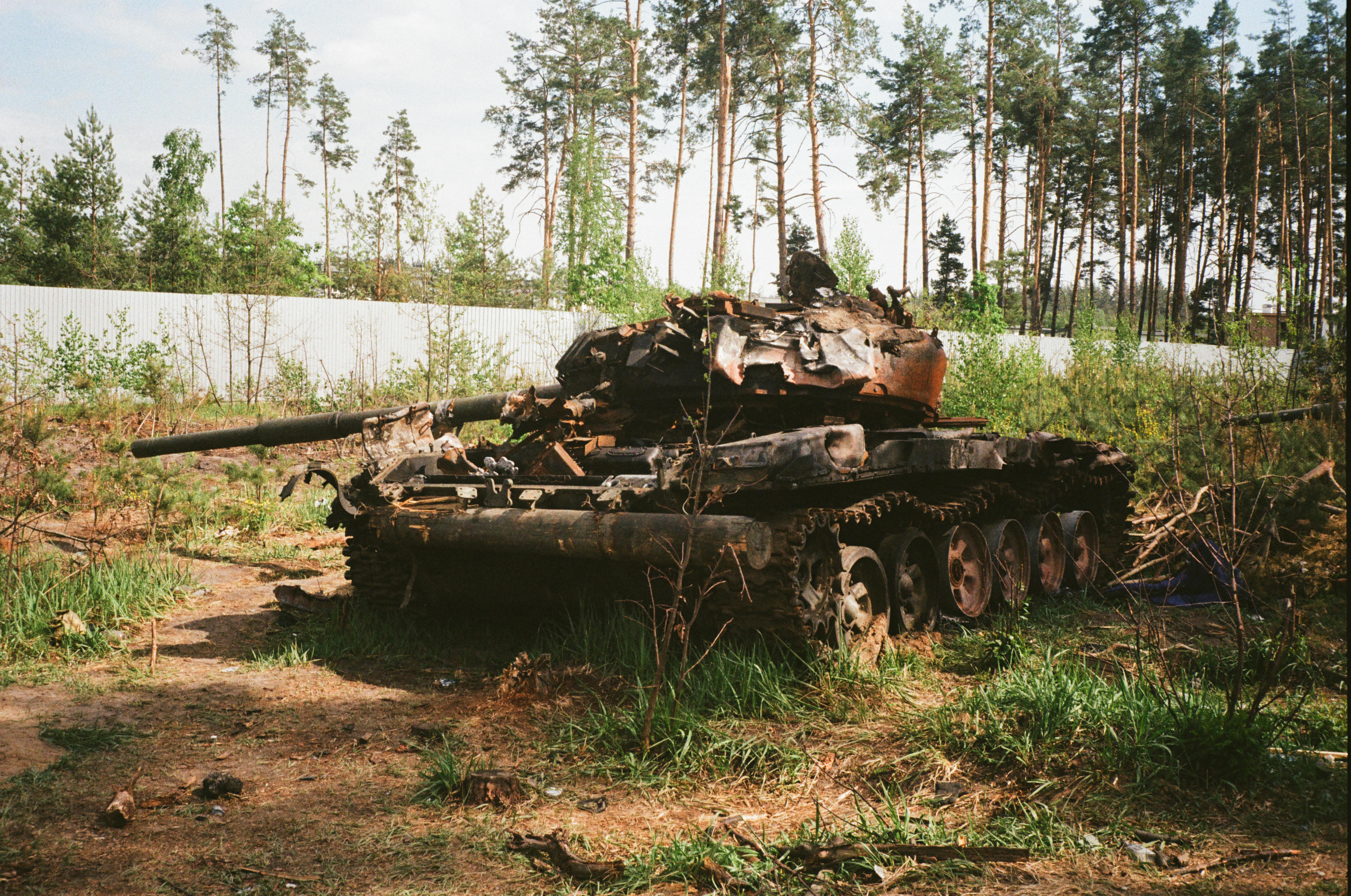
The tactical landscape is anything but static, and the point system has shown itself capable of reflecting this fluidity. Initial point allocations have seen significant shifts based on evolving threat priorities. For example, while destroying a tank was initially worth 40 points, and killing a soldier 6 points, subsequent adjustments reflect a conscious effort to shift focus toward personnel and higher-value assets. Specifically, the reward rate for the elimination or injury of enemy personnel was intentionally doubled in September of two thousand twenty-five to strengthen the response against smaller, more dispersed enemy infantry groupings. A known point structure as of late 2025 includes:
- Destroying a Tank: 40 points
- Killing a Soldier: 12 points (doubled from an earlier value)
- Wounding a Soldier: 8 points
- Eliminating a Russian Drone Pilot: 25 points (kill) or 15 points (wound)
- Damaging a Tank: 20 points
- Capturing a Russian Soldier Alive (via drone): 120 points (the “jackpot”)
- Destroying a Multiple Launch Rocket System (MLRS): Up to 50 points (value has been recalibrated)
This commitment to dynamic calibration demonstrates that the system’s primary function is less about maintaining a consistent reward schedule and more about serving as an agile lever to direct collective military focus toward whatever threat or objective the high command deems most critical at that precise moment in the campaign. The system has even expanded its scope to award points for mapping enemy positions and neutralizing electronic warfare systems.
Quantifying Performance Across Drone Regiments
The analytical yield of this system is one of its most significant long-term contributions. Every verified kill and destroyed asset is tagged with metadata that allows for detailed performance metrics to be generated for every drone unit, battalion, and regiment. This quantitative assessment framework is instrumental in identifying both the most effective combat doctrine and the most proficient operators, allowing for the replication of successful tactics and the targeted upskilling of underperforming elements. The initiative has established what some observers term a “math department of war,” aggregating this data to shape procurement and battlefield strategy. The ability to track which specific drone model performed best against which type of target provides a level of operational intelligence previously unobtainable.
Broader Implications and Ethical Reflections
The introduction of a formalized, points-based system for combat achievements, while strategically effective, inevitably prompts profound examination regarding the nature of modern conflict and the ethical boundaries of military motivation. This phenomenon, widely reported and analyzed by media outlets globally, forces observers to confront a future where the lines between digital entertainment and lethal combat are increasingly blurred.
The Moral Quandaries of Financializing Lethality
The most immediate and widely debated consequence of the e-points structure is the ethical implication of what is essentially the quantification and monetization of human life and destruction. When a life is assigned a numerical value—twelve points, for instance—and that value is directly exchangeable for advanced military hardware, the act of killing risks being stripped of its inherent gravity and reframed as a transactional opportunity. Critics and observers alike point out the moral hazard in creating an economy where the primary driver is the elimination of adversaries. The system forces a community to grapple with the question of where motivation ends and dehumanization begins, particularly when the rewards are so tangible and immediate. The focus on personnel, for instance, could theoretically skew priorities if scores overshadow restraint, leading to a focus on easily verifiable, lower-value actions over more complex, strategic objectives. Conversely, proponents note that the necessity of video verification reinforces discipline, as each strike must be documented and legally reviewed. Furthermore, an interesting divergence in value exists: encouraging a Russian soldier to surrender—a prisoner of war useful for future exchanges—is noted to be worth significantly more points than a direct kill.
International Observation of New Combat Paradigms
The development has not occurred in a vacuum; it has drawn intense scrutiny from international defense analysts, rival nations, and organizations dedicated to monitoring the evolution of warfare. This system represents a significant, public-facing experiment in applied behavioral science within a protracted military conflict. Observers are keenly interested in its long-term sustainability, its effect on the opposing force’s psychological resilience, and its potential as a model for future conflicts where technological superiority, driven by decentralized innovation, is a key determinant of success. The actions taken by Ukrainian military planners in this regard are being watched closely as the world attempts to understand the next iteration of mechanized and unmanned conflict, one where procurement is driven by direct battlefield metrics and individual unit performance is inextricably linked to operational output.