Iran War: A “Different Situation” to Venezuela as Operation Could Span Five Weeks
As of March 2, 2026, the global security architecture is undergoing a profound stress test following the commencement of Operation Epic Fury—the joint military campaign by the United States and Israel against the Iranian regime. This escalation in the Middle East presents a sharp, perhaps sobering, contrast to the recent, swift action taken by the U.S. in the Western Hemisphere, prompting analysis that the conflict in Iran is a fundamentally “different situation” requiring a far longer commitment, potentially spanning up to five weeks or more, as suggested by defense analysts and reports cited by France 24.
The operational timeline itself highlights the divergence. The operation in Venezuela, code-named Absolute Resolve, resulted in the capture of President Nicolás Maduro on January 3, 2026, in a highly targeted raid described as lasting only a couple of hours. In stark contrast, U.S. President Donald Trump has stated that the ongoing military engagement in Iran is likely to last four to five weeks, although he noted preparedness to continue “far longer than that”. This perceived necessity for sustained engagement is rooted in the systemic complexity and deep institutionalization of the Iranian state, which is not amenable to the swift leadership replacement successfully executed in Caracas.
Domestic and Regional Reactions to the Escalation
Internal Security Measures and Societal Intimidation within Iran
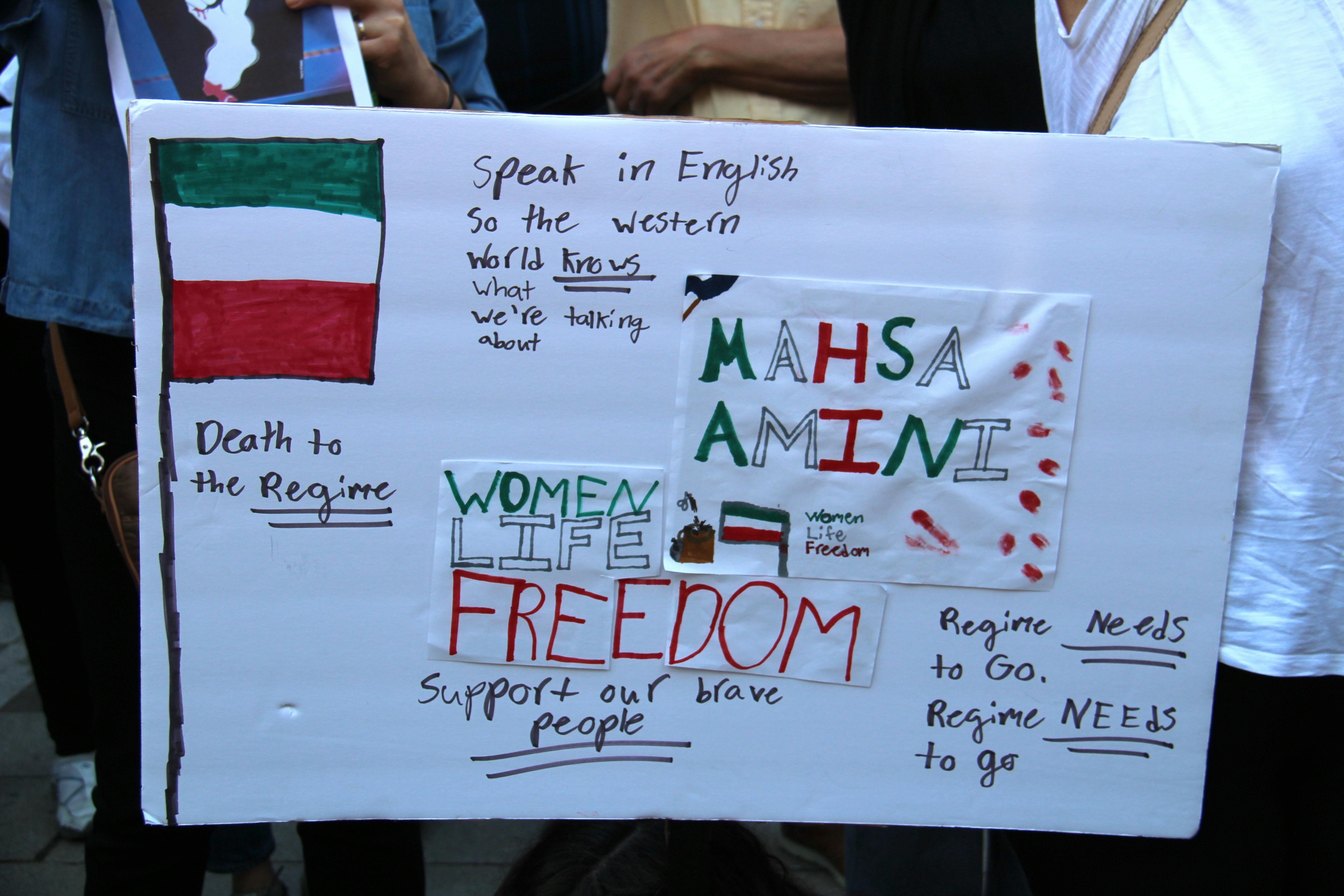
The environment within Iran itself is a critical, though less visible, component of the evolving situation. Reports indicated that the government was employing severe internal security measures, including a staggering increase in domestic executions, far exceeding previous years’ figures. This dramatic rise in punitive action is widely interpreted as a deliberate strategy by the regime to intimidate the population, aiming to suppress internal dissent fueled by economic hardship, inflation, and the broader geopolitical turmoil. The state security apparatus appeared intent on preemptively crushing any potential for widespread civil unrest that might exploit the international military engagement, creating an environment where protesters and disgruntled elements feel they have “nothing to lose” but face overwhelming state force.
The scale of the repression preceding and accompanying the military strikes is unprecedented in recent memory. Human Rights Watch noted that Iranian authorities carried out mass killings of protesters following the nationwide uprising that escalated in early January 2026. Furthermore, prior to and concurrent with the February 28 strikes, the regime displayed ruthless continuity in its domestic control. According to reports, the Iranian judiciary executed more than 350 people during the Persian month of Bahman (January 21 to February 19, 2026), a figure that represented a five-fold increase compared to the same period the previous year. This execution spree, the highest level seen since the late 1980s, continued into the current month of Esfand, indicating an acute, ongoing strategy to neutralize opposition. Dissidents report that this intense level of state violence aims to crush any potential for an internal collapse, especially following the reported death of Supreme Leader Ali Khamenei. Detainees face systemic human rights violations, including mass arbitrary arrests—estimated near 50,000 following the January unrest—forced confessions, and deprivation of legal counsel, all designed to manufacture security cases for severe sentencing, including death.
The Cautious Responses of Regional Neighbors and Global Allies
The wider region and key global allies reacted with a mixture of alarm and pronounced caution. The expansion of the conflict to include cross-border skirmishes and retaliatory strikes meant that nearly all neighboring states felt the immediate tremors of the instability. Iran’s retaliation has included missile and proxy attacks targeting Israel and U.S. bases in the Gulf, such as Al Udeid Air Base in Qatar and facilities in Bahrain. In response to the instability and the direct targeting of its interests, major international partners signaled varying degrees of commitment and concern. For instance, the news cycle highlighted reports of European nations reassessing their defense postures, with some announcing increases in the size of their nuclear arsenals. Specifically, French President Emmanuel Macron announced France’s plan to increase the size of its nuclear arsenal, indicating a desire to bolster independent deterrence capabilities in a multipolar, less secure world. The general sentiment among many observers appeared to be a desire to avoid deeper entanglement, despite existing defense treaties, reflecting the perceived unique danger of the Iranian confrontation, where the legal basis for the initial strikes has been questioned by allies like France. The economic fallout was immediate, with crude futures surging over 8% and European gas prices jumping by as much as 50% after Qatar announced a halt in its Liquefied Natural Gas (LNG) production due to Iranian attacks.
Long-Term Implications for International Order and Alliances
The Erosion of International Legal Norms and Increased Militarization
The current state of affairs is viewed by some as indicative of a dangerous global pivot toward a “force-based global order,” where international law and multilateral agreements are increasingly superseded by unilateral military action. This is framed against a backdrop of unprecedented global military spending, with defense budgets approaching three trillion dollars and allocating a far greater percentage of national resources to militarism than in preceding decades. According to the International Institute for Strategic Studies (IISS), global defense spending reached a record USD 2.63 trillion in 2025, an increase of 2.5% in real terms, with forecasts suggesting the figure will approach USD 2.9 trillion by the end of the decade. As a proportion of global GDP, this average increased to 2.01% in 2025. This pervasive global militarization, analysts argue, inevitably yields more widespread conflict and tension, as states prioritize strength in a “jungle” environment where established legal frameworks appear to offer insufficient self-defense guarantees. The strategic objective in Iran—explicit regime change—is seen by critics as a premature use of force that undermines diplomacy, forcing major powers like Russia and China to call for emergency sessions of the UN Security Council.
Re-evaluating Alliance Structures and US Global Role
The dual nature of the military interventions—one in the Western Hemisphere (Venezuela) and one in the Middle East (Iran)—forces a fundamental re-evaluation of alliance structures and the future trajectory of American international engagement. The actions appear to signal a renewed willingness to employ significant military force to enforce policy objectives globally, impacting the perceived security calculus of allies from Canada to NATO partners. The Venezuelan operation, while tactically swift, was framed as leadership replacement; however, the Iranian operation explicitly targets regime change, a far more ambitious and difficult outcome that critics argue is strategically incoherent.
This assertive posture compels allies to consider how to navigate a world where overt, assertive military intervention becomes a more prominent tool of statecraft. The shift in U.S. defense policy under the Trump administration has clearly signaled a pivot towards homeland defense and demands for greater “burden-sharing,” leading to reduced direct support for allies in protracted conflicts. This has forced European powers, already increasing their own spending substantially—with the region now accounting for over 21% of the global defense total—to pursue greater independent regional autonomy in defense and economic policy moving forward. The perceived unreliability or shifting focus of American security guarantees, especially when weighed against simultaneous commitments in Asia and the Caribbean, drives this strategic reckoning among partners. The success of the surgical strikes in decapitating leadership, while technologically impressive and utilizing AI, remains secondary to the political and strategic endgame in Iran, which analysts suggest will be a long, complicated test of will, unlike the relatively contained operation in Venezuela.