Pakistan, Afghanistan Show No Signs of Stepping Back as Fighting Enters Fifth Day: Pakistan’s Stated Objectives And The Counter-Militancy Campaign
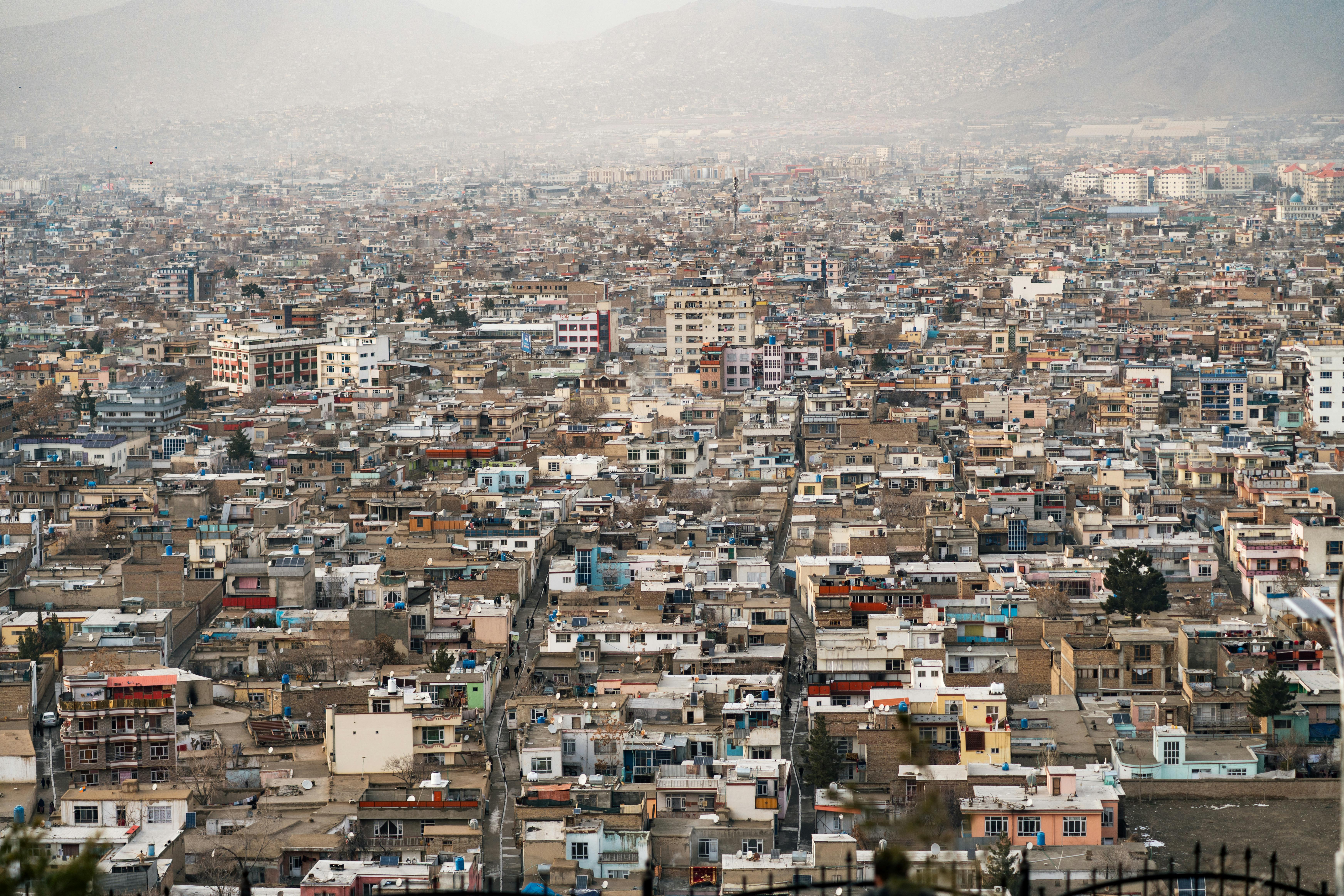
As the intense military confrontation between Pakistan and Afghanistan ground into its fifth consecutive day on March 4, 2026, there were stark indications that neither Islamabad nor the ruling Afghan Taliban government was prepared to unilaterally de-escalate the kinetic exchange. The sustained military posture adopted by Pakistan, which defined the opening days of conflict, was consistently framed by officials in Islamabad as a necessary and proportionate series of operations aimed squarely at dismantling the operational capacity of specific transnational militant organizations. The overarching strategic justification for the extensive air and ground incursions deep into Afghan territory was the explicit accusation that the Afghan Taliban government was failing, or perhaps refusing, to prevent the use of its sovereign space as a safe haven, launchpad, and sanctuary for groups actively engaged in destabilizing Pakistan.
The named primary target of these operations was often the Tehreek-e-Taliban Pakistan (TTP), the armed group viewed by Islamabad as posing the most direct and immediate existential threat to the Pakistani state structure and internal security. The initial operations, and those that continued across the subsequent days, were therefore declared as a proactive measure to degrade these enemy networks, targeting their command structures, logistics lines, and weapon caches wherever they were identified across the border. This framing provided the legal and political basis for the sustained military intervention that characterized the opening salvos of this intense bilateral confrontation.
The Targeted Elimination Of Transnational Threats
The military action undertaken by Pakistan was allegedly conducted with a high degree of intelligence specificity, often described in official Pakistani accounts as precision strikes designed to eliminate key operational leaders and high-value foreign and Afghan operatives associated with the militant networks deemed hostile to Pakistani security interests. The campaign was not intended as a general assault on Afghan military targets per se, but rather as a surgical campaign against terrorist infrastructure operating under the cover of the Afghan government’s security umbrella.
Reports detailed attacks on what were claimed to be headquarters, training facilities, and ammunition storage sites located in provinces bordering Pakistan, suggesting a deep intelligence penetration into the operational planning of the targeted groups. The stated goal was to impose an immediate and devastating cost on these elements to force a tangible shift in policy from the Afghan administration regarding the presence and movement of these hostile armed factions, thereby addressing a grievance that had simmered for years but which intensified dramatically in the preceding months. The emphasis on “eliminating” command elements was a critical component of the stated Pakistani strategy to rapidly decapitate the militant threat.
The Unverified Survival Of Key Figures
A significant element emerging from the initial sequence of strikes, and one that continues to shape the narrative into the fifth day, involves the fate of the specifically named leadership of the primary targeted militant organization, the TTP. Despite what Pakistani officials suggested were successful strikes aimed at the very top tier of the targeted group’s structure—with an operation in late February targeting alleged TTP hideouts in Nangarhar and Paktika provinces—the efficacy of these strikes against leadership remains implicitly contested by the continuation of hostilities.
The persistent conflict, with Pakistan’s security sources indicating that operations will continue until verifiable assurances are received regarding militant sanctuaries, strengthens the narrative that the command structure remains intact and capable of issuing directives. The very necessity for Pakistan to continue its sustained military posture, even as diplomatic channels have faltered, acts as a direct rationale for the continuation of the conflict’s high tempo, suggesting that the leadership remains an active and directing force capable of launching cross-border attacks. If the primary objective—the neutralization of specific top figures—was not definitively achieved, it logically follows that the operations, while destructive, may not have achieved their immediate strategic goal, thereby strengthening the justification for the continuation of the conflict’s high tempo into the fifth day and beyond.
The Afghan Response Across The Air And Ground Domains
In direct and immediate response to the deep strikes and incursions initiated by the Pakistani forces, the Afghan military establishment quickly activated its own retaliatory mechanisms, demonstrating a clear commitment to defending its recognized borders and airspace. The Afghan government’s strategy was two-fold: to project an image of robust, capable air defense, particularly around critical strategic assets, and to initiate ground operations designed to reclaim any lost territory and inflict reciprocal damage upon the invading Pakistani forces along the length of the contested border. This response was not merely symbolic; it was a determined effort to engage Pakistani military assets directly across the physical boundary, thereby fully validating the Afghan assertion that they were responding to an unprovoked act of aggression against their sovereign territory. The declaration that they would not permit the violation of their airspace without a firm, kinetic answer was immediately put into practice, setting the conditions for the sustained, tit-for-tat engagements that defined the subsequent days leading up to the fifth day of fighting.
Systemic Defense Against Aerial Incursions
The most publicized aspect of the Afghan response centered on the activation of their layered air defense systems, especially in the area surrounding the strategic Bagram Air Base north of Kabul. Accounts describe a coordinated effort to bring advanced, and reportedly foreign-supplied, anti-aircraft weaponry and missile defense units to bear against incoming Pakistani fighter jets and drones. The successful repulsion of the alleged strike on Bagram was championed as a victory of national will and defensive technology, showcasing the ability of the Afghan forces to prevent the high-level, strategic bombing runs that Pakistan had apparently intended for that critical location.
The deployment of these specific defensive measures signaled a willingness to engage Pakistani air assets directly in a contested aerial environment. The Afghan military claimed to have thwarted an attempted Pakistani airstrike on the Bagram airfield, using anti-aircraft and missile defense systems. This successful, or at least hotly contested, defense of the skies over the capital region was a crucial narrative element for the Afghan side, establishing a clear, defensive red line that they had drawn and successfully held against an initial probing attack. The continued vigilance of these anti-aircraft batteries was maintained throughout the subsequent days, indicating a persistent threat perception regarding further Pakistani air operations.
Ground Operations And Claims Of Territorial Gains
Complementing the aerial defense efforts, the Afghan forces mounted significant ground assaults across various sectors of the border, aiming to turn the tide of the localized engagements in their favor. These ground movements were characterized by the Afghan Ministry of Defense claiming successful operations that targeted and destroyed Pakistani military hardware, including armored vehicles and tanks, as well as seizing control of numerous established Pakistani forward operating posts and defensive fortifications. Specific regions were cited where Afghan units claimed to have overwhelmed Pakistani border security forces, resulting in the capture of personnel and equipment.
These reported ground successes were presented as direct proof that the Pakistani military operations were not meeting their objectives and that the Afghan forces retained the initiative and the will to fight deep into contested zones. The narrative promoted by the Afghan side emphasized driving the Pakistani forces back from the border and securing their own defensive lines, often reporting significantly higher Pakistani casualties than were acknowledged by Islamabad, thereby setting up the sharp discrepancy in casualty reporting that marked the conflict. The ambition of these ground operations seemed to extend beyond mere defense, suggesting a clear objective to reposition the control points along the border in their favor before any external mediation could take hold.
Contested Narratives The Battle Over Casualty Figures
A hallmark of this intense, yet largely closed-off, conflict is the profound and irreconcilable divergence in the official reports issued by Kabul and Islamabad regarding the human and material cost of the engagements. Both nations, in their respective announcements leading into and during the fifth day of fighting, presented casualty figures that painted a picture of overwhelming success for their own forces while simultaneously exaggerating the damage inflicted upon the adversary. This disparity in reporting suggests that the conflict is being fought as much in the information space as it is on the physical front lines, with each side attempting to manage domestic morale and shape international perception of who is truly winning the exchange of fire. The inability of independent monitors to verify figures in these inaccessible border regions only allows these competing narratives to harden, turning verifiable data into a secondary concern compared to the political utility of the claimed statistics. The truth, as is often the case in such heavily contested military encounters, likely lies somewhere between the two publicized extremes, but the official figures themselves illustrate the depth of the current diplomatic chasm.
Conflicting Reports On Military Losses
The claims regarding the destruction of military assets and the toll on uniformed personnel are perhaps the most starkly opposed. Pakistani officials released figures citing the neutralization of hundreds of enemy troops, the capture of dozens of fortified positions, and the wholesale destruction of entire formations of armored fighting vehicles, including tanks and specialized artillery. Pakistani Information Minister Attaullah Tarar claimed that Pakistani forces had killed 435 Afghan troops, destroyed 188 posts, and captured 31 posts by March 3, 2026. These statistics were often aggregated across the entire five-day period, presented as a testament to superior tactical execution and sustained combat effectiveness.
Conversely, the opposing nation vehemently refuted these claims, often dismissing them as baseless propaganda, and presented its own counter-statistics. Afghan officials, for example, claimed to have killed over 100 enemy personnel and captured more than 25 Pakistani military posts so far. They also claimed to have destroyed a Pakistani armored tank in Paktika province on March 2, 2026. The sheer scale of the quantitative differences—hundreds versus dozens of confirmed losses—highlights not just a difference in assessment, but a fundamental disagreement over the very reality of what has transpired on the ground over the past five days. The only certainty is the confirmed loss of life on both sides, irrespective of the specific tally.
The Tragic Toll On Civilian Populations
Beyond the strictly military accounting, perhaps the most distressing element emerging from the competing narratives centers on the reported impact upon the non-combatant population residing in the provinces proximate to the clashes. Afghan officials, in particular, have released harrowing accounts detailing the deaths and injuries of numerous civilians, often specifying the casualties included women and children, resulting from what they term indiscriminate Pakistani air and mortar fire striking homes, religious schools, and public gathering places.
The United Nations Assistance Mission in Afghanistan (UNAMA) reported that from late February 26 to March 2, 2026, it recorded at least 146 civilian casualties in Afghanistan, with 42 people killed, and 104 injured, including women and children. These casualties were attributed to indirect fire in cross-border clashes and airstrikes across provinces including Paktya, Paktika, Nangarhar, Kunar, and Khost. While Pakistani officials may acknowledge some collateral damage in the course of their anti-militant operations, the scale of civilian loss reported by Kabul’s spokespeople is significantly higher, suggesting a difference in the operational parameters of targeting or a political motivation to highlight the human cost of the Pakistani military intervention. The suffering of these displaced and affected civilian communities remains a critical, tragic dimension of the ongoing standoff, providing a humanitarian imperative that often gets overshadowed by the military grandstanding.
Escalation Beyond Military Targets Accusations Of Infrastructural Damage
As the intensity of the confrontation deepened beyond the initial border engagements and reached major urban centers, the accusations levied by both governments began to encompass damage to non-military infrastructure, signaling a potential broadening of the conflict’s scope and impact. The focus shifted from purely positional warfare along the frontier to strikes on assets within the interior of the respective nations, suggesting an attempt to degrade the enemy’s national morale, command-and-control infrastructure, or simply a lack of constraint in the use of long-range ordnance. The targeting of significant, non-frontline military installations, such as the historical airbase near Kabul, further cemented this view of an escalating, and less restrained, conflict dynamic.
Targeting Of Civilian Habitats And Religious Sites
The most serious allegations concerning the broadening scope of the fighting involve the claims that Pakistani aerial operations deliberately or recklessly impacted civilian residential areas, including the striking of homes and even places of worship. Afghan sources have specified that the damage was not confined to isolated military outposts near populated areas but extended to areas where civilians reside, leading to the tragic loss of life among non-combatants, including entire families.
The targeting of religious schools, or madrasas, by aerial bombardment represents a particularly sensitive accusation, as such sites carry profound cultural and social significance, and their destruction is viewed not just as a military loss but as an attack on the very fabric of society. These specific allegations, if true, drastically raise the political and diplomatic stakes, moving the conflict into the realm of potential war crimes accusations and hardening the resolve of the Afghan government against any immediate parley that does not involve a full cessation of these types of strikes. The deliberate invocation of these religious and domestic targets speaks to a strategy of maximum psychological impact, regardless of the stated military objective.
Allegations Concerning Refugee Camps And Civilian Infrastructure
Further compounding the gravity of the situation are the specific accusations leveled by the Afghan government concerning the targeting of refugee camps and general public facilities. In a context where internal displacement is a constant concern, the targeting of temporary or long-term refugee settlements represents an extreme measure, as such camps house the most vulnerable populations fleeing insecurity. The reports suggest that these sites, which by international convention and moral understanding should remain inviolate sanctuaries, were struck by aerial ordnance, leading to further displacement and casualties among those who have already lost everything. Deputy Spokesman Hamdullah Fitrat specifically accused Pakistani forces of firing mortar shells at a **refugee camp in eastern Kunar province**, which resulted in the death of three children.
Beyond the camps, accusations extended to strikes against other essential civilian infrastructure within provinces such as Kandahar, Laghman, and Kunar. This pattern, if accurate, implies a strategic calculus that views the degradation of national cohesion and the creation of internal crises through mass displacement as a legitimate objective of the military campaign, thus fully justifying the Afghan government’s subsequent pledges of a “decisive response” to any future such violations of its airspace. UNICEF noted that families who survived the devastating August 2025 earthquake in eastern Afghanistan were being asked to evacuate displacement camps near the border for their own safety.
The Diplomatic Front International Calls For Deescalation
Even as the military exchanges intensified across the shared border and deep within both countries’ territories, the international community, particularly those nations with regional influence or vested interests in regional stability, rapidly mobilized to address the brewing crisis. Recognition that a full-scale, protracted war between the two states carries immense risks for global security—especially concerning counter-terrorism efforts and regional trade routes—prompted a flurry of diplomatic activity. The focus of these initial international interventions was singular: to establish an immediate and verifiable communication channel between the conflicting parties to halt the kinetic exchanges and prevent the situation from spiraling out of the control of the current governments. The urgency was palpable, driven by the fear of miscalculation in a volatile geopolitical environment.
The Role Of Gulf States In Mediation Efforts
Leading the chorus of international concern and offering tangible pathways toward deescalation were several key Gulf Cooperation Council nations, most prominently Qatar, which has historically maintained channels of communication with various factions within Afghanistan. These friendly nations quickly stepped forward, publicly and privately offering their services as mediators, utilizing their established diplomatic relationships to try and bridge the immediate gap of mistrust separating Kabul and Islamabad. Their efforts focused on creating a framework for preliminary, indirect peace talks, aiming to secure a mutual commitment to a ceasefire that could then lead to structured negotiations on the core issues fueling the hostilities.
The willingness of these Gulf states to engage stemmed from their own regional security concerns and a desire to stabilize South Asia, recognizing that continued instability on the Afghan border could have adverse effects on broader energy security and counter-extremism initiatives in which they are heavily invested. These efforts built upon previous mediation, such as the ceasefire secured in October 2025. Their diplomatic outreach was a significant, albeit thus far largely unsuccessful against the backdrop of active fighting, counterpoint to the military build-up.
Stalemate In Peace Overtures Amidst Active Fighting
Despite the commendable and energetic diplomatic maneuvering by international partners, the efforts to broker a truce or even a sustained pause in the fighting encountered a significant roadblock: the perceived intransigence of the warring parties. While the Afghan side reportedly expressed a conditional willingness to enter into negotiations, this openness was invariably predicated on the immediate and complete cessation of all Pakistani military actions, including airstrikes and ground incursions.
Conversely, Pakistani officials indicated that they were not prepared to cease operations unilaterally, particularly those designated as necessary to counter militant threats, stating that dialogue could not meaningfully commence while what they view as sanctuary for hostile groups remained unaddressed. This fundamental disagreement over the precondition for talks—ceasefire before talks versus talks to secure a ceasefire—resulted in a diplomatic stalemate. The continued exchange of fire across the border, even as mediation efforts were underway, tragically underscored the reality that the military momentum currently outweighed the diplomatic will to stop the violence as the fifth day transitioned into the next phase of the confrontation. The failure of previous talks in Istanbul in late 2025 over the TTP issue serves as a potent precedent for the current deadlock.
Looking Ahead The Prospect Of A Long-Term Standoff
As the conflict grinds into its fifth day, the initial shock of the rapid escalation is giving way to a grim assessment of the long-term prospects, suggesting that the immediate crisis may not resolve through a quick diplomatic intervention but could instead settle into a grinding, low-intensity standoff or even a more formalized state of protracted conflict. The comprehensive nature of the military actions—involving air power, ground assaults, and strikes deep within enemy territory—indicates that both nations have committed significant resources and political capital to their current positions. Neither side appears prepared to cede the narrative or the strategic advantage gained during the opening acts of the confrontation, leading to an expectation that the underlying issues will remain dangerously unresolved for the foreseeable future, continuing to plague the region’s security landscape.
The Rejection Of Unilateral Ceasefires
A key indicator pointing toward a protracted standoff is the explicit and repeated rejection by both sides of any proposed unilateral cessation of hostilities. Pakistan’s official stance has been clear: there will be no pause in operations targeting designated hostile positions while the core grievance regarding militant sanctuaries remains unaddressed by the Afghan administration. This firm position ties the continuation of the military campaign directly to the policy of the ruling Afghan government.
Simultaneously, the Afghan leadership has publicly affirmed that any Pakistani incursion, whether by air or ground, constitutes an act of war demanding a full and immediate response, making it politically untenable for them to unilaterally stand down their defenses or halt retaliatory actions while Pakistani forces remain active within their airspace or near their border posts. The requirement for mutual, verified de-escalation is universally acknowledged, but the lack of trust makes the initial move—the unilateral first step back—impossible for either party to take without risking significant domestic political and military backlash.
The Unresolved Core Dispute Over Militant Sanctuaries
Ultimately, the longevity of the current crisis is inextricably linked to the deep, historical, and presently unaddressed core dispute: the question of cross-border militant sanctuaries and the control of the Afghan Taliban’s policy toward the Tehreek-e-Taliban Pakistan. Pakistan’s military actions are explicitly rooted in the assertion that the Afghan government is actively harboring, or is incapable of controlling, elements that actively seek to undermine the Pakistani state.
Until a verifiable, long-term mechanism is established—whether through direct governmental action, international guarantees, or a shift in the Afghan leadership’s policy calculus—that satisfies Pakistan’s security requirements regarding these militant networks, the fundamental justification for intrusive military operations remains in place. Since the fifth day of fighting has yielded no concrete concessions or verifiable changes in policy from Kabul on this specific issue, the underlying strategic tension remains fully charged, suggesting that even if the current intense fighting subsides, the seeds for the next, potentially worse, cycle of conflict have already been sown, guaranteeing a long-term trajectory of adversarial relations marked by suspicion and the constant threat of renewed large-scale military engagement. The peace efforts will remain ancillary until this foundational security dilemma is resolved, a task that appears far beyond the scope of immediate diplomatic resolution.