Pakistan Declares “Open War” on Afghanistan Following Critical Border Escalation
As of March 5, 2026, the security landscape along the Afghanistan-Pakistan frontier has fundamentally shifted, moving from protracted diplomatic frustration and intermittent skirmishes to an openly declared state of hostility. The crisis reached its zenith following a coordinated cross-border assault by Afghan Taliban forces, prompting a massive retaliatory military response from Islamabad and the formal proclamation of an “open war” by Pakistan’s Defence Minister. This declaration signals an unprecedented phase of direct, high-intensity conflict between the two neighbors.
The Formal Declaration of Hostilities and Its Immediate Context
The Proclamation of Open War by Islamabad
The political and military establishment in Pakistan reached a critical breaking point, leading to an official declaration of what was termed an “open war” against the governing entity in Afghanistan. This declaration, announced by high-ranking officials, signaled a dramatic shift from previous phases of limited military engagement and diplomatic frustration to an acknowledged state of full-scale hostility between the two neighboring nations. Pakistan’s Defence Minister, Khawaja Muhammad Asif, stated explicitly that the country now considers itself in this condition, warning that further attacks would be met with force and declaring, “Our cup of patience has overflowed. Now it is open war between us and you.”
The Triggering Incident: Cross-Border Assaults
The direct catalyst for this momentous declaration was a coordinated attack launched by Afghan Taliban forces against numerous established military outposts situated along the often-contested international boundary, the Durand Line. This retaliatory action by the Afghan forces occurred on or around February 26, 2026, hours after Pakistani military operations had targeted sites within Afghan territory, establishing a tit-for-tat escalation that quickly spiraled out of control. The Taliban’s Ministry of National Defense claimed a significant victory in this initial offensive, asserting the capture of two Pakistani bases and 19 forward posts, alongside the reported killing of 55 Pakistani soldiers.
The Pakistani Response: Coordinated Strikes on Key Centers
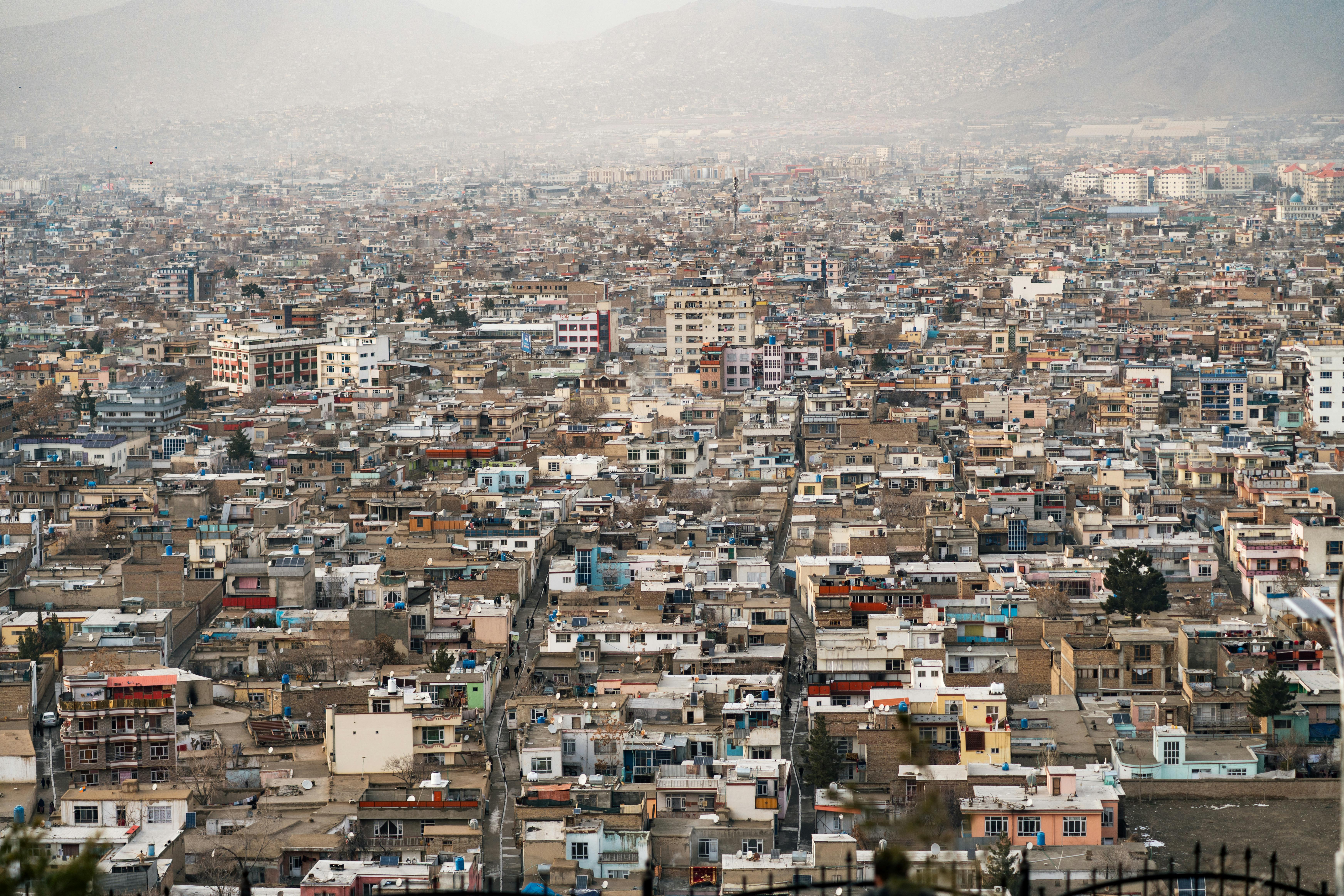
In swift response to the border incursions, Pakistan executed a series of significant, overnight airstrikes under the operation codenamed Operation Ghazab Lil Haq, meaning “Righteous Fury.” These military actions were deliberately aimed at strategic locations, including the Afghan capital, Kabul, as well as Kandahar and Paktika provinces. The selection of these cities was highly symbolic, targeting not only military installations but also major political nerve centers of the Afghan ruling structure, signaling a severe escalation of intent.
Official Justification and Diplomatic Breakdown
Pakistani officials articulated a profound sense of finality, stating publicly that their diplomatic efforts and reserves of patience had been utterly exhausted. The narrative presented emphasized Pakistan’s long history of accommodating Afghan refugees—stating it hosted 5 million Afghans for 50 years—and maintaining engagement, suggesting that the continuous threat from elements harbored within Afghanistan had become intolerable. This marked the end of any pretense of a purely bilateral border management issue, framing it instead as a direct national security confrontation.
The Deep Roots of the Escalation: From Complicity to Conflict
The Post-Two-Thousand-Twenty-One Disillusionment
The relationship between the two entities has been fraught since the Afghan Taliban regained control of Kabul in Two Thousand Twenty-One. Initially, elements within the Pakistani state had fostered expectations that the new Afghan administration would effectively manage and restrain militant groups operating from Afghan soil against Pakistani interests. This foundational hope proved severely misplaced as violence inside Pakistan continued unabated.
The Resurgence of the Tehreek-e-Taliban Pakistan
The central enduring threat has been the Tehreek-e-Taliban Pakistan (TTP), often referred to as the Pakistani Taliban, an organization that shares ideological roots but maintains distinct leadership and operational goals separate from the Afghan Taliban. Attacks perpetrated by the TTP on Pakistani soil, including a notable high-profile incident in Islamabad—the bombing of a Shiite Mosque on February 6, 2026, which killed 31 people—drastically increased the pressure on Islamabad to act decisively against perceived safe havens.
The October Two Thousand Twenty-Five Precedent
The current broad conflict is not without precedent; a significant, though brief, escalation occurred in October of the preceding year. That earlier flare-up involved Pakistani targeted strikes in Kabul, purportedly against the TTP leadership, which then prompted retaliatory attacks from Afghan forces along the border, eventually leading to a fragile ceasefire mediated by Türkiye and Qatar. This history demonstrates a recurring pattern of violence that the earlier mediated agreements failed to permanently resolve.
Accusations of Afghan Taliban Complicity and Support
A core element fueling Pakistan’s current stance is the persistent official accusation that the Afghan Taliban regime is actively aiding, or at the very least deliberately providing sanctuary to, the TTP and other anti-Pakistan militant elements, including Baloch separatists. While the Afghan Taliban has frequently denied these claims, asserting that their actions are defensive and that they do not harbor the TTP, the volume and severity of cross-border attacks suggest a breakdown in any supposed non-interference agreement.
The Contested Battlefield and Claims of Casualties
The Afghan Counter-Narrative on Border Clashes
The Ministry of National Defense in Afghanistan presented a starkly different accounting of the initial border confrontation that precipitated the aerial bombardment. Their official statements claimed substantial successes against Pakistani positions, including the capture of several military bases and numerous forward posts, alongside the reported killing of a significant number of Pakistani military personnel, with claims reaching as high as 80 or 110 Pakistani soldiers killed.
Pakistan’s Assessment of Its Retaliatory Strikes
Conversely, Pakistani military spokespersons provided figures detailing the effectiveness of their response, asserting that numerous Afghan military installations and known militant figures were struck and neutralized during the overnight operations. Early figures claimed the strikes hit 22 Afghan military targets, killing at least 274 Taliban officials and militants. Later statements escalated this, claiming over 330 Afghan forces killed since fighting began on Thursday night and that Pakistani forces had taken control of strategic Afghan territory south of the Zhob sector.
The Impact on Civilian Populations and Displacement
Any significant military exchange between these two nations inevitably results in tragic consequences for the civilian populace residing near the rugged border regions and within the targeted urban centers. Reports indicated significant civilian casualties on the Afghan side stemming from the air strikes on major cities; Afghan officials reported at least 66 civilian deaths in the initial days of the conflict, with later reports citing up to 110 civilian fatalities between February 21 and March 2, 2026, including many women and children. These strikes also reportedly destroyed hundreds of homes and damaged infrastructure, leading to the displacement of thousands of Afghan citizens who fled the immediate conflict zones.
Confirmation of Aerial Defense Operations
Beyond the reported strikes on Afghan territory, the sequence of events also included claims from the Pakistani side regarding defensive actions taken within their own airspace. The Taliban confirmed carrying out air defence strikes against Pakistani aircraft over Kabul on Sunday, March 1, 2026, in response to Pakistani aerial incursions, further underscoring the reciprocal nature of the aerial conflict.
International Geopolitical Repercussions and Responses
Diplomatic Outreach and Engagement with Regional Allies
Following the escalation, high-level diplomatic channels were immediately activated on the Pakistani side. Key foreign ministers in Islamabad engaged in urgent consultations with counterparts in influential nations, including those in the Gulf region (Saudi Arabia) and Turkey, seeking international understanding and potential mediation avenues. This move aimed to garner support and perhaps influence a de-escalation from Kabul.
Afghan Counter-Diplomacy and International Appeals
The Afghan authorities also reacted swiftly on the diplomatic front, engaging their own contacts, particularly with nations like Qatar and Turkey, in an effort to present their perspective on the grave situation. The emphasis from Kabul was often placed on portraying the Pakistani actions as unprovoked aggression and calling on regional countries to press Pakistan for peace.
The Role of International Mediation Efforts
The history of the conflict suggests that outside influence is often necessary to achieve even temporary halts in fighting; thus, international mediation efforts immediately became a focus. Both Türkiye’s President Recep Tayyip Erdogan and Saudi Arabia/Qatar have offered mediation roles, though their bandwidth may be limited due to concurrent conflicts, such as the war in the Middle East. The fragility of any potential ceasefire, however, was underscored by the previous failure of agreements to ensure the Afghan Taliban would take concrete action against the TTP.
Regional Security Environment and Heightened Tensions
The conflict’s eruption also occurred against a backdrop of broader regional instability, including heightened tensions involving other major regional players. The fighting threatens to impede vital trade routes and regional security, with the volatility on the porous border viewed as a risk that could exacerbate pre-existing security concerns across South and Central Asia.
The Strategic Imperatives Driving Each Side
Pakistan’s Core Objective: Neutralizing the TTP Threat
For Pakistan, the overriding strategic imperative behind the forceful military actions is the cessation of cross-border attacks orchestrated by the TTP. The sustained and increasing tempo of violence within Pakistan, which contributed to a 34 percent increase in terror attacks in 2025, has made containment of the TTP sanctuary a non-negotiable priority for the Pakistani military command.
The Afghan Taliban’s Stance on Sovereignty and Sanctuary
The Afghan Taliban’s strategy appears centered on vigorously defending its territorial integrity against what it perceives as unjustified external military action. Their narrative often conflates the TTP issue with broader questions of Afghan sovereignty, resisting any external pressure to dismantle groups they view as either friendly or operating outside their direct control sphere. They have maintained that if Pakistan chooses war, Afghanistan will choose “annihilation.”
Internal Political Dynamics within Pakistan
The government in Islamabad faced immense domestic pressure to project strength and decisively respond to the continuous security challenges emanating from across the border. The declaration of “open war” served both an external purpose and an internal one, reassuring the public of a firm response from the armed forces leadership. This dynamic is further complicated by the fact that the government in Khyber Pakhtunkhwa province, which borders Afghanistan, is controlled by the PTI, which has a difficult relationship with the national government.
The Afghan Taliban’s Consolidation of Authority
For the ruling body in Afghanistan, successfully repelling or deterring Pakistani military action serves to reinforce its legitimacy and military capability, both internally among its various factions and externally to other concerned states. Every successful defense against Pakistani strikes bolsters the image of an inviolable Islamic Emirate.
The Military Capabilities and Operational Postures
The Pakistan Armed Forces’ Display of Air Power
Pakistan demonstrated a clear commitment to projecting force across the border through the sustained use of air assets, including both manned aircraft and, presumably, advanced unmanned aerial systems. The ability to strike major urban areas like Kabul and the Bagram Airfield indicated a willingness to utilize high-end military technology against perceived enemy strongholds in what was termed Operation Ghazab Lil Haq.
The Afghan Taliban’s Ground Force Mobilization
The Afghan forces, often described as the Islamic National Army in this context, showcased their capacity for organized ground operations through the successful attacks on Pakistani border posts. Their posturing suggested a readiness for sustained, localized combat along the lengthy and challenging mountainous frontier.
Logistical and Operational Challenges of Border Warfare
The nature of the Afghanistan-Pakistan border, stretching roughly 2,600 km and characterized by rugged terrain and tribal affiliations, presents immense logistical hurdles for sustained offensive operations by either side. Effective control and deep penetration remain extraordinarily difficult endeavors for any conventional force, suggesting the conflict will likely remain volatile along the frontier.
The Threat of Insurgent Exploitation During Clashes
A significant risk inherent in the direct conflict between the two states is the potential for other domestic insurgent or separatist groups to exploit the chaos. Groups like the Balochistan Liberation Army (BLA), which Pakistan alleges has sanctuaries in Afghanistan, could use the main confrontation as cover to advance their own localized agendas.
Analyzing the Rhetoric: What Does “Open War” Truly Imply in This Scenario?
Distinction from Previous Low-Intensity Engagements
The term “open war” consciously seeks to differentiate the current phase from the preceding cycles of lower-intensity engagements characterized by sporadic exchanges of fire and targeted drone strikes. It suggests a more formalized, less constrained approach to military action by the Pakistani side, marking a clear policy shift from earlier strikes that only targeted suspected militant camps.
The Potential for Further Strategic Deep Strikes
The declaration opens the door for a potential expansion in the scale and depth of Pakistani military operations inside Afghanistan. While initial strikes focused on specific TTP targets, the new rhetoric, coupled with strikes on official Taliban military headquarters in Kabul and Kandahar, suggests that future responses could involve broader campaigns intended to coerce behavioral changes more substantially.
Impact on Bilateral Ties and Future Diplomatic Avenues
The formalization of the conflict significantly damages the already precarious diplomatic relationship, making any return to constructive dialogue exceedingly difficult in the short to medium term. The trust deficit is now codified in military terms, requiring a major political shift to bridge the gap.
The Legal and International Ramifications of the Declaration
Declaring an “open war” carries specific legal and international weight, potentially altering how the conflict is viewed by international bodies and affecting the potential for third-party intervention or mediation. It forces a clearer delineation of belligerent status in the eyes of the international community, though both sides continue to frame their actions as defensive.
Pathways to De-escalation and Future Instability Scenarios
The Essential Requirement: TTP Containment
Any realistic pathway toward a sustained de-escalation or ceasefire will inevitably hinge upon a verifiable and meaningful commitment from the Afghan authorities to actively crack down on the TTP operating within their jurisdiction. This remains the fundamental, unresolved issue at the heart of the hostility.
The Risk of Protracted Border Skirmishes
Should a full-scale war be avoided, the most likely scenario is a regression to the volatile status quo: a cycle of intermittent, intense border clashes followed by temporary de-escalation periods without addressing the root causes. This state of perpetual low-level conflict drains resources and risks accidental escalation.
The Role of Non-State Actors and Proxy Leverage
The complex web of allegiances between the Afghan Taliban, the TTP, and other regional militant entities means that the conflict’s trajectory could be heavily influenced by non-state actors, complicating any centralized peace process. The Afghan Taliban’s own internal dynamics regarding the TTP will be crucial to future stability.
Long-Term Implications for Regional Trade and Stability
A sustained period of open hostility or even intense border tension severely impacts vital trade routes and economic integration between the two nations, which have deep cultural and familial ties. The ongoing conflict, which has already seen border crossings shut for extended periods, risks significant economic fallout across Central and South Asia.