The Unraveling Frontier: Escalation and Geopolitical Fallout from the Intensifying Afghanistan-Pakistan Confrontation
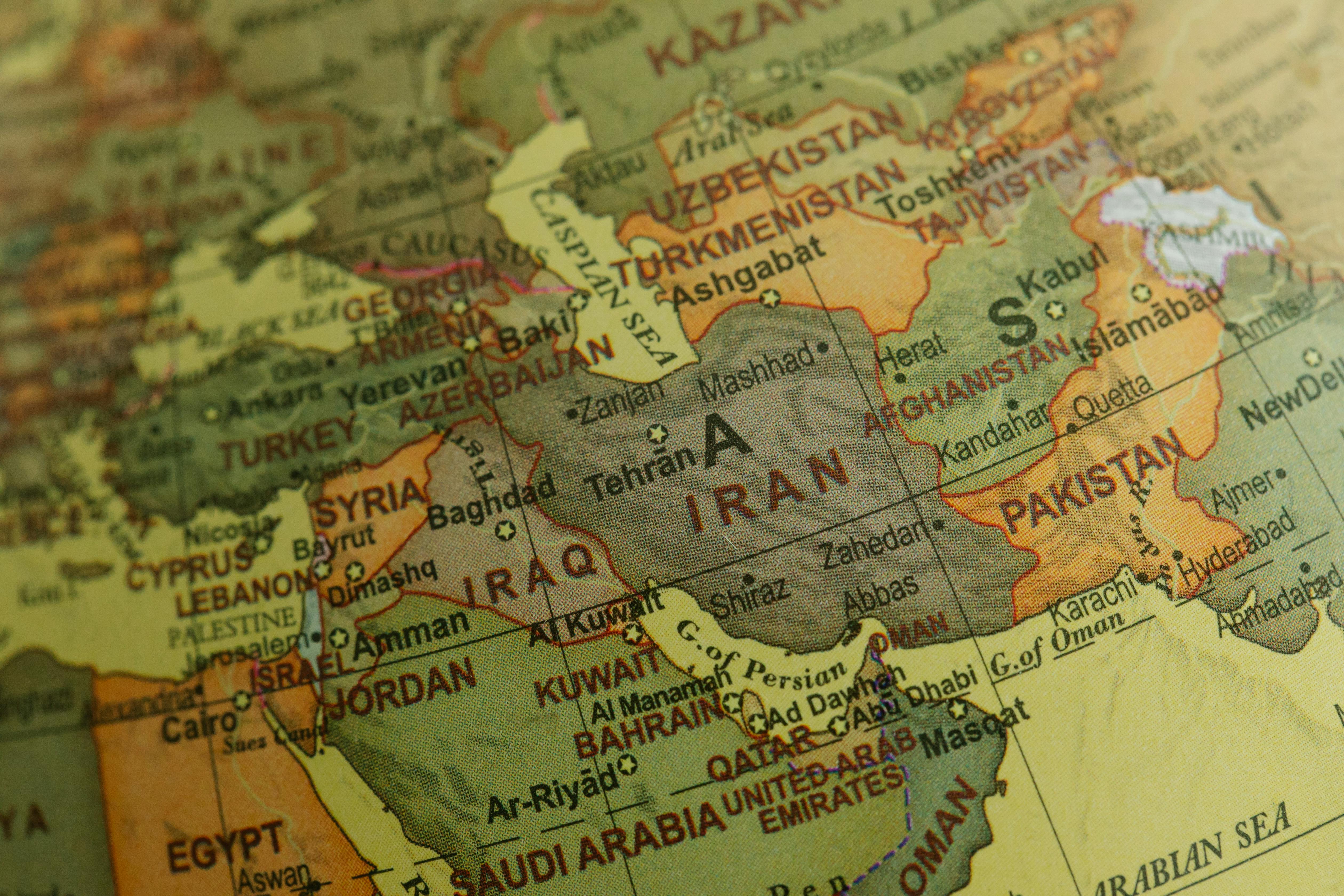
The relationship between Afghanistan and Pakistan, perpetually fraught with historical baggage and competing security interests, has entered a phase of acute and alarming hostility as of early 2026. The narrative that began with sporadic, deadly exchanges in October 2025 has dramatically sharpened into a confrontation characterized by direct state-on-state military action, culminating in claims from Islamabad of an
The Evolving Nature of the Confrontation Post-Initial Clashes
The confrontation between Kabul and Islamabad is not a static event; rather, it is defined by a disturbing cycle of intense kinetic exchanges followed by fragile, often illusory, de-escalation attempts, only for the violence to erupt again with increased severity and wider scope. The initial skirmishes, which marked the lowest point in the relationship since the Taliban’s 2021 return to power, provided a baseline against which the most recent flare-up must be measured. By the time the year concluded and the subsequent months of early 2026 unfolded, the character of the confrontation demonstrated a clear, worrying evolution from the relatively contained October violence, suggesting that the underlying political calculus on both sides had fundamentally shifted toward a more overtly confrontational stance. The rhetoric preceding the most recent and severe flare-up indicated that military options previously confined to contingency planning were now being seriously considered and, indeed, deployed, pushing the situation perilously close to a protracted, open conflict.
Shifts in Military Posture and Target Selection
The later phases of the conflict, particularly those unfolding in the weeks leading up to March 2026, indicated a significant hardening of military strategy on the Pakistani side, moving beyond the initial justifications of counter-terrorism operations against non-state actors. Analysts noted a stark and consequential change in the selection and depth of aerial targets. Whereas the initial October strikes were primarily framed by Islamabad as targeting groups like the Tehreek-e-Taliban Pakistan (TTP) operating from Afghan soil, the subsequent operations began to actively engage facilities explicitly identified as being controlled by the Afghan government’s own forces.
This shift—from what was styled as counter-insurgency operations against non-state actors to direct and acknowledged strikes against state military installations within Afghanistan, including the capital, Kabul, represents a critical escalation in the conflict’s character, bringing it conceptually much closer to a formal state-versus-state war. Specifically, reports confirmed that Pakistani forces struck key locations, with satellite imagery verifying that at least one ammunition depot in Kabul was hit in the late February 2026 escalation. This action, alongside strikes in Kandahar, Paktia, and other provinces, signaled an intent to degrade the capacity of the ruling entity in Kabul directly, rather than solely targeting militant havens.
Furthermore, the tactical dimension of the conflict broadened considerably. Reports emerged of Afghan forces holding and securing captured territorial positions within Pakistani borders—or at least in disputed border outposts—further challenging the very notion of undisputed sovereignty along the contentious Durand Line. This suggests a tactical intent beyond mere punitive strikes; it points toward a ground-level contest for control over strategic border terrain and crossings, such as Torkham, which are vital for trade and security. The reciprocal nature of the fighting, with Kabul claiming to have captured Pakistani military posts and inflicted significant casualties, cemented the transition from sporadic friction to sustained, high-intensity, cross-border engagements.
The Rhetoric of Sovereignty and Retaliation
The entire escalation is framed by two mutually exclusive, irreconcilable narratives of sovereignty. Pakistan insists its actions are necessary to dismantle terrorist sanctuaries enabling attacks like the February 6 suicide bombing in Islamabad. Conversely, the Afghan government condemns all Pakistani strikes, regardless of stated target, as flagrant violations of its national sovereignty, reserving the right to an
Broader Geopolitical Implications for Regional Stability
The intensity of the Afghanistan-Pakistan conflict in the current period—defined by the late 2025 and early 2026 confrontations—cannot be viewed in isolation; it carries profound and destabilizing implications for the entire South and Central Asian geopolitical landscape, a region already navigating shifting global alignments. The operational instability directly impacts multiple critical sectors: regional trade, which relies heavily on cross-border transit; energy security; and the monumental, ongoing challenge of managing cross-border refugee flows.
The Rerouting of Regional Economic and Political Gravity
The continued deterioration in relations between the two immediate neighbors creates a dangerous vacuum, or conversely, an opportunity, for other major global and regional powers whose interests in Afghanistan are complex and often contradictory. The unfolding military tension has coincided with a period where other major actors are actively re-calibrating their own levels of engagement with the ruling entity in Kabul.
- India’s Re-engagement: In a move that significantly complicates the dynamic, India has taken concrete steps to re-engage with the Taliban government, including the decision to re-open its embassy in Kabul in October 2025. Islamabad views this engagement through the lens of long-standing rivalry, accusing New Delhi of funding groups to undermine Pakistan’s security, allegations India has consistently rejected.
- China’s Counterterrorism Calculus: Beijing maintains significant counterterrorism interests due to its proximity to Xinjiang Province and its deepening security relationship with Pakistan. Increased instability on Pakistan’s western flank could force China to dedicate more resources to stabilizing its border regions or increase its influence within Pakistan to ensure its own security objectives are met.
- Western and Central Asian Roles: Western powers, while having diminished direct military presence, remain focused on counterterrorism and humanitarian issues. Central Asian states, such as Uzbekistan, view border stability as a direct strategic priority, prompting immediate calls for restraint, as instability risks the proliferation of illegal weapons and drug trafficking into their sphere.
Impact on Trade, Refugees, and Transnational Threats
The suspension of reliable Afghan trade with Pakistan, a key artery for Kabul’s external commerce, is accelerating efforts by the Taliban regime to pivot its economic lifeline elsewhere. Reports indicate attempts by Kabul to replace Pakistani routes with those transiting through Iran, linking Afghanistan to India and Europe. This economic decoupling adds a structural dimension to the political friction.
Simultaneously, the humanitarian situation worsens. The fighting directly impedes the ability of international bodies like the UN to facilitate aid. Furthermore, the violence heightens the dangers for Afghans already facing repatriation pressures. In 2025 alone, an estimated 2.7 million nationals returned to Afghanistan from neighboring countries, many from Pakistan, adding immense strain to the country’s failing infrastructure and economy.
Ultimately, the continued inability of Afghanistan and Pakistan to establish a functional, cooperative security mechanism effectively guarantees an environment ripe for the proliferation of transnational security threats. Until the core issues—militant sanctuary, sovereignty over the Durand Line, and domestic political incentives—are addressed, the region remains captive to the volatility of the border. This ongoing, severe military tension thus remains the single most critical variable in forecasting the near-term stability of the entire surrounding sphere of influence as of March 2026.