The Shifting Sands of Venezuelan Governance Post-Capture
The most immediate political vacuum was created by the removal of the top executive, requiring a rapid, internally managed succession to prevent total state collapse. Within hours of the capture on January 3rd, Venezuela’s Supreme Tribunal of Justice issued an order for the Vice President to assume the duties of interim presidency. This designated successor, Delcy Rodríguez, upon taking the oath, immediately denounced the apprehension of the former leader as an illegal “kidnapping” orchestrated by a foreign empire, while simultaneously calling for national unity to defend the country’s sovereignty.
This act of swearing in an interim leader, while seemingly stabilizing on paper, has been viewed with deep skepticism by international observers and the domestic opposition. Critics argue that merely installing a new figurehead under duress is not a pathway to genuine democratic renewal; it is, in their view, a continuation of authoritarian rule under a different banner—albeit one temporarily favored by the intervening power for its stated willingness to cooperate on vital issues like oil revenue management.
The Interim Authority: A Tightrope Walk to Elections
Two months post-operation, the political reality on the ground is precarious. Acting President Rodríguez is caught in an impossible bind. On one hand, she must maintain legitimacy with the remnants of the previous regime and manage the deeply entrenched state apparatus. On the other, she is meeting with a parade of US officials—including intelligence and military leaders—and has already approved reforms opening the oil industry to private investment, fundamentally undermining the socialist principles of the previous government.
The people, however, are not waiting patiently for an artificial transition. A late-January 2026 survey revealed that while Venezuelans overwhelmingly welcomed Maduro’s removal (55% supported the arrest), a majority (68%) believe elections must be held within a year. The crucial political battle now is between Rodríguez and the exiled opposition leader, María Corina Machado. That same survey projected that if a national vote were held today, Machado’s opposition coalition would rout Rodríguez’s interim administration by a margin of 67 percent to 25 percent. The interim government’s longevity hinges entirely on its ability to rapidly transition toward a free and fair vote, a promise it is already under extreme pressure to keep.. Find out more about Operation Absolute Resolve Caracas outcome.
Internal Link Reference: For a deeper dive into the mechanics of such transitions, read our analysis on Post-Conflict Stabilization Challenges in Authoritarian Successor States.
Economic Tides and Geopolitical Ripples Far From Home
While the narrative of the operation focused on justice and narcotics, the unspoken, central driver was, undeniably, the vast, untapped energy wealth concentrated within the nation’s borders. The administration that authorized the intervention openly suggested that the development of these reserves by American firms would be a primary mechanism for recouping the costs of the operation and stabilizing the national economy under the new interim structure. The idea that “the oil will pay for itself” was a potent political message.
However, experts were quick to point out the immense practical hurdles to this swift vision. Rebuilding the deeply deteriorated national oil infrastructure—a casualty of years of mismanagement and, now, military strikes—will require a massive, long-term capital investment running into the tens of billions of dollars. This creates an immediate economic disconnect: the swiftness of the January military action stands in stark contrast to the slow, arduous reality of energy sector reconstruction. The promise of an oil boom is currently juxtaposed against the reality of a long, expensive rehabilitation process that an administration already burdened with domestic fiscal challenges must oversee.
Navigating the Interests of Global Competitors
The military shift in Caracas did not occur in an international vacuum; it immediately engaged other global powers whose strategic interests are deeply embedded in the region’s stability and resource flow. Significant friction points have emerged with nations that maintained long-standing economic and political relationships with the previous regime. Specifically, attention has been drawn to major global competitors who possess substantial, pre-existing oil-for-loan arrangements and were major purchasers of the nation’s crude before the intervention. These actors are highly unlikely to remain passive observers of a fundamental geopolitical realignment orchestrated by their primary rival.. Find out more about Operation Absolute Resolve Caracas outcome guide.
This dynamic means the intervention carried the inherent risk of escalating into a wider diplomatic or economic contest, drawing in powerful external forces who seek either to maintain their existing leverage or challenge the unilateral assertion of authority in the region. The long-term stability of the interim government, therefore, is not just dependent on domestic factors but on its ability to navigate these complex international relationships without triggering a broader confrontation. Understanding this involves looking beyond the Caribbean theater and examining the global energy market’s reaction to potential shifts in supply control—a topic we explore in detail when discussing the **geopolitical realignment** in our upcoming white paper.
External Source Check: For an analysis of the legal challenges surrounding intervention, the principles outlined by the UN Charter are crucial context. See The Council on Foreign Relations overview on US-Venezuela relations.
The Home Front Reaction: Community Divide and Identity Politics
Perhaps the most profound, enduring consequence of Operation Absolute Resolve is the fracturing it has exposed within the United States itself. The justification for the military intervention rarely breaks down along lines of foreign policy expertise; instead, it cleaves along fundamental views on national identity and the proper role of government.
On one side, citizens view the operation through a humanitarian lens, believing it was a necessary, albeit forceful, removal of a tyrannical regime that presided over immense human suffering and economic collapse—a moral imperative finally acted upon. On the other, a significant portion of the population views the action strictly through a political lens, seeing it as an unwarranted extension of executive authority that threatens foundational democratic principles at home. This latter group expresses profound concern that the precedent set by the rapid deployment of force abroad without broader congressional consensus will be used to justify similar actions domestically, thus linking the overseas conflict directly to anxieties about civil liberties and the structure of the Republic.
The Localized Emotional Toll of Deployment
The most acute community splintering often centers on the families living in close proximity to the military bases or personnel directly involved in the planning, execution, or aftermath. For these families, the conflict was not an abstract headline; it was a daily reality involving deployment, intense operational stress, and the somber news of casualties.
For those whose family members participated in the raid, there can be an intense, localized sense of pride and justification—a belief that they executed a difficult but necessary duty. This pride often clashes directly with the deep fear and opposition held by their neighbors who might view the entire mission as illegitimate or disastrous. This juxtaposition—a local celebration of military success adjacent to deep-seated moral objections to the mission’s premise—creates an immediate, personal, and almost intractable rift within tightly knit residential areas, embodying the national schism on a micro-level. It is the political debate made personal.
The Electoral Crucible: Venezuela as a Precursor to the Midterms
As the calendar flips toward the 2026 midterm elections, the consequences of the Venezuelan engagement have immediately become a central, defining issue in campaigns across the country. The operation is serving as a litmus test for the very nature of the sitting administration’s leadership style.
For the party in power, the narrative is built around strength, decisive leadership, and the successful execution of a complex foreign policy goal aimed at combating transnational crime—they frame the intervention as proof of a strong executive willing to take necessary, if unpopular, action. For the opposition, the event has been weaponized as evidence of unchecked executive overreach, a dangerous flirtation with unconstitutional war-making that threatens to embroil the nation in protracted conflict and drain vital resources away from pressing domestic needs. The entire election has become, in many respects, a referendum not just on domestic performance, but on the limits of presidential power to project force internationally without broad, sustained legislative approval.. Find out more about Operation Absolute Resolve Caracas outcome strategies.
The Turnout Calculus: Energized Bases vs. Apolitical Center
Political analysts are keenly focused on how this high-stakes international event will translate into actual voter turnout, a crucial factor in any midterm contest. The conventional wisdom suggests such a dramatic, controversial event is highly likely to energize the opposition party’s base—voters already anxious about the administration’s direction will be strongly motivated to vote against the incumbent party to express their disapproval of the military action.
Conversely, the base supporting the administration might be satisfied and complacent, assuming the high-profile success guaranteed continued support, or perhaps even feel alienated if they hold anti-war sentiments. Crucially, the fate of many marginal contests may hinge on the small percentage of pure independents. These voters often vote based on perceived stability and adherence to established norms, making the long-term economic and security fallout from the intervention a potentially decisive, if unpredictable, variable in their ultimate choice. We see this concern echoed in the debate surrounding election integrity.
Expert Guidance: Political engagement today requires understanding this direct link between foreign policy application and domestic mobilization. A successful analysis of the coming midterms cannot ignore the *Operation Absolute Resolve* voter bloc.
Beyond the Border: The Enduring Fight Over the Integrity of the Vote. Find out more about Operation Absolute Resolve Caracas outcome overview.
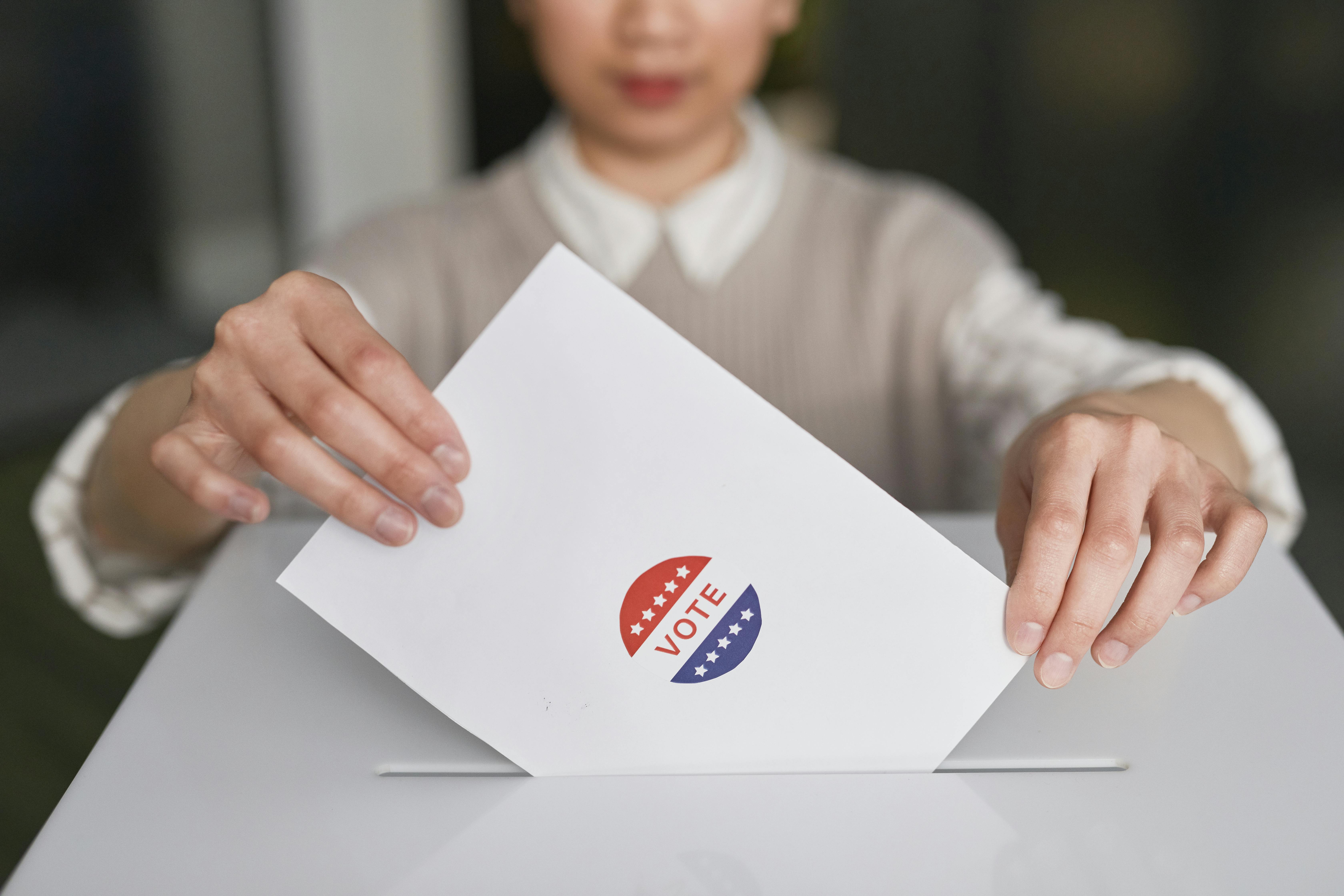
Compounding the domestic tension fueled by the intervention is the concurrent legislative battle over the mechanics of voting itself—actions that many observers tie directly to the overarching political strategy ahead of the 2026 cycle. The shadow of unilateral action abroad seems to be stretching over the sanctity of the ballot box at home.
Highly contentious federal bills are being advanced, particularly in one chamber of the legislature, aimed at imposing new, stringent requirements on voters, such as mandating proof of citizenship for casting a ballot, moving beyond standard identification protocols. Opponents of these measures argue vociferously that they are not security enhancements but deliberate attempts to suppress turnout among specific demographic groups who might face greater difficulty obtaining the required documentation, thereby rigging the election before a single vote is cast. This effort to reshape the electorate through legislation creates a potent secondary front in the political war, deepening the sense of existential threat felt by many activists.
The Crisis of Trust in Election Day Administration
Adding gasoline to this legislative fire are vivid, alarming concerns about the potential for direct executive interference on election day itself, echoing the very kind of unilateral action seen overseas. Reports indicate significant worry among election experts regarding the possibility of federal agents from departments with massive budgets—agencies historically focused on enforcement rather than civil administration—being deployed in ways that could intimidate voters or potentially seize ballots or election materials after polls have closed.
The perceived linkage between a presidential administration willing to launch unilateral military incursions abroad and one potentially willing to use federal enforcement mechanisms to influence domestic electoral outcomes has fueled a profound crisis of trust. For many on the receiving end of these perceived threats, the fight for democracy is no longer about policy differences but about protecting the physical act of voting itself from administrative overreach. This makes the 2026 midterms a pivotal moment in the defense of foundational democratic practice, perhaps more so than any election in recent memory. To study the fallout from the January operation, one must also study the legislative maneuvers surrounding voter access and election security.
Key External Reference: For scholarly context on how such interventions test international norms, review the analysis on the precedent set by past actions, such as the 1989 Panama operation: Chatham House on International Law and Intervention.
Conclusion: The Lingering Echoes of Absolute Resolve
Operation Absolute Resolve was a defining moment of early 2026. Its tactical success in capturing its primary targets is established fact, as are the immediate diplomatic ruptures and the grim accounting of casualties. Two months on, however, the true measure of this event is found in its cascading consequences:
- Governance Instability: The interim authority led by Delcy Rodríguez operates on razor-thin legitimacy, balancing international favor for oil reform against domestic calls for immediate elections under the shadow of the captured leader’s claims.
- Geopolitical Exposure: The operation exposed the US to direct friction with global competitors over resource control, shifting the energy calculus in the region far more significantly than a simple handover of power might have implied.
- Domestic Polarization: The intervention has become a central, non-negotiable issue in the looming 2026 midterms, directly fueling debates over executive overreach and the limits of presidential war-making authority.. Find out more about Community divide military families home front insights information.
- Erosion of Trust: The speed and unilateral nature of the overseas action seem to have emboldened or provided justification for controversial domestic legislative maneuvering regarding voting rights, creating a crisis of confidence in electoral processes.
The events of January 3rd were meant to resolve one chapter; instead, they seem to have written the volatile prologue for the rest of 2026. The administration bet heavily on decisiveness, but the aftermath demands strategic patience and domestic unity—two things currently in short supply.
Your Actionable Insight: Pay close attention to the judicial proceedings in Manhattan. Every argument concerning the legality of the *extraction* will be mirrored in the domestic political sphere concerning the legitimacy of executive action. This one operation is influencing every campaign narrative between now and November.
What is your read on the long-term viability of the interim government in Caracas? Will the economic promises outweigh the political uncertainty? Share your analysis in the comments below—the debate over the consequences of Operation Absolute Resolve is only just beginning.
For further background on the military capabilities demonstrated, see the analysis on the coordinated air assets involved: Breaking Defense on Operation Resolve’s Air Assets.