The Fragile Truce: Deconstructing the Taliban-Pakistan Escalation and Subsequent Diplomatic Rapprochement
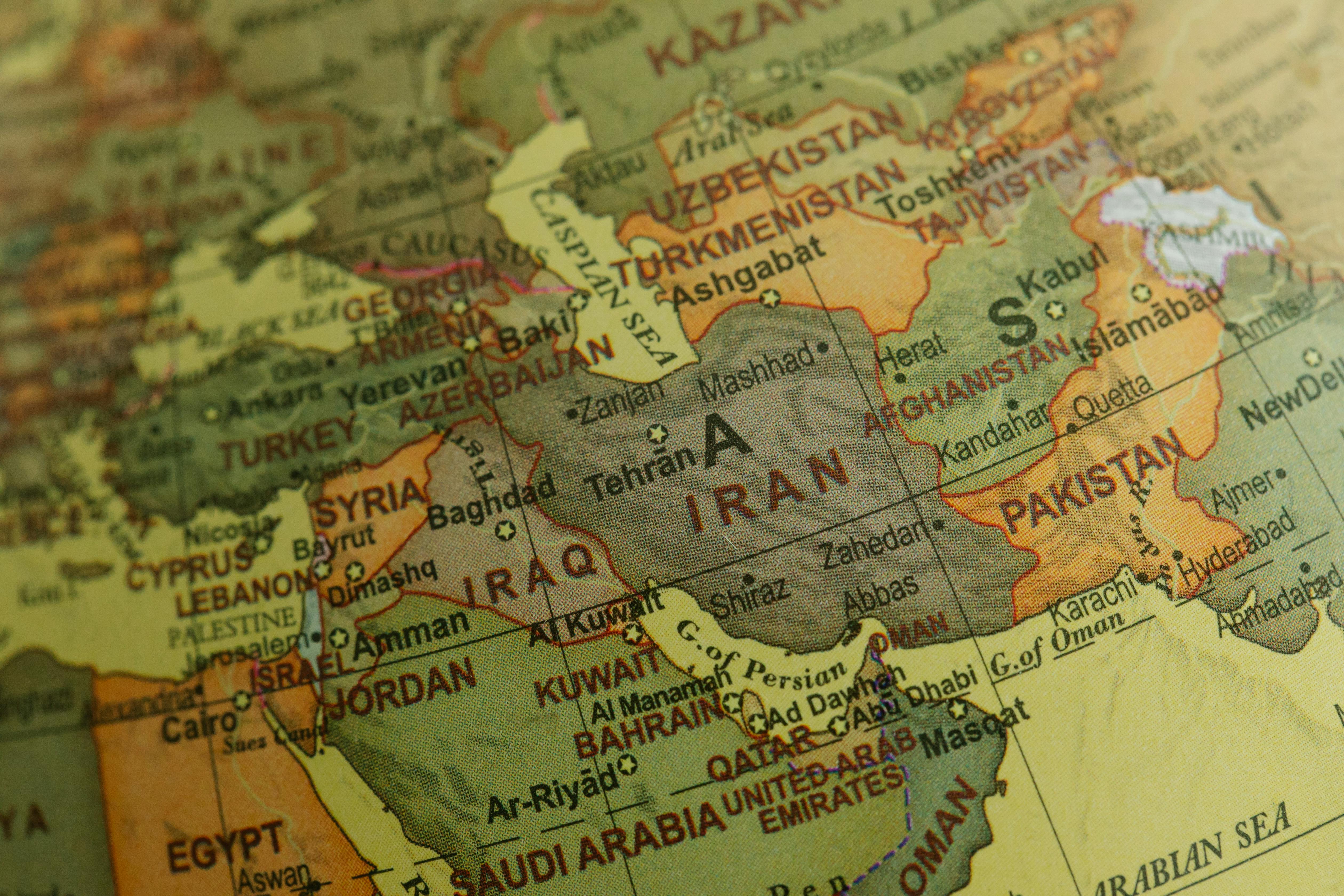
The diplomatic landscape between the Islamic Emirate of Afghanistan (IEA), governed by the Taliban, and the Islamic Republic of Pakistan has historically been characterized by profound strategic mistrust, yet punctuated by periods of necessary engagement. The events of mid-October 2025 represent one of the most acute breakdowns in this relationship since the Taliban’s return to power in August 2021, a crisis catalyzed by military action, culminating in the formal declaration that a previously established, albeit temporary, truce had been irrevocably shattered. Understanding the intricate web of preceding triggers and the subsequent, more structured diplomatic interventions is essential for grasping the current, still-developing state of bilateral security and regional stability.
VII. Preceding Triggers: The Events Leading to the Unstable Calm
The surge in hostilities in October 2025 was not an isolated military engagement; rather, it was the violent culmination of months of simmering tension, primarily over Pakistan’s insistence that the Taliban government harbors and actively supports the Tehreek-e-Taliban Pakistan (TTP), a militant entity bent on destabilizing Islamabad. The immediate precursor to the official collapse of the initial peace effort involved a series of coordinated security incidents and a highly symbolic diplomatic overture, illustrating the high-stakes calculus governing Kabul’s foreign policy.
The Coincidence of the Kabul Incident and Diplomatic Travel
The escalating tension gained significant, visible momentum immediately following a series of explosions that rocked the Afghan capital, Kabul, around Thursday, October 10, 2025. Crucially, these detonations in the capital—some near Abdul Haq Square and others reported near the airport—coincided precisely with the beginning of an unprecedented official visit by the Taliban’s acting Foreign Minister, Amir Khan Muttaqi, to India. Muttaqi’s trip to New Delhi was the first such high-level engagement since the Taliban takeover in 2021, signaling Kabul’s intent to diversify its strategic partnerships and seek international legitimacy, a move viewed with deep strategic suspicion by Islamabad.
This temporal overlap fueled Pakistani suspicion regarding coordination or deliberate provocation timed to coincide with the diplomatic engagement. Unverified reports circulated widely on social media suggesting that Pakistan may have been behind the Kabul attack, allegedly targeting senior TTP figures, including its chief, Noor Wali Mehsud. Pakistan’s frustration with the Afghan Taliban stemmed from the TTP’s increased activity in 2025, which had already exceeded the levels seen in all of 2024, with hundreds of attacks against Pakistani security forces. The failed targeting of Mehsud in Kabul—Pakistan’s first such strike in the capital since the US drone killing of al-Qaeda leader Ayman al-Zawahiri in 2022—reportedly intensified border clashes with the Afghan side.
The Taliban government vehemently condemned the actions. During his visit to India, Foreign Minister Muttaqi publicly labeled the alleged Pakistani aggression as a “wrong step” and a violation of Afghanistan’s sovereignty. This spat over the Kabul incident, alongside escalating border skirmishes that killed dozens of soldiers and civilians on both sides, set the volatile backdrop for the first, brief agreement.
The Taliban’s Initial Tactical Response and Defensive Posture
In the immediate aftermath of what they perceived as Pakistani aggression preceding the first truce announcement, the Taliban administration signaled a proactive defensive posture against further incursions. The conflict had already seen exchanges of artillery and drone fire, following Pakistani airstrikes on targets in Kabul and Kandahar province. This cycle of aggression, which included Pakistani military actions in Paktika province on December 25, 2024, and a renewal of intense clashes in October 2025, necessitated a clear doctrine for engagement.
While the Taliban government, through its chief spokesman Zabihullah Mujahid, often urged calm in Kabul following any incident, the broader military directive reflected a readiness for armed resistance should Pakistani forces initiate a full-scale assault on Afghan territory. The initial 48-hour truce, announced on Wednesday, October 15, 2025, at Kabul’s request, was conditional on the other side’s adherence. This fragile pause—meant to facilitate dialogue—was predicated on a basic understanding of non-aggression. However, the declaration by a senior Taliban official to the Agence France-Presse (AFP) that “Pakistan has broken the ceasefire and bombed three locations in Paktika,” thereby meaning the “truce has been broken” and that “Afghanistan will retaliate,” confirmed that the implicit condition of non-aggression had been breached. This statement was the ultimate expression of their intent to forcefully protect their borders, effectively nullifying the initial diplomatic pause and escalating the crisis toward a potential wider war.
VIII. The Path Forward: Subsequent Diplomatic Interventions and Future Frameworks
Despite the dramatic collapse of the initial temporary agreement, which occurred following the alleged Friday, October 17, 2025, Pakistani strikes in Paktika province, diplomatic efforts did not entirely cease. The international community recognized the danger of a full-scale war metastasizing across the region, where other militant groups like the Islamic State group were attempting to gain traction. The failure of the first, short-lived pause provided crucial, albeit bloody, lessons upon which a subsequent, more structured arrangement was hastily constructed.
The Intervention of Qatari and Turkish Mediation Efforts
The renewed outbreak of fighting immediately following the Paktika strikes—which reportedly killed at least 10 people, including three Afghan cricketers—triggered an intense ramp-up of international diplomatic engagement. Key regional mediators, namely the State of Qatar and the Republic of Turkey, stepped in with renewed vigor to broker a deeper, more sustained understanding between Islamabad and the Taliban administration in Kabul.
Intensive discussions were held in Doha, Qatar, which served as the venue for the critical negotiations that yielded a second understanding. The commitment of these mediators highlighted the strong international consensus that the continued conflict, marked by deadly border clashes that had killed dozens and wounded hundreds over the preceding week, was too dangerous for the region to bear. The involvement of Qatar and Turkey provided the necessary neutral ground and diplomatic leverage to pull the belligerents back from the brink of what security analysts feared could become a multi-front regional conflict. The very fact that the Taliban’s Foreign Minister was visiting India at the time of the initial crisis suggests a delicate geopolitical balancing act, which regional powers like Qatar and Turkey were keen to stabilize to prevent further entanglements.
The Terms of the Subsequent Understanding for Sustained De-escalation
The outcome of these later, extensive talks, which concluded around Saturday night, October 19, 2025, produced a more robust, though inherently developing, agreement aimed at a sustained de-escalation. This second framework was significantly more explicit regarding the root cause of the conflict: terrorism emanating from Afghan soil.
The core of the subsequent understanding required a firm commitment from the Afghan side to cease all support for groups actively targeting Pakistan, with specific and necessary reference made to the Tehreek-e-Taliban Pakistan (TTP). Pakistani Defense Minister Khawaja Asif, who was part of the Doha peace talks, confirmed that the agreement stipulated that “Cross-border terrorism from Afghan territory will cease immediately”. Analysts noted that the durability of this peace would hinge entirely on the Taliban’s ability to effectively rein in the TTP, whose leader, Noor Wali Mehsud, had survived a recent targeted strike.
In return for this commitment, both governments pledged a mutual respect for each other’s security forces, civilian populations, and critical infrastructure, establishing a broader set of non-targeting protocols intended to prevent future escalations based on miscalculation or limited strikes. Furthermore, the agreement entailed that “Both countries will respect each other’s sovereignty and territorial integrity”. The framework also stipulated the establishment of “technical committees and joint monitoring mechanisms” to oversee the deal’s implementation, suggesting a level of institutionalized oversight absent in the initial, volatile arrangement. Despite the progress, it is noted that some longstanding disputes, critically the contentious Durand Line—the disputed border—were deliberately omitted from the scope of these immediate negotiations, leaving a significant flashpoint unresolved for future, likely more difficult, diplomatic endeavors.
In summation, the events of October 2025 serve as a potent illustration of the enduring security dilemma between Kabul and Islamabad. The diplomatic maneuver involving India acted as a catalyst, exposing the brittle nature of the existing understanding. While the decisive intervention of Qatari and Turkish mediation secured a temporary, if conditional, cessation of hostilities, the long-term viability of the peace remains tethered to the Taliban’s capacity and willingness to dismantle the TTP sanctuary within Afghanistan, a challenge that defines the strategic trajectory of the entire region as of late 2025.